 Send
Send Share
Share
 Details

 Download
 Similars
 Diaporama
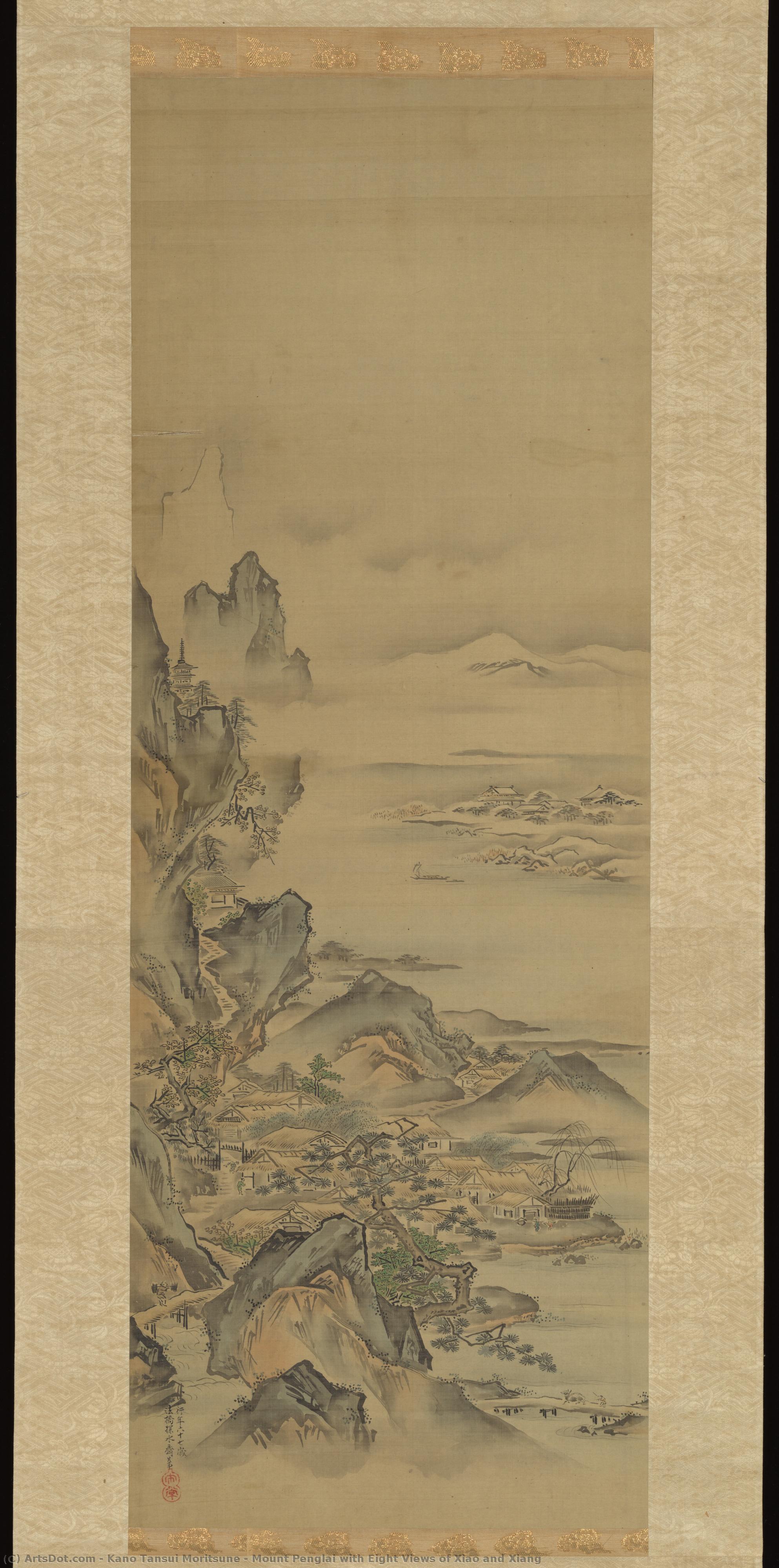
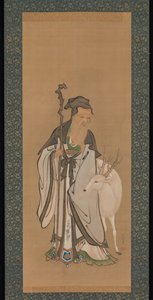
Mount Penglai with Eight Views of Xiao and Xiang
 Silk
Silk- Textile
- Baroque
 801
801- Early Modern
 187.0cm x 54.0cm
 Metropolitan Museum of Art
 Read More
Giclée / Art Print
Museum-quality giclée or canvas print with fast production and flexible finish options. ( Buy Hand Made Painting Buy Image)




































Pick from our preset sizes that match the artwork's original proportions.

You may enter your own dimensions to fit a specific frame or space. If your selected size does not match the original image's proportions, we will either crop the artwork or extend the image with a mirrored or solid-fill edge. A digital mockup will be sent for your approval before production begins.
Please note that the on-screen preview does not reflect the actual cropping or extension. Only the mockup will accurately show the final composition.
While custom sizes are available, we recommend selecting a dimension from the predefined list to preserve the original proportions.
Worldwide Delivery () in 2 weeks instead of standard 4/5 weeks. (1 September)

Free Worldwide Express Shipping

High-Quality Linen Canvas

Full Shipping Insurance

Customs Tax Refund Guarantee

True Color Matching Guarantee

60-Day Return Policy (Defects Only)

100% Money-Back Guarantee

Bulk Discount Offer
 Glass option is only available in size under 110 CM

Mount Penglai with Eight Views of Xiao and Xiang
Giclée / Art Print
Reproduction Size
-


Total Price
$ 63
A Symphony of Symbolism: Exploring Kano Tansui Moritsune’s Mount Penglai
The artwork “Mount Penglai with Eight Views of Xiao and Xiang,” attributed to Kano Tansui Moritsune, stands as a testament to the zenith of Edo period Japanese art – specifically, the vibrant aesthetic championed by the Kano school. Executed in silk, this monumental triptych transcends mere depiction; it embodies profound philosophical concepts interwoven with masterful artistic execution. Created around 1801, during Japan’s seclusionist era, the painting reflects a yearning for harmony between humanity and nature, underpinned by Buddhist ideals of longevity and enlightenment.- Subject Matter & Inspiration: The central panel portrays Mount Penglai, considered one of Japan's most sacred mountains and a potent symbol of paradise – a visual echo of Chinese landscape painting traditions that had profoundly influenced Kano artists. Moritsune meticulously rendered the mountain’s rugged peaks and serene valleys, drawing inspiration from the famed “Eight Views of Xiao and Xiang” poems by Wang Wei, which championed contemplative observation and appreciation for the natural world.
- Style & Technique: Characteristic of the Kano school's distinctive style is Moritsune’s bold use of color – particularly crimson and gold – applied with meticulous detail. The artist employed a technique known as “gosyoku-yo,” or six-color painting, utilizing pigments derived from mineral oxides to achieve astonishing luminosity and depth. Firm outlines delineate forms with unwavering precision, creating an image that is both visually arresting and intellectually stimulating.
- Historical Context: Produced during the Edo period (1615–1868), “Mount Penglai” reflects Japan’s cultural engagement with China despite its official policy of isolation. The Kano school's artistic endeavors served as a conduit for disseminating Confucian and Buddhist values, reinforcing social order and spiritual contemplation.
- Symbolism: Beyond the mountain itself, Moritsune incorporated symbolic elements that resonate with Buddhist cosmology. A tortoise symbolizes longevity – mirroring the belief in reincarnation and eternal life – while cranes represent immortality and auspiciousness. Pine trees embody resilience and steadfast virtue, symbolizing perseverance through adversity.
- Size: 187.0cm x 53.7cm
- Provenance: Unknown
Related Artworks
Artist Biography
The Legacy of Kano Tansui Moritsune
In the vibrant tapestry of Japan's Edo period, few names resonate with the prestige and technical mastery of Kano Tansui Moritsune. As a prominent figure within the illustrious Kano school, Moritsune carried the weight of a profound artistic lineage. Born into a world of disciplined brushwork and refined aesthetics, he was the son and dedicated pupil of Kano Tan'en Morizane, a relationship that served as the foundation for his lifelong devotion to the craft. Upon ascending to the position of the ninth-generation head of the prestigious Kajibashi Kano atelier, Moritsune became a custodian of a tradition that blended the rigorous structural integrity of Chinese ink painting with the delicate, emotive sensibilities unique to Japanese artistry.
The life of Moritsune, while shrouded in the quiet mysteries of the 17th century, is illuminated by the brilliance of his surviving works. His career was defined by a seamless integration of heritage and innovation. While he remained deeply rooted in the teachings of the Kano school—a style celebrated for its firm outlines and commanding presence—he breathed new life into these ancient forms. His mastery over ink and color on silk allowed him to create compositions that felt both monumental and intimately detailed, capturing the ephemeral beauty of the natural world with a permanence that has endured through the centuries.
Mastery of Color and Composition
To behold a work by Moritsune is to witness a breathtaking dialogue between light and shadow, color and void. His technique was characterized by an extraordinary use of bold colors and strong, decisive outlines that gave his subjects a sculptural quality. One of the most striking elements of his repertoire was his sophisticated application of gold leaf. This luxurious addition did more than merely decorate; it transformed the silk surface into a luminous stage, where landscapes, birds, and flowers seemed to glow from within, reflecting the prestige of the era's high culture.
His thematic focus often drifted toward the sublime wonders of nature, rendered with a precision that suggests both scientific observation and poetic reverence. His compositions frequently explored:
- Majestic Landscapes: Vast vistas that utilized atmospheric perspective to create depth and grandeur.
- Avian and Floral Studies: Intimate depictions of birds and blossoms that celebrated the fleeting seasons of Japan.
- Mythological Narratives: Works such as his Mount Penglai series, which drew upon classical Chinese motifs to evoke a sense of timelessness and spiritual longing.
Historical Significance and Enduring Influence
The historical importance of Kano Tansui Moritsune extends far beyond the walls of the Kajibashi Kano atelier. As a key practitioner of the Kano school during its influential period, he helped solidify a visual language that would define Japanese aesthetics for generations. His ability to synthesize the heavy, structured influence of Chinese painting with the more fluid and decorative Japanese traditions created a stylistic bridge that allowed the Kano school to remain relevant amidst changing cultural tides.
Today, Moritsune’s legacy is preserved in some of the world's most esteemed institutions, such as the Metropolitan Museum of Art. His works serve as vital historical documents, offering contemporary viewers a window into the soul of the Edo period. Through his meticulous use of pigment, gold, and ink, Moritsune did not merely paint scenes; he captured the very essence of a civilization's aesthetic peak, ensuring that his vision of nature’s splendor remains as striking today as it was centuries ago.
kano tansui moritsune
Japan
Quick Facts
- Artistic Movement Or Style: World Goes Pop
- Artists Or Movements Influenced By This Artist: ['Influenced by pop art and contemporary social commentary']
- Artists Who Influenced This Artist: ['Influenced by diverse artists within the World Goes Pop movement']
- Date Of Death: Living
- Notable Artworks: ['Various works featured in The World Goes Pop exhibition']
- Place Of Birth: WahooArt
Related Articles

Hokusai's Masterpieces: 25 Iconic Prints & Paintings for Art Lovers | ArtsDot
Journey through Katsushika Hokusai’s 25 most iconic artworks, including *The Great Wave*. Explore the ukiyo-e master's history, style & timeless Japanese woodblock prints. Find museum-quality reproductions for your home at ArtsDot.com.
Serenity on Canvas: A Guide to the Timeless Beauty of Japanese Landscape Painting
Discover the serene beauty of Japanese landscape painting. From Hokusai's iconic woodblock prints to meditative sumi-e ink washes, explore a visual journey through the 'floating world' and learn how to bring this timeless Zen aesthetic into your modern home decor.
Suzuki Harunobu: Pioneering Ukiyo-e & the Refinement of Edo Period Printmaking
Discover the revolutionary world of Suzuki Harunobu, a pioneer of ukiyo-e printmaking. Explore his exquisite nishiki-e techniques, diverse subjects & lasting impact on Japanese art history. Learn more at ArtsDot.
Floating World: The Captivating Art and Legacy of Japanese Ukiyo-e
Explore the profound beauty of Japanese Ukiyo-e. Discover the history, masters like Hokusai, and the enduring legacy of the 'Floating World' through an expert art-historical lens.
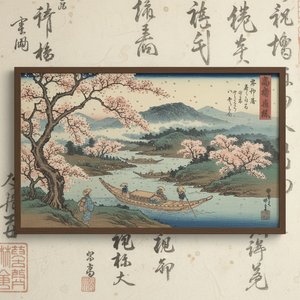
Ephemeral Landscapes: Hiroshige's Poetics of Transient Beauty in Edo Japan
Explore the captivating world of Utagawa Hiroshige's ukiyo-e landscapes. Discover his artistic innovations, influence on Western art, and the poetics of transient beauty in Edo period Japan. A guide for collectors & enthusiasts.