 Preview
 Send
Send Share
Share
 Details

 Download
 Similars
 X-Ray
X-Ray Diaporama
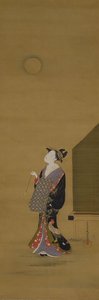
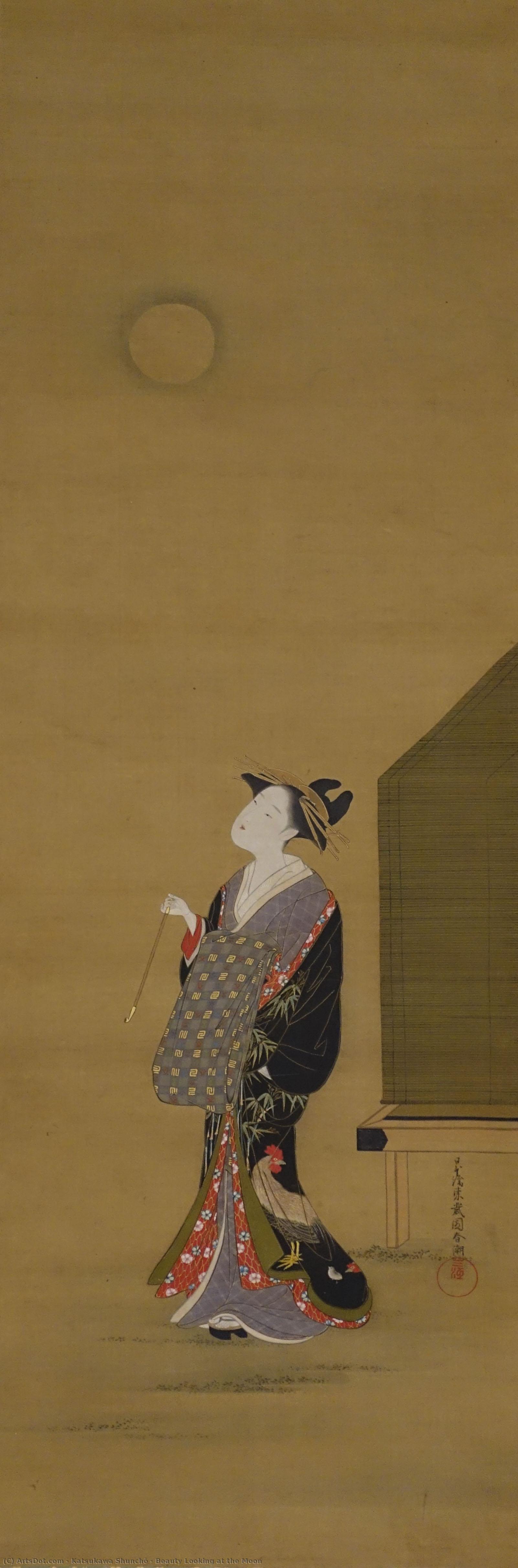
Beauty Looking at the Moon
 Japanese Ukiyo-e
 701
701 91.0cm x 31.0cm
 Read More
Giclée / Art Print
Museum-quality giclée or canvas print with fast production and flexible finish options. ( Buy Hand Made Painting Buy Image)




































Pick from our preset sizes that match the artwork's original proportions.

You may enter your own dimensions to fit a specific frame or space. If your selected size does not match the original image's proportions, we will either crop the artwork or extend the image with a mirrored or solid-fill edge. A digital mockup will be sent for your approval before production begins.
Please note that the on-screen preview does not reflect the actual cropping or extension. Only the mockup will accurately show the final composition.
While custom sizes are available, we recommend selecting a dimension from the predefined list to preserve the original proportions.
Worldwide Delivery () in 2 weeks instead of standard 4/5 weeks. (25 August)

Free Worldwide Express Shipping

High-Quality Linen Canvas

Full Shipping Insurance

Customs Tax Refund Guarantee

True Color Matching Guarantee

60-Day Return Policy (Defects Only)

100% Money-Back Guarantee

Bulk Discount Offer
 Glass option is only available in size under 110 CM

Beauty Looking at the Moon
Giclée / Art Print
Reproduction Size
-


Total Price
$ 63
Related Artworks
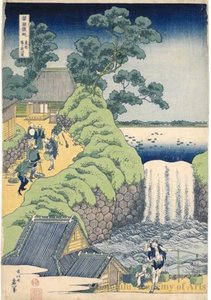
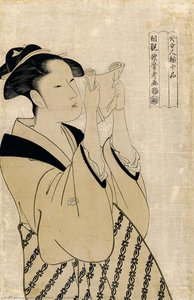
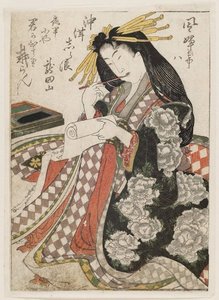
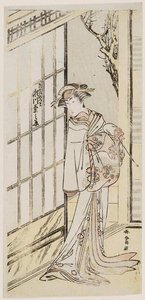
Artist Biography
A Master of Transient Beauty: Katsukawa Shunchō and the Edo Period Ukiyo-e
Katsukawa Shunchō, a name resonating with delicate grace and fleeting moments, flourished during the late Edo period in Japan (active circa 1783–1795). Born in Tokyo in 1726, his life coincided with a vibrant cultural blossoming, yet remained relatively short. While he emerged from the esteemed Katsukawa school under the tutelage of Katsukawa Shunshō, Shunchō quickly carved out a distinctive path, diverging from his teacher’s focus on Kabuki actors to specialize in *bijin-ga* – portraits of beautiful women – and *shunga*, erotic art. This shift wasn't a rejection of Shunshō’s teachings, but rather an exploration of different facets of the “floating world” (*ukiyo*) that defined Edo society. Shunchō’s work offers a captivating glimpse into the aesthetics, fashions, and social nuances of 18th-century Japan, capturing not just likenesses, but also the ephemeral spirit of beauty itself.The Influence of Kiyonaga and a Blossoming Style
Shunshō's artistic lineage is fascinatingly complex. Though formally trained within the Katsukawa school, his style demonstrably leaned towards that of Torii Kiyonaga, another prominent *ukiyo-e* artist known for his elegant depictions of women. This influence isn’t one of imitation, but rather a synthesis. Shunchō absorbed Kiyonaga's refined lines and sophisticated compositions, yet infused them with a unique sensitivity. His figures possess a gentle allure, often depicted in intimate settings or engaged in everyday activities. The backgrounds are not merely decorative, but contribute to the overall mood, suggesting interior spaces filled with subtle light and shadow. This attention to detail—the texture of silk kimonos, the arrangement of hair ornaments, the delicate curve of a hand—elevates his prints beyond simple representation. He was particularly adept at capturing the *okubi-e* style – large head portraits that emphasized beauty and fashion, becoming incredibly popular during this period.Themes and Techniques: Capturing the Essence of Edo Life
Shunchō’s oeuvre is characterized by a focus on the lives and pleasures of women in Edo society. His *bijin-ga* often portray courtesans, geishas, and fashionable townswomen, showcasing their elaborate hairstyles, luxurious clothing, and refined manners. These prints weren't simply portraits; they were windows into a world of aspiration and entertainment. Beyond his depictions of beautiful women, Shunchō also created numerous *shunga* prints – erotic woodblock images that were a significant part of Edo culture. While often considered taboo by modern standards, these works were highly valued for their artistic merit and skillful execution. They demonstrate Shunchō’s mastery of line, composition, and anatomical detail. His technical skill was remarkable; he employed the traditional *ukiyo-e* techniques of woodblock printing with exceptional precision, utilizing a variety of colors and textures to create visually stunning images.Legacy and Lasting Impact
Despite his relatively short career, Katsukawa Shunchō left an indelible mark on the world of *ukiyo-e*. His prints are now held in prestigious collections worldwide, including the British Museum, the Portland Art Museum, Harvard Art Museums, and the Metropolitan Museum of Art. This widespread presence is a testament to the enduring appeal of his work. He wasn’t merely replicating existing styles; he was refining them, adding layers of nuance and sensitivity that resonated with contemporary audiences. His influence can be seen in the works of later *ukiyo-e* artists who continued to explore themes of beauty, fashion, and everyday life.- Key Characteristics: Elegant depictions of women, refined lines, sophisticated compositions.
- Influences: Katsukawa Shunshō, Torii Kiyonaga
- Major Themes: *Bijin-ga* (portraits of beautiful women), *Shunga* (erotic art), Edo period life and fashion.
- Historical Significance: Capturing the ephemeral spirit of beauty in 18th-century Japan, contributing to the flourishing of *ukiyo-e* art.
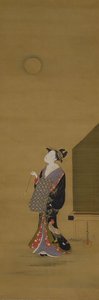
katsukawa shunchō
1726 - 1792 , Japan
Quick Facts
- Artistic Movement Or Style: Ukiyo-e
- Artists Or Movements Influenced By This Artist: ['Torii Kiyonaga']
- Artists Who Influenced This Artist: ['Katsukawa Shunshō']
- Date Of Birth: 1726
- Date Of Death: 1792
- Full Name: Katsukawa Shunchō
- Nationality: Japanese
- Notable Artworks: ['Beauty Looking at the Moon']
- Place Of Birth: Tokyo, Japan
Related Articles

Hokusai's Masterpieces: 25 Iconic Prints & Paintings for Art Lovers | ArtsDot
Journey through Katsushika Hokusai’s 25 most iconic artworks, including *The Great Wave*. Explore the ukiyo-e master's history, style & timeless Japanese woodblock prints. Find museum-quality reproductions for your home at ArtsDot.com.
Serenity on Canvas: A Guide to the Timeless Beauty of Japanese Landscape Painting
Discover the serene beauty of Japanese landscape painting. From Hokusai's iconic woodblock prints to meditative sumi-e ink washes, explore a visual journey through the 'floating world' and learn how to bring this timeless Zen aesthetic into your modern home decor.
Suzuki Harunobu: Pioneering Ukiyo-e & the Refinement of Edo Period Printmaking
Discover the revolutionary world of Suzuki Harunobu, a pioneer of ukiyo-e printmaking. Explore his exquisite nishiki-e techniques, diverse subjects & lasting impact on Japanese art history. Learn more at ArtsDot.
Floating World: The Captivating Art and Legacy of Japanese Ukiyo-e
Explore the profound beauty of Japanese Ukiyo-e. Discover the history, masters like Hokusai, and the enduring legacy of the 'Floating World' through an expert art-historical lens.
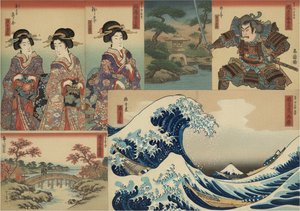
Ukiyo-e: Exploring Japan's Floating World & Enduring Artistic Legacy
Explore the captivating world of Ukiyo-e – Japan's iconic woodblock prints! Discover masters like Hokusai & Hiroshige, learn about Edo period culture, and find expert art collecting guidance at ArtsDot.