

 Preview
 Send
Send Share
Share
 Details

 Download
 Similars
 X-Ray
X-Ray Diaporama
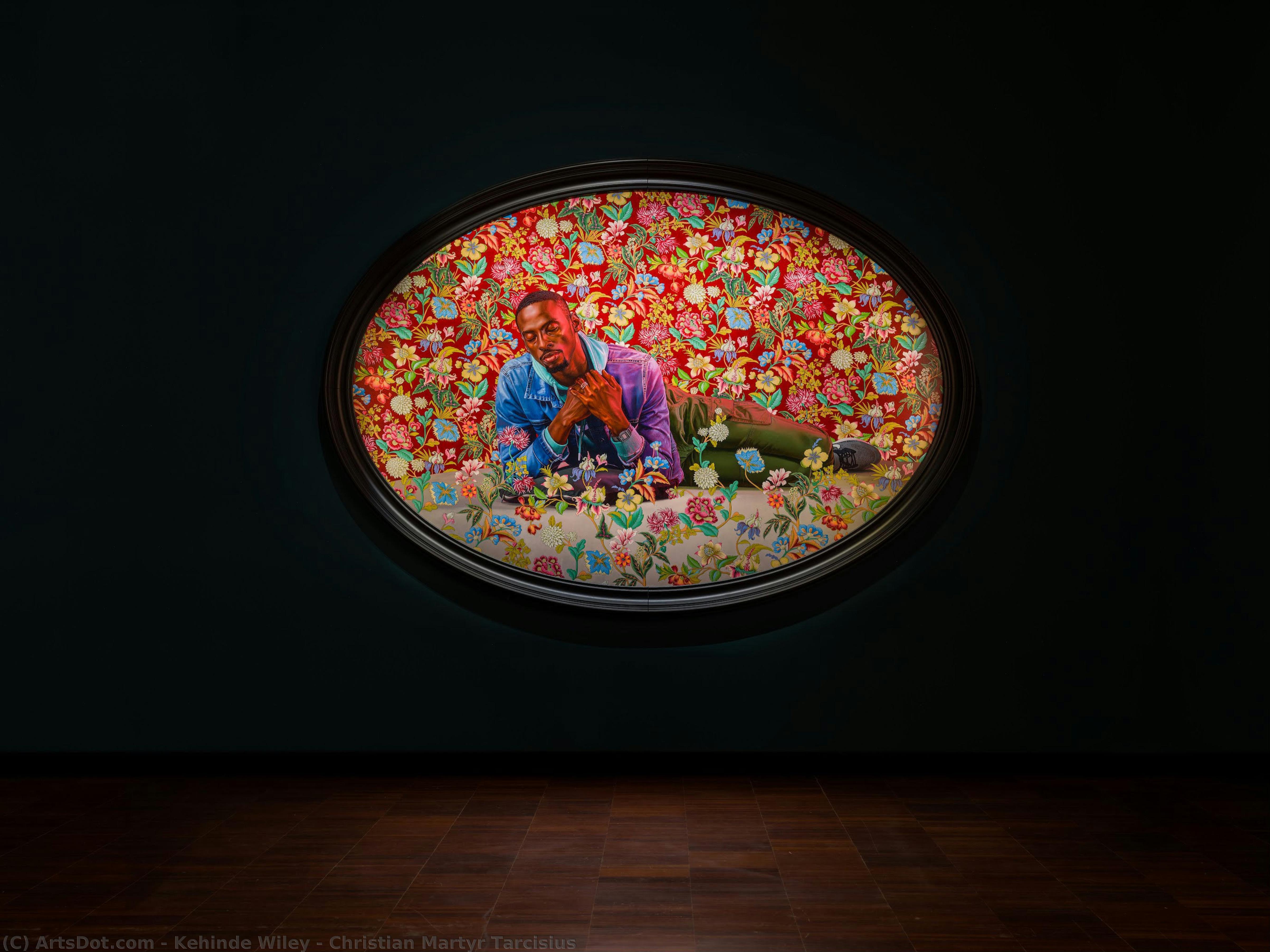
Christian Martyr Tarcisius
 Oil On Canvas
- WallArt
- Contemporary Realism
 2022
2022- Contemporary
 212.0 x 301.0 cm
 de Young Museum
 Read More
Hand Made Oil Reproduction
Hand-painted oil on canvas in your size and frame, made to order by our artists. ( Buy Print Buy Image)




P118B $10

P118H $10

P118W $10

P438Z $10

P508JH $12

P508YH $12

P805H $10

P805Z $10

P919BZ $10

P919G $10

P919XJ $10

P959ZH $10

P968JZ $12

W106C $8

W218G $10

W218JH $8

W218Y $10

W307PJ $10

W316G $10

W316PJ $8

W316Y $10

W398PJ $8

W4111J $10

W500HY $15

W500JH $15

W692G $12

W849H $8

W940BG $15

W953PJ $8




Pick from our preset sizes that match the artwork's original proportions.

You may enter your own dimensions to fit a specific frame or space. If your selected size does not match the original image's proportions, we will either crop the artwork or extend the painting with additional hand-painted elements. A digital mockup will be sent for your approval before production begins.
Please note that the on-screen preview does not reflect the actual cropping or extension. Only the mockup will accurately show the final composition.
While custom sizes are available, we recommend selecting a dimension from the predefined list to preserve the original proportions.
After order, ArtsDot.com team will email client for instructions and provide a mockup preview
Worldwide Delivery () in 3/4 weeks instead of standard 5 weeks. (17 August). No compromise on quality.

Free Worldwide Express Shipping

High-Quality Linen Canvas

Full Shipping Insurance

Customs Tax Refund Guarantee

True Color Matching Guarantee

60-Day Return Policy (Defects Only)

100% Money-Back Guarantee

Bulk Discount Offer
 Glass option is only available in size under 110 CM

Christian Martyr Tarcisius
Reproduction Medium
Reproduction Size
-


Total Price
$ 263
Artwork Description
A Visionary Reimagining of Heritage
In his monumental 2022 masterpiece, “Christian Martyr Tarcisius,” Kehinde Wiley orchestrates a profound visual dialogue between the weight of Western art history and the vibrant pulse of contemporary Black identity. The painting presents us with a young man seated with poised grace, enveloped in an explosion of botanical splendor. This is not merely a portrait; it is an audacious reclamation of space. By placing a modern subject within a setting that echoes the grandeur of Baroque frescoes, Wiley forces a confrontation between the viewer and the historical legacies of power, representation, and visibility. The work serves as both a tribute to classical mastery and a transformative critique of whose faces are traditionally granted immortality in the halls of art history.
The composition is anchored by an elegant oval frame, a deliberate stylistic nod to the portraiture traditions of masters like Rembrandt and Rubens. This classical containment creates a sense of sacredness around the central figure, inviting a contemplative gaze that feels both intimate and monumental. As the eye moves across the canvas, it is met by a breathtaking tapestry of flora—a swirling, rhythmic arrangement of crimson, emerald, sapphire, and gold. These organic, flowing lines contrast beautifully with the steady, grounded presence of the man, creating a tension between the ethereal decorative background and the palpable, physical reality of the human subject.
Technique, Texture, and Chromatic Brilliance
Wiley’s technical prowess is on full display through his meticulous application of oil on canvas. The painting possesses a remarkable textural depth; the floral elements appear with a velvety smoothness that suggests a lush, tactile richness, while the man's skin is rendered in warm, luminous browns and tans that ground the work in breathtaking realism. His use of color is nothing short of transformative. The palette is dominated by intense shades of scarlet and magenta—hues deeply rooted in the iconography of Christian saints and martyrs—which serves to elevate the subject to a state of modern sanctity.
For the discerning collector or interior designer, this piece offers an unparalleled sensory experience. The interplay of light and shadow within the painting creates a dramatic, directional luminosity that breathes life into every petal and every contour of the figure's face. This brilliance makes the artwork a commanding centerpiece for any sophisticated space, offering a sophisticated way to introduce bold color and complex narrative into a room. Whether placed in a minimalist gallery setting or a richly textured interior, the painting’s ability to command attention through its sheer chromatic intensity is unmatched.
Symbolism and Emotional Resonance
Beyond its visual splendor, “Christian Martyr Tarcisius” carries a profound emotional weight. The title itself invokes themes of faith, sacrifice, and the endurance of spirit. While the floral patterns provide a sense of celebratory abundance, they also act as a complex layer of ornamentation that can both adorn and overwhelm, much like the historical narratives that shape our contemporary identities. There is a serene, almost meditative quality to the man’s pose, which invites the viewer into a moment of quiet reflection amidst the visual crescendo of the background.
To possess a reproduction of this work is to hold a piece of a larger cultural conversation. It is an invitation to contemplate how we perceive heroism and how we celebrate identity in a globalized world. For those seeking art that inspires deep thought and provides a sophisticated aesthetic anchor, Wiley’s work offers a rare combination of historical reverence and forward-looking courage. It is a masterpiece of contemporary portraiture that promises to remain as intellectually stimulating as it is visually captivating for generations to come.
Related Artworks

Artist Biography
A Reimagining of Power: The Life and Art of Kehinde Wiley
Born in 1977 in Los Angeles, California, Kehinde Wiley emerged as a pivotal force in contemporary art by boldly confronting issues of race, representation, and power through his striking portraits. His story is one woven with early artistic encouragement – nurtured by a mother who recognized the creative spark within him and his twin brother, enrolling them both in art classes from a young age. This foundational support led to an extraordinary opportunity at eleven years old: a short-term study program at an art conservatory near St. Petersburg, Russia. It was there, amidst the grandeur of classical European art, that Wiley’s fascination with portraiture began to blossom, unknowingly setting the stage for his future artistic explorations. He continued honing his skills at the Los Angeles County High School for the Arts before pursuing formal training, earning a Bachelor of Fine Arts degree from the San Francisco Art Institute in 1999 and later a Master of Fine Arts from Yale University’s School of Art in 2001. A residency at the Studio Museum in Harlem in 2002 further solidified his artistic direction, immersing him within a vibrant community that deeply informed his evolving perspective.Subverting the Canon: Style and Influences
Wiley’s signature style is instantly recognizable – a masterful reimagining of classical European portraiture infused with contemporary Black subjects. He doesn't simply depict these individuals; he *repositions* them within art history, appropriating the poses, compositions, and aesthetic sensibilities of Old Masters like Jacques-Louis David, Titian, and Reynolds. But instead of traditional aristocratic figures, Wiley populates these historical frameworks with people he encounters in urban environments, transforming familiar scenes into powerful statements about identity and belonging. The resulting works are visually arresting, characterized by vibrant colors, bold patterns, and intricately detailed floral backgrounds that create a compelling contrast between the historical references and modern realities. This juxtaposition isn’t merely aesthetic; it's a deliberate act of subversion. Wiley doesn’t shy away from ornamentation – his subjects are often adorned with contemporary clothing, jewelry, and hairstyles, further emphasizing their presence in the here and now. His artistic process is deeply personal, beginning with photography sessions where he captures the essence of his chosen models before translating those images into large-scale oil paintings, meticulously recreating every detail with remarkable precision. The influence of African art, American realism, and street culture all converge within his work, creating a unique visual language that speaks to both tradition and innovation.A Defining Moment: Recognition and Achievements
While Wiley had already established himself as a significant artist through numerous exhibitions at prestigious institutions like the Whitney Museum of American Art, the Studio Museum in Harlem, and the Columbus Museum of Art, it was his commission in 2017 to paint the official portrait of former U.S. President Barack Obama for the Smithsonian National Portrait Gallery that catapulted him into widespread public recognition. The resulting painting – depicting a seated Obama surrounded by lush greenery – became an instant icon, sparking conversations about representation, power, and the very nature of portraiture itself. This commission wasn’t just a professional triumph; it was a symbolic moment, placing a Black artist at the heart of American art history. Beyond this landmark achievement, Wiley has continued to push boundaries with his work. In 2019, he founded Black Rock Senegal, a multidisciplinary artist-in-residence program in Dakar, Senegal, providing invaluable opportunities for artists from around the globe to live and create within an African context. His contributions have been further acknowledged through numerous awards and honors, including the U.S. Department of State’s Medal of Arts, Harvard University’s W.E.B. Du Bois Medal, and France’s Knight of the Order of Arts and Letters.Beyond Representation: Themes and Historical Significance
Kehinde Wiley's art transcends mere representation; it is a profound exploration of race, power dynamics, and the very construction of identity. By placing Black individuals within the traditionally exclusive realm of European portraiture, he challenges conventional notions of heroism, beauty, and authority. He asks fundamental questions: who gets to be represented in art history, and how do those representations shape our understanding of the past and present? His work isn’t about simply *adding* Black figures to the canon; it's about dismantling the existing hierarchies and reclaiming narratives that have been historically silenced. Wiley masterfully employs symbolism and allegory within his compositions, adding layers of depth and complexity to his already powerful imagery. He doesn’t merely copy Old Master works; he reinterprets them, infusing them with new meaning and challenging viewers to confront their own biases and assumptions. His historical significance lies in his ability to bridge the gap between art history and contemporary culture, prompting critical dialogue about race, representation, and the enduring legacy of power structures. His paintings are not just images; they are interventions.Experiencing Wiley’s Vision
The opportunity to experience Kehinde Wiley's work firsthand is readily available through platforms like ArtsDot.com, which features reproductions of iconic pieces such as “Christian Martyr Tarcisius” and “Napoleon Leading the Army over the Alps.” His original works can also be found in esteemed collections worldwide, including the Smithsonian National Portrait Gallery and the Columbus Museum of Art. For those seeking further insight into his life and career, resources abound – from his official website (https://kehindewiley.com/) to comprehensive entries on Wikipedia (https://en.wikipedia.org/wiki/Kehinde_Wiley). Kehinde Wiley’s art is a testament to the power of representation, a bold challenge to historical norms, and a celebration of Black identity in all its complexity and glory.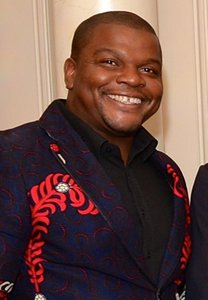
Kehinde Wiley
1977 - , United States of America
Quick Facts
- Artistic Movement Or Style: Contemporary realism
- Artists Who Influenced This Artist:
- Jacques-Louis David
- Titian
- Reynolds
- Date Of Birth: 1977
- Full Name: Kehinde Wiley
- Nationality: American
- Notable Artworks:
- Christian Martyr Tarcisius
- Napoleon Leading the Army…
- Portrait of Barack Obama
- Place Of Birth: Los Angeles, USA
Related Articles
The Enduring Legacy of Formal Portraiture: Power, Identity & Artistic Exploration
Explore the rich history of formal portraiture & its enduring power to capture identity and shape perception. Discover investment-worthy artworks, expert appraisals, and custom reproduction services at ArtsDot.
The Grandeur of Presence: Exploring Representations of Stately Bearing in Western Portraiture
Explore the art of stately bearing in Western portraiture with expert analysis of Renaissance & Baroque masterpieces. Discover symbolism, techniques, and the legacy of iconic portraits – a guide for discerning collectors.
The Enduring Gaze: Portraiture's Historical & Psychological Evolution
Explore the rich history of portraiture with expert analysis from ArtsDot. Discover iconic Renaissance masterpieces, symbolism & techniques that shaped identity. Find museum-quality art for your collection.
The Enduring Gaze: A Historical & Artistic Exploration of Portraiture Across Cultures
Explore the rich history of portraiture with ArtsDot.com! Discover symbolism, techniques & master artists from antiquity to modern times. Expert insights for art collectors.
The Enduring Gaze: A Historical & Artistic Exploration of Portraiture Across Movements
Explore the rich history of portraiture with ArtsDot.com! Discover iconic masterpieces, influential artists & movements. Expert analysis for collectors and enthusiasts. Find your perfect artwork today.

