 Preview
 Send
Send Share
Share
 Details

 Download
 Similars
 X-Ray
X-Ray Diaporama
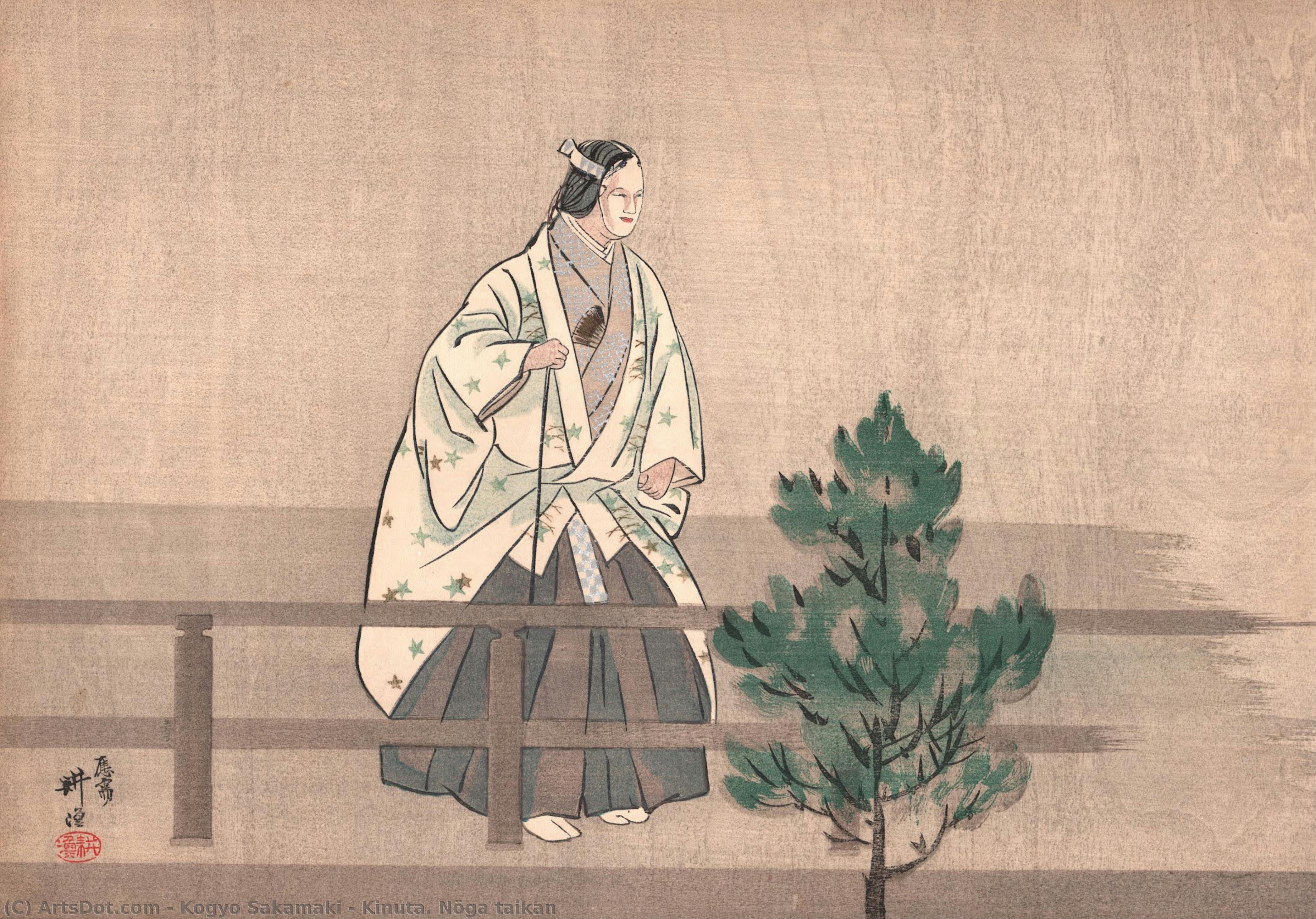
Kinuta. Nöga taikan
 Woodblock Print
- Ukiyo-e
 1926
1926- Modern
 26.0 x 36.0 cm
 Bujalance Collection
 Read More
Giclée / Art Print
Museum-quality giclée or canvas print with fast production and flexible finish options. ( Buy Hand Made Painting Buy Image)




P118B $10

P118H $10

P118W $10

P438Z $10

P508JH $12

P508YH $12

P805H $10

P805Z $10

P919BZ $10

P919G $10

P919XJ $10

P959ZH $10

P968JZ $12

W106C $8

W218G $10

W218JH $8

W218Y $10

W307PJ $10

W316G $10

W316PJ $8

W316Y $10

W398PJ $8

W4111J $10

W500HY $15

W500JH $15

W692G $12

W849H $8

W940BG $15

W953PJ $8




Pick from our preset sizes that match the artwork's original proportions.

You may enter your own dimensions to fit a specific frame or space. If your selected size does not match the original image's proportions, we will either crop the artwork or extend the image with a mirrored or solid-fill edge. A digital mockup will be sent for your approval before production begins.
Please note that the on-screen preview does not reflect the actual cropping or extension. Only the mockup will accurately show the final composition.
While custom sizes are available, we recommend selecting a dimension from the predefined list to preserve the original proportions.
Worldwide Delivery () in 2 weeks instead of standard 4/5 weeks. (23 August)

Free Worldwide Express Shipping

High-Quality Linen Canvas

Full Shipping Insurance

Customs Tax Refund Guarantee

True Color Matching Guarantee

60-Day Return Policy (Defects Only)

100% Money-Back Guarantee

Bulk Discount Offer
 Glass option is only available in size under 110 CM

Kinuta. Nöga taikan
Giclée / Art Print
Reproduction Size
-


Total Price
$ 63
Collectible Description
A Poetic Encounter with Tradition
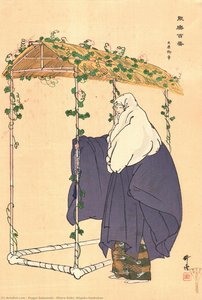
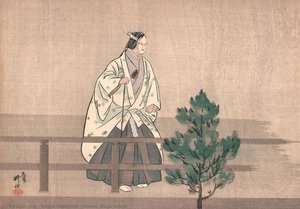
In the delicate interplay of light and shadow within Kinuta. Nöga taikan, we are transported to a serene moment in Japanese history, captured through the masterful lens of Kōgyo Sakamaki. The artwork presents a captivating scene of a woman dressed in exquisite traditional attire, standing in quiet contemplation beside a slender tree. There is an undeniable sense of stillness in her posture, as if she is caught in a fleeting breath between the movements of a ritual. As she holds what appears to be a kite or a ceremonial object, the composition draws the viewer into a world where the boundaries between humanity and the natural landscape blur. The presence of a rustic fence provides a subtle structural depth, guiding the eye through a landscape that feels both intimate and expansive, inviting anyone who views this piece to step into a state of profound tranquility.
The technical brilliance of this work lies in its connection to the ukiyo-e tradition, specifically the refined woodblock printing techniques that Sakamaki perfected during the late Meiji and Taisho eras. Every line serves a purpose, from the flowing drapery of the woman's long dress to the intricate details of her headdress, which speaks to her cultural heritage and social standing. The artist utilizes a palette that evokes the soft, muted tones of a twilight garden, creating an atmosphere that is both nostalgic and timeless. For the discerning collector or interior designer, this piece offers more than just visual beauty; it provides a window into a sophisticated aesthetic where every element—the texture of the clothing, the silhouette of the tree, and the weight of the air—is rendered with meticulous care.
The Soul of Noh and the Legacy of Sakamaki
To understand the emotional resonance of this print, one must look toward the historical heartbeat of Japan: the Noh theatre. Kōgyo Sakamaki, often celebrated as the "Poet of Noh," dedicated much of his life to capturing the spiritual essence of this ancient dramatic form. His series Nöga taikan, produced between 1926 and 1927, represents a pinnacle of his ability to translate the solemnity and grace of Noh rituals into visual art. While the subject matter here focuses on a singular, quiet moment, it carries the DNA of those grander theatrical traditions—the slow, elegant movements, the masks that reveal hidden emotions, and the deep connection to the cycles of nature and harvest.
This artwork functions as a bridge between the ephemeral beauty of a single moment and the enduring weight of cultural history. The symbolism of the tree and the woman’s connection to her surroundings suggests a harmony with the earth that is central to Japanese philosophy. For those seeking to adorn a space with art that inspires reflection, this reproduction offers an unparalleled opportunity. It brings into a modern interior a sense of historical gravity and a peaceful, meditative energy, making it a profound choice for any curated collection focused on East Asian mastery and the timeless elegance of the Japanese spirit.
Related Artworks
![Neko No Shibai 猫の芝居 [cat Theatre] — Utagawa Kunimasa, Ukiyo-e](/media/artworks/images-thumb/94/a5/94a54e4879ac44853d6307509f6732d0.jpg)
Artist Biography
Kōgyo Sakamaki (1869–1927): The Poet of Noh
Kōgyo Sakamaki, whose name translates to “Moonlit Harvest,” stands as one of Japan’s most revered printmakers of the Meiji era (1868–1912), a period marked by rapid modernization and cultural introspection. Born Henyu Bennosuke in Nihonbashi, Tokyo—a bustling district at the heart of Edo’s commercial center—his artistic journey began under the tutelage of Tsukioka Yoshitoshi, arguably Japan's foremost ukiyo-e artist, a figure who profoundly shaped Sakamaki’s aesthetic sensibilities and lifelong devotion to Noh theatre. This dedication would define his oeuvre, resulting in over 550 prints that capture the essence of this ancient Japanese dramatic tradition with unparalleled sensitivity and artistry.- Early Life & Training: Sakamaki's formative years were spent assisting his father in running an inn while simultaneously immersing himself in pottery painting under his uncle’s guidance—a grounding experience that instilled a meticulous attention to detail and craftsmanship. Crucially, he enrolled at Tokyo School of Fine Arts at the age of fifteen, where he honed his artistic skills alongside Yoshitoshi, absorbing the master's techniques and fostering an appreciation for Western influences alongside traditional Japanese aesthetics.
- The Influence of Yoshitoshi: Yoshitoshi’s marriage to Sakamaki’s mother cemented their familial bond and provided Sakamaki with invaluable mentorship. Yoshitoshi championed Noh theatre as a form of artistic expression, recognizing its profound connection to Japanese culture and history—a conviction that ignited Sakamaki's own passion for the genre.
- Collaboration with Gekkō: Following Yoshitoshi’s death in 1892, Sakamaki continued his artistic pursuits under the guidance of Ogata Gekkō, another titan of Meiji printmaking. Gekkō encouraged Sakamaki to explore watercolor techniques and synthesize Western influences with traditional Japanese sensibilities—a stylistic fusion that would become a hallmark of Sakamaki’s distinctive visual language.
Noh Theatre Prints: A Legacy of Observation & Emotion
Sakamaki's artistic focus centered on Noh theatre, a ritualistic form of drama characterized by stylized movements, chanting, and masks—a tradition that had undergone significant transformation since its origins in feudal Japan. Recognizing the challenges faced by Noh as it navigated the pressures of modernization, Sakamaki sought to preserve its cultural heritage through meticulously crafted prints. He undertook extensive research into Noh performance practices, documenting costumes, postures, and facial expressions with remarkable precision.- Series Creation: Sakamaki produced three monumental print series—*Hanjo*, *Ikarikazuki*, and *Fuji*—each representing a comprehensive portrayal of Noh plays. These prints are not merely reproductions; they are imbued with palpable emotion and convey the spirit of Noh’s rituals and aesthetics.
- Technique & Style: Sakamaki employed a distinctive watercolor-like technique, layering translucent washes to achieve luminous effects that captured the subtle nuances of Noh theatre—a stylistic innovation that distinguished him from his contemporaries.
Critical Recognition & Artistic Significance
Sakamaki’s work garnered widespread acclaim both in Japan and internationally. He was awarded a prize at the Panama Pacific International Exposition in San Francisco in 1915 for his woodcut “The Horse Market at Kiso,” cementing his reputation as one of Japan's foremost printmakers. His prints continue to be studied by scholars and admired by collectors alike, serving as invaluable documents of Noh theatre’s cultural history and embodying the artistic ideals of the Meiji era—a testament to Sakamaki’s enduring legacy as a master of ukiyo-e and a poet of Japanese tradition.Posthumous Legacy & Continued Appreciation
Despite his untimely death in 1927, Sakamaki's influence persists through the work of his student, Sufo, who continued to produce prints inspired by Sakamaki’s vision—a continuation of his artistic spirit that ensures his contribution to Japanese art history remains vibrant and relevant. His prints reside in major collections worldwide, including the University of Pittsburgh, where they are celebrated as masterpieces of ukiyo-e artistry and embodiments of Japan's cultural heritage.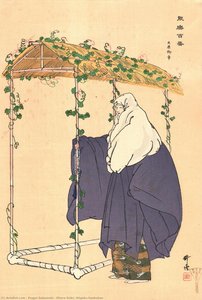
kogyo sakamaki
1869 - 1927 , Japan
Quick Facts
- Artistic Movement Or Style: Noh Theatre Prints
- Artists Or Movements Influenced By This Artist: ['Ukiyo-e']
- Artists Who Influenced This Artist:
- Tsukioka Yoshitoshi
- Ogata Gekkō
- Date Of Death: 1927
- Full Name: Tsukioka Kōgyo 月岡耕漁
- Nationality: Japanese
- Notable Artworks:
- Hanjo. Nögaku hyakuban
- Ikarikazuki. Nögaku Zue
- Fuji. Nögaku Zue
- Place Of Birth: Tokyo, Japan
Related Articles
Serenity on Canvas: A Guide to the Timeless Beauty of Japanese Landscape Painting
Discover the serene beauty of Japanese landscape painting. From Hokusai's iconic woodblock prints to meditative sumi-e ink washes, explore a visual journey through the 'floating world' and learn how to bring this timeless Zen aesthetic into your modern home decor.

Hokusai's Masterpieces: 25 Iconic Prints & Paintings for Art Lovers | ArtsDot
Journey through Katsushika Hokusai’s 25 most iconic artworks, including *The Great Wave*. Explore the ukiyo-e master's history, style & timeless Japanese woodblock prints. Find museum-quality reproductions for your home at ArtsDot.com.
Floating World: The Captivating Art and Legacy of Japanese Ukiyo-e
Explore the profound beauty of Japanese Ukiyo-e. Discover the history, masters like Hokusai, and the enduring legacy of the 'Floating World' through an expert art-historical lens.
Léonard Foujita: A Poetic Synthesis of Japanese Sensibility & European Modernism
Discover the captivating world of Léonard Foujita, a master bridging Japanese aesthetics & European Modernism. Explore his signature style, diverse works, and enduring legacy – essential reading for discerning art collectors.
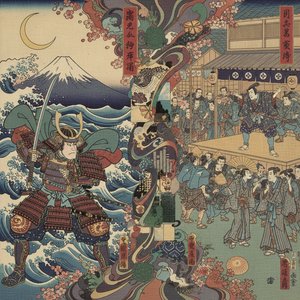
Utagawa Kuniyoshi: A Master of Japanese Ukiyo-e – Narrative Innovation & the Fusion of Tradition with Popular Culture
Explore the captivating world of Utagawa Kuniyoshi, a master of Japanese ukiyo-e woodblock prints. Discover his innovative warrior scenes, vibrant landscapes & lasting legacy in 19th-century art history.