 Preview
 Send
Send Share
Share
 Details

 Download
 Similars
 X-Ray
X-Ray Diaporama
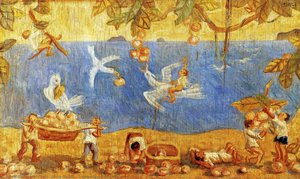
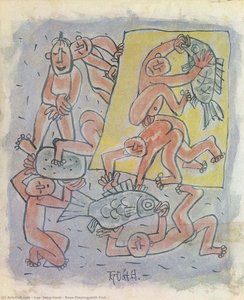
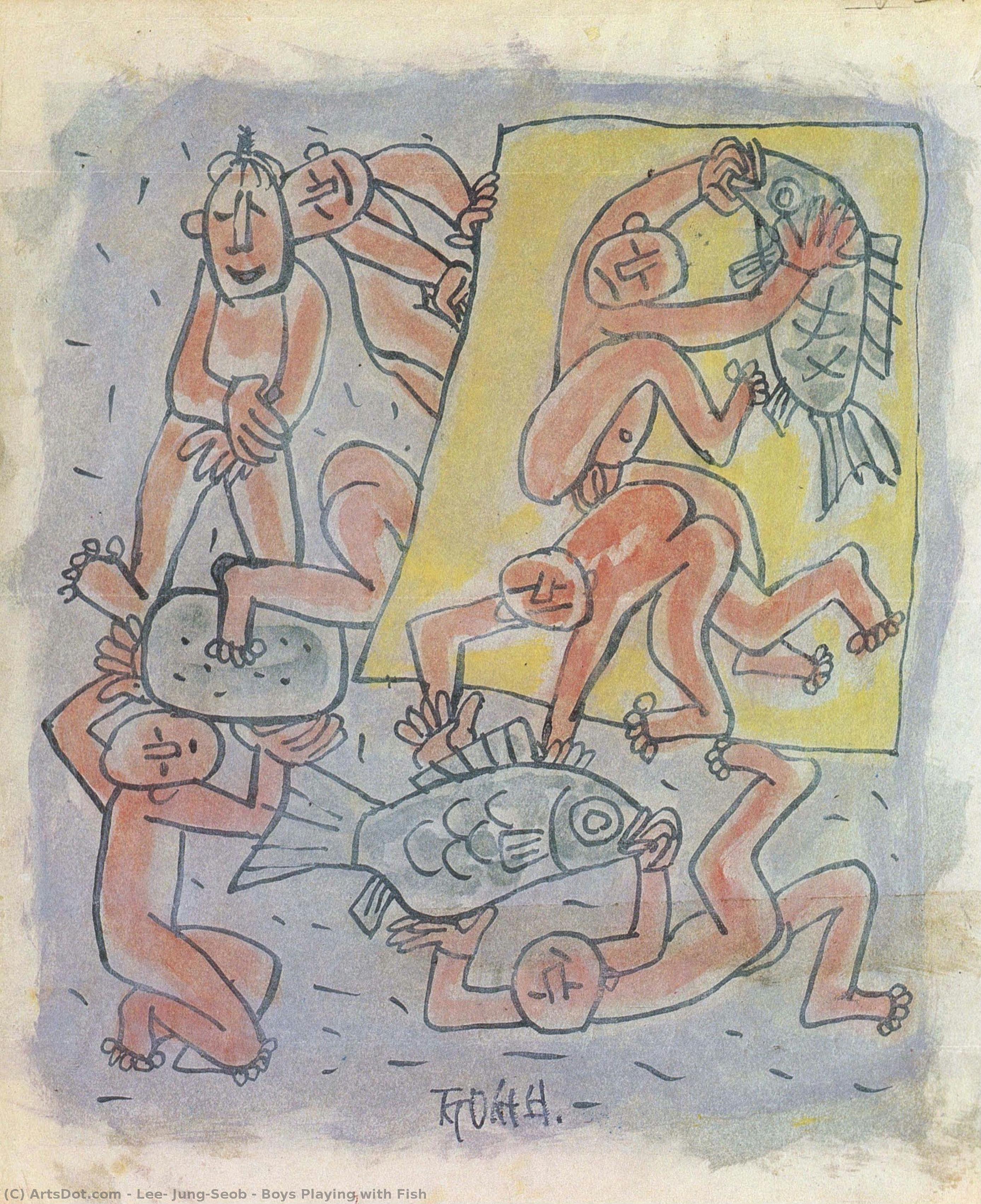
Boys Playing with Fish
 Acrylic On Canvas
- WallArt
- Modern Korean Art
 20.0 x 23.0 cm
 National Museum of Korea
 Read More
Hand Made Oil Reproduction
Hand-painted oil on canvas in your size and frame, made to order by our artists. ( Buy Print Buy Image)




P118B $10

P118H $10

P118W $10

P438Z $10

P508JH $12

P508YH $12

P805H $10

P805Z $10

P919BZ $10

P919G $10

P919XJ $10

P959ZH $10

P968JZ $12

W106C $8

W218G $10

W218JH $8

W218Y $10

W307PJ $10

W316G $10

W316PJ $8

W316Y $10

W398PJ $8

W4111J $10

W500HY $15

W500JH $15

W692G $12

W849H $8

W940BG $15

W953PJ $8




Pick from our preset sizes that match the artwork's original proportions.

You may enter your own dimensions to fit a specific frame or space. If your selected size does not match the original image's proportions, we will either crop the artwork or extend the painting with additional hand-painted elements. A digital mockup will be sent for your approval before production begins.
Please note that the on-screen preview does not reflect the actual cropping or extension. Only the mockup will accurately show the final composition.
While custom sizes are available, we recommend selecting a dimension from the predefined list to preserve the original proportions.
After order, ArtsDot.com team will email client for instructions and provide a mockup preview
Worldwide Delivery () in 3/4 weeks instead of standard 5 weeks. (17 August). No compromise on quality.

Free Worldwide Express Shipping

High-Quality Linen Canvas

Full Shipping Insurance

Customs Tax Refund Guarantee

True Color Matching Guarantee

60-Day Return Policy (Defects Only)

100% Money-Back Guarantee

Bulk Discount Offer
 Glass option is only available in size under 110 CM

Boys Playing with Fish
Reproduction Medium
Reproduction Size
-


Total Price
$ 263
Artwork Description
Lee Jung-seob: A Pioneer of Korean Modernism
Lee Jung-seob (April 10, 1916 in Pyeongannamdo – September 6, 1956 in Seoul) stands as a monumental figure in Korean art history—a sculptor and painter who bravely navigated the turbulent currents of Japanese colonialism and the devastating Korean War to forge an enduring legacy of artistic innovation. Born into a wealthy family amidst the oppressive grip of imperial rule, Lee’s formative years instilled within him a profound appreciation for tradition intertwined with a yearning for progressive expression, shaping his distinctive artistic vision. His early fascination with Goguryeo tomb murals ignited a lifelong passion for monumental art and inspired him to explore themes of Korean identity and spirituality.- Early Influences: Lee’s artistic journey commenced at Jongno Primary School in Pyongyang where he encountered the grandeur of Goguryeo tomb murals—a pivotal experience that instilled within him an unwavering commitment to capturing the essence of Korean heritage through monumental sculpture and painting.
- Education & Artistic Style: He pursued his studies diligently at Osan High School, honing his skills under Im Yong Ryeon, a teacher who championed avant-garde ideals amidst Japanese rule. Bunka Gakuin provided him with an unparalleled liberal education, fostering his exploration of Fauvist tendencies and liberating artistic expression.
White Ox: The Iconic Masterpiece
Lee Jung-seob’s magnum opus, “White Ox,” exemplifies his masterful command of oil paint—a technique he adopted during his formative years at Bunka Gakuin—to convey profound emotional depth and symbolic resonance. This monumental sculpture, completed in 1947, embodies Lee's unwavering belief in the transformative power of art to communicate universal human experiences. The ox, a symbol of strength, fertility, and prosperity within Korean culture, serves as the central motif—a deliberate choice reflecting Lee’s desire to honor his ancestral roots while simultaneously asserting artistic independence. Its serene posture and luminous surface capture not only visual beauty but also an intangible sense of peace and contemplation.Exploring Themes of Family & Identity
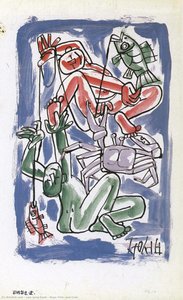
Throughout his oeuvre, Lee Jung-seob consistently addressed themes of family—particularly the profound impact of loss—and Korean identity—a preoccupation born from confronting the challenges posed by Japanese colonialism and the subsequent Korean War. His paintings “Family and Pigeon” and “Boys, Fish, and Crab,” executed during his time on Jeju Island, demonstrate a remarkable sensitivity to capturing fleeting moments of domestic tranquility amidst hardship. The artist’s masterful use of watercolor—another technique he embraced—allows for delicate tonal gradations that convey subtle nuances of emotion and atmosphere.Legacy & Influence
Lee Jung-seob's artistic contributions cemented his place as a cornerstone of Korean Modernism, inspiring subsequent generations of artists to embrace bold experimentation and unwavering devotion to artistic integrity. His enduring influence can be seen in the works of fellow sculptors and painters who sought to emulate his distinctive style—characterized by monumental scale, luminous color palettes, and profound symbolic depth. Today, Lee Jung-seob’s sculptures reside prominently within the National Museum of Korea in Seoul, serving as a testament to his artistic genius and an enduring symbol of Korean cultural heritage.Related Artworks
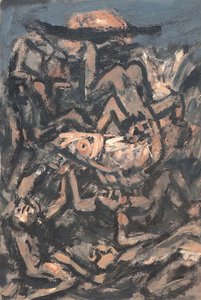
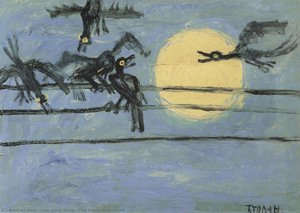
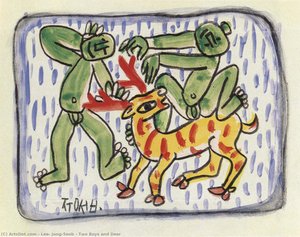
Artist Biography
a korean master of oil paintings
lee, jung-seob, a prominent south korean artist, left an indelible mark on the art world with his captivating oil paintings. born in pyeongannamdo, south korea in 1916, lee's artistic journey was marked by innovation and a deep connection with his heritage.artistic contributions
lee jung-seob is best known for his iconic piece 'white ox', a testament to his skillful use of oil paints. this masterpiece, among others, showcases his unique style that blends traditional korean elements with modern techniques.- key works:
- family and pigeon (national museum of korea, seoul, south korea) - a poignant oil on paper piece.
- boys, fish, and crab (national museum of korea, seoul, south korea) - a watercolor showcasing lee's versatility.
- two boys and deer (national museum of korea, seoul, south korea) - another example of his watercolor prowess.
- museums featuring his work:
- national museum of korea (seoul, south korea)
legacy and influence
lee jung-seob's passing in seoul in 1956 marked the end of an era but also paved the way for future generations of korean artists. his influence can be seen in the works of many contemporary korean painters. explore more of lee jung-seob's art: [https://ArtsDot.com/@/lee-jung-seob](https://ArtsDot.com/@/lee-jung-seob) | discover an extensive collection of his paintings on ArtsDot. learn about other renowned artists: /en/art/list/ | browse through the list of greatest artists at ArtsDot.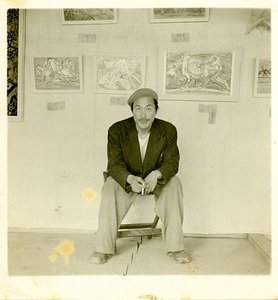
lee, jung-seob
1916 - 1956 , South Korea
Quick Facts
- Artistic Movement Or Style: Modern Korean Art
- Artists Or Movements Influenced By This Artist: ['Fauvism']
- Artists Who Influenced This Artist: ['Goguryeo tomb murals']
- Date Of Birth: April 10, 1916
- Date Of Death: September 6, 1956
- Full Name: Lee Jung-seob
- Nationality: Korean
- Notable Artworks:
- White Ox
- Family & Pigeon
- Boys, fish, crab
- Place Of Birth: Pyeongannamdo, Korea
Related Articles

White on Canvas: 10 Masterpieces & Timeless Elegance for Your Home Decor
Explore 10 iconic white paintings by Monet, Whistler & Rothko! Discover the stories behind these serene masterpieces and their impact on art history. Find museum-quality reproductions for your home decor at .

The Enduring Legacy of Oil on Canvas: Technique, History & Aesthetic Impact
Explore the rich history & techniques of oil painting – from Renaissance masters to Impressionism. Discover pigments, layering methods, and why this timeless medium endures. Expert insights for artists & art enthusiasts.

Oil on Canvas: A Historical & Technical Exploration of a Timeless Artistic Medium
Explore the rich history & enduring techniques of oil painting on canvas. Discover the science behind its longevity, conservation practices, and contemporary relevance. Expert insights for art enthusiasts.

The Enduring Power of Painting: A Historical & Contemporary Exploration of Form and Emotion
Explore the rich history & enduring techniques of oil painting with ArtsDot. Discover masterpieces, learn about art collecting, and find authentic handmade reproductions crafted by skilled artists.

The Enduring Legacy of Oil on Canvas: Technique, History & Contemporary Practice
Explore the rich history & enduring techniques of oil painting on canvas. Discover the science behind its longevity, conservation practices, and contemporary relevance. Expert insights for art enthusiasts.