 Preview
 Send
Send Share
Share
 Details

 Download
 Similars
 X-Ray
X-Ray Diaporama
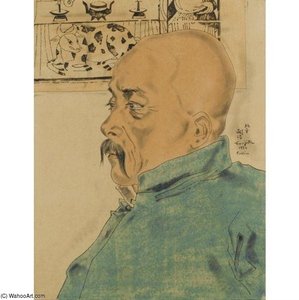
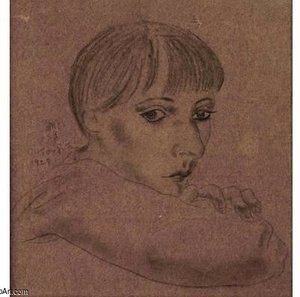
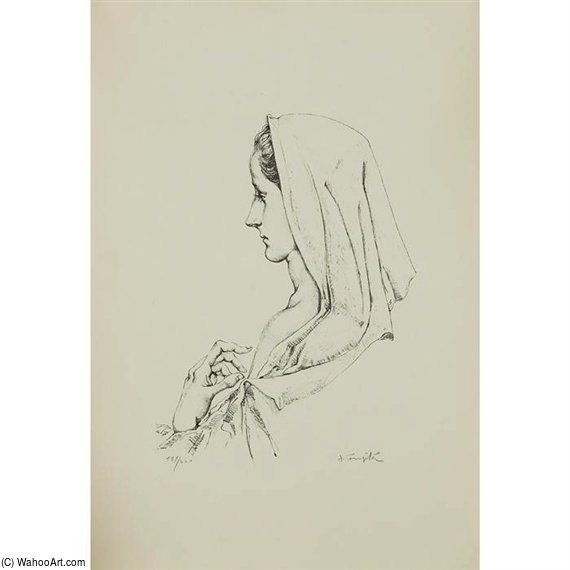
Woman In Profile

 Read More
Hand Made Oil Reproduction
Hand-painted oil on canvas in your size and frame, made to order by our artists. ( Buy Print Buy Image)




P118B $10

P118H $10

P118W $10

P438Z $10

P508JH $12

P508YH $12

P805H $10

P805Z $10

P919BZ $10

P919G $10

P919XJ $10

P959ZH $10

P968JZ $12

W106C $8

W218G $10

W218JH $8

W218Y $10

W307PJ $10

W316G $10

W316PJ $8

W316Y $10

W398PJ $8

W4111J $10

W500HY $15

W500JH $15

W692G $12

W849H $8

W940BG $15

W953PJ $8




Pick from our preset sizes that match the artwork's original proportions.

You may enter your own dimensions to fit a specific frame or space. If your selected size does not match the original image's proportions, we will either crop the artwork or extend the painting with additional hand-painted elements. A digital mockup will be sent for your approval before production begins.
Please note that the on-screen preview does not reflect the actual cropping or extension. Only the mockup will accurately show the final composition.
While custom sizes are available, we recommend selecting a dimension from the predefined list to preserve the original proportions.
After order, ArtsDot.com team will email client for instructions and provide a mockup preview
Worldwide Delivery () in 3/4 weeks instead of standard 5 weeks. (1 September). No compromise on quality.

Free Worldwide Express Shipping

High-Quality Linen Canvas

Full Shipping Insurance

Customs Tax Refund Guarantee

True Color Matching Guarantee

60-Day Return Policy (Defects Only)

100% Money-Back Guarantee

Bulk Discount Offer
 Glass option is only available in size under 110 CM

Woman In Profile
Reproduction Medium
Reproduction Size
-


Total Price
$ 263
Woman In Profile: A Study in Quiet Contemplation
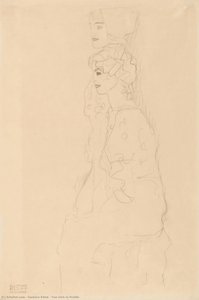
A monochrome portrait by Léonard Tsuguharu Foujita, “Woman In Profile,” transcends mere representation; it embodies a profound stillness that speaks volumes about the artist’s vision and his masterful command of line and tone. Executed with graphite pencil on paper, this artwork exemplifies Foujita's distinctive approach – a harmonious fusion of Japanese artistic heritage and European modernist sensibilities. The drawing captures a woman’s face in profile, bathed in soft diffused light, creating an atmosphere of serene introspection that draws the viewer into its contemplative gaze.Composition & Technique: Line Work as Emotional Expression
Foujita's technique is characterized by meticulous line work combined with subtle tonal shading. Fine, flowing lines delineate the contours of the woman’s face and hair, skillfully capturing the delicate nuances of form and texture. Hatching and cross-hatching techniques are employed to build up layers of gray, generating depth and enhancing the overall visual impact. This deliberate approach isn't simply about replicating reality; it’s about conveying emotion through controlled marks on paper—a hallmark of Foujita’s artistic philosophy. The artist prioritizes capturing not just what is seen but also how it feels.Historical Context & Artistic Influences
Born in Tokyo in 1886, Léonard Tsuguharu Foujita emerged during a pivotal moment in art history – the early years of Parisian Modernism. While steeped in traditional Japanese painting traditions, Foujita embraced influences from Impressionism and Expressionism, resulting in a style that is both aesthetically refined and emotionally resonant. His work reflects a fascination with capturing fleeting moments of beauty alongside underlying melancholy—a sensibility deeply rooted in Japanese aesthetics. The drawing’s quiet dignity aligns perfectly with the artistic currents of its time, demonstrating Foujita's ability to synthesize disparate influences into a singular, unforgettable vision.Symbolism & Emotional Resonance: The Weight of Reflection
The woman’s downward gaze is arguably the artwork’s most striking element—a gesture that invites contemplation and suggests an inner world brimming with unspoken thoughts. This posture speaks to themes of introspection and vulnerability, mirroring the broader artistic preoccupation with psychological depth prevalent in Expressionist circles. Furthermore, the headscarf serves as a subtle emblem of modesty and tradition, anchoring the portrait within its cultural context. “Woman In Profile” isn’t merely a depiction; it's an invitation to consider questions of identity, emotion, and the human condition—a testament to Foujita’s enduring artistic legacy.Ideal Reproduction: Bringing Quiet Elegance Home
A high-quality reproduction of “Woman In Profile” allows art enthusiasts and collectors alike to experience the artwork’s captivating beauty firsthand. ArtsDot.com offers meticulously crafted reproductions that faithfully capture the original drawing's tonal subtleties and textural nuances, ensuring that its serene atmosphere and profound emotional impact are preserved for generations to come. Explore the artwork at here.Related Artworks
Artist Biography
A Fusion of Worlds: The Life and Art of Léonard Tsuguharu Foujita
Léonard Tsuguharu Foujita, a name that resonates with the vibrant energy of early 20th-century Paris and the delicate grace of Japanese artistic tradition, was an artist who defied easy categorization. Born in Tokyo in 1886, his journey took him from the rigorous training of traditional Japanese painting to the heart of the European avant-garde, where he forged a unique style that blended Eastern sensibilities with Western modernism. Foujita wasn’t merely a painter; he was a cultural bridge, a flamboyant personality, and a master of capturing both beauty and melancholy on canvas.
His early life provided a solid foundation for his artistic pursuits. His father, Fujita Tsuguakira, served as an army medical director, instilling in young Léonard a sense of discipline alongside an appreciation for aesthetics. Even as a primary school student, he demonstrated a keen interest in painting, creating watercolors that hinted at the talent to come. He formally studied yōga – Western-style painting – at the Tokyo National University of Fine Arts and Music, benefiting from the guidance of Seiki Kuroda, a pivotal figure in Japanese art education. Simultaneously, he immersed himself in nihonga, traditional Japanese painting, absorbing techniques that would later become integral to his signature style. These formative years instilled in him a dual perspective, an ability to see the world through both Eastern and Western eyes.
Parisian Rhapsody: A Life Among Artists
In 1913, Foujita embarked on a transformative journey, relocating to Paris – a city then pulsating with artistic innovation. He sought immersion in the European art scene, eager to contribute his voice to the burgeoning modernist movement. It wasn’t long before he became an integral part of the Montparnasse community, befriending some of the most influential artists of the era: Amedeo Modigliani, Chaim Soutine, Fernand Léger, Juan Gris, Pablo Picasso, and Henri Matisse all entered his circle. This vibrant exchange of ideas profoundly shaped his artistic development.
Foujita’s early Parisian works reflected this synthesis of influences. He masterfully combined Japanese ink techniques – particularly the delicate washes and precise lines – with Western painting styles. Portraits, nudes, and still lifes became his favored subjects, each imbued with a distinctive blend of sensuality and restraint. The 1922 portrait of Kiki de Montparnasse, a celebrated muse of the era, catapulted him to recognition and commercial success. This work exemplified his ability to capture not only physical beauty but also an underlying sense of vulnerability and introspection. Perhaps most famously, cats began to appear frequently in his art, becoming a recurring motif that symbolized grace, tranquility, and companionship. His book of cat etchings, published in 1930, garnered international acclaim, solidifying his reputation as the “cat painter” of Paris.
Wartime Shadows and Spiritual Awakening
The early 1930s saw Foujita embark on extensive travels through South and North America, exhibiting his work to enthusiastic audiences. However, his return to Japan in 1933 marked a turning point – one shadowed by the rising tide of nationalism and militarism. He became involved in creating propaganda art for the Japanese military during World War II, a period that remains controversial due to its association with wartime ideology. This decision cast a long shadow over his legacy, prompting criticism both during and after the war.
Following Japan’s defeat, Foujita faced difficulties reintegrating into the Japanese art scene. The post-war climate was unforgiving, and he struggled to find acceptance. Seeking a more welcoming environment, he returned to France in 1950. Yet, it wasn't until a profound spiritual awakening in 1959 that his artistic path found renewed purpose. A visit to the Abbey of Saint-Remi Basilica in Reims led to his conversion to Roman Catholicism, inspiring him to design and build the Foujita Chapel within the basilica’s grounds. This chapel became his magnum opus – a breathtaking space adorned with frescoes and stained glass windows that reflected his deeply held religious beliefs.
A Lasting Legacy: Bridging East and West
Léonard Tsuguharu Foujita continued to paint and create art until his death in Zürich, Switzerland, in 1968. His legacy is complex, encompassing both artistic innovation and the ethical complexities of wartime involvement. He remains a significant figure in the School of Paris, celebrated for his unique style that seamlessly blended Japanese ink techniques with European modernism. His exploration of themes such as beauty, melancholy, spirituality, and cultural identity continues to resonate with audiences today.
Foujita’s art serves as a powerful reminder of the interconnectedness of cultures and the enduring power of artistic expression to transcend boundaries. He was an artist who dared to be different, embracing both his Japanese heritage and his adopted European identity. His work stands as a testament to the transformative potential of cultural exchange and the enduring allure of a truly original vision.
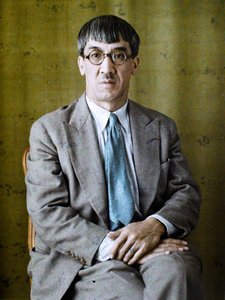
Léonard Tsuguharu Foujita
1886 - 1968 , Japan
Quick Facts
- Artistic Movement Or Style: School of Paris, Expressionism
- Artists Or Movements Influenced By This Artist: School of Paris
- Artists Who Influenced This Artist:
- Seiki Kuroda
- Amedeo Modigliani
- Fernand Léger
- Date Of Birth: November 27, 1886
- Date Of Death: January 29, 1968
- Full Name: Léonard Tsuguharu Foujita
- Nationality: Japanese, French
- Notable Artworks:
- Kiki de Montparnasse
- Le Chat
- Le PÉtit pekinois
- Place Of Birth: Tokyo, Japan
Related Articles
The Alchemy of Graphite: An Expert Guide to Mastering Detail and Depth in Pencil Sketching
Unlock the secrets of graphite sketching with our expert guide for art students. Learn to master pencil grades, create realistic depth, and capture intricate textures through professional techniques designed to elevate your observational drawing skills.

The Eloquent Line: Exploring the Artistic Significance of Sketches Across Movements and Media
Explore the profound artistic significance of sketches throughout history. From Renaissance masters to modern innovators like Van Gogh & Guston, discover how these foundational works reveal technique, emotion, and vision. Learn more at ArtsDot.
The Nuances of Graphite: Exploring Emotional Depth & Technical Mastery in Pencil Drawing
Explore the captivating world of graphite drawing! Discover its rich history, master essential techniques like chiaroscuro, and learn how artists evoke emotion through this timeless medium. Expert insights for art enthusiasts.
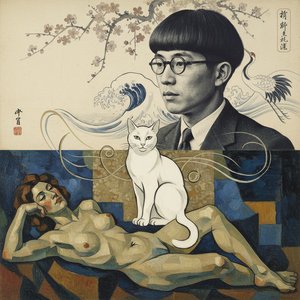
Léonard Foujita: A Poetic Synthesis of Japanese Sensibility & European Modernism
Discover the captivating world of Léonard Foujita, a master bridging Japanese aesthetics & European Modernism. Explore his signature style, diverse works, and enduring legacy – essential reading for discerning art collectors.
The Art of the Line: Discover Captivating Drawings to Transform Your Home with Sophisticated Minimalist Elegance
Elevate your home with the profound elegance of fine art drawings. From soulful charcoal sketches to minimalist line art, discover how captivating textures and masterful contours can transform your interior design. Explore expert curation for a sophisticated, meaningful living space.