 Preview
 Send
Send Share
Share
 Details

 Download
 Similars
 X-Ray
X-Ray Diaporama
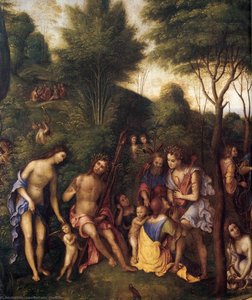
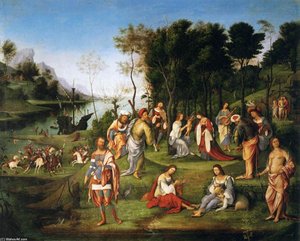
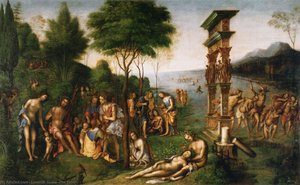
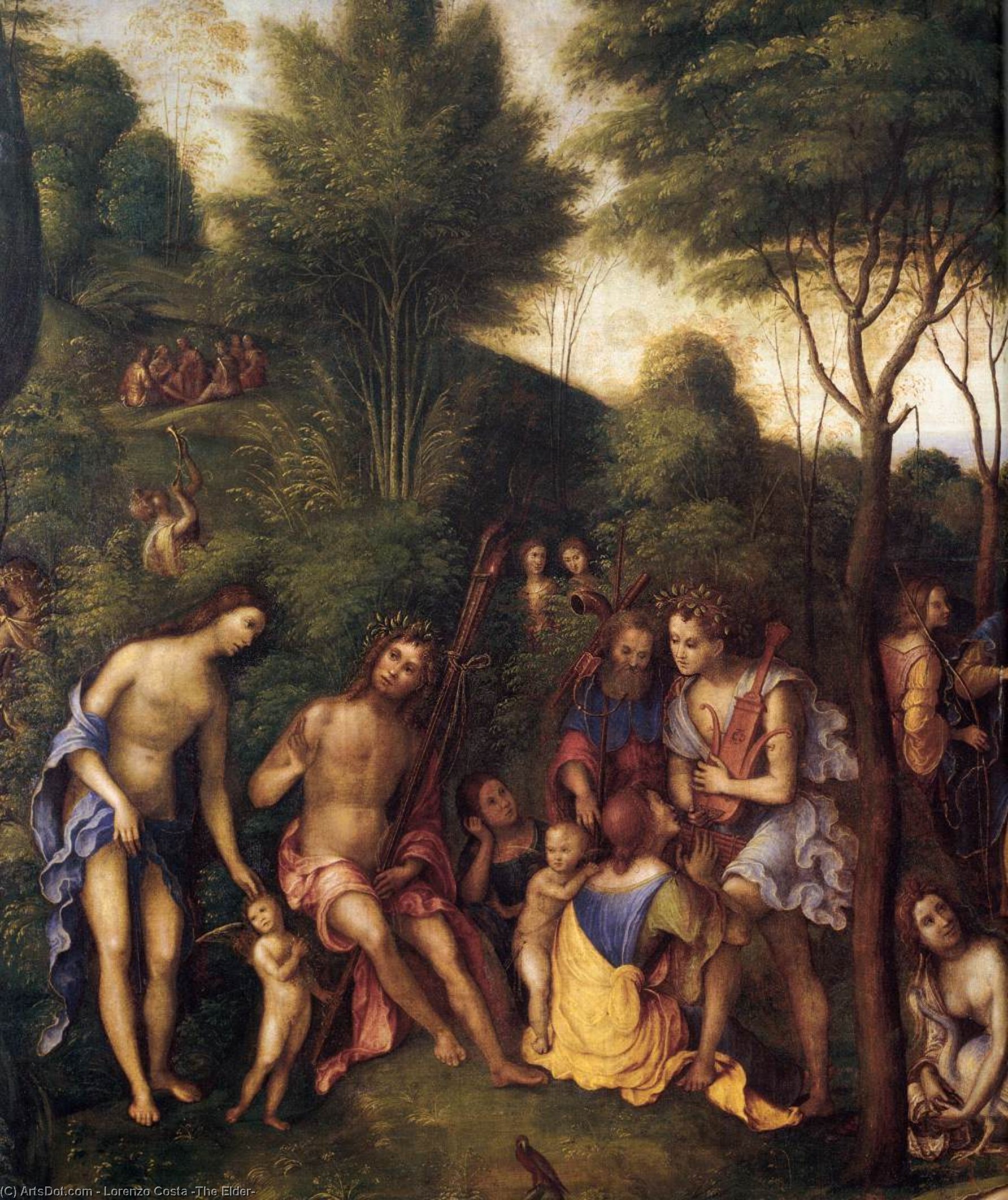
The Reign of Comus (detail)


 Read More
Hand Made Oil Reproduction
Hand-painted oil on canvas in your size and frame, made to order by our artists. ( Buy Print Buy Image)




P118B $10

P118H $10

P118W $10

P438Z $10

P508JH $12

P508YH $12

P805H $10

P805Z $10

P919BZ $10

P919G $10

P919XJ $10

P959ZH $10

P968JZ $12

W106C $8

W218G $10

W218JH $8

W218Y $10

W307PJ $10

W316G $10

W316PJ $8

W316Y $10

W398PJ $8

W4111J $10

W500HY $15

W500JH $15

W692G $12

W849H $8

W940BG $15

W953PJ $8




Pick from our preset sizes that match the artwork's original proportions.

You may enter your own dimensions to fit a specific frame or space. If your selected size does not match the original image's proportions, we will either crop the artwork or extend the painting with additional hand-painted elements. A digital mockup will be sent for your approval before production begins.
Please note that the on-screen preview does not reflect the actual cropping or extension. Only the mockup will accurately show the final composition.
While custom sizes are available, we recommend selecting a dimension from the predefined list to preserve the original proportions.
After order, ArtsDot.com team will email client for instructions and provide a mockup preview
Worldwide Delivery () in 3/4 weeks instead of standard 5 weeks. (17 August). No compromise on quality.

Free Worldwide Express Shipping

High-Quality Linen Canvas

Full Shipping Insurance

Customs Tax Refund Guarantee

True Color Matching Guarantee

60-Day Return Policy (Defects Only)

100% Money-Back Guarantee

Bulk Discount Offer
 Glass option is only available in size under 110 CM

The Reign of Comus (detail)
Reproduction Medium
Reproduction Size
-


Total Price
$ 263
Artwork Description
A Glimpse into Myth and Majesty
Lorenzo Costa’s “The Reign of Comus,” completed in 1511, isn't merely a painting; it’s a meticulously crafted window into the opulent world of Isabella d’Este, Marchioness of Mantua. This captivating work, now residing within the hallowed halls of the Louvre Museum, offers a vibrant tableau of celebration, intrigue, and the enduring power of myth – a testament to the Renaissance’s fascination with classical ideals and humanist thought. More than just a depiction of revelry, it's a carefully orchestrated visual poem, brimming with symbolism and reflecting the sophisticated tastes of its discerning patron.
(Image courtesy of Musée du Louvre)
A Courtly Celebration and a Complex Narrative
Commissioned for Isabella’s private studiolo – a miniature, richly decorated chamber designed as her personal sanctuary – “The Reign of Comus” embodies the spirit of Renaissance court life. The scene unfolds within a grand hall, overflowing with figures engaged in a joyous celebration. A central group, dominated by a woman dressed in blue and holding a baby, immediately draws the eye. Around her swirl musicians playing lutes and pipes, dancers twirling with abandon, and noblemen indulging in feasting and merriment. Yet, beneath this surface of exuberant festivity lies a complex narrative rooted in classical mythology.
The painting’s title refers to Comus, a figure from John Milton's epic poem *Paradise Lost*, representing the ideal of pastoral innocence and virtue. Costa skillfully weaves elements of this mythic character into the scene, suggesting a harmonious balance between earthly pleasures and spiritual ideals – a key theme within Isabella d’Este’s courtly world.
The Painter’s Technique: Softness and Atmospheric Depth
Lorenzo Costa was renowned for his distinctive style, characterized by a remarkable softness of color and an exceptional ability to create atmospheric depth. In “The Reign of Comus,” this is immediately apparent. The figures are rendered with delicate brushstrokes, their forms subtly blended into the surrounding space. He masterfully employs sfumato – a technique borrowed from Leonardo da Vinci – to soften edges and create a hazy, dreamlike quality. This contributes significantly to the painting’s overall sense of warmth and intimacy.
The use of rich, layered colors—deep reds, blues, golds, and greens—further enhances the visual impact. Notice how Costa uses light to guide the viewer's eye through the crowded scene, highlighting key figures and creating a dynamic interplay between illumination and shadow. The background, filled with trees and foliage, provides a sense of depth and reinforces the feeling that this is an outdoor celebration.
Symbolism and Historical Context
Beyond its immediate visual appeal, “The Reign of Comus” is laden with symbolism. The presence of musicians suggests harmony and artistic expression, while the dancers represent grace and elegance. The woman holding a baby symbolizes fertility and continuity – important themes within Renaissance art. Furthermore, the painting’s creation coincided with Isabella d'Este’s reign, a period marked by intellectual ferment and artistic patronage. She was a keen collector of art and literature, and her studiolo served as a showcase for her refined taste and humanist ideals.
The work’s commission reflects the importance of courtly entertainment and the celebration of human achievement during this era. It's a vibrant snapshot of a world where art, music, and social interaction were intertwined, creating an atmosphere of unparalleled splendor and intellectual stimulation. “The Reign of Comus” stands as a powerful reminder of the enduring legacy of the Renaissance and its profound influence on Western art.
Related Artworks

Artist Biography
The Painter of Myth and Faith: The Life of Lorenzo Costa
Lorenzo Costa (1460–1535) stands as a cornerstone figure within the flourishing artistic landscape of the Italian Renaissance, embodying the intellectual dynamism of the Ferrara and Bologna schools. Born in the vibrant city of Ferrara, Costa emerged during a period where the boundaries between spiritual devotion and humanist inquiry were beautifully blurred. His oeuvre is characterized by a distinctive blend of stylistic elegance and profound contemplation, a quality that allowed him to navigate the complex demands of both religious institutions and the most sophisticated secular courts of his era. Through his brush, the ethereal light of the divine met the structured grace of classical mythology, creating a visual language that resonated deeply with the Renaissance spirit.Formative Years and the Mastery of Light
While the archival records of Costa’s earliest years remain somewhat elusive, his artistic DNA was clearly forged in the workshops of Northern Italy. It is widely recognized that he underwent rigorous training under the master Francesco Francia in Bologna. This apprenticeship was transformative, instilling in him a meticulous attention to detail and an early fascination with the technique of sfumato—the subtle, smoky blending of tones popularized by Leonardo da Vinci. From Francia, Costa inherited a profound understanding of perspective and the dramatic use of chiaroscuro, which allowed him to sculpt figures out of shadow and imbue his compositions with an unprecedented sense of depth and emotional weight. This technical foundation enabled him to move beyond mere representation, seeking instead to capture the very atmosphere surrounding his subjects.The Splendor of the Mantuan Court
The zenith of Costa’s career was inextricably linked to his prestigious appointment as court painter to Isabella d'Este, the Marchioness of Mantua. As one of the most formidable and discerning patrons in European history, Isabella d'Este demanded art that functioned as both aesthetic triumph and intellectual puzzle. Under her watchful eye, Costa’s work evolved to embrace complex mythological allegories and humanist ideals. His paintings became much more than religious icons; they were sophisticated narratives designed for an audience of scholars and aristocrats. This period of his life was marked by:- The integration of classical Greek and Roman myths into contemporary Italian painting.
- A heightened focus on symbolic meaning, where every gesture and botanical detail carried weight.
- The refinement of a soft, atmospheric style that could convey the delicate grace required by courtly taste.
Legacy and Historical Significance
As the Renaissance progressed, Costa’s influence rippled through the artistic communities of Ferrara and Bologna, leaving an indelible mark on the development of the Italian school. His ability to harmonize the rugged, emotive traditions of the Ferrarese masters with the more lyrical, polished style of the Bolognese painters created a unique stylistic bridge. Even as new movements began to emerge, Costa’s dedication to the balance of beauty and narrative remained a standard for his successors. Today, he is remembered not merely as a skilled craftsman, but as a visionary who captured the soul of an age—an artist capable of making the ancient myths feel as immediate and breathing as the sacred figures of the Christian faith.
lorenzo costa (the elder)
1460 - 1535 , Italy
Quick Facts
- Artistic Movement Or Style: Ferrara & Bologna Schools
- Artists Who Influenced This Artist:
- Cosimo Tura
- Francesco Francia
- Date Of Birth: c. 1460 Ferrara, Italy
- Date Of Death: March 5, 1535
- Full Name: Lorenzo Costa il Vecchio
- Nationality: Italian Renaissance
- Notable Artworks:
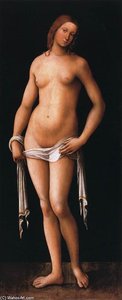
- Venus (detail)
- High Altarpiece, Oratory of S. Pietro in Vincoli
- Madonna and Saints
- Place Of Birth: Ferrara
Related Articles

Louvre Masterpieces: Explore the Top 25 Artworks for Your Home | ArtsDot
Journey through the Louvre's 25 most iconic artworks! Explore masterpieces by Leonardo da Vinci, Michelangelo & Delacroix. Discover art history, techniques & find museum-quality reproductions for your home at ArtsDot.com.
Echoes of Olympus: Mythological Narratives in Western Art Through the Ages
Explore the captivating history of mythological narratives in Western art! From ancient Greece to modern masterpieces, discover iconic artworks & symbolism. Expert analysis and high-quality reproductions at ArtsDot.
Civic Virtue and Artistic Rivalry: Patronage and Innovation in the Italian Renaissance Republics, 1400–1600
Explore the Italian Renaissance! Discover how competitive patronage & humanist ideals fueled artistic innovation in republics like Florence & Venice. Expert insights for art lovers and collectors.
Mario Sironi: A Poetic of Modern Italian Identity Through Symbolism & Social Commentary
Explore the profound works of Mario Sironi, a key figure in Italian Modernism. Discover his evolution from Futurism to Metaphysical painting and his powerful social commentary. Learn about his legacy at ArtsDot.
Carlo Carrà: Futurist Visions & Metaphysical Transformations in Early 20th-Century Italian Painting
Explore the artistic journey of Carlo Carrà, a pivotal figure in Italian Futurism & Metaphysical painting. Discover his dynamic compositions, collaborations with de Chirico, and lasting influence on modern art history.