 Preview
 Send
Send Share
Share
 Details

 Download
 Similars
 X-Ray
X-Ray Diaporama
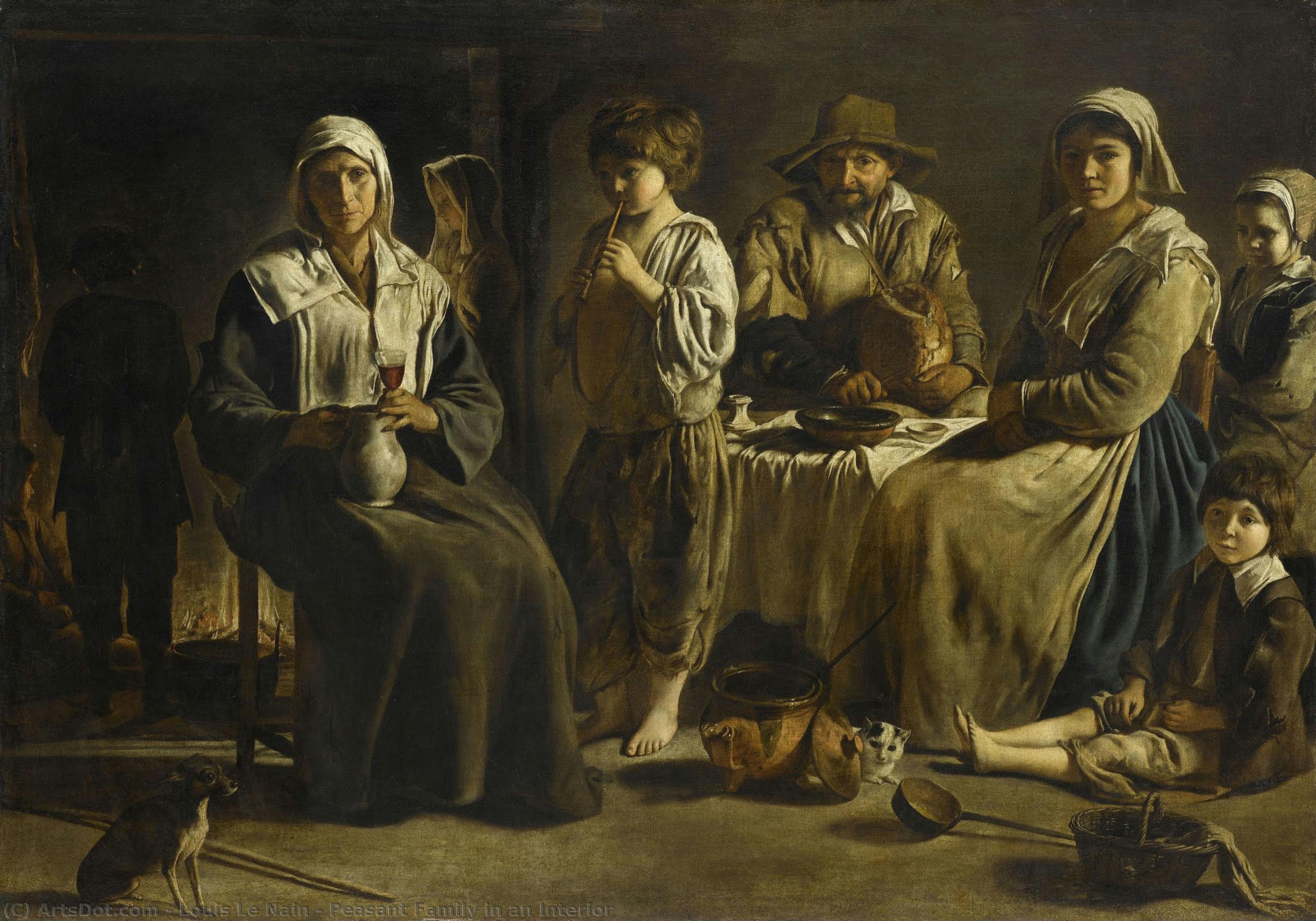
Peasant Family in an Interior
 Oil On Canvas
- WallArt
- Baroque
 Early Modern
 113.0 x 159.0 cm
 Grand Palais
 Read More
Hand Made Oil Reproduction
Hand-painted oil on canvas in your size and frame, made to order by our artists. ( Buy Print Buy Image)




P118B $10

P118H $10

P118W $10

P438Z $10

P508JH $12

P508YH $12

P805H $10

P805Z $10

P919BZ $10

P919G $10

P919XJ $10

P959ZH $10

P968JZ $12

W106C $8

W218G $10

W218JH $8

W218Y $10

W307PJ $10

W316G $10

W316PJ $8

W316Y $10

W398PJ $8

W4111J $10

W500HY $15

W500JH $15

W692G $12

W849H $8

W940BG $15

W953PJ $8




Pick from our preset sizes that match the artwork's original proportions.

You may enter your own dimensions to fit a specific frame or space. If your selected size does not match the original image's proportions, we will either crop the artwork or extend the painting with additional hand-painted elements. A digital mockup will be sent for your approval before production begins.
Please note that the on-screen preview does not reflect the actual cropping or extension. Only the mockup will accurately show the final composition.
While custom sizes are available, we recommend selecting a dimension from the predefined list to preserve the original proportions.
After order, ArtsDot.com team will email client for instructions and provide a mockup preview
Worldwide Delivery () in 3/4 weeks instead of standard 5 weeks. (16 August). No compromise on quality.

Free Worldwide Express Shipping

High-Quality Linen Canvas

Full Shipping Insurance

Customs Tax Refund Guarantee

True Color Matching Guarantee

60-Day Return Policy (Defects Only)

100% Money-Back Guarantee

Bulk Discount Offer
 Glass option is only available in size under 110 CM

Peasant Family in an Interior
Reproduction Medium
Reproduction Size
-


Total Price
$ 263
Artwork Description
The Quiet Drama of Domestic Life
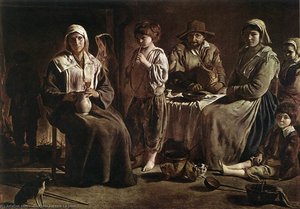
To gaze upon this depiction of a peasant family gathered within their humble dwelling is to step directly into the heart of 17th-century French domesticity. This genre painting, characteristic of the masterful hand of Louis Le Nain, transcends a mere record of an afternoon meal; it captures a profound moment suspended in time. The composition centers around a group—father, mother, and numerous children—arranged intimately around a table laden with the simple necessities of life: bread, wine, salt, and ladles. It is a scene steeped in quiet dignity, where the everyday rituals of family life are elevated to the status of high art.
Mastery of Genre and Light
The Le Nain brothers were celebrated for their unflinching realism when depicting scenes from ordinary existence. Here, that characteristic touch shines through. The technique employed speaks to a deep understanding of oil on canvas, allowing the artist to render textures—the rough weave of peasant clothing, the sheen on polished wood, and the soft fur of the accompanying dog—with remarkable verisimilitude. Notice how the background fire casts a warm, flickering glow, illuminating not just the figures, but also the scattered objects upon the floor: bowls, cups, and implements that tell silent stories of daily labor and sustenance. The overall atmosphere is one of profound warmth, inviting the viewer to feel the palpable comfort emanating from this gathering.
Symbolism Woven into the Scene
Every element within this painting seems imbued with subtle meaning. The presence of the cat alongside the dog suggests a harmonious, if complex, domestic ecosystem. The child playing the flute in the center acts as a focal point, perhaps symbolizing the enduring spirit or the music that accompanies life's passage. Furthermore, the food items are not merely props; they are potent symbols of survival, community, and continuity. This painting invites contemplation on themes of lineage, sustenance, and the unbreakable bonds formed within the family unit, making it deeply resonant for any admirer of human connection.
A Timeless Echo for Modern Spaces
For the collector or designer seeking an artwork that speaks volumes without shouting, this reproduction offers unparalleled depth. Its style—a blend of Baroque realism and poignant narrative—allows it to anchor a room with historical gravitas while maintaining an inviting warmth. Imagine this piece gracing a dining hall or a richly appointed drawing-room; its quiet drama will draw the eye, prompting conversation about history, family, and the enduring beauty found in the most ordinary moments. It is more than decoration; it is a curated moment of soulful reflection.
Related Artworks

Artist Biography
The Quiet Resonance of a French Master
Born in the historic environs of Laon, France, around the turn of the 17th century, Louis Le Nain emerged as a pivotal figure whose brush captured the silent, profound rhythms of existence. Alongside his brothers Antoine and Mathieu, he formed a creative triumvirate that would leave an indelible mark on the landscape of French genre painting. While the broader Baroque era often leaned toward the theatrical and the grandiose, Louis sought beauty in the understated. His life, though spanning only until 1648, was defined by a commitment to a realism that was as much about psychological depth as it was about technical precision. He did not merely paint people; he painted the very essence of their endurance within a period of immense social and religious transformation.
The Art of Observation and Light
The brilliance of Le Nain’s oeuvre lies in his ability to elevate the domestic to the level of the divine. His technique was characterized by a masterful command of light and shadow, a subtle nod to the chiaroscuro traditions of Caravaggio, yet applied with a gentleness that avoided overt drama. In his hands, the textures of a peasant's rough-spun clothing, the glint of a simple ceramic bowl, or the soft warmth of a hearth fire became subjects of intense contemplation.
His compositions often centered on several key elements:
- The Intimacy of the Interior: Creating spaces where families gather around the basic necessities of bread and wine.
- The Weight of Silence: Capturing moments of stillness that suggest a deep, internal emotional life.
- Tactile Realism: Rendering the physical world with such verisimilitude that the viewer can almost feel the grain of the wood or the coolness of the stone.
Symbolism in the Shadows
Beyond the surface level of his realistic depictions, Le Nain’s work is woven with a subtle tapestry of symbolism. Every element within his domestic scenes serves as a quiet narrator of the human condition. A child playing a flute might represent the enduring spirit of joy amidst hardship, while the presence of animals like cats and dogs hints at the complex, harmonious ecosystem of the household.
Through these carefully placed details, he transformed the mundane rituals of survival—the sharing of a meal or the tending of a fire—into profound meditations on lineage, community, and the continuity of life. His legacy remains a testament to the power of looking closely at the world around us, finding the extraordinary within the ordinary, and recognizing the quiet dignity inherent in every human story.
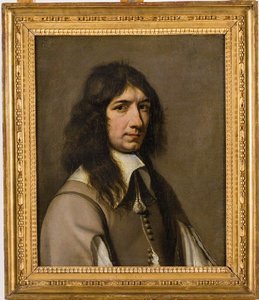
louis le nain
1648 , France
Quick Facts
- Artistic Movement Or Style: Pop Art
- Artists Who Influenced This Artist: ['None],\n "Artists or movements influenced by this artist": [None']
- Date Of Death: 1648
- Notable Artworks:
- Untitled Pop Painting 1
- Untitled Pop Painting 2
Related Articles
Masterpieces of the 17th Century: Art, History & Decor Inspiration | ArtsDot
Journey through 17th century art with masterpieces by Rembrandt, Vermeer & Caravaggio. Explore Baroque paintings, Dutch Golden Age techniques & timeless beauty. Find museum-quality reproductions and elevate your home decor on ArtsDot.com.
Depicting Kinship: Family Values Across Artistic Movements & Historical Contexts
Explore the rich history of depicting kinship in art! From Dutch Masters to contemporary artists, discover how family values have been represented across movements & time. Expert insights for collectors at ArtsDot.
Evolving Portraits: Personalized Art as a Chronicle of Family Life Across Generations
Create a timeless family legacy with custom portraits! ArtsDot connects you with skilled artists for heirloom-quality paintings & prints. Explore styles, commission your unique artwork today.
Intimate Interiors: Domestic Life & Artistic Representation from Renaissance to Impressionism
Explore the evolution of domestic life in Western art from the Renaissance to Impressionism. Discover symbolism, realism & artistic techniques shaping intimate interior scenes. Learn more with ArtsDot.
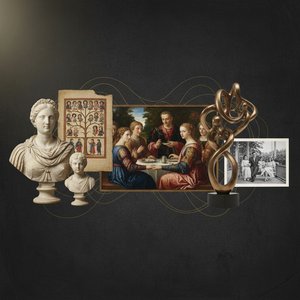
The Enduring Portrait of Kinship: Family Representations Across Art History
Explore the rich history of family portraiture through art! Discover masterpieces from across centuries & learn how artists captured kinship, intimacy, and societal values. Expert insights for collectors & enthusiasts.