 Preview
 Send
Send Share
Share
 Details

 Download
 Similars
 X-Ray
X-Ray Diaporama
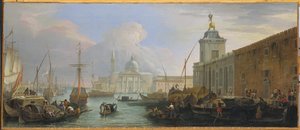
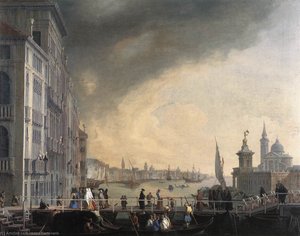
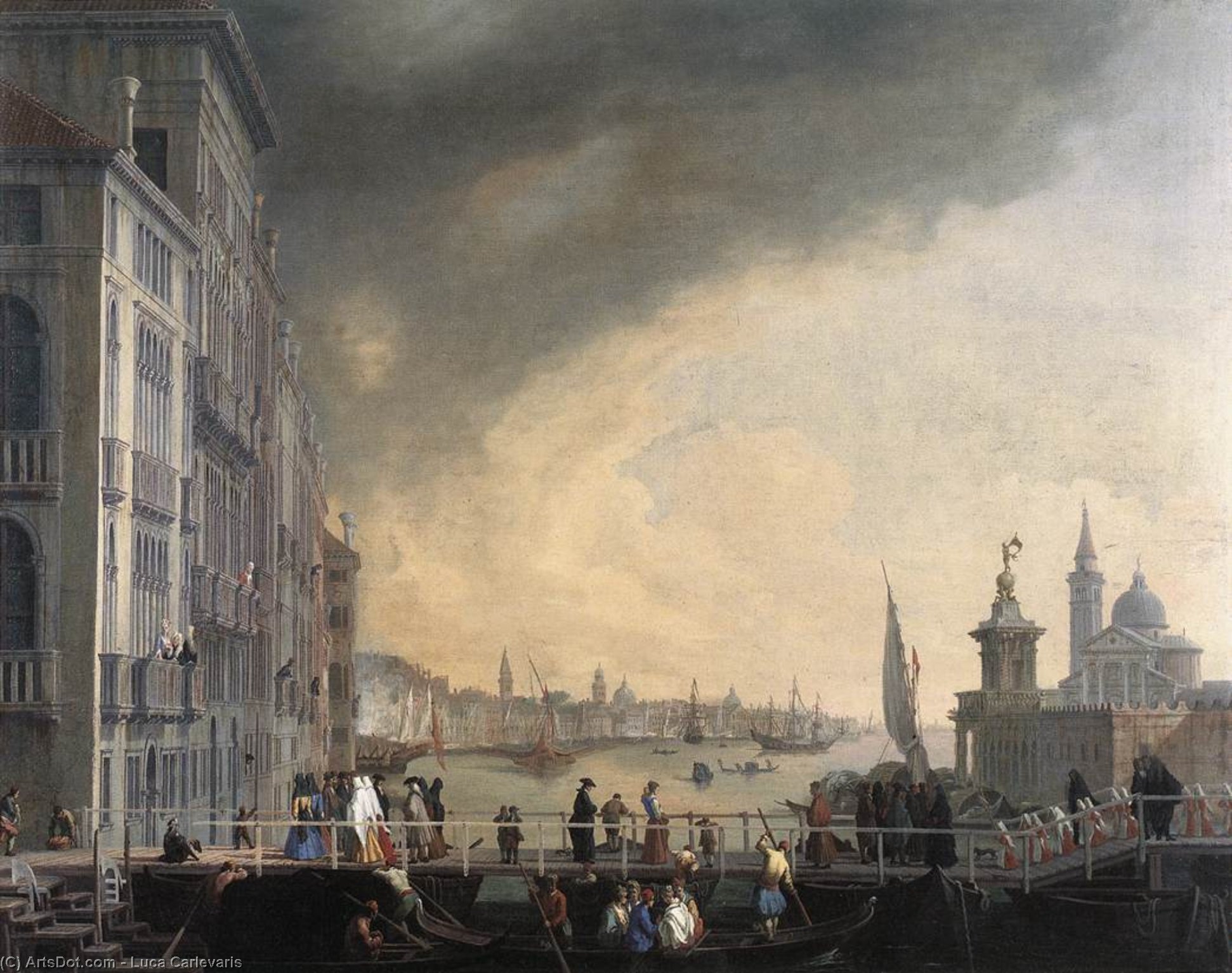
The Bridge for the Feast of the Madonna della Salute
 Oil
Oil- WallArt
- Baroque
 1720
1720- Early Modern
 117.0 x 148.0 cm
 Wadsworth Atheneum
 Read More
Hand Made Oil Reproduction
Hand-painted oil on canvas in your size and frame, made to order by our artists. ( Buy Print Buy Image)




P118B $10

P118H $10

P118W $10

P438Z $10

P508JH $12

P508YH $12

P805H $10

P805Z $10

P919BZ $10

P919G $10

P919XJ $10

P959ZH $10

P968JZ $12

W106C $8

W218G $10

W218JH $8

W218Y $10

W307PJ $10

W316G $10

W316PJ $8

W316Y $10

W398PJ $8

W4111J $10

W500HY $15

W500JH $15

W692G $12

W849H $8

W940BG $15

W953PJ $8




Pick from our preset sizes that match the artwork's original proportions.

You may enter your own dimensions to fit a specific frame or space. If your selected size does not match the original image's proportions, we will either crop the artwork or extend the painting with additional hand-painted elements. A digital mockup will be sent for your approval before production begins.
Please note that the on-screen preview does not reflect the actual cropping or extension. Only the mockup will accurately show the final composition.
While custom sizes are available, we recommend selecting a dimension from the predefined list to preserve the original proportions.
After order, ArtsDot.com team will email client for instructions and provide a mockup preview
Worldwide Delivery () in 3/4 weeks instead of standard 5 weeks. (16 August). No compromise on quality.

Free Worldwide Express Shipping

High-Quality Linen Canvas

Full Shipping Insurance

Customs Tax Refund Guarantee

True Color Matching Guarantee

60-Day Return Policy (Defects Only)

100% Money-Back Guarantee

Bulk Discount Offer
 Glass option is only available in size under 110 CM

The Bridge for the Feast of the Madonna della Salute
Reproduction Medium
Reproduction Size
-


Total Price
$ 263
Artwork Description
A Venetian Spectacle in Oil: The Bridge for the Feast of the Madonna della Salute
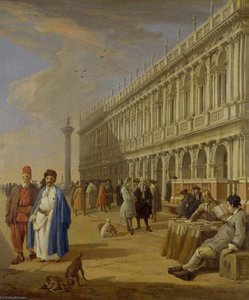
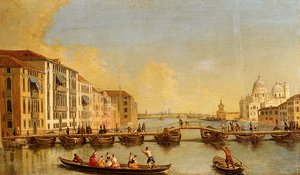
In the heart of the eighteenth century, as Venice prepared for its most sacred and grand celebrations, Luca Carlevaris captured a moment that transcends mere topography to become a living, breathing drama. The Bridge for the Feast of the Madonna della Salute is not simply a depiction of architecture; it is an immersive window into the soul of a maritime republic. The canvas unfolds with a breathtaking view of the Venetian waterways, where the rhythmic movement of boats and the bustling energy of the citizenry converge under a sky heavy with atmospheric tension. Carlevaris masterfully orchestrates a scene where the architectural grandeur of the city meets the unpredictable temperament of nature, creating a composition that feels both monumental and intimately human.
The technique employed by Carlevaris reveals his profound understanding of light and shadow, a hallmark of the Venetian school. As a pioneer who bridged the gap between Baroque intensity and the emerging clarity of veduta painting, he utilizes a palette that captures the mercurial qualities of a storm-tossed sky. The clouds above are thick with drama, casting shifting shadows across the intricate facades of the buildings and reflecting upon the undulating surface of the water. This interplay of light creates a sense of depth that draws the viewer into the very streets of Venice. One can almost feel the humidity in the air and hear the distant calls of merchants and the gentle lapping of waves against the stone embankments.
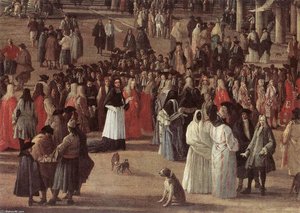
Beyond the technical brilliance, the painting is rich with the social tapestry of 1720s Venice. Scattered throughout the composition are figures that breathe life into the stone landscape—pedestrians navigating the streets, onlookers gathered near the water's edge, and even a solitary dog wandering near the right foreground, adding a touch of domestic realism to the grand spectacle. These small, anecdotal details serve to ground the epic scale of the architecture, reminding us that these magnificent structures are the backdrop for the everyday joys and religious devotions of the Venetian people. The feast itself, dedicated to the Madonna della Salute, imbues the scene with an underlying sense of hope and communal resilience.
For the discerning collector or interior designer, this masterpiece offers more than just aesthetic beauty; it provides a profound emotional resonance. A high-quality reproduction of this work serves as a sophisticated focal point in any curated space, bringing with it the prestige of Italian history and the romantic allure of the Grand Canal. Whether placed in a formal gallery setting or used to add a sense of classical grandeur to a contemporary living room, Carlevaris’s vision invites conversation and contemplation. It is an invitation to wander through the streets of a vanished era, making it an indispensable acquisition for those who seek to surround themselves with art that tells a story of light, legacy, and timeless elegance.
Related Artworks


Artist Biography
Luca Carlevaris: The Venetian Master of Light and Shadow
Luca Carlevaris (1663-1730), a name perhaps less familiar than his contemporaries Canaletto or Guardi, stands as a pivotal figure in the development of Venetian cityscape painting. Born in Udine, Italy, he established himself as a leading artist in Venice, where he spent most of his career, leaving behind a legacy of exquisitely detailed and atmospheric views that captured the essence of the city’s vibrant life and subtle beauty. His work represents a crucial bridge between the Baroque era's dramatic intensity and the subsequent rise of topographical realism, profoundly influencing generations of Venetian artists.
Carlevaris initially gained recognition through his association with the Accademia di San Luca in Rome, a prestigious institution that fostered artistic innovation. There, he was exposed to the techniques and philosophies of the Dutch Masters, particularly Caspar van Wittel, whose pioneering work in vedute – detailed cityscapes – served as a significant inspiration. Van Wittel’s emphasis on perspective, light, and the depiction of urban space profoundly shaped Carlevaris' approach to Venetian painting. This influence is readily apparent in his own series of etchings and paintings of Venice, which meticulously recreate the city’s intricate architecture, bustling streets, and captivating waterways.
A Pioneer of the Veduta
Carlevaris truly distinguished himself as a pioneer of the veduta genre in Venice. Unlike earlier depictions that often focused on grand monuments or idealized views, Carlevaris sought to capture the everyday reality of Venetian life – the crowded markets, the narrow alleyways, the reflections shimmering on the canals. His paintings are characterized by an extraordinary attention to detail, meticulously rendered buildings, and a masterful use of light and shadow. He employed a technique known as ‘chiaroscuro,’ skillfully manipulating contrasts between light and dark to create depth, drama, and a sense of atmosphere.
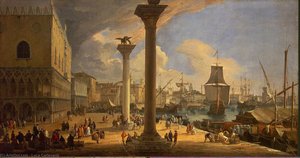
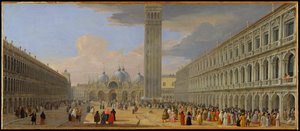
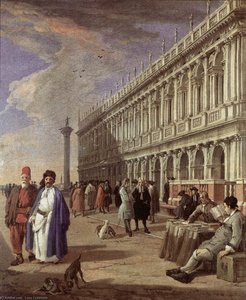
His most celebrated works, such as “The Piazzetta and the Library” (1720), exemplify this approach. The painting vividly portrays the bustling Piazza San Marco, capturing not only its architectural grandeur but also the lively activity of its inhabitants – merchants, gondoliers, and tourists. The use of perspective is particularly noteworthy, creating a convincing illusion of depth and drawing the viewer into the scene. Carlevaris’s ability to convey both the physical reality and the emotional atmosphere of Venice solidified his reputation as one of the city's foremost landscape painters.
Influences and Artistic Connections
Carlevaris’s artistic journey was shaped by a complex network of influences. As mentioned, Van Wittel’s work provided a foundational model for his approach to cityscape painting. However, he also drew inspiration from Luca Signorelli, the High Renaissance master known for his dramatic frescoes and innovative use of foreshortening. Signorelli's emphasis on anatomical accuracy and dynamic composition can be detected in Carlevaris’s figures, which often possess a sense of movement and vitality.
Furthermore, Carlevaris maintained close ties with other prominent Venetian artists of his time, including Canaletto and Francesco Guardi. These collaborations fostered the exchange of ideas and techniques, contributing to the development of Venetian painting as a whole. It’s believed that these masters were influenced by his work, particularly his innovative use of perspective and light.
Legacy and Historical Significance
Luca Carlevaris's contribution to Venetian art is undeniable. He elevated the veduta genre to new heights, establishing a standard for detail, accuracy, and atmospheric rendering that would be followed by countless artists. His meticulous depictions of Venice provide invaluable insights into the city’s history, culture, and daily life. His work continues to captivate viewers today with its beauty, precision, and evocative portrayal of a bygone era.
Beyond his artistic achievements, Carlevaris's legacy extends through his influence on subsequent generations of Venetian painters. His techniques and approaches served as a foundation for the development of topographical painting in Venice, ensuring that his vision of the city would endure long after his death. His paintings remain treasured works of art, offering a unique window into the soul of Venice during the 18th century.

luca carlevaris
1663 - 1730 , Italy
Quick Facts
- Artistic Movement Or Style: Renaissance, Baroque
- Artists Or Movements Influenced By This Artist:
- Canaletto
- Guardi
- Artists Who Influenced This Artist: ['Luca Signorelli']
- Date Of Birth: 1663
- Date Of Death: 1730
- Full Name: Luca Carlevaris
- Nationality: Italian
- Notable Artworks:
- The Piazzetta and Library
- A Gentleman
- Place Of Birth: Udine, Italy
Related Articles
Jacopo Tintoretto's Masterpieces: 25 Paintings That Define Venetian Drama | ArtsDot
Explore 25 breathtaking masterpieces by Jacopo Tintoretto, the Venetian master of drama and light. Discover the stories behind iconic Renaissance paintings & find museum-quality art reproductions to elevate your home decor on ArtsDot.com.
The Golden Light of Innovation: Exploring the Venetian Renaissance Art Movement (1430–1580)
Explore the Golden Age of Venetian art (1430–1580). Discover Giorgione, Titian & Tintoretto's techniques, the 'colorito' revolution, and lasting influence. Expert insights for collectors & enthusiasts.
Giovanni Antonio Canal (Canaletto): A Venetian Master of Light, Space & Societal Observation
Explore the life & art of Giovanni Antonio Canal (Canaletto), a Venetian master renowned for his breathtaking cityscapes. Discover his techniques, legacy, and captivating depictions of 18th-century Venice & London.
Pietro Longhi's Venetian Scenes: A Study of Rococo Society & Domestic Life
Explore the captivating world of Pietro Longhi's Venetian scenes! Discover insightful analysis of his Rococo masterpieces & social commentary on 18th-century life. Learn about this 'Venetian Hogarth' and his lasting artistic legacy.
Jacopo Palma il Giovane: A Venetian Master's Poetic Evolution
Explore the captivating world of Jacopo Palma il Giovane, a pivotal Venetian Renaissance master. Discover his unique style, influenced by Titian & Tintoretto, and learn about key works perfect for discerning collectors.