 Preview
 Send
Send Share
Share
 Details

 Download
 Similars
 X-Ray
X-Ray Diaporama
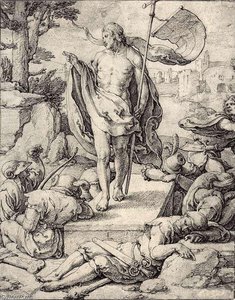
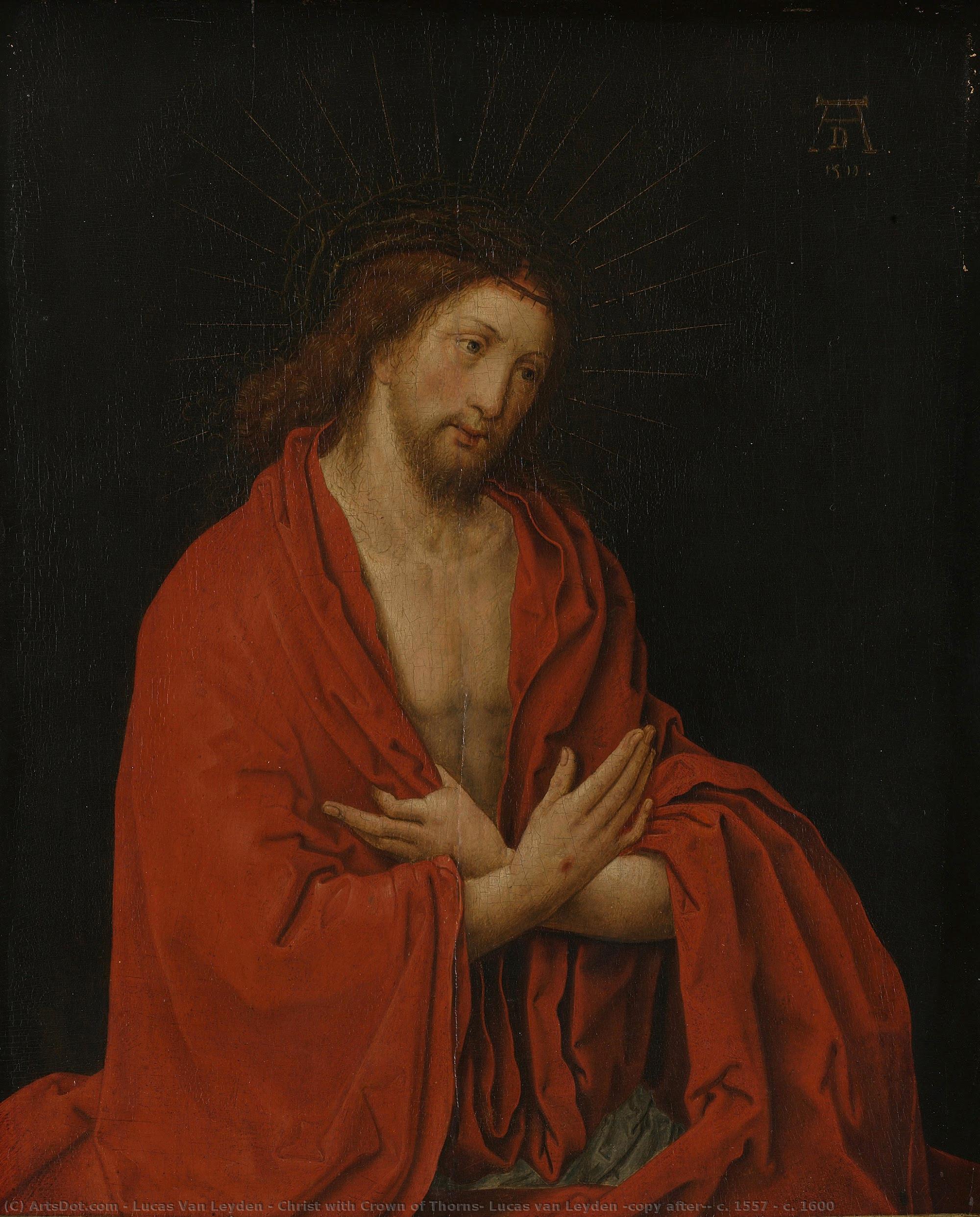
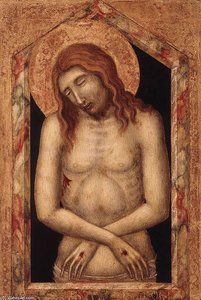
Christ with Crown of Thorns, Lucas van Leyden (copy after), c. 1557 - c. 1600
 1600
1600 27.0 x 21.0 cm
 Read More
Hand Made Oil Reproduction
Hand-painted oil on canvas in your size and frame, made to order by our artists. ( Buy Print Buy Image)




































Pick from our preset sizes that match the artwork's original proportions.

You may enter your own dimensions to fit a specific frame or space. If your selected size does not match the original image's proportions, we will either crop the artwork or extend the painting with additional hand-painted elements. A digital mockup will be sent for your approval before production begins.
Please note that the on-screen preview does not reflect the actual cropping or extension. Only the mockup will accurately show the final composition.
While custom sizes are available, we recommend selecting a dimension from the predefined list to preserve the original proportions.
After order, ArtsDot.com team will email client for instructions and provide a mockup preview
Worldwide Delivery () in 3/4 weeks instead of standard 5 weeks. (24 August). No compromise on quality.

Free Worldwide Express Shipping

High-Quality Linen Canvas

Full Shipping Insurance

Customs Tax Refund Guarantee

True Color Matching Guarantee

60-Day Return Policy (Defects Only)

100% Money-Back Guarantee

Bulk Discount Offer
 Glass option is only available in size under 110 CM

Christ with Crown of Thorns, Lucas van Leyden (copy after), c. 1557 - c. 1600
Reproduction Medium
Reproduction Size
-


Total Price
$ 263
Artwork Description
Related Artworks





Artist Biography
early life and training
lucas van leyden, a dutch painter and printmaker, was born in 1494 in leiden, netherlands. he was the son of huygh jacobsz, a painter, and began his artistic training under his father's guidance. later, he joined the workshop of cornelis engelbrechtsz in 1508, where he refined his skills.artistic development
lucas van leyden was among the first dutch exponents of genre painting and a highly accomplished engraver. his early work, characterized by half-length figures (c. 1506-1512), showcases his precocious originality. as he matured, his landscapes developed, and he became skilled in engraving at a remarkably young age. the earliest known print by him, mohammed and the murdered monk (1508), demonstrates his mastery of the medium.notable works and style
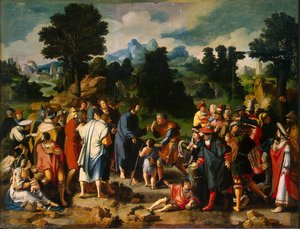
seventeen paintings surely attributed to lucas van leyden survive, including:- the healing of the blind man of jericho, a masterpiece showcasing multiple figures against wooded landscapes.
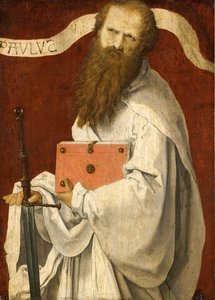
- saint paul, attr. leyden, exemplifying his engraving prowess.
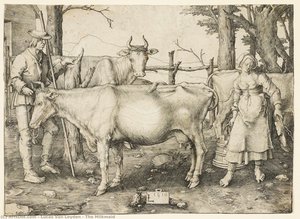
- the milkmaid (engraving, 1510), highlighting his early skill in the medium.
museum collections and online presence
lucas van leyden's works can be found in various museums, including the van gogh museum (netherlands), which houses an extensive collection of his engravings and paintings. online platforms like ArtsDot.com offer a comprehensive selection of his works, allowing art enthusiasts to explore his oeuvre in detail.legacy
lucas van leyden's contributions to dutch genre painting and engraving are undeniable. his innovative style and technical skill have made him a celebrated figure in the art world. as a pioneer of dutch art, his legacy continues to inspire artists and art lovers alike.- view lucas van leyden's artworks on ArtsDot.com
- explore the van gogh museum (netherlands) collection online
- discover more about dutch art and its pioneers on ArtsDot.com's blog
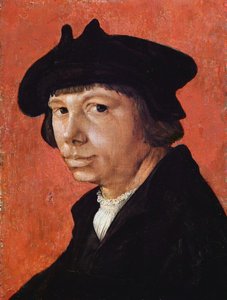
Lucas van Leyden
1494 - 1533 , Netherlands
Quick Facts
- Artistic Movement Or Style: Early Netherlandish Renaissance
- Artists Or Movements Influenced By This Artist: ['German Renaissance']
- Artists Who Influenced This Artist: ['Albrecht Dürer']
- Date Of Birth: Leiden, Netherlands (1494)
- Date Of Death: 1533
- Full Name: Lucas Hugensz van Leyden
- Nationality: Dutch
- Notable Artworks:
- The Healing of the Blind Man of Jericho
- Saint Paul
- The Milkmaid
- Place Of Birth: Leiden