 Preview
 Send
Send Share
Share
 Details

 Download
 Similars
 X-Ray
X-Ray Diaporama
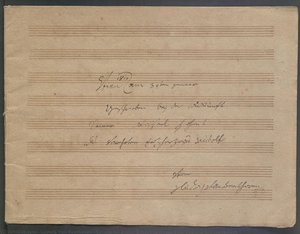
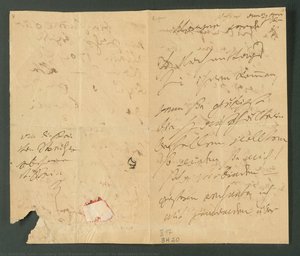
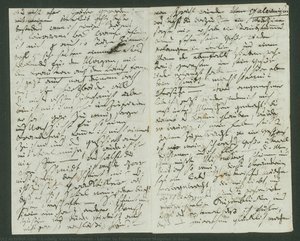
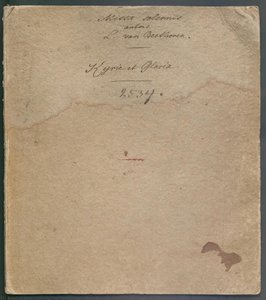
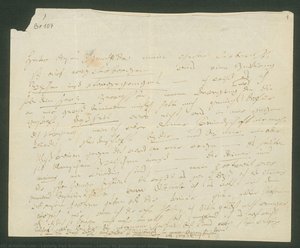
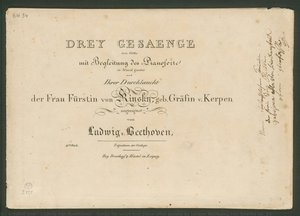
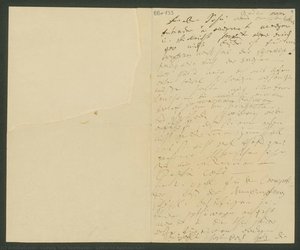
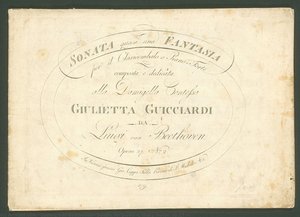
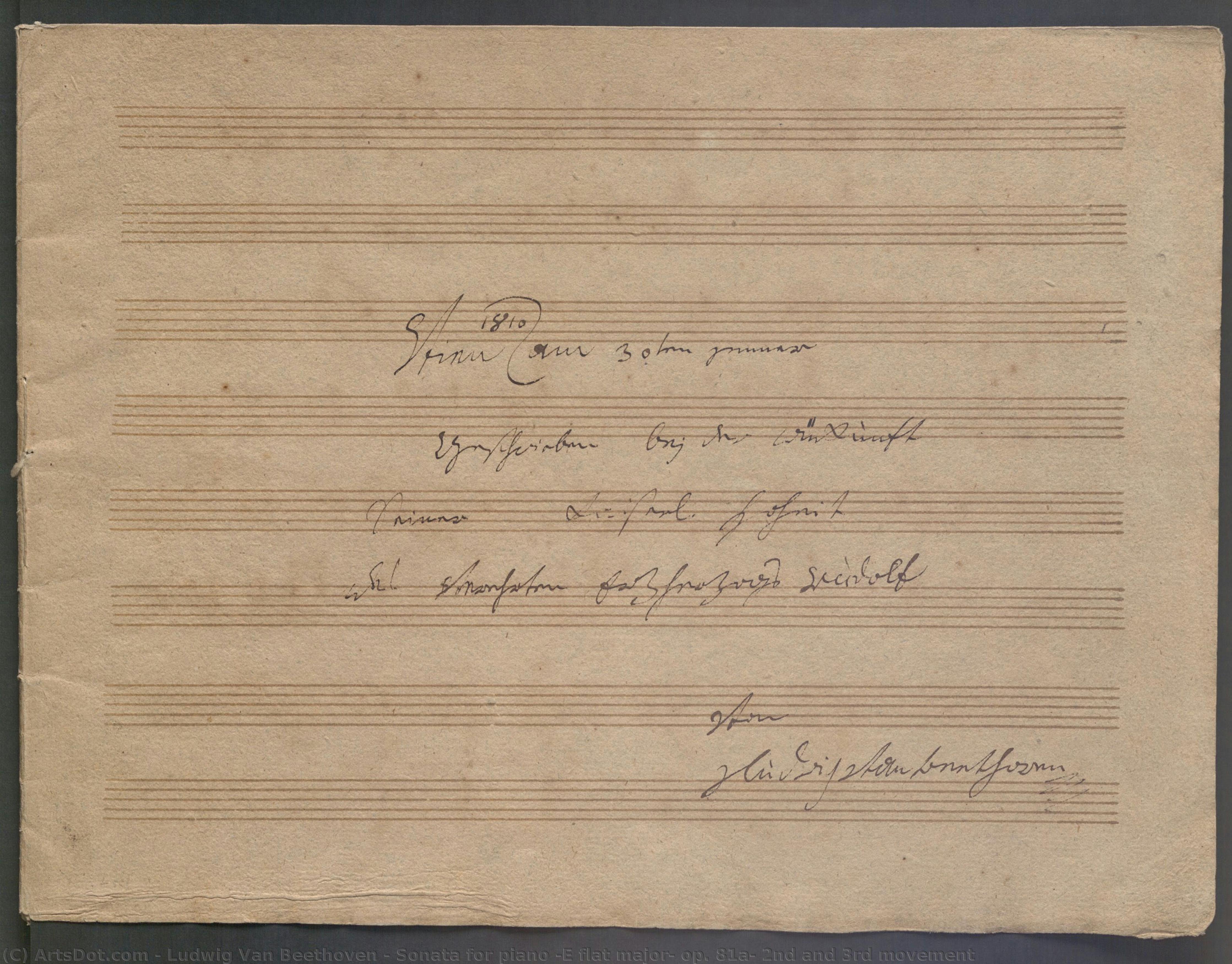
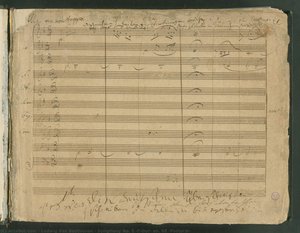
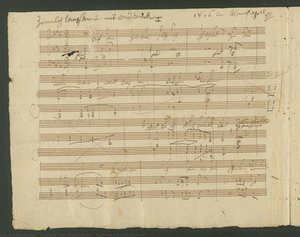
Sonata for piano (E flat major) op. 81a, 2nd and 3rd movement
 Acrylic On Canvas
- WallArt
- Romantic
 1810
1810 23.0 x 30.0 cm
 Beethoven-Haus Bonn
 Read More
Giclée / Art Print
Museum-quality giclée or canvas print with fast production and flexible finish options. ( Buy Hand Made Painting Buy Image)




P118B $10

P118H $10

P118W $10

P438Z $10

P508JH $12

P508YH $12

P805H $10

P805Z $10

P919BZ $10

P919G $10

P919XJ $10

P959ZH $10

P968JZ $12

W106C $8

W218G $10

W218JH $8

W218Y $10

W307PJ $10

W316G $10

W316PJ $8

W316Y $10

W398PJ $8

W4111J $10

W500HY $15

W500JH $15

W692G $12

W849H $8

W940BG $15

W953PJ $8




Pick from our preset sizes that match the artwork's original proportions.

You may enter your own dimensions to fit a specific frame or space. If your selected size does not match the original image's proportions, we will either crop the artwork or extend the image with a mirrored or solid-fill edge. A digital mockup will be sent for your approval before production begins.
Please note that the on-screen preview does not reflect the actual cropping or extension. Only the mockup will accurately show the final composition.
While custom sizes are available, we recommend selecting a dimension from the predefined list to preserve the original proportions.
Worldwide Delivery () in 2 weeks instead of standard 4/5 weeks. (17 August)

Free Worldwide Express Shipping

High-Quality Linen Canvas

Full Shipping Insurance

Customs Tax Refund Guarantee

True Color Matching Guarantee

60-Day Return Policy (Defects Only)

100% Money-Back Guarantee

Bulk Discount Offer
 Glass option is only available in size under 110 CM

Sonata for piano (E flat major) op. 81a, 2nd and 3rd movement
Giclée / Art Print
Reproduction Size
-


Total Price
$ 63
Collectible Description
Sonata No. 26 in E♭ Major, Op. 81a “Les Adieux”: A Farewell Echoes Through Time
Ludwig van Beethoven’s Piano Sonata No. 26 in E♭ major, Op. 81a – affectionately known as “Les Adieux” (“The Farewell”) – stands as a poignant testament to artistic resilience and the bittersweet beauty of parting. Completed in Vienna during Napoleon's siege of the city in 1809, this monumental work transcends mere musical notation; it embodies a profound emotional landscape shaped by personal circumstance and historical upheaval. Examining its stylistic nuances, compositional techniques, and symbolic resonance unveils layers of meaning that continue to captivate audiences centuries later.- Musical Style & Technique: Beethoven’s middle period marks a decisive break from the elegance of Mozart and Haydn, embracing a dramatic tonal palette and exploring expressive dissonance—characteristics that would define Romantic music. The sonata’s structure adheres to Classical conventions – exposition, development, recapitulation – yet Beethoven pushes boundaries within each section, injecting moments of turbulent emotion alongside passages of serene contemplation. Notably, the second movement, “Abwesenheit” (“Absence”), is characterized by its haunting melody and masterful orchestration, capturing a palpable sense of melancholy and farewell.
- Historical Context: The siege of Vienna served as a catalyst for Beethoven’s artistic introspection. Facing imminent danger and grappling with his encroaching deafness—a condition that had begun to afflict him in 1796—Beethoven channeled his anxieties into this musical exploration. Simultaneously, the sonata reflects Napoleon's ambition and Austria’s struggle for independence, mirroring the turbulent political climate of the era.
- Symbolism & Emotional Impact: The title itself – “Les Adieux” – speaks volumes about the piece’s thematic core. Beethoven dedicated this movement to Archduke Rudolf von Habsburg-Lorraine, acknowledging his departure from Vienna amidst the looming threat of Napoleon’s forces. However, beyond a simple commemoration of farewell lies a deeper meditation on loss, remembrance, and acceptance—themes that resonate powerfully with listeners today. The music evokes feelings of nostalgia, sorrow, and ultimately, hope for renewal.
- Instrumentation & Performance Considerations: Beethoven meticulously crafted this sonata for piano solo, maximizing expressive potential through careful consideration of timbre and dynamics. Pianists performing Op. 81a strive to convey the composer’s emotional intentions with sensitivity and precision, emphasizing the importance of nuanced phrasing and tonal coloration. The extended range of the Érard piano—a favored instrument during Beethoven's time—contributes significantly to the sonata’s sonic character.
- Legacy & Influence: Sonata No. 26 remains one of Beethoven’s most beloved compositions, influencing generations of musicians and inspiring countless interpretations. Its enduring appeal stems from its ability to articulate universal human emotions – grief, longing, and resilience—making it a cornerstone of the Romantic repertoire and a timeless masterpiece.
A reproduction of this iconic piece offers an opportunity to experience Beethoven’s genius firsthand, capturing not only the musical intricacies but also the profound emotional depth that defines “Les Adieux.” Its melancholic beauty continues to inspire awe and contemplation, cementing its place as a cornerstone of classical music history.
Related Artworks
Artist Biography
early life and musical beginnings
ludwig van beethoven, a renowned german composer and pianist, was born in bonn, germany, in 1770. displaying his musical talent at a young age, he began studying music under various teachers before moving to vienna, where he would spend most of his life.- sonata for piano and violoncello (a major) op. 69, 1st movement (available at ArtsDot.com)
- beethoven's manuscript of the missa solemnis (viewable at wikipedia)
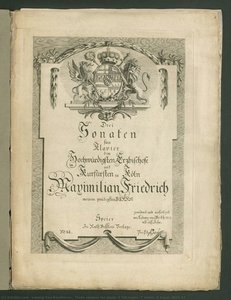
- three opus 1 piano sonatas, patronized by karl alois, prince lichnowsky
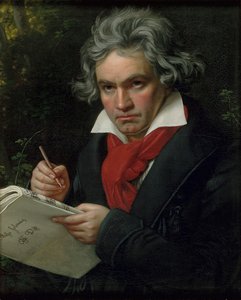
ludwig van beethoven
1770 - 1827 , Germany
Quick Facts
- Artistic Movement Or Style: Classical Romantic
- Artists Or Movements Influenced By This Artist:
- Johannes Brahms
- Robert Schumann
- Artists Who Influenced This Artist:
- Franz Joseph Haydn
- Christian Gottlob Schulze
- Date Of Birth: 1770 Bonn Germany
- Date Of Death: 1827 Vienna Austria
- Full Name: Ludwig van Beethoven
- Nationality: German
- Notable Artworks:
- Moonlight Sonata
- Symphony No 9
- Place Of Birth: Bonn Germany
Related Articles
Harmonies on Canvas: Exploring the Visual Representation of Music in Art History
Explore the fascinating history of music's visual representation in art! From ancient symbolism to modern abstraction, discover how artists have captured sound and emotion on canvas. Expert insights & stunning examples.

Romantic Realism's Finest: 10 Masterpieces for Your Home | ArtsDot
Explore 10 defining masterpieces of Romantic Realism! Discover Courbet, Millet & Daumier's powerful paintings—capturing emotion and social realities. Find museum-quality reproductions for your home at ArtsDot.com.

Neo-Classicism's Greatest Hits: 10 Masterpieces for Your Home |
Journey through Neo-Classicism's finest! Explore 10 iconic masterpieces by David, Ingres & Canova. Discover art history, techniques & timeless beauty – perfect for inspiring your home decor. Find museum-quality reproductions at
The Enduring Legacy of Classicism: Principles, Evolution & Influence in Western Art
Explore the enduring legacy of Classicism in Western art! Discover its historical context, key principles, iconic masterpieces & lasting influence. Learn about Renaissance and Neoclassical movements with ArtsDot.
Timeless Resonance: Exploring Classic Vibe in Art – A Historical & Aesthetic Analysis
Explore the rich history & enduring aesthetic of Classicism art! Discover key movements, iconic artists like Raphael & David, and its lasting influence on Western art. Deepen your appreciation today.