 Preview
 Send
Send Share
Share
 Details

 Download
 Similars
 X-Ray
X-Ray Diaporama
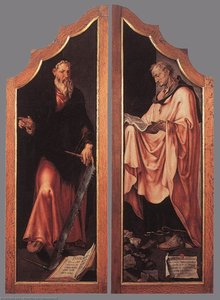
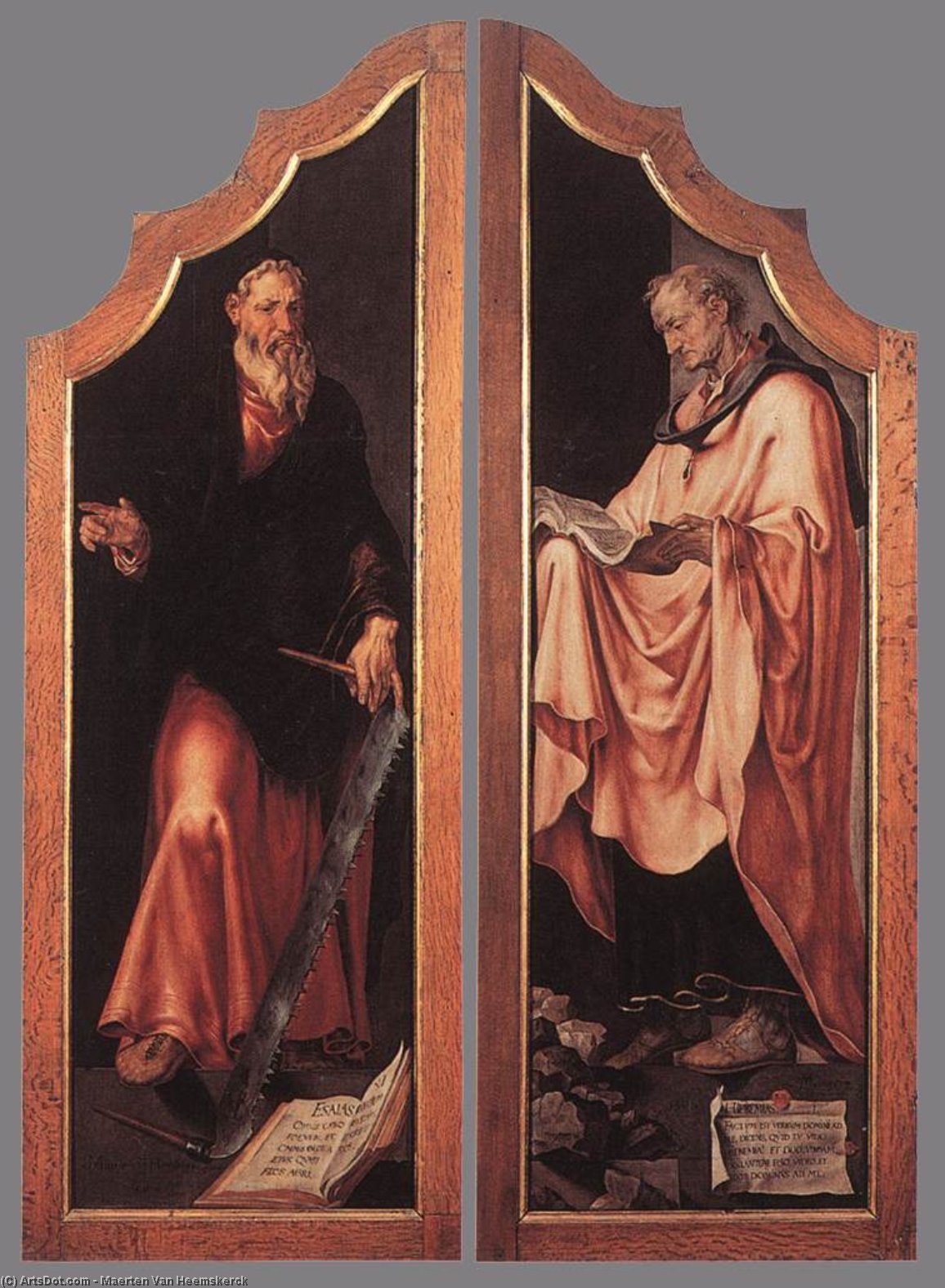
Triptych of the Entombment (closed)
 Acrylic On Canvas
- WallArt
- Dutch Renaissance Painting
 1559
1559 219.0 x 66.0 cm
 Musées Royaux des Beaux-Arts
 Read More
Giclée / Art Print
Museum-quality giclée or canvas print with fast production and flexible finish options. ( Buy Hand Made Painting Buy Image)




P118B $10

P118H $10

P118W $10

P438Z $10

P508JH $12

P508YH $12

P805H $10

P805Z $10

P919BZ $10

P919G $10

P919XJ $10

P959ZH $10

P968JZ $12

W106C $8

W218G $10

W218JH $8

W218Y $10

W307PJ $10

W316G $10

W316PJ $8

W316Y $10

W398PJ $8

W4111J $10

W500HY $15

W500JH $15

W692G $12

W849H $8

W940BG $15

W953PJ $8




Pick from our preset sizes that match the artwork's original proportions.

You may enter your own dimensions to fit a specific frame or space. If your selected size does not match the original image's proportions, we will either crop the artwork or extend the image with a mirrored or solid-fill edge. A digital mockup will be sent for your approval before production begins.
Please note that the on-screen preview does not reflect the actual cropping or extension. Only the mockup will accurately show the final composition.
While custom sizes are available, we recommend selecting a dimension from the predefined list to preserve the original proportions.
Worldwide Delivery () in 2 weeks instead of standard 4/5 weeks. (23 August)

Free Worldwide Express Shipping

High-Quality Linen Canvas

Full Shipping Insurance

Customs Tax Refund Guarantee

True Color Matching Guarantee

60-Day Return Policy (Defects Only)

100% Money-Back Guarantee

Bulk Discount Offer
 Glass option is only available in size under 110 CM

Triptych of the Entombment (closed)
Giclée / Art Print
Reproduction Size
-


Total Price
$ 63
Collectible Description
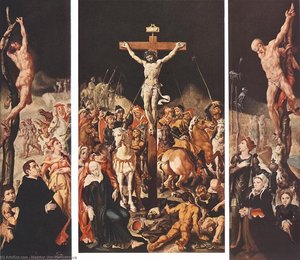
A Window Into Renaissance Faith: Examining Maarten Van Heemskerck’s Triptych of the Entombment
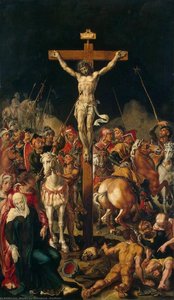
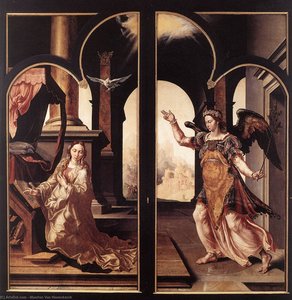
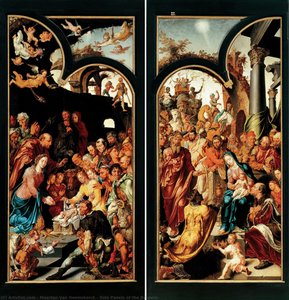
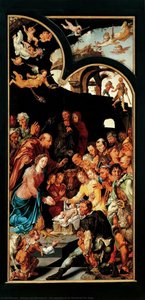
Maerten van Heemskerck's *Triptych of the Entombment*, completed in 1559, stands as a testament to the artistic fervor and theological contemplation characteristic of the High Renaissance. Painted during a period marked by papal ambition and religious upheaval—specifically following Charles V’s triumphant return from Cologne Cathedral—the artwork transcends mere visual representation; it embodies a profound engagement with Christian iconography and humanist ideals. Located in Haarlem Town Hall, this monumental triptych offers viewers an unparalleled glimpse into the artistic sensibilities of its time.Style and Technique: Bridging Dutch Tradition and Italian Influence
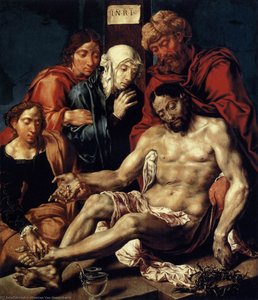
Heemskerck skillfully blended elements of Dutch realism with the stylistic innovations championed by Leonardo da Vinci and Michelangelo. The central panel depicts Christ’s body laid upon a stone slab, surrounded by Mary Magdalene and Nicodemus—figures rendered with meticulous detail and bathed in diffused light, reflecting the prevailing Venetian influence on Northern European painting. Notice the subtle gradations of color achieved through glazing techniques – a hallmark of Renaissance artistry – which imbue the scene with an ethereal quality. The artist’s masterful use of perspective contributes to the illusionistic depth of the composition, transporting the viewer into the sacred space of the tomb.Historical Context: Charles V's Triumph and Papal Patronage
The commission for this triptych arose from a desire to commemorate Charles V’s victory over Protestant forces in Cologne Cathedral—a pivotal moment in the Reformation. The Habsburg emperor sought to reaffirm papal authority and solidify Catholic dominance across Europe, prompting a wave of artistic patronage aimed at glorifying the Church's grandeur. Heemskerck’s work served as part of a larger effort to visually communicate religious piety and imperial prestige – demonstrating the interconnectedness between politics and art during this transformative era.Symbolism: Representations of Grief and Redemption
Beyond its aesthetic merits, *Triptych of the Entombment* is laden with symbolic significance. The positioning of Christ’s body—prone upon the stone slab—represents humility and acceptance of suffering, mirroring biblical narratives concerning Jesus' crucifixion. Mary Magdalene’s anguished gaze conveys profound sorrow for her Lord’s demise, while Nicodemus embodies contemplation and intellectual inquiry – reflecting the humanist preoccupation with understanding God’s divine plan. The inclusion of books symbolizes knowledge and spiritual enlightenment, underscoring the Renaissance commitment to classical learning alongside Christian faith.Emotional Impact: A Meditation on Mortality and Divine Grace
Ultimately, Heemskerck's masterpiece compels viewers to confront questions of mortality and contemplate the promise of redemption. The subdued palette—dominated by earthy browns and muted reds—evokes a sense of solemn reverence, fostering introspection and prompting reflection upon the human condition. Despite its depiction of sorrowful grief, *Triptych of the Entombment* radiates an aura of serene beauty – reminding us of God’s enduring grace amidst earthly suffering. It remains a powerfully evocative artwork that continues to inspire awe and contemplation centuries after its creation.Related Artworks

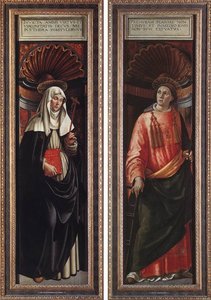
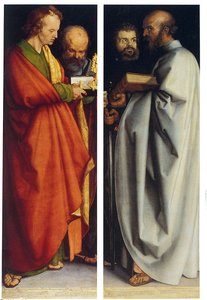
Artist Biography
early life and training
maerten van heemskerck, a prominent dutch portrait and religious painter, was born on june 1, 1498, in the village of heemskerk, north holland. his artistic journey began under the guidance of cornelius willemsz in haarlem, followed by a brief stint in delft with jan lucasz. eventually, he became a pupil of jan van scorel, adopting his teacher's italian-influenced style.career highlights
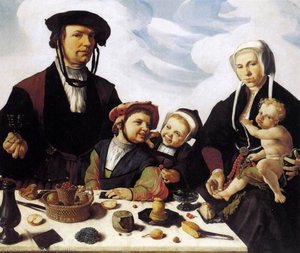
- maerten van heemskerck's work is characterized by its innovative blend of dutch and italian influences, as seen in his famous family portrait, considered the first of its kind in a long line of dutch family paintings.
- his collaboration with antonio da sangallo the younger, battista franco, and francesco de' rossi (il salviati) on the redecoration of the porta san sebastiano in rome, a triumphal arch in honor of charles v, showcases his rapid execution as a scene-painter.
- heemskerck's drawings of classical sculpture and architecture, now preserved in two sketchbooks at the kupferstichkabinett berlin, demonstrate his skill in capturing the essence of italian art.
notable works and legacy
- the donor and saint mary magdalene (view at ArtsDot)
- the virgin and saint john the evangelist (view at ArtsDot)
- samson shattering the pillars of the temple, maarten van heemskerck (view at ArtsDot)
conclusion
maerten van heemskerck's profound impact on the art world is undeniable. his works, now a part of various museum collections, including the rijksmuseum, continue to inspire artists and art enthusiasts alike. to explore more of his masterpieces, visit maerten van heemskerck's page on ArtsDot. for a deeper understanding of his life and works, refer to his biography on wikipedia.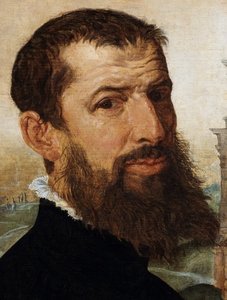
maerten van heemskerck
1498 - 1574
Quick Facts
- Artistic Movement Or Style: Mannerism
- Artists Who Influenced This Artist:
- Jan van Scorel
- Antonio da Sangallo the Younger
- Date Of Birth: June 1, 1498
- Date Of Death: October 1, 1574
- Full Name: Maerten Jacobsz van Heemskerck
- Nationality: Dutch
- Notable Artworks:
- Lamentation on the Dead Christ
- Pieter Jan Foppeszoon and his Family
- Christ as the Man of Sorrows
- Place Of Birth: Heemskerk, Netherlands
Related Articles

Rembrandt's Masterpieces: Explore 25 Iconic Paintings & Prints | ArtsDot
Journey through Rembrandt van Rijn's 25 most iconic paintings & etchings. Explore Dutch Golden Age masterpieces, dramatic chiaroscuro, and timeless portraits. Find museum-quality art reproductions to elevate your home decor on ArtsDot.com.
Maerten van Heemskerck: Bridging Mannerism & Renaissance Ideals
Explore the captivating world of Maerten van Heemskerck, a pivotal Dutch Renaissance painter bridging Mannerism & Italian influence. Discover his masterpieces and legacy with ArtsDot.
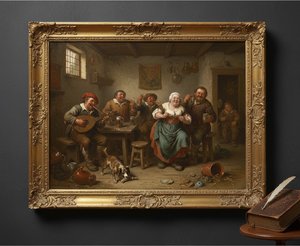
Adriaen van Ostade: A Master of Dutch Genre Painting & Social Commentary
Explore the life & work of Adriaen van Ostade, a leading Dutch Golden Age painter. Discover his realistic genre scenes, social commentary, and lasting influence on art history. Learn more at ArtsDot.
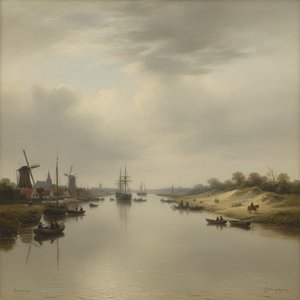
Jan van Goyen: Master of Dutch Landscape & Atmospheric Perspective
Discover Jan van Goyen, the master of Dutch landscape painting. Explore his subtle technique, atmospheric realism & lasting influence on art history. Learn about this 17th-century pioneer at ArtsDot.
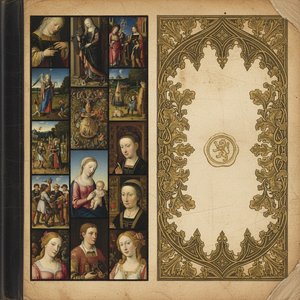
Early Netherlandish Masters: 10 Paintings That Revolutionized Art & Decor
Journey into the world of Early Netherlandish painting! Explore 10 masterpieces by Jan van Eyck, Rogier van der Weyden & more. Discover stunning detail, symbolism & Renaissance art for your home decor. Find museum-quality reproductions on ArtsDot.com