 Preview
 Send
Send Share
Share
 Details

 Download
 Similars
 X-Ray
X-Ray Diaporama
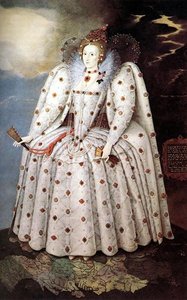
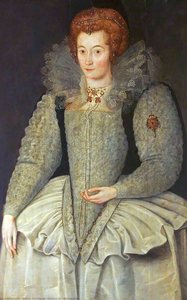
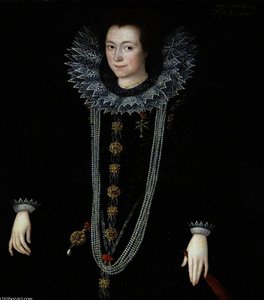
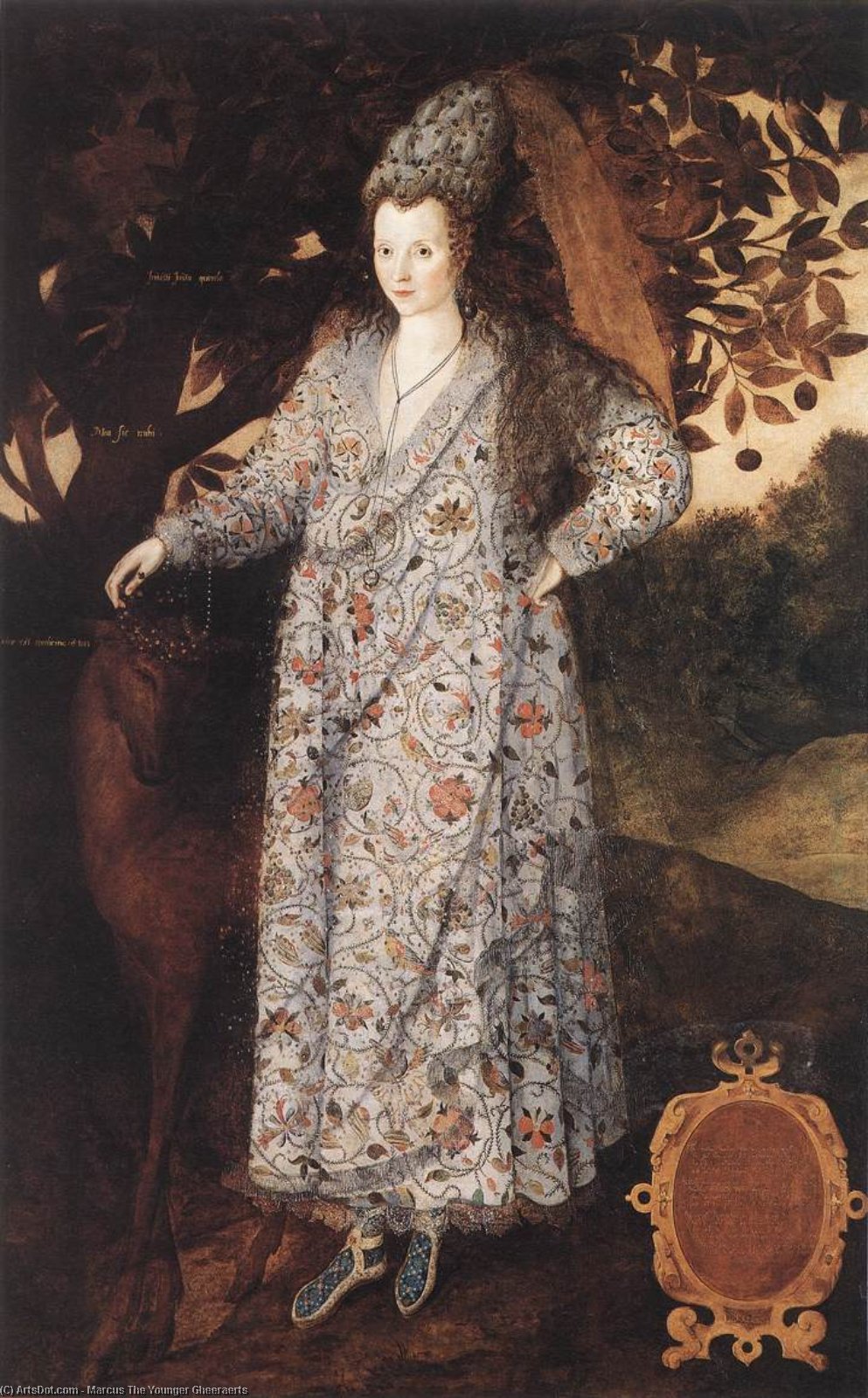
Portrait of a Woman
 Oil On Canvas
- WallArt
- Northern Renaissance
 1590
1590 217.0 x 135.0 cm
 Royal Collection
 Read More
Hand Made Oil Reproduction
Hand-painted oil on canvas in your size and frame, made to order by our artists. ( Buy Print Buy Image)




P118B $10

P118H $10

P118W $10

P438Z $10

P508JH $12

P508YH $12

P805H $10

P805Z $10

P919BZ $10

P919G $10

P919XJ $10

P959ZH $10

P968JZ $12

W106C $8

W218G $10

W218JH $8

W218Y $10

W307PJ $10

W316G $10

W316PJ $8

W316Y $10

W398PJ $8

W4111J $10

W500HY $15

W500JH $15

W692G $12

W849H $8

W940BG $15

W953PJ $8




Pick from our preset sizes that match the artwork's original proportions.

You may enter your own dimensions to fit a specific frame or space. If your selected size does not match the original image's proportions, we will either crop the artwork or extend the painting with additional hand-painted elements. A digital mockup will be sent for your approval before production begins.
Please note that the on-screen preview does not reflect the actual cropping or extension. Only the mockup will accurately show the final composition.
While custom sizes are available, we recommend selecting a dimension from the predefined list to preserve the original proportions.
After order, ArtsDot.com team will email client for instructions and provide a mockup preview
Worldwide Delivery () in 3/4 weeks instead of standard 5 weeks. (28 August). No compromise on quality.

Free Worldwide Express Shipping

High-Quality Linen Canvas

Full Shipping Insurance

Customs Tax Refund Guarantee

True Color Matching Guarantee

60-Day Return Policy (Defects Only)

100% Money-Back Guarantee

Bulk Discount Offer
 Glass option is only available in size under 110 CM

Portrait of a Woman
Reproduction Medium
Reproduction Size
-


Total Price
$ 263
A Window into Elizabethan Grace: The Portrait of a Woman
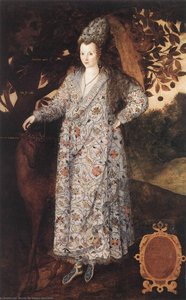
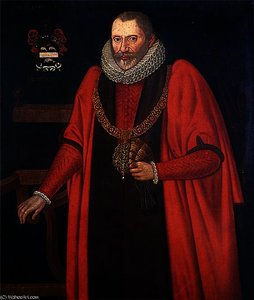
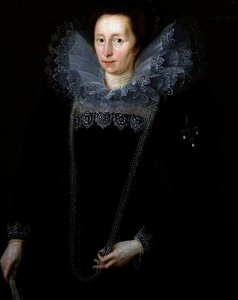
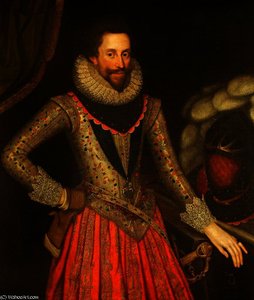
Marcus Gheeraerts the Younger’s “Portrait of a Woman,” painted circa 1590, isn't merely a depiction of an individual; it’s a carefully constructed allegory, a whisper from the heart of Elizabethan England. This arresting oil on canvas, now residing within the Royal Collection at Windsor, transcends the conventions of portraiture to offer a glimpse into the complex social and symbolic landscape of its time. The painting immediately draws the eye with its somber palette – deep blues, browns, and greys—a deliberate choice that lends an air of quiet contemplation and perhaps even melancholy to the subject’s gaze.
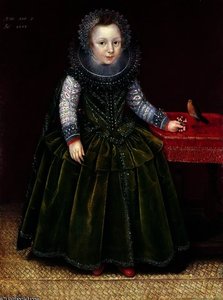
The sitter herself remains shrouded in a degree of mystery; her identity has never been definitively established. Yet, through meticulous observation and a masterful understanding of artistic technique, Gheeraerts has captured something far more profound than a likeness. The woman's posture is subtly poised, one hand resting gracefully on her hip, the other lightly touching what appears to be a small bird perched upon her index finger – an emblem of innocence, freedom, or perhaps even divine grace. This delicate interaction immediately elevates the portrait beyond a simple representation of beauty and suggests a deeper connection between the sitter and the natural world.
The Northern Renaissance Influence: Symbolism and Detail
Gheeraerts’ style is deeply rooted in the traditions of the Northern Renaissance, particularly the work of artists like Marcus Gheeraerts the Elder. He inherited a penchant for intricate detail and a keen awareness of symbolism, elements that are abundantly evident in this portrait. The background landscape, rendered with careful attention to texture and light, isn't merely decorative; it’s integral to the painting’s meaning. The prominent tree, laden with symbolic weight, represents longevity, fertility, and connection to the earth – a potent reminder of the cyclical nature of life and death.
- The Tree: Symbolizes longevity, fertility, and connection to the earth.
- The Stag: Represents nobility, strength, and virility.
- The Flowers: Often associated with beauty, love, and virtue.
- The Bird: Frequently symbolizes innocence, freedom, or divine grace.
Furthermore, the woman’s attire—richly adorned with pearls and a pendant featuring a miniature – speaks volumes about her social standing and status within Elizabethan society. The inclusion of these details isn't arbitrary; they are carefully chosen to reinforce the painting’s allegorical message.
A Revolutionary Portrait: Technique and Context
What truly distinguishes “Portrait of a Woman” is Gheeraerts’ innovative approach to portraiture. He moved away from the flat, idealized representations favored by some of his contemporaries and embraced a more three-dimensional style, utilizing subtle shading and tonal variations to create a sense of depth and realism. This technique—a departure from the prevailing artistic norms—was revolutionary for its time, reflecting a shift in artistic sensibilities and a desire to capture not just outward appearance but also inner character.
Painted during the reign of Queen Elizabeth I, this portrait is a product of a vibrant cultural milieu marked by both political intrigue and artistic innovation. Gheeraerts’ work reflects the era's fascination with symbolism, allegory, and the exploration of human psychology. The painting stands as a testament to his skill and vision—a captivating window into the complexities of Elizabethan England.
Discovering the Masterpiece
Reproductions of “Portrait of a Woman” are available through ArtsDot.com, offering an exceptional opportunity to bring this iconic artwork into your home or office. Explore the full details and high-resolution images on our website: Portrait of a Woman. For further insights, delve into the artist’s biography and related works on our site and through external resources like Wikipedia and the Web Gallery of Art.
Related Artworks
Artist Biography
A Life in Exile: The Artistic Journey of Marcus Gheeraerts the Elder
Marcus Gheeraerts the Elder, born in Bruges, Flanders, in 1521, was a figure inextricably linked to the turbulent religious and political landscape of 16th-century Europe. His life wasn’t one of settled artistic development within a single court or tradition, but rather a compelling narrative of exile, adaptation, and innovation. Initially trained in the Flemish style—a world steeped in meticulous detail and Northern Renaissance realism—Gheeraerts found his path dramatically altered by the escalating religious persecutions under Spanish rule. The Alvan edicts, imposing strict Catholic orthodoxy, forced him to flee Flanders in 1568, seeking refuge in England with his son, Marcus Gheeraerts the Younger. This relocation proved pivotal, embedding him within the orbit of Queen Elizabeth I’s court and shaping the trajectory of his artistic career.From Bruges to Whitehall: Establishing a New Artistic Identity
The move to England wasn't merely a geographical shift; it was a complete reinvention. Gheeraerts quickly integrated himself into London’s artistic circles, leveraging existing skills while responding to the distinct tastes of his new patrons. His marriage to Sussanah de Critz, connected to John de Critz—the Queen’s serjeant-painter—further solidified his position. While he continued painting portraits, it was as a printmaker that Gheeraerts truly distinguished himself. He spent at least nine years in London, and possibly returned to Flanders around 1577, maintaining ties with England throughout. His son, Marcus the Younger, remained enrolled in the painters’ guild, and his daughter Sarah married Isaac Oliver, another prominent limner, demonstrating a sustained network of artistic connections. This period saw Gheeraerts navigate between Flemish traditions and emerging English styles, creating a unique hybrid aesthetic that appealed to the courtly sensibilities of Elizabeth I's reign.The Innovator in Print: Etching and the Revival of Aesop
Gheeraerts’ most enduring legacy lies in his pioneering work as an etcher. In an era dominated by woodcut and engraving, he embraced etching with remarkable enthusiasm, experimenting with its possibilities and pushing the boundaries of the technique. His 1562 birds-eye view of Bruges stands as a testament to this innovation—a monumental map created on ten separate plates, measuring an impressive one meter by eighteen meters. This ambitious project showcased his technical prowess and artistic vision. However, it was his illustrated edition of Aesop’s Fables, published in 1567, that cemented his reputation. De warachtighe fabulen der dieren, as the Dutch title reads, wasn't simply a retelling of classic tales; it was a vibrant reimagining brought to life through Gheeraerts’ detailed and expressive etchings. He collaborated with Edewaerd de Dene, who penned the fables in Flemish verse, creating a cohesive artistic work that resonated with contemporary audiences.Style and Influences: Bruegel and Beyond
Gheeraerts' style reveals a clear debt to Pieter Bruegel the Elder, particularly in his depictions of everyday life and landscapes. He shared Bruegel’s keen eye for detail and ability to capture the nuances of human behavior. However, Gheeraerts infused his work with a distinct naturalism, especially evident in his renderings of birds and animals—a skill that proved invaluable given the limited demand for religious art during the Reformation. The fables provided an ideal outlet for this talent, allowing him to showcase his observational skills within a secular context. He didn’t merely copy existing imagery; he adapted woodcuts by Virgil Solis and Bernard Salomon, imbuing them with greater realism and vitality. His subjects are not simply illustrative but possess a lively energy that sets them apart. The subsequent French and Latin editions of the fables further demonstrate his adaptability and commitment to reaching a wider audience.Historical Significance: A Bridge Between Traditions
Marcus Gheeraerts the Elder occupies a unique position in art history as a transitional figure, bridging the gap between Flemish Renaissance traditions and the emerging artistic landscape of Elizabethan England. His innovative use of etching not only expanded the possibilities of printmaking but also contributed to the dissemination of humanist ideas through accessible imagery. While his portraits catered to the tastes of the English court, it was his work on Aesop’s Fables that revealed his true artistic depth—a testament to his observational skills, technical mastery, and ability to adapt to changing cultural contexts. He left a lasting mark not only through his own creations but also through the legacy of his son, Marcus Gheeraerts the Younger, who continued to flourish as a portrait painter in England. His story is one of resilience, adaptation, and artistic innovation—a compelling reminder of the power of art to transcend political boundaries and cultural upheaval.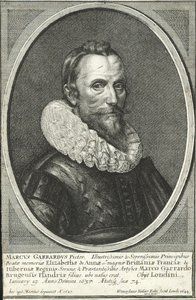
marcus the younger gheeraerts
1521 - 1591 , Belgium
Quick Facts
- Artistic Movement Or Style: Renaissance printmaking
- Artists Who Influenced This Artist:
- Pieter Bruegel the Elder
- Virgil Solis
- Date Of Birth: 1521
- Date Of Death: 1591
- Full Name: Marcus Gheeraerts the Elder
- Nationality: Flemish
- Notable Artworks:
- Aesop's Fables (1567)
- Birds-eye view of Bruges
- Mythologia ethica
- Place Of Birth: Bruges, Belgium
Related Articles
The Enduring Legacy of Formal Portraiture: Power, Identity & Artistic Exploration
Explore the rich history of formal portraiture & its enduring power to capture identity and shape perception. Discover investment-worthy artworks, expert appraisals, and custom reproduction services at ArtsDot.
The Enduring Gaze: Portraiture's Historical & Psychological Evolution
Explore the rich history of portraiture with expert analysis from ArtsDot. Discover iconic Renaissance masterpieces, symbolism & techniques that shaped identity. Find museum-quality art for your collection.
The Grandeur of Presence: Exploring Representations of Stately Bearing in Western Portraiture
Explore the art of stately bearing in Western portraiture with expert analysis of Renaissance & Baroque masterpieces. Discover symbolism, techniques, and the legacy of iconic portraits – a guide for discerning collectors.
Jan Brueghel the Elder: A Master of Flemish Landscape & Allegory – Exploring Innovation & Influence
Explore the captivating world of Jan Brueghel the Elder, a Flemish Baroque master renowned for his stunning landscapes & allegorical paintings. Discover his collaborations with Rubens and lasting artistic legacy.
The Enduring Gaze: A Historical & Artistic Exploration of Portraiture Across Cultures
Explore the rich history of portraiture with ArtsDot.com! Discover symbolism, techniques & master artists from antiquity to modern times. Expert insights for art collectors.