 Preview
 Send
Send Share
Share
 Details

 Download
 Similars
 X-Ray
X-Ray Diaporama
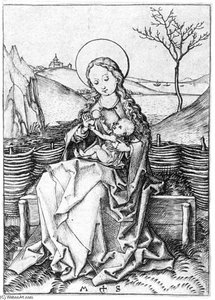
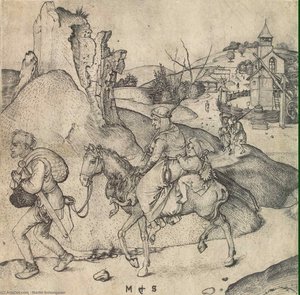
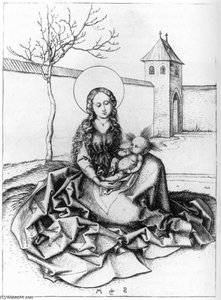
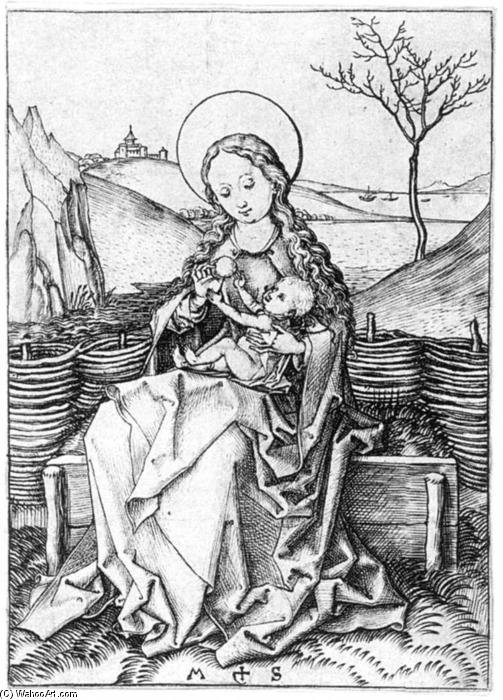
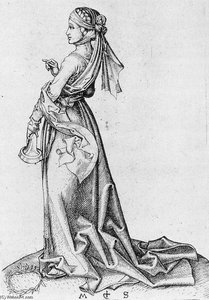
Madonna on the Turf Bench
 Engraving
- Other
- Northern Renaissance
 Renaissance
 12.0 x 8.0 cm
 Staatliche Museen
 Read More
Hand Made Oil Reproduction
Hand-painted oil on canvas in your size and frame, made to order by our artists. ( Buy Print Buy Image)




P118B $10

P118H $10

P118W $10

P438Z $10

P508JH $12

P508YH $12

P805H $10

P805Z $10

P919BZ $10

P919G $10

P919XJ $10

P959ZH $10

P968JZ $12

W106C $8

W218G $10

W218JH $8

W218Y $10

W307PJ $10

W316G $10

W316PJ $8

W316Y $10

W398PJ $8

W4111J $10

W500HY $15

W500JH $15

W692G $12

W849H $8

W940BG $15

W953PJ $8




Pick from our preset sizes that match the artwork's original proportions.

You may enter your own dimensions to fit a specific frame or space. If your selected size does not match the original image's proportions, we will either crop the artwork or extend the painting with additional hand-painted elements. A digital mockup will be sent for your approval before production begins.
Please note that the on-screen preview does not reflect the actual cropping or extension. Only the mockup will accurately show the final composition.
While custom sizes are available, we recommend selecting a dimension from the predefined list to preserve the original proportions.
After order, ArtsDot.com team will email client for instructions and provide a mockup preview
Worldwide Delivery () in 3/4 weeks instead of standard 5 weeks. (16 August). No compromise on quality.

Free Worldwide Express Shipping

High-Quality Linen Canvas

Full Shipping Insurance

Customs Tax Refund Guarantee

True Color Matching Guarantee

60-Day Return Policy (Defects Only)

100% Money-Back Guarantee

Bulk Discount Offer
 Glass option is only available in size under 110 CM

Madonna on the Turf Bench
Reproduction Medium
Reproduction Size
-


Total Price
$ 288
Artwork Description
Madonna on the Turf Bench by Martin Schongauer
Martin Schongauer’s “Madonna on the Turf Bench,” created around 1480 during the High Renaissance, stands as an exquisite testament to Northern European artistic prowess and a profound exploration of faith. This captivating engraving captures a serene biblical scene—the Virgin Mary seated upon a simple turf bench—a composition imbued with meticulous detail that exemplifies Schongauer’s signature style and anticipates the monumental achievements of Albrecht Dürer.Composition & Technique: A Symphony of Line
The artwork's central balance is immediately striking; Mary occupies the visual core, drawing the eye inward while simultaneously anchoring the scene within a richly textured landscape backdrop. Schongauer masterfully employs hatching and cross-hatching techniques—a hallmark of Northern Renaissance engraving—to build up tonal variations that convey depth and realism. Fine lines delineate every element, from the folds of Mary’s robe to the individual blades of grass in the meadow, demonstrating an unparalleled command of linework. The inclusion of a small bird perched on a branch adds a subtle touch of life and contributes to the overall sense of tranquility. Geometric shapes—the bench itself—provide structural support while subtly guiding the viewer's gaze.Landscape & Symbolism: Harmony Amidst Nature
The expansive landscape surrounding Mary is more than mere decorative embellishment; it serves as a powerful symbol of God’s benevolent dominion over creation. Rolling hills, meandering waterways, and dense foliage converge to form a harmonious panorama—a deliberate contrast to the intimacy of the Madonna and Child tableau. This juxtaposition underscores themes of divine grace enveloping earthly existence, reflecting prevalent spiritual beliefs during Schongauer's time. The depiction of boats traversing the water suggests journeys toward salvation and reinforces the overarching narrative of faith and redemption.Schongauer’s Legacy: Influencing Artistic Innovation
Martin Schongauer is recognized as the foremost German engraver before Dürer, marking him as a pivotal figure in establishing printmaking as an art form. His meticulous attention to detail—a characteristic inherited from his goldsmithing training—directly influenced Albrecht Dürer's groundbreaking approach to engraving and solidified Schongauer’s position as a pioneer of artistic innovation. “Madonna on the Turf Bench” exemplifies this legacy, demonstrating Schongauer’s ability to translate visual observation into an emotionally resonant image that continues to inspire admiration centuries later.A Window Into Northern Renaissance Spirituality
“Madonna on the Turf Bench” transcends mere representation; it embodies the spiritual ethos of the Northern Renaissance—a period characterized by profound contemplation and a fervent devotion to religious iconography. The halo encircling Jesus’ head signifies his divine status, reinforcing the artwork's central message of piety and humility. Schongauer’s masterful engraving technique captures not only visual accuracy but also an intangible quality – a palpable sense of peace and reverence—making it a timeless masterpiece that resonates with viewers across generations.Related Artworks
Artist Biography
Martin Schongauer: Life and Legacy
Early Life and Training
Martin Schongauer, born around 1450 in Colmar, Alsace (now France), was a pivotal figure in the development of printmaking during the Northern Renaissance. He came from a family of artisans; his father, Caspar Schongauer, was a goldsmith who had moved to Colmar from Augsburg, Germany, around 1440. This familial background significantly influenced Martin’s early artistic training, as goldsmithing provided a strong foundation in precise detail and metalworking techniques – skills directly transferable to engraving.
Education and Artistic Development
In 1465, Schongauer briefly attended the University of Leipzig, but he soon abandoned academic pursuits to dedicate himself fully to art. He initially trained as a painter under Caspar Isenmann, a local master influenced by Early Netherlandish painting, particularly the work of Rogier van der Weyden. This early exposure to Netherlandish realism and attention to detail would become hallmarks of Schongauer’s own style.
Artistic Style and Influences
Schongauer's artistic style is characterized by a clear, organized Gothic aesthetic blended with the emerging influences of the Northern Renaissance. He notably lacked direct Italian influence, instead drawing inspiration from German and Early Netherlandish traditions. His work demonstrates meticulous detail, expressive figures, and a sophisticated understanding of composition.
- Key Characteristics: Precise engraving, realistic depictions, dramatic narratives, Gothic structure
- Influences: Rogier van der Weyden, Caspar Isenmann, German Gothic traditions
Major Achievements and Works
Schongauer is best known for his 116 engravings, each identified by his monogram. These prints were widely disseminated throughout Europe, significantly impacting the development of printmaking techniques and artistic styles. His engravings often depicted religious scenes, portraits, and allegorical subjects.
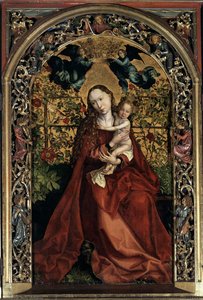
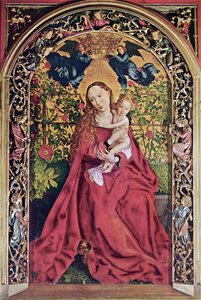
- Madonna of the Rose Bower (1473): A significant painting showcasing his skill in depicting delicate details and emotional depth.
- Engravings: Including *The Temptation of Saint Anthony*, *The Adoration of the Shepherds*, and numerous others, demonstrating his mastery of the engraving technique.
Historical Significance and Legacy
Martin Schongauer’s impact on the art world was substantial. He was one of the first German artists to achieve international recognition as an engraver. His prints were highly sought after and widely copied, spreading his artistic style across Europe. It is even documented that Michelangelo himself studied and copied one of Schongauer's engravings – *The Trial of Saint Anthony* – demonstrating the high regard in which Schongauer was held by later masters.
Schongauer’s work bridged the gap between Gothic art and the Renaissance, paving the way for artists like Albrecht Dürer. His innovative use of engraving techniques and his commitment to artistic detail left an enduring legacy on the history of printmaking and Northern European art.
Death
Martin Schongauer died in Breisach on February 2, 1491, leaving behind a remarkable body of work that continues to be celebrated for its artistic merit and historical significance.
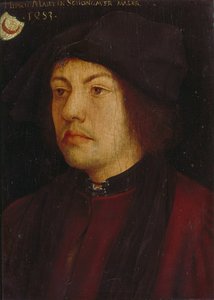
Martin Schongauer
1450 - 1491 , Germany
Quick Facts
- Birth Date: c. 1450–1453
- Birth Place: Colmar, Alsace
- Death Date: 2 February 1491
- Influenced:
- Michelangelo
- Albrecht Dürer
- Influenced By:
- Rogier van der Weyden
- Caspar Isenmann
- Movement:
- Gothic art
- Northern Renaissance
- Name: Martin Schongauer
- Nationality: German
- Notable Works:
- Madonna of the Rose Bower
- Engravings (116)
Related Articles
Charles Martin Hardie: A Pioneer of Colour Woodcut & British Printmaking Revival
Discover Charles Martin Hardie (1858-1916), a pivotal Scottish artist renowned for his evocative portraits and pioneering colour woodcut technique. Explore his life, work, and lasting influence on British printmaking.
Engraving's Golden Age: 10 Masterpieces That Redefined Art | ArtsDot
Journey through art history with our Top 10 Legendary Engravings! Explore masterpieces by Dürer, Rembrandt & Goya. Discover the stories behind these iconic prints and find museum-quality reproductions for your home at ArtsDot.com.

Early Netherlandish Masters: 10 Paintings That Revolutionized Art & Decor
Journey into the world of Early Netherlandish painting! Explore 10 masterpieces by Jan van Eyck, Rogier van der Weyden & more. Discover stunning detail, symbolism & Renaissance art for your home decor. Find museum-quality reproductions on ArtsDot.com
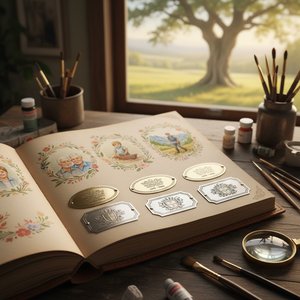
Beyond Portraiture: Commemorate Life's Stories with Hand-Painted Art & Engraved Legacy Plates
Transform cherished photos into timeless hand-painted oil paintings with ArtsDot.com. Personalize your art with engraved nameplates & create a lasting legacy. Expert craftsmanship, secure delivery & 100% satisfaction guaranteed.

The Intricate World of Engraving: A Historical Survey of Technique, Artistic Expression & Enduring Legacy
Explore the rich history of engraving with ArtsDot. Discover techniques, iconic artists like Dürer & Callot, collecting tips, and expert guidance for preserving your art investment. Learn about intaglio printing & more!