 Preview
 Send
Send Share
Share
 Details

 Download
 Similars
 X-Ray
X-Ray Diaporama
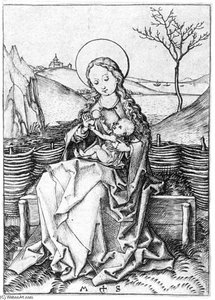
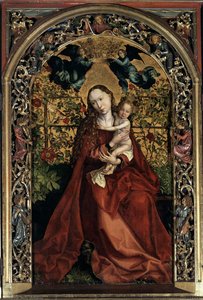
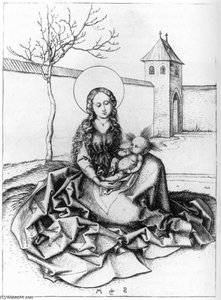
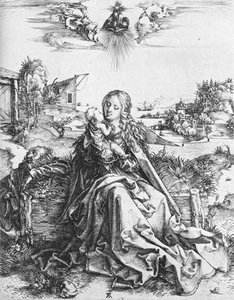
Madonna and Child in the Couryard
 Engraving
- WallArt
- Northern Renaissance
 1480
1480 166.0 x 119.0 cm
 Staatliche Museen
 Read More
Hand Made Oil Reproduction
Hand-painted oil on canvas in your size and frame, made to order by our artists. ( Buy Print Buy Image)




P118B $10

P118H $10

P118W $10

P438Z $10

P508JH $12

P508YH $12

P805H $10

P805Z $10

P919BZ $10

P919G $10

P919XJ $10

P959ZH $10

P968JZ $12

W106C $8

W218G $10

W218JH $8

W218Y $10

W307PJ $10

W316G $10

W316PJ $8

W316Y $10

W398PJ $8

W4111J $10

W500HY $15

W500JH $15

W692G $12

W849H $8

W940BG $15

W953PJ $8




Pick from our preset sizes that match the artwork's original proportions.

You may enter your own dimensions to fit a specific frame or space. If your selected size does not match the original image's proportions, we will either crop the artwork or extend the painting with additional hand-painted elements. A digital mockup will be sent for your approval before production begins.
Please note that the on-screen preview does not reflect the actual cropping or extension. Only the mockup will accurately show the final composition.
While custom sizes are available, we recommend selecting a dimension from the predefined list to preserve the original proportions.
After order, ArtsDot.com team will email client for instructions and provide a mockup preview
Worldwide Delivery () in 3/4 weeks instead of standard 5 weeks. (16 August). No compromise on quality.

Free Worldwide Express Shipping

High-Quality Linen Canvas

Full Shipping Insurance

Customs Tax Refund Guarantee

True Color Matching Guarantee

60-Day Return Policy (Defects Only)

100% Money-Back Guarantee

Bulk Discount Offer
 Glass option is only available in size under 110 CM

Madonna and Child in the Couryard
Reproduction Medium
Reproduction Size
-


Total Price
$ 288
Artwork Description
A Serene Vision of Faith: Exploring Martin Schongauer's "Madonna and Child in the Courtyard"
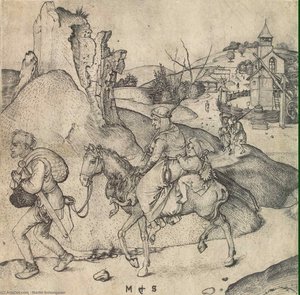
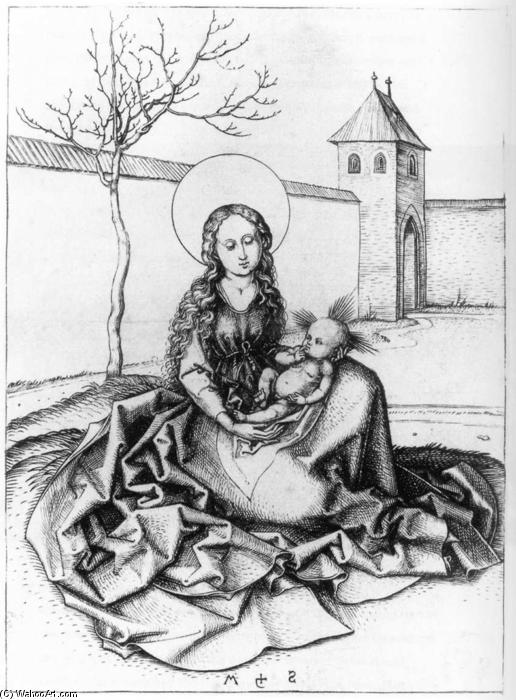
Martin Schongauer’s “Madonna and Child in the Courtyard,” a masterpiece crafted around 1480, offers a profound glimpse into the heart of Northern Renaissance art. More than simply a depiction of religious iconography, it’s a meticulously constructed tableau brimming with symbolic weight and technical brilliance—a testament to Schongauer's pioneering role as one of the first artists to truly master engraving. The image, rendered in stark monochrome, immediately draws the viewer into a quiet, contemplative space, inviting us to ponder the intimate connection between the Virgin Mary and her infant son within the protective embrace of their secluded sanctuary.
The composition itself is deceptively simple yet profoundly effective. Schongauer skillfully employs an off-center placement for the Madonna, creating a subtle dynamism that prevents the scene from feeling static. The low wall or courtyard fence acts as a grounding element, anchoring the figures while simultaneously suggesting a sense of enclosure and domesticity—a deliberate contrast to the grander, more public settings often associated with religious art. The distant building, topped with a steeple, provides a subtle backdrop, hinting at a wider world beyond this intimate haven, yet never threatening to overwhelm the central focus.
Technical Mastery: The Language of Line and Shadow
Schongauer’s genius lies not in color—which is absent here—but in his masterful manipulation of line. The entire image is built upon a dense network of meticulously etched lines, each carefully considered to convey texture, form, and depth. Hatching, cross-hatching, and stippling are deployed with astonishing precision, creating an illusion of shading and volume that rivals oil paint. The varying density of the lines simulates the roughness of stone walls, the folds of drapery, and even the soft glow of light on skin—a remarkable feat achieved entirely through line alone.
The engraving process itself is a testament to Schongauer’s skill. He worked on a copperplate, meticulously cutting away areas to reveal the white paper beneath, creating a subtractive technique that demanded incredible control and patience. The subtle gradations of tone achieved through this method are particularly striking, lending a remarkable sense of realism and atmosphere to the scene. Notice how the lines converge to create the illusion of depth, with the background building appearing slightly blurred and less detailed than the figures in the foreground—a classic technique for conveying atmospheric perspective.
Symbolism and Spiritual Resonance
Beyond its technical brilliance, “Madonna and Child” is rich in symbolic meaning. The halo above Mary’s head immediately signifies her sanctity and divine grace. The courtyard setting itself evokes a sense of protection and intimacy—a private space where the sacred encounter unfolds away from the demands of the outside world. This reinforces the image's focus on the profound, personal relationship between mother and child, representing not just religious devotion but also themes of love, nurture, and faith.
The bare tree branch extending from the upper left corner adds a touch of naturalism and perhaps even a subtle suggestion of mortality—a reminder that even in this serene sanctuary, life and death are intertwined. Schongauer’s deliberate restraint – the absence of vibrant color, the focus on line – amplifies the image's spiritual power, inviting viewers to contemplate the profound mysteries of faith and family.
A Legacy of Innovation
Martin Schongauer’s “Madonna and Child in the Courtyard” stands as a pivotal work in the history of printmaking. His innovative use of line and shading paved the way for future generations of engravers, including Michelangelo, who admired his meticulous detail and expressive power. This engraving exemplifies the Northern Renaissance's commitment to realism and emotional depth, solidifying Schongauer’s place as a true pioneer—a master whose legacy continues to inspire artists today. Reproductions of this iconic image offer a beautiful opportunity to experience firsthand the artistry and spiritual resonance of one of the 15th century’s most enduring treasures.
Related Artworks
Artist Biography
Martin Schongauer: Life and Legacy
Early Life and Training
Martin Schongauer, born around 1450 in Colmar, Alsace (now France), was a pivotal figure in the development of printmaking during the Northern Renaissance. He came from a family of artisans; his father, Caspar Schongauer, was a goldsmith who had moved to Colmar from Augsburg, Germany, around 1440. This familial background significantly influenced Martin’s early artistic training, as goldsmithing provided a strong foundation in precise detail and metalworking techniques – skills directly transferable to engraving.
Education and Artistic Development
In 1465, Schongauer briefly attended the University of Leipzig, but he soon abandoned academic pursuits to dedicate himself fully to art. He initially trained as a painter under Caspar Isenmann, a local master influenced by Early Netherlandish painting, particularly the work of Rogier van der Weyden. This early exposure to Netherlandish realism and attention to detail would become hallmarks of Schongauer’s own style.
Artistic Style and Influences
Schongauer's artistic style is characterized by a clear, organized Gothic aesthetic blended with the emerging influences of the Northern Renaissance. He notably lacked direct Italian influence, instead drawing inspiration from German and Early Netherlandish traditions. His work demonstrates meticulous detail, expressive figures, and a sophisticated understanding of composition.
- Key Characteristics: Precise engraving, realistic depictions, dramatic narratives, Gothic structure
- Influences: Rogier van der Weyden, Caspar Isenmann, German Gothic traditions
Major Achievements and Works
Schongauer is best known for his 116 engravings, each identified by his monogram. These prints were widely disseminated throughout Europe, significantly impacting the development of printmaking techniques and artistic styles. His engravings often depicted religious scenes, portraits, and allegorical subjects.
- Madonna of the Rose Bower (1473): A significant painting showcasing his skill in depicting delicate details and emotional depth.
- Engravings: Including *The Temptation of Saint Anthony*, *The Adoration of the Shepherds*, and numerous others, demonstrating his mastery of the engraving technique.
Historical Significance and Legacy
Martin Schongauer’s impact on the art world was substantial. He was one of the first German artists to achieve international recognition as an engraver. His prints were highly sought after and widely copied, spreading his artistic style across Europe. It is even documented that Michelangelo himself studied and copied one of Schongauer's engravings – *The Trial of Saint Anthony* – demonstrating the high regard in which Schongauer was held by later masters.
Schongauer’s work bridged the gap between Gothic art and the Renaissance, paving the way for artists like Albrecht Dürer. His innovative use of engraving techniques and his commitment to artistic detail left an enduring legacy on the history of printmaking and Northern European art.
Death
Martin Schongauer died in Breisach on February 2, 1491, leaving behind a remarkable body of work that continues to be celebrated for its artistic merit and historical significance.
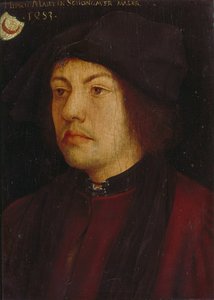
Martin Schongauer
1450 - 1491 , Germany
Quick Facts
- Birth Date: c. 1450–1453
- Birth Place: Colmar, Alsace
- Death Date: 2 February 1491
- Influenced:
- Michelangelo
- Albrecht Dürer
- Influenced By:
- Rogier van der Weyden
- Caspar Isenmann
- Movement:
- Gothic art
- Northern Renaissance
- Name: Martin Schongauer
- Nationality: German
- Notable Works:
- Madonna of the Rose Bower
- Engravings (116)
Related Articles
Engraving's Golden Age: 10 Masterpieces That Redefined Art | ArtsDot
Journey through art history with our Top 10 Legendary Engravings! Explore masterpieces by Dürer, Rembrandt & Goya. Discover the stories behind these iconic prints and find museum-quality reproductions for your home at ArtsDot.com.
Engraving: A Historical Survey of Technique, Artistic Expression & Enduring Legacy
Explore the rich history of engraving with ArtsDot. Discover techniques, iconic artists like Dürer & Callot, collecting tips, and expert guidance for preserving your art investment. Learn about intaglio printing & more!

The Intricate World of Engraving: A Historical Survey of Technique, Artistic Expression & Enduring Legacy
Explore the rich history of engraving with ArtsDot. Discover techniques, iconic artists like Dürer & Callot, collecting tips, and expert guidance for preserving your art investment. Learn about intaglio printing & more!
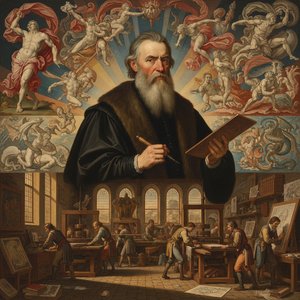
Hendrick Goltzius: Master Engraver & the Flourishing of Dutch Mannerism
Explore the life & art of Hendrick Goltzius, a master engraver of Dutch Mannerism. Discover his innovative techniques, iconic engravings like 'Jahel', and lasting influence on Baroque art. Learn about collecting Goltzius today.

Raphael's Masterpieces: 25 Iconic Paintings & Renaissance Art for Your Home
Explore 25 breathtaking Raphael paintings! Journey through the Italian Renaissance with masterpieces like 'School of Athens' & iconic Madonnas. Find museum-quality art reproductions and elevate your home decor on ArtsDot.com.