 Preview
 Send
Send Share
Share
 Details

 Download
 Similars
 X-Ray
X-Ray Diaporama
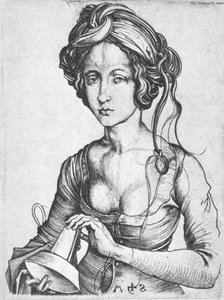
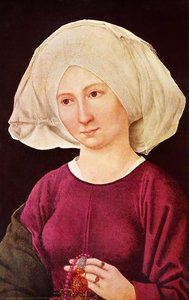
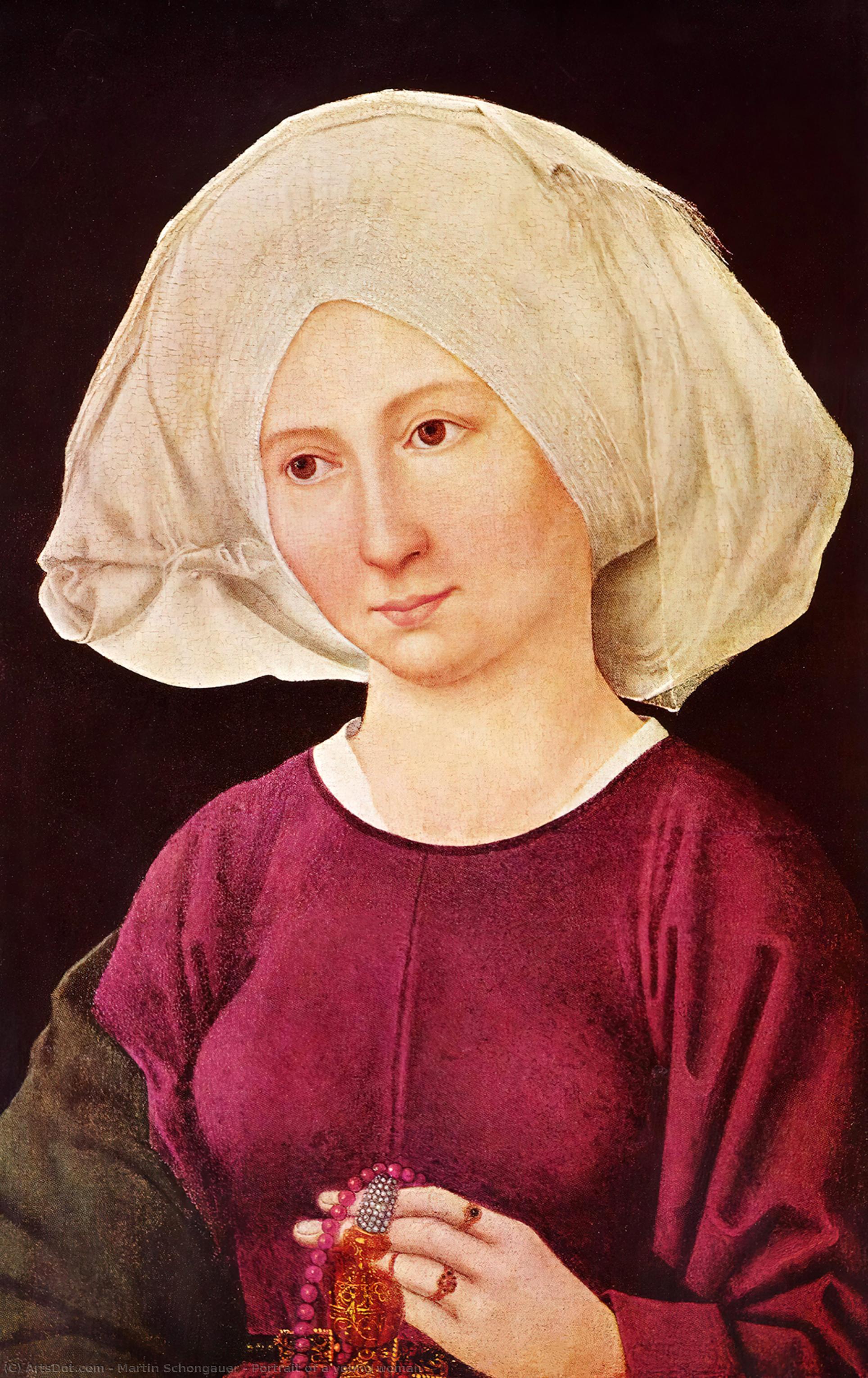
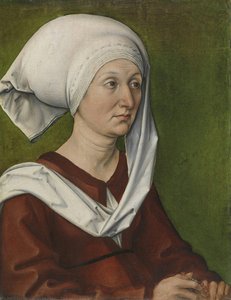
Portrait of a young woman
 Oil On Panel
- Northern Renaissance
 1480
1480- Renaissance
 52.0 x 34.0 cm
 Read More
Hand Made Oil Reproduction
Hand-painted oil on canvas in your size and frame, made to order by our artists. ( Buy Print Buy Image)




P118B $10

P118H $10

P118W $10

P438Z $10

P508JH $12

P508YH $12

P805H $10

P805Z $10

P919BZ $10

P919G $10

P919XJ $10

P959ZH $10

P968JZ $12

W106C $8

W218G $10

W218JH $8

W218Y $10

W307PJ $10

W316G $10

W316PJ $8

W316Y $10

W398PJ $8

W4111J $10

W500HY $15

W500JH $15

W692G $12

W849H $8

W940BG $15

W953PJ $8




Pick from our preset sizes that match the artwork's original proportions.

You may enter your own dimensions to fit a specific frame or space. If your selected size does not match the original image's proportions, we will either crop the artwork or extend the painting with additional hand-painted elements. A digital mockup will be sent for your approval before production begins.
Please note that the on-screen preview does not reflect the actual cropping or extension. Only the mockup will accurately show the final composition.
While custom sizes are available, we recommend selecting a dimension from the predefined list to preserve the original proportions.
After order, ArtsDot.com team will email client for instructions and provide a mockup preview
Worldwide Delivery () in 3/4 weeks instead of standard 5 weeks. (16 August). No compromise on quality.

Free Worldwide Express Shipping

High-Quality Linen Canvas

Full Shipping Insurance

Customs Tax Refund Guarantee

True Color Matching Guarantee

60-Day Return Policy (Defects Only)

100% Money-Back Guarantee

Bulk Discount Offer
 Glass option is only available in size under 110 CM

Portrait of a young woman
Reproduction Medium
Reproduction Size
-


Total Price
$ 263
Artwork Description
A Glimpse into the Northern Renaissance: The Soul of a Portrait
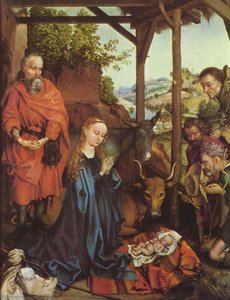
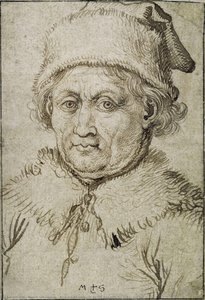
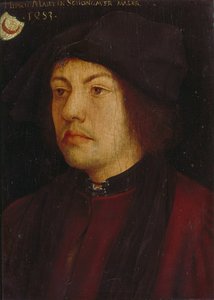
In the quiet intimacy of Martin Schongauer’s Portrait of a Young Woman, created around 1480, we encounter more than just a painted likeness; we enter a window into the profound spiritual and aesthetic values of the Northern Renaissance. This exquisite work, measuring a delicate 52 x 34 cm, captures a moment of serene contemplation that has captivated viewers for over five centuries. The subject, a young woman of grace, is presented with a focused, almost ethereal expression, her gaze directed toward something unseen by the viewer, yet deeply felt within the frame. Her attire—a soft veil resting upon long, flowing hair—serves as a testament to the period's fascination with both material beauty and the quiet dignity of the individual.
The composition is masterfully balanced, utilizing a vertical format that emphasizes the subject's upright, poised stature. While the foreground is dominated by her luminous face and upper body, Schongauer subtly introduces depth by placing two additional figures in the background. These secondary characters are not mere decorations; they provide a narrative context that suggests a larger world of social or religious significance, grounding the portrait within a lived reality. The dark, indistinct background acts as a velvet void, pushing the subject forward and ensuring that every subtle nuance of her features remains the focal point of our emotional engagement.
Mastery of Light, Texture, and Technique
Schongauer’s technical prowess is nothing short of extraordinary, reflecting his roots in the meticulous traditions of goldsmithing. Utilizing oil on panel, he employs a sophisticated layering and glazing technique that breathes life into the skin tones and fabric textures. The play of light across the subject's face is soft and diffused, avoiding harsh shadows to create an even, pearlescent glow that suggests a divine or idealized beauty. This mastery over light and shadow—the subtle chiaroscuro of the North—allows for a tactile quality where one can almost feel the weight of the heavy drapery and the delicate lightness of the veil.
The color palette is a harmonious blend of warm reds, creams, and deep, earthy tones, creating an atmosphere of warmth and stability. Every brushstroke serves the purpose of realism, from the fine strands of hair to the intricate folds of her clothing. For the discerning collector or interior designer, this painting offers a rich tapestry of textures that can anchor a room with historical weight and sophisticated elegance. The organic shapes of the subject's features and the flowing lines of her headdress contribute to a sense of movement and softness, making the piece feel remarkably alive even centuries after its creation.
Symbolism and the Legacy of Devotion
Beyond its aesthetic brilliance, the portrait is steeped in the symbolic language of the 15th century. The presence of a rosary within her attire serves as a poignant symbol of piety and religious devotion, a common theme in Northern Renaissance art where the material and spiritual worlds were inextricably linked. Her expression, characterized by a quiet intensity, suggests a soul in prayer or deep reflection, inviting the viewer to share in her moment of sanctity. This intersection of humanism and holiness is what makes Schongauerr's work so enduringly powerful.
As we look back on this masterpiece, we see the influence of a master who helped bridge the gap between the Gothic tradition and the burgeoning Renaissance. For those seeking to bring a piece of history into a modern space, a high-quality reproduction of this portrait offers an unparalleled opportunity to possess a fragment of the Northern Renaissance. It is an investment in beauty, a tribute to human emotion, and a timeless addition to any curated collection of fine art.
Related Artworks
Artist Biography
Martin Schongauer: Life and Legacy
Early Life and Training
Martin Schongauer, born around 1450 in Colmar, Alsace (now France), was a pivotal figure in the development of printmaking during the Northern Renaissance. He came from a family of artisans; his father, Caspar Schongauer, was a goldsmith who had moved to Colmar from Augsburg, Germany, around 1440. This familial background significantly influenced Martin’s early artistic training, as goldsmithing provided a strong foundation in precise detail and metalworking techniques – skills directly transferable to engraving.
Education and Artistic Development
In 1465, Schongauer briefly attended the University of Leipzig, but he soon abandoned academic pursuits to dedicate himself fully to art. He initially trained as a painter under Caspar Isenmann, a local master influenced by Early Netherlandish painting, particularly the work of Rogier van der Weyden. This early exposure to Netherlandish realism and attention to detail would become hallmarks of Schongauer’s own style.
Artistic Style and Influences
Schongauer's artistic style is characterized by a clear, organized Gothic aesthetic blended with the emerging influences of the Northern Renaissance. He notably lacked direct Italian influence, instead drawing inspiration from German and Early Netherlandish traditions. His work demonstrates meticulous detail, expressive figures, and a sophisticated understanding of composition.
- Key Characteristics: Precise engraving, realistic depictions, dramatic narratives, Gothic structure
- Influences: Rogier van der Weyden, Caspar Isenmann, German Gothic traditions
Major Achievements and Works
Schongauer is best known for his 116 engravings, each identified by his monogram. These prints were widely disseminated throughout Europe, significantly impacting the development of printmaking techniques and artistic styles. His engravings often depicted religious scenes, portraits, and allegorical subjects.
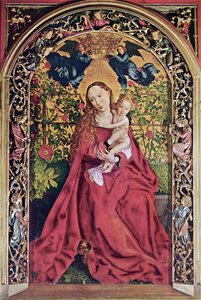
- Madonna of the Rose Bower (1473): A significant painting showcasing his skill in depicting delicate details and emotional depth.
- Engravings: Including *The Temptation of Saint Anthony*, *The Adoration of the Shepherds*, and numerous others, demonstrating his mastery of the engraving technique.
Historical Significance and Legacy
Martin Schongauer’s impact on the art world was substantial. He was one of the first German artists to achieve international recognition as an engraver. His prints were highly sought after and widely copied, spreading his artistic style across Europe. It is even documented that Michelangelo himself studied and copied one of Schongauer's engravings – *The Trial of Saint Anthony* – demonstrating the high regard in which Schongauer was held by later masters.
Schongauer’s work bridged the gap between Gothic art and the Renaissance, paving the way for artists like Albrecht Dürer. His innovative use of engraving techniques and his commitment to artistic detail left an enduring legacy on the history of printmaking and Northern European art.
Death
Martin Schongauer died in Breisach on February 2, 1491, leaving behind a remarkable body of work that continues to be celebrated for its artistic merit and historical significance.
Martin Schongauer
1450 - 1491 , Germany
Quick Facts
- Birth Date: c. 1450–1453
- Birth Place: Colmar, Alsace
- Death Date: 2 February 1491
- Influenced:
- Michelangelo
- Albrecht Dürer
- Influenced By:
- Rogier van der Weyden
- Caspar Isenmann
- Movement:
- Gothic art
- Northern Renaissance
- Name: Martin Schongauer
- Nationality: German
- Notable Works:
- Madonna of the Rose Bower
- Engravings (116)
Related Articles
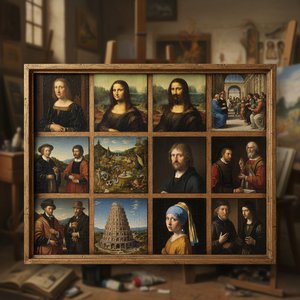
Oil on Panel Masters: 10 Paintings That Revolutionized Art |
Journey through 10 legendary 'Oil on Panel' masterpieces by Van Eyck, Bosch & Bruegel. Explore the stories behind these iconic Renaissance & Baroque paintings and find museum-quality art reproductions to elevate your home decor. Discover all masterpieces on !
Oil on Panel: A Historical Survey of Technique, Support & Aesthetic Evolution
Explore the rich history of oil on panel painting! Discover Renaissance techniques, support structures & aesthetic evolution. Expert insights for art collectors and enthusiasts.
Oil on Panel: A Historical Survey of Technique, Support, and Aesthetic Impact
Explore the rich history of oil on panel painting! Discover Renaissance techniques, support construction, & the enduring legacy of this masterful art form. Expert insights for collectors and enthusiasts.

The Enduring Legacy of Oil on Canvas: Technique, History & Aesthetic Impact
Explore the rich history & techniques of oil painting – from Renaissance masters to Impressionism. Discover pigments, layering methods, and why this timeless medium endures. Expert insights for artists & art enthusiasts.

Oil on Canvas: A Historical & Technical Exploration of a Timeless Artistic Medium
Explore the rich history & enduring techniques of oil painting on canvas. Discover the science behind its longevity, conservation practices, and contemporary relevance. Expert insights for art enthusiasts.