 Preview
 Send
Send Share
Share
 Details

 Download
 Similars
 X-Ray
X-Ray Diaporama
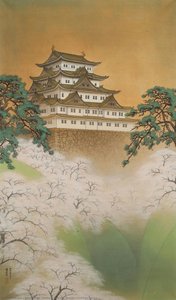
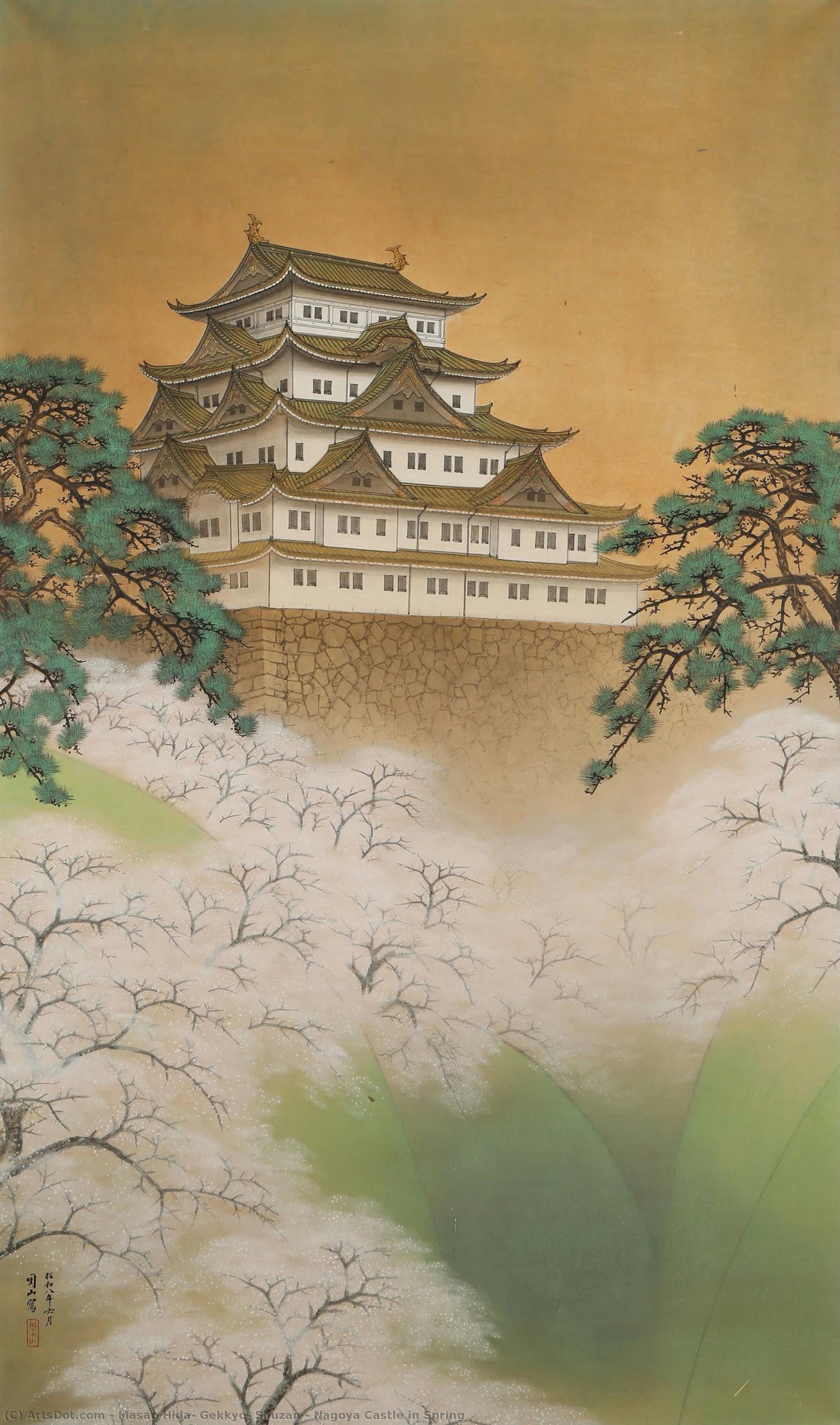
Nagoya Castle in Spring


 Read More
Giclée / Art Print
Museum-quality giclée or canvas print with fast production and flexible finish options. ( Buy Hand Made Painting Buy Image)




































Pick from our preset sizes that match the artwork's original proportions.

You may enter your own dimensions to fit a specific frame or space. If your selected size does not match the original image's proportions, we will either crop the artwork or extend the image with a mirrored or solid-fill edge. A digital mockup will be sent for your approval before production begins.
Please note that the on-screen preview does not reflect the actual cropping or extension. Only the mockup will accurately show the final composition.
While custom sizes are available, we recommend selecting a dimension from the predefined list to preserve the original proportions.
Worldwide Delivery () in 2 weeks instead of standard 4/5 weeks. (26 August)

Free Worldwide Express Shipping

High-Quality Linen Canvas

Full Shipping Insurance

Customs Tax Refund Guarantee

True Color Matching Guarantee

60-Day Return Policy (Defects Only)

100% Money-Back Guarantee

Bulk Discount Offer
 Glass option is only available in size under 110 CM

Nagoya Castle in Spring
Giclée / Art Print
Reproduction Size
-


Total Price
$ 63
Collectible Description
Related Artworks
Artist Biography
A Brush with Modernity: The Life and Art of Masao Hida (Gekkyo, Shuzan)
Masao Hida, known by his art names Gekkyo and Shuzan, stands as a compelling figure in the transition of Japanese painting during the early to mid-20th century. Born in Izumi, Japan, in 1877, Hida’s life coincided with a period of rapid modernization that profoundly impacted both the nation's identity and its artistic traditions. While deeply rooted in the classical Sumi-e (ink wash painting) style, he wasn’t merely a preserver of the past; instead, he actively participated in shaping a new aesthetic that balanced reverence for tradition with an embrace of contemporary themes and techniques. His story is inextricably linked to the rise of the *Nihon Bijutsuin* (Japan Art Institute), and particularly its Izura branch, which became a vital hub for artistic innovation under the guidance of Okakura Tenshin.The Seeds of Artistic Passion: Early Life and Education
Hida’s early exposure to art wasn't through formal institutions but rather through the burgeoning cultural atmosphere of his hometown. The arrival of Okakura Tenshin in Izura proved pivotal. Okakura, a charismatic advocate for Japanese art and philosophy, recognized the potential within the region and established a painting division of the *Nihon Bijutsuin* there. This wasn’t simply an educational outpost; it was a deliberate attempt to cultivate a new generation of artists who could both understand and represent Japan's artistic heritage in a changing world. Hida eagerly absorbed Okakura’s teachings, which emphasized not just technical skill but also the spiritual connection between artist, nature, and brushstroke. He studied alongside other prominent painters like Yokoyama Taikan, creating an environment of intense creative exchange and mutual inspiration. This period instilled in him a deep respect for classical techniques – meticulous brushwork, subtle gradations of ink, and the evocative power of empty space – but also encouraged experimentation and individual expression.A Synthesis of Tradition and Modernity: Artistic Development
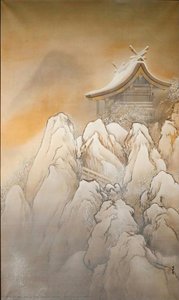
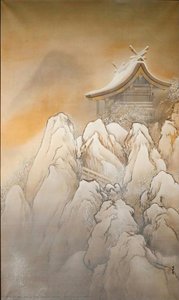
Hida’s artistic style is characterized by its remarkable detail and rigorous technique, yet it never feels overly academic or sterile. He primarily focused on landscapes and historical scenes, subjects deeply embedded in Japanese art history. However, his treatment of these themes was distinctly modern. While adhering to the principles of Sumi-e, he incorporated elements that reflected the changing world around him. His paintings often depict grand vistas with a sense of realism previously unseen in traditional ink wash painting. Nagoya Castle in Spring, for example, showcases his ability to capture both the architectural splendor and the delicate beauty of nature. The work is not simply a representation of a historical landmark; it’s an evocation of a specific time and place, imbued with a sense of nostalgia and reverence. Similarly, Snow-covered Temple, demonstrates his mastery of ink wash techniques to create atmosphere and mood. He skillfully uses varying shades of grey to convey the stillness and serenity of winter, highlighting the temple’s architectural details against the stark landscape.Legacy and Historical Significance
Masao Hida's contribution extends beyond his individual artworks. His role in fostering a vibrant artistic community in Izura was crucial during a period when traditional art forms were facing increasing competition from Western styles. By relocating the painting division of the *Nihon Bijutsuin* to Izura, Okakura and artists like Hida created a haven for Japanese painters who sought to preserve their cultural heritage while also embracing modernity. He helped establish Izura as a leading center for Japanese painting, attracting students and artists from across the country. His paintings continue to be celebrated for their technical brilliance, emotional depth, and ability to bridge the gap between tradition and innovation.- Masterful Sumi-e technique
- Detailed landscapes and historical scenes
- Influence on the Izura art community
- Bridging traditional Japanese art with modern aesthetics
masao hida, gekkyo, shuzan
1877 - 1945 , Japan
Quick Facts
- Artistic Movement Or Style: Sumi-e painting
- Artists Who Influenced This Artist:
- Okakura Tenshin
- Yokoyama Taikan
- Date Of Birth: 1877
- Date Of Death: 1945
- Full Name: Masao Hida
- Nationality: Japanese
- Notable Artworks:
- Nagoya Castle in Spring
- Snow-covered Temple
- Place Of Birth: Izumi, Japan
Related Articles

Hokusai's Masterpieces: 25 Iconic Prints & Paintings for Art Lovers | ArtsDot
Journey through Katsushika Hokusai’s 25 most iconic artworks, including *The Great Wave*. Explore the ukiyo-e master's history, style & timeless Japanese woodblock prints. Find museum-quality reproductions for your home at ArtsDot.com.
Serenity on Canvas: A Guide to the Timeless Beauty of Japanese Landscape Painting
Discover the serene beauty of Japanese landscape painting. From Hokusai's iconic woodblock prints to meditative sumi-e ink washes, explore a visual journey through the 'floating world' and learn how to bring this timeless Zen aesthetic into your modern home decor.
Ephemeral Expressions: Exploring the Nuances of Ink on Paper Through History & Contemporary Art
Explore the captivating world of ink wash painting – from its ancient origins to contemporary masters. Discover techniques, symbolism & conservation insights with ArtsDot.com.

Floating World: The Captivating Art and Legacy of Japanese Ukiyo-e
Explore the profound beauty of Japanese Ukiyo-e. Discover the history, masters like Hokusai, and the enduring legacy of the 'Floating World' through an expert art-historical lens.

Romantic Landscapes: 10 Masterpieces for Your Home | ArtsDot
Journey through 10 Romantic landscape masterpieces by Friedrich, Turner & Cole. Explore emotional art, sublime nature scenes & iconic 19th-century paintings. Find museum-quality reproductions for your home at ArtsDot.com – discover the full collection online!