 Preview
 Send
Send Share
Share
 Details

 Download
 Similars
 X-Ray
X-Ray Diaporama
Ritratto di Polissena d
 Oil On Canvas
- WallArt
- Baroque
 1700
1700- Early Modern
 117.0 x 202.0 cm
 Royal Palace of Venaria
 Read More
Hand Made Oil Reproduction
Hand-painted oil on canvas in your size and frame, made to order by our artists. ( Buy Print Buy Image)




P118B $10

P118H $10

P118W $10

P438Z $10

P508JH $12

P508YH $12

P805H $10

P805Z $10

P919BZ $10

P919G $10

P919XJ $10

P959ZH $10

P968JZ $12

W106C $8

W218G $10

W218JH $8

W218Y $10

W307PJ $10

W316G $10

W316PJ $8

W316Y $10

W398PJ $8

W4111J $10

W500HY $15

W500JH $15

W692G $12

W849H $8

W940BG $15

W953PJ $8




Pick from our preset sizes that match the artwork's original proportions.

You may enter your own dimensions to fit a specific frame or space. If your selected size does not match the original image's proportions, we will either crop the artwork or extend the painting with additional hand-painted elements. A digital mockup will be sent for your approval before production begins.
Please note that the on-screen preview does not reflect the actual cropping or extension. Only the mockup will accurately show the final composition.
While custom sizes are available, we recommend selecting a dimension from the predefined list to preserve the original proportions.
After order, ArtsDot.com team will email client for instructions and provide a mockup preview
Worldwide Delivery () in 3/4 weeks instead of standard 5 weeks. (17 August). No compromise on quality.

Free Worldwide Express Shipping

High-Quality Linen Canvas

Full Shipping Insurance

Customs Tax Refund Guarantee

True Color Matching Guarantee

60-Day Return Policy (Defects Only)

100% Money-Back Guarantee

Bulk Discount Offer
 Glass option is only available in size under 110 CM

Ritratto di Polissena d
Reproduction Medium
Reproduction Size
-


Total Price
$ 263
Artwork Description
Ritratto di Polissena d – Massimo Taparelli, Marquess Of Azeglio: A Window into Baroque Elegance
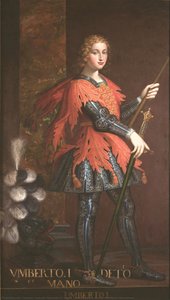
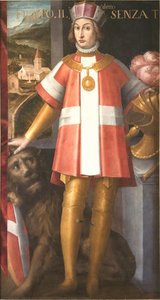
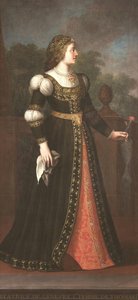
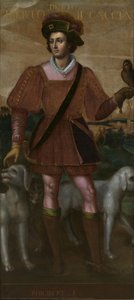
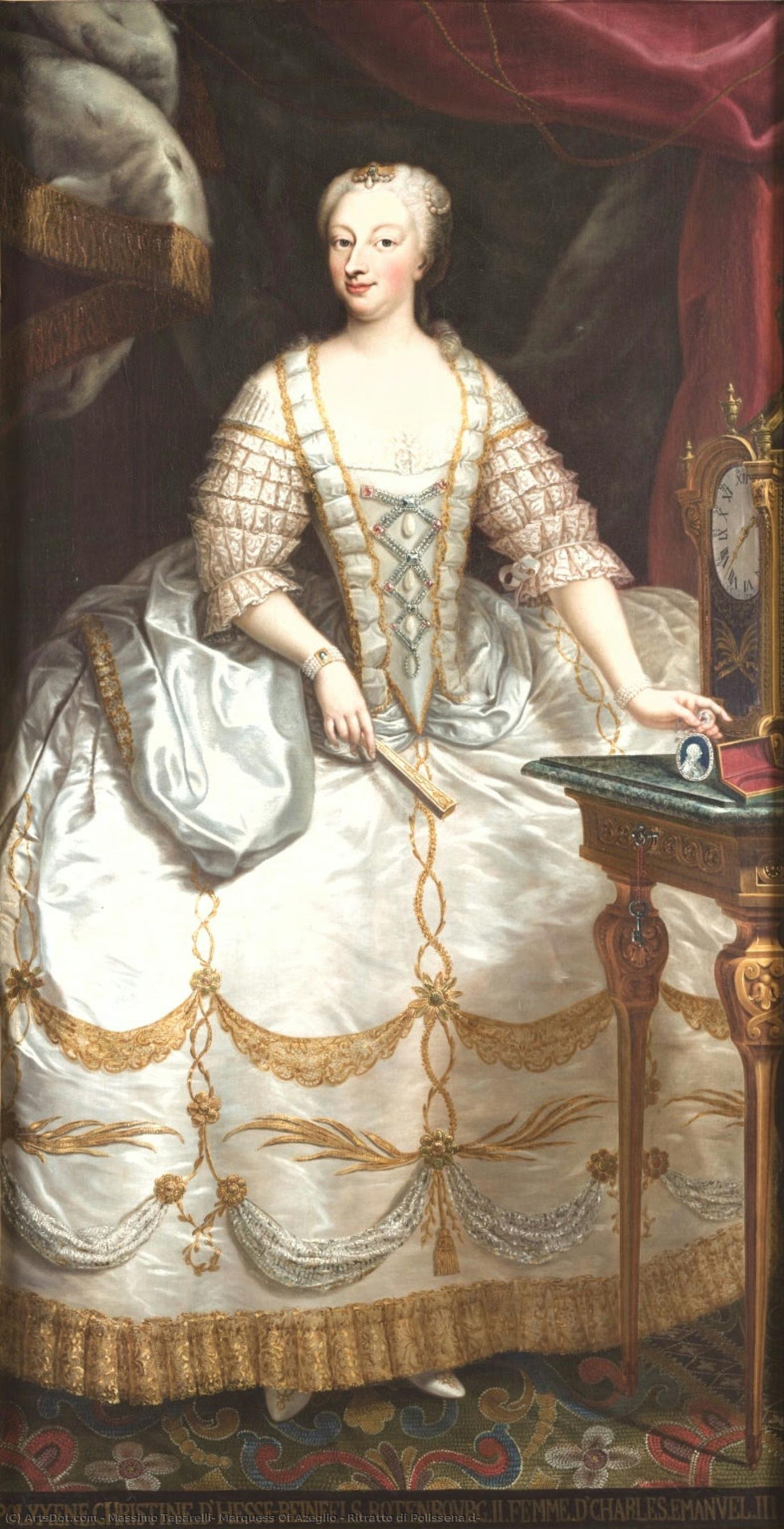
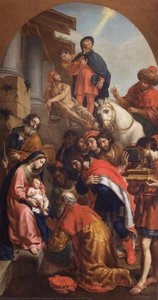
Massimo Taparelli d’Azeglio (1798-1866) stands as a pivotal figure in the artistic landscape of 19th-century Italy—a composer, novelist, and painter whose multifaceted talents contributed significantly to the intellectual currents of his time. Yet, it is his captivating portrait of Polissena d’Este, commissioned around 1700, that continues to resonate with audiences today, offering a glimpse into the opulent aesthetic sensibilities of the Baroque era and showcasing Taparelli's mastery of oil on canvas technique. This artwork resides within the Royal Palace of Venaria, Italy, serving as a testament to Venetian artistic patronage during a period marked by grandeur and refined taste.Subject Matter and Composition
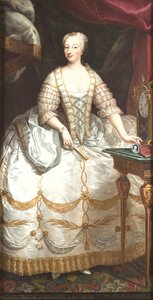
The painting depicts Polissena d’Este, Duchess of Modena and Reggio, seated gracefully in a richly adorned interior—a space bathed in diffused light that emphasizes the subject's serene countenance. Taparelli skillfully captures her regal posture and gaze, conveying an aura of composure and dignity. The artist’s meticulous attention to detail extends beyond Polissena herself; she is surrounded by symbolic elements designed to elevate the portrait’s narrative significance. Notably, a pair of clocks—one positioned on the left side of the canvas and another on the right—serve as visual reminders of time's relentless passage, reflecting the Baroque preoccupation with mortality and eternity. Furthermore, a chair occupies the central background, grounding the composition and reinforcing the sense of stability and refinement.Technique and Artistic Style
Taparelli’s technique exemplifies the hallmarks of Baroque painting: layering of glazes to achieve luminous color palettes and creating depth through chiaroscuro—the dramatic interplay between light and shadow—are evident throughout the artwork. The artist employs a masterful blend of tonal gradations, skillfully manipulating pigments to produce subtle variations in hue and intensity. This meticulous approach contributes to the overall impression of realism while simultaneously imbuing the scene with an emotional resonance characteristic of Baroque art. The painting adheres closely to the conventions of Venetian portraiture, prioritizing idealized beauty and conveying psychological insight—a hallmark of the artistic movement’s ambition to capture not merely physical likeness but also inner character.Symbolism and Context
The inclusion of clocks transcends mere decorative embellishment; they symbolize the ephemeral nature of earthly existence and underscore the importance of spiritual contemplation. This motif aligns perfectly with the Baroque fascination for religious iconography and moral allegory—themes prevalent in Venetian art during Taparelli’s era. The opulent setting—the richly decorated interior—further reinforces the aristocratic status of Polissena d’Este and reflects the grandeur of Modena’s court under her rule. Moreover, the serene expression on Polissena's face embodies the Baroque ideal of noble composure and inner peace—a reflection of humanist philosophy that sought to reconcile faith and reason.Emotional Impact and Legacy
“Ritratto di Polissena d” transcends its formal depiction as a portrait; it communicates an enduring sense of elegance, tranquility, and contemplative beauty. Taparelli’s masterful execution captures the essence of Baroque artistic principles—luminosity, dramatic chiaroscuro, and psychological depth—resulting in an artwork that continues to captivate viewers centuries later. Its placement within the Royal Palace of Venaria underscores its significance as a masterpiece of Venetian art and serves as a poignant reminder of the artistic achievements of the Baroque period. The painting remains a compelling example of how art can convey profound emotional resonance while simultaneously reflecting the intellectual and cultural values of its time.Related Artworks
Artist Biography
Massimo Taparelli d'Azeglio: A Life of Statesmanship, Literature, and Art
- Born: Turin, Italy (1798)
- Died: 1866
Massimo Taparelli d’Azeglio, commonly known as Massimo d'Azeglio, was a remarkable figure of 19th-century Italy. He served as a Piedmontese-Italian statesman, novelist, and painter, embodying the complexities of his era. His life spanned significant political transitions, from the Napoleonic period to the unification of Italy, leaving an indelible mark on Italian history through his contributions in multiple fields.
Early Life and Artistic Pursuits
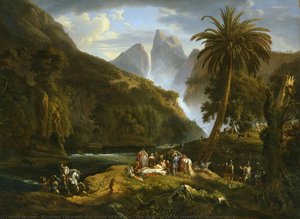
Born into a noble Piedmontese family in Turin in 1798, Massimo d'Azeglio’s early life was shaped by both aristocratic privilege and a burgeoning artistic sensibility. Following a brief military commission, he defied his conservative family's expectations by dedicating himself to painting. He spent several years in Rome, studying under Martin Verstappen and immersing himself in the Roman landscape. His early works reflected a lingering 18th-century style with meticulous detail, evident in landscapes like "Wood and Glade, Alban Hills." D’Azeglio sought to infuse his art with patriotic sentiment, experimenting with historical scenes and heroic narratives, as seen in “The Death of Montmorency.” Despite achieving some recognition as a painter, he gradually shifted his focus towards literature.
Literary Contributions and Political Awakening
D’Azeglio's literary career began in earnest after relocating to Milan. He became part of the city's vibrant intellectual circle and married Chiara Manzoni, daughter of the renowned novelist Alessandro Manzoni. Inspired by Manzoni, d’Azeglio penned two historical novels: *Niccolò dei Lapi* (1833) and *Ettore Fieramosca* (1841). These works, written in imitation of Walter Scott, aimed to evoke Italian patriotism and highlight the struggles against foreign domination. His political consciousness deepened through his cousin Cesare Balbo's influential work, *Delle speranze d'Italia*. This led him to become actively involved in politics, writing pamphlets like *Degli ultimi casi di Romagna* (1846), which advocated for Piedmontese leadership in the Italian national movement.
Prime Minister and Political Reforms
The political turmoil of the 1840s propelled d’Azeglio into a position of prominence. Following the abdication of Charles Albert, he became Prime Minister of Sardinia in 1849. His tenure was marked by pragmatic leadership and a commitment to consolidating the parliamentary system. He secured King Victor Emmanuel II's acceptance of his constitutional role and negotiated a peace treaty with Austria. D’Azeglio implemented significant reforms, including freedom of worship, support for public education, and efforts to curtail the power of the clergy. He recognized the rising political star of Camillo Cavour, inviting him into his ministry in 1850. However, disagreements over policy eventually led to d'Azeglio’s resignation in 1852, paving the way for Cavour's ascendancy.
Legacy and Historical Significance
Despite relinquishing power, Massimo d'Azeglio remained a significant figure in Italian politics. He continued to advocate for reconciliation between the Vatican and the newly unified Kingdom of Italy. His contributions as a statesman, novelist, and painter cemented his place in Italian history. D’Azeglio’s moderate approach to political reform and his commitment to constitutional principles helped lay the groundwork for the unification of Italy. His literary works fostered a sense of national identity, while his artistic endeavors demonstrated an early exploration of Romantic landscape painting in Piedmont. His posthumously published memoirs, *I miei ricordi*, provide valuable insights into the complexities of 19th-century Italian politics and society.
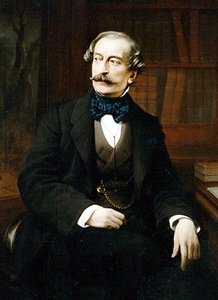
Massimo Taparelli d'Azeglio
1798 - 1866 , Italy
Quick Facts
- Artistic Movement Or Style: Romanticism
- Artists Who Influenced This Artist: ['Alessandro Manzoni']
- Date Of Birth: October 24, 1798
- Date Of Death: January 15, 1866
- Full Name: Massimo Taparelli d'Azeglio
- Nationality: Italian
- Notable Artworks:
- Wood and Glade, Alban Hills
- The Duel of Barletta
- Place Of Birth: Turin, Italy
Related Articles

Oil on Canvas: A Historical & Technical Exploration of a Timeless Artistic Medium
Explore the rich history & enduring techniques of oil painting on canvas. Discover the science behind its longevity, conservation practices, and contemporary relevance. Expert insights for art enthusiasts.

The Enduring Legacy of Oil on Canvas: Technique, History & Aesthetic Impact
Explore the rich history & techniques of oil painting – from Renaissance masters to Impressionism. Discover pigments, layering methods, and why this timeless medium endures. Expert insights for artists & art enthusiasts.

The Enduring Legacy of Oil on Canvas: Technique, History & Contemporary Practice
Explore the rich history & enduring techniques of oil painting on canvas. Discover the science behind its longevity, conservation practices, and contemporary relevance. Expert insights for art enthusiasts.

Oil on Canvas Masters: 10 Paintings That Redefined Art History |
Journey through art history with our guide to 10 legendary oil on canvas masterpieces! Explore iconic works by Van Gogh, Monet & Rembrandt. Find museum-quality reproductions and elevate your home decor at . Discover all masterpieces online.

The Enduring Power of Painting: A Historical & Contemporary Exploration of Form and Emotion
Explore the rich history & enduring techniques of oil painting with ArtsDot. Discover masterpieces, learn about art collecting, and find authentic handmade reproductions crafted by skilled artists.