 Preview
 Send
Send Share
Share
 Details

 Download
 Similars
 X-Ray
X-Ray Diaporama
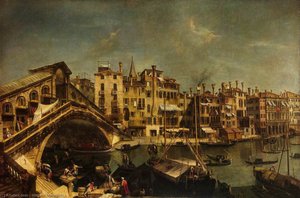
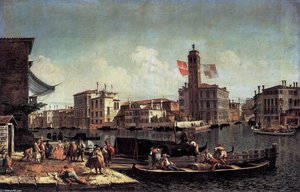
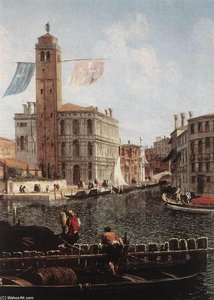
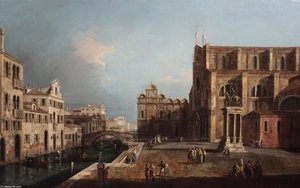
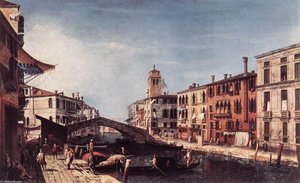
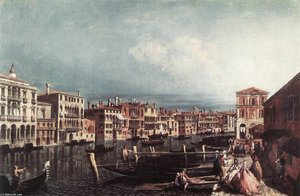
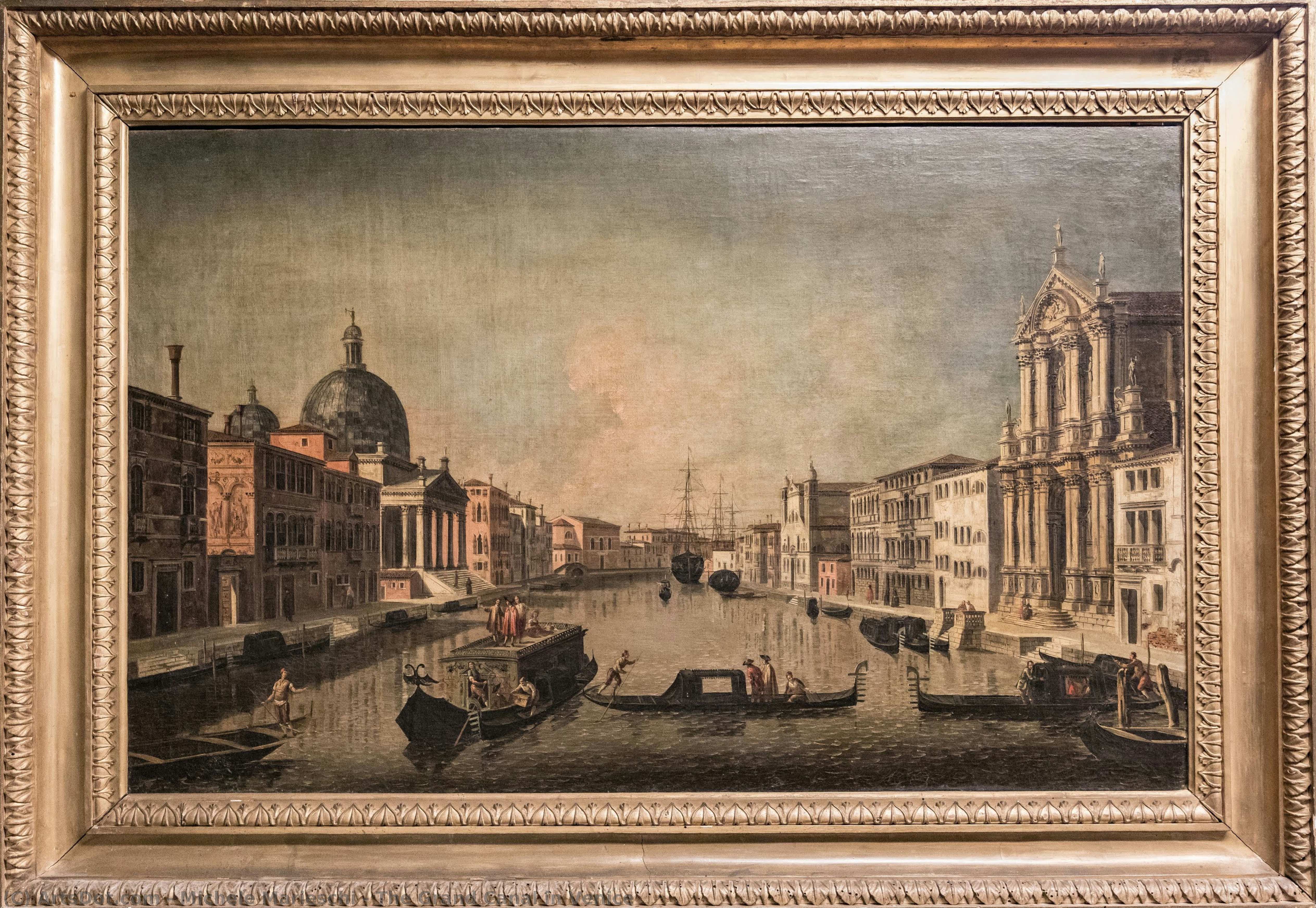
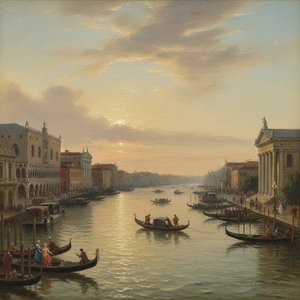
The Grand Canal in Venice


 Read More
Giclée / Art Print
Museum-quality giclée or canvas print with fast production and flexible finish options. ( Buy Hand Made Painting Buy Image)




P118B $10

P118H $10

P118W $10

P438Z $10

P508JH $12

P508YH $12

P805H $10

P805Z $10

P919BZ $10

P919G $10

P919XJ $10

P959ZH $10

P968JZ $12

W106C $8

W218G $10

W218JH $8

W218Y $10

W307PJ $10

W316G $10

W316PJ $8

W316Y $10

W398PJ $8

W4111J $10

W500HY $15

W500JH $15

W692G $12

W849H $8

W940BG $15

W953PJ $8




Pick from our preset sizes that match the artwork's original proportions.

You may enter your own dimensions to fit a specific frame or space. If your selected size does not match the original image's proportions, we will either crop the artwork or extend the image with a mirrored or solid-fill edge. A digital mockup will be sent for your approval before production begins.
Please note that the on-screen preview does not reflect the actual cropping or extension. Only the mockup will accurately show the final composition.
While custom sizes are available, we recommend selecting a dimension from the predefined list to preserve the original proportions.
Worldwide Delivery () in 2 weeks instead of standard 4/5 weeks. (21 August)

Free Worldwide Express Shipping

High-Quality Linen Canvas

Full Shipping Insurance

Customs Tax Refund Guarantee

True Color Matching Guarantee

60-Day Return Policy (Defects Only)

100% Money-Back Guarantee

Bulk Discount Offer
 Glass option is only available in size under 110 CM

The Grand Canal in Venice
Giclée / Art Print
Reproduction Size
-


Total Price
$ 63
Collectible Description
A Window into the Venetian Rococo
In the heart of the eighteenth century, Venice was not merely a city but a stage, a shimmering spectacle of light and water where every canal served as a corridor for drama and commerce. Michele Marieschi, a master of the veduta, captures this ephemeral magic in his breathtaking work, The Grand Canal in Venice. This painting serves as a portal to a bygone era, inviting the viewer to step onto the deck of a passing gondola and feel the gentle rhythmic pulse of the Adriatic tides. The composition is a masterful orchestration of movement and stillness, where the architectural grandeur of Venetian palazzos meets the fluid, ever-changing surface of the canal. Through his brush, the water becomes a mirror reflecting the soul of the Republic, capturing a moment in time that feels both historically grounded and eternally dreamlike.
The technique employed by Marieschi is a testament to the luminous traditions of the Venetian school. He utilizes a delicate interplay of light and shadow to breathe life into the stone facades, creating a sense of depth that draws the eye from the bustling foreground toward the hazy, atmospheric horizons of the distant city. The artist’s ability to render the textures of the water—the subtle ripples left by passing boats and the shimmering reflections of sunlight—demonstrates a profound understanding of light's transformative power. His palette, rich with the soft hues characteristic of the Rococo period, evokes a sense of warmth and vitality, ensuring that the scene feels less like a static architectural study and more like a living, breathing organism teeming with human energy.
The Symphony of Urban Life
Beyond the mere depiction of architecture, this piece is an exploration of social vitality. Marieschi populates his Grand Canal with a diverse cast of characters, from the solitary figures lost in contemplation to the lively groups navigating the waterways. These small, gestural strokes of paint represent the heartbeat of Venice; they are the ghosts of a bustling maritime empire, reminding us that the city's true beauty lies in its human connection to the landscape. The presence of various boats, including those laden with passengers, adds a layer of narrative complexity, suggesting stories of arrival, departure, and the transient nature of life within the lagoon.
For the discerning collector or interior designer, The Grand Canal in Venice offers more than just aesthetic beauty; it provides an emotional anchor for a space. The painting possesses a unique ability to evoke feelings of nostalgia, tranquility, and grandeur simultaneously. When placed in a sophisticated interior, such as a formal study, a sunlit salon, or a luxury hotel lobby, the artwork acts as a conversation piece that commands attention through its elegance rather than through sheer scale. It brings the romantic spirit of Italy into the modern home, offering a timeless sense of luxury and a window into a world where art and life were inextricably intertwined.
Related Artworks
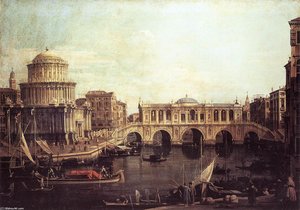
Artist Biography
The Venetian Visionary: The Life and Legacy of Michele Marieschi
In the golden age of the Venetian Rococo, few artists captured the ephemeral magic of the Serenissima with as much vitality as Michele Giovanni Marieschi. Born in Venice in 1710, Marieschi emerged from a lineage of craftsmanship, being the son of a woodcarver—a background that likely instilled in him a profound respect for structure, texture, and the physical essence of the objects he depicted. While his life was relatively brief, spanning only until his death in early 1744, his impact on the veduta tradition remains indelible. He did not merely document the architecture of Venice; he breathed life into its stone and water, transforming static cityscapes into breathing, luminous narratives of light and movement.
The development of Marieschi’s unique style was deeply rooted in the artistic currents flowing through 18th-century Italy. Scholars often point to the influence of masters such as Gaspare Diziani and the legendary Canaletto, whose works provided a blueprint for capturing the grandeur of urban environments. However, where Canaletto sought a certain topographical precision and a more restrained, classical clarity, Marieschi found his voice in a bolder, more emotive approach. He embraced a palette that pulsed with color and a brushwork that felt spontaneous and energetic. This stylistic distinction allowed him to move beyond mere architectural recording, infusing his landscapes with a sense of theatricality and atmosphere that suggested the very pulse of Venetian life.
Mastery of Light and the Veduta Tradition
Marieschi’s contribution to the veduta—the genre of highly detailed, large-scale topographical paintings—is characterized by an extraordinary command of perspective and light. His works often feature iconic landmarks such as the Grand Canal, the Salute, and various majestic palaces, yet they are far from being mere postcards of the era. Instead, he utilized a technique that blended meticulous detail with imaginative embellishment, creating scenes that felt both real and dreamlike. Through his eyes, the water of the canals becomes a mirror for the shifting sky, and the shadows cast by ancient churches become vessels for mystery and depth.
His technical prowess is perhaps most evident in his ability to manipulate light to evoke specific moods:
- Atmospheric Perspective: The use of soft, hazy tones to create a sense of immense distance and scale within his cityscapes.
- Dynamic Brushwork: A lively application of paint that captures the shimmering reflections on the Venetian lagoons.
- Architectural Grandeur: A profound understanding of structural geometry, allowing him to render complex facades with both accuracy and elegance.
Historical Significance and Artistic Resonance
The historical significance of Michele Marieschi lies in his ability to bridge the gap between the rigid documentation of the early 18th century and the more expressive, emotive landscapes that would follow. He was a pivotal figure in transitioning the Venetian view from a purely observational medium into an art form capable of conveying profound emotional resonance. His work serves as a vital window into a vanished world, preserving the splendor of Venice before the seismic shifts of the late 18th century altered its social and political landscape forever.
Today, Marieschi’s canvases continue to captivate collectors and historians alike. Whether it is the breathtaking view of the Grand Canal near the Salute or his more intimate architectural studies, his paintings remain masterclasses in the Rococo spirit. He remains a celebrated figure for those seeking to experience the vibrant energy, the luminous light, and the enduring elegance of a Venice that continues to haunt the collective imagination of the art world.
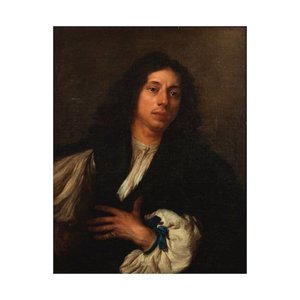
Michele Marieschi
1710 - 1743 , Italy
Quick Facts
- Artistic Movement Or Style: Vedute Venice
- Artists Or Movements Influenced By This Artist: ['Francesco Guardi']
- Artists Who Influenced This Artist:
- Marco Ricci
- Luca Carlevarijs
- Canaletto
- Date Of Birth: December 1710
- Full Name: Michele Giovanni Marieschi
- Nationality: Italian
- Notable Artworks:
- Capriccio with Classical Arch and Goats
- The Grand Canal with the Ca' Rezzonico and the Campo San Samuele
- Place Of Birth: Venice, Italy
Related Articles
Giovanni Antonio Canal (Canaletto): A Venetian Master of Light, Space & Societal Observation
Explore the life & art of Giovanni Antonio Canal (Canaletto), a Venetian master renowned for his breathtaking cityscapes. Discover his techniques, legacy, and captivating depictions of 18th-century Venice & London.
Pietro Longhi's Venetian Scenes: A Study of Rococo Society & Domestic Life
Explore the captivating world of Pietro Longhi's Venetian scenes! Discover insightful analysis of his Rococo masterpieces & social commentary on 18th-century life. Learn about this 'Venetian Hogarth' and his lasting artistic legacy.

Rococo's Radiant Legacy: 10 Masterpieces for Your Home |
Indulge in the elegance of Rococo! Explore 10 masterpieces by Fragonard, Boucher & Watteau. Discover the stories behind these iconic paintings and bring timeless art to your home with museum-quality reproductions from .
Francesco Guardi: Venetian Light, Atmospheric Perspective & the Rococo to Neoclassical Transition
Explore the captivating world of Francesco Guardi, master of Venetian light and atmosphere. Discover his transition from Rococo to Neoclassicism, influence on Impressionism & investment potential with ArtsDot.

Jacopo Tintoretto's Masterpieces: 25 Paintings That Define Venetian Drama | ArtsDot
Explore 25 breathtaking masterpieces by Jacopo Tintoretto, the Venetian master of drama and light. Discover the stories behind iconic Renaissance paintings & find museum-quality art reproductions to elevate your home decor on ArtsDot.com.