 Preview
 Send
Send Share
Share
 Details

 Download
 Similars
 X-Ray
X-Ray Diaporama
Six Poetic Geniuses


 Read More
Hand Made Oil Reproduction
Hand-painted oil on canvas in your size and frame, made to order by our artists. ( Buy Print Buy Image)




P118B $10

P118H $10

P118W $10

P438Z $10

P508JH $12

P508YH $12

P805H $10

P805Z $10

P919BZ $10

P919G $10

P919XJ $10

P959ZH $10

P968JZ $12

W106C $8

W218G $10

W218JH $8

W218Y $10

W307PJ $10

W316G $10

W316PJ $8

W316Y $10

W398PJ $8

W4111J $10

W500HY $15

W500JH $15

W692G $12

W849H $8

W940BG $15

W953PJ $8




Pick from our preset sizes that match the artwork's original proportions.

You may enter your own dimensions to fit a specific frame or space. If your selected size does not match the original image's proportions, we will either crop the artwork or extend the painting with additional hand-painted elements. A digital mockup will be sent for your approval before production begins.
Please note that the on-screen preview does not reflect the actual cropping or extension. Only the mockup will accurately show the final composition.
While custom sizes are available, we recommend selecting a dimension from the predefined list to preserve the original proportions.
After order, ArtsDot.com team will email client for instructions and provide a mockup preview
Worldwide Delivery () in 3/4 weeks instead of standard 5 weeks. (24 August). No compromise on quality.

Free Worldwide Express Shipping

High-Quality Linen Canvas

Full Shipping Insurance

Customs Tax Refund Guarantee

True Color Matching Guarantee

60-Day Return Policy (Defects Only)

100% Money-Back Guarantee

Bulk Discount Offer
 Glass option is only available in size under 110 CM

Six Poetic Geniuses
Reproduction Medium
Reproduction Size
-


Total Price
$ 263
Artwork Description
Related Artworks
Artist Biography
Nakamura Yoshinaka (1790-1819): A Blossoming Talent of Osaka’s Rinpa School
Nakamura Yoshinaka, more commonly known as Nakamura Hōchū, represents a fascinating and often overlooked chapter in the vibrant history of Japanese art. Born in Kyoto in 1790 and tragically dying at the young age of twenty-nine in 1819, his brief but impactful career illuminated the flourishing Rinpa school within the bustling artistic hub of Osaka. While Kyoto remained the traditional center of artistic innovation, Hōchū’s work demonstrated a remarkable ability to synthesize established techniques with a distinctly modern sensibility, solidifying his place as a significant figure in Edo-period art. His legacy is one of delicate beauty, playful observation, and a subtle yet profound connection between visual artistry and poetic expression.Early Influences and the Osaka Connection
Hōchū’s early life was steeped in the cultural traditions of Kyoto, but it was his relocation to Osaka that truly shaped his artistic trajectory. Initially drawn to the literati style – *bunjinga* painting – he immersed himself in the city's vibrant literary circles and formed close relationships with prominent poets and scholars. This exposure fostered a deep appreciation for nature, aesthetics, and the spirit of refined taste. However, a pivotal encounter with the revolutionary work of Ogata Kōrin (1658-1716), a master of the Rinpa school known for his innovative use of color and dynamic compositions, proved transformative. Kōrin’s emphasis on capturing fleeting moments and employing techniques like *tarashikomi* – a subtle layering of pigments to create an illusion of dripping paint – deeply resonated with Hōchū, leading him to embrace the Rinpa aesthetic as his primary artistic path. Osaka, with its dynamic atmosphere and diverse influences, provided the perfect environment for this transition.The Art of Tarashikomi and Floral Mastery
Hōchū’s distinctive style is most readily recognized through his masterful application of *tarashikomi*. This technique, central to Rinpa painting, involved layering translucent pigments to create a shimmering, almost three-dimensional effect. It was particularly evident in his breathtaking floral paintings – depictions of cherry blossoms, peonies, chrysanthemums, and other seasonal blooms rendered with exquisite detail and luminous color. Unlike the more formal and idealized representations common in earlier Japanese art, Hōchū’s flowers possessed a sense of immediacy and vitality, as if captured in the very act of blossoming. He frequently combined these floral studies with haiku poetry – *haiga* – seamlessly integrating visual imagery with poetic expression, reflecting a deep appreciation for both artistic forms. His works often featured playful compositions, rounded figures, and a lighthearted approach that distinguished him from more rigid academic styles.Collaboration and Artistic Circles
Hōchū’s career unfolded within a network of influential artists and intellectuals in Osaka. He maintained close relationships with Kimura Kenkadō, another prominent Rinpa painter, and Totoki Baigai, a renowned calligrapher and artist. These collaborations fostered artistic exchange and contributed to the vibrant creative atmosphere of the city. Notably, he was associated with the *d-boys* acting group produced by Watanabe Entertainment, suggesting an engagement with popular culture alongside his serious artistic pursuits. This association also highlights the interconnectedness of art, entertainment, and social life during the Edo period.Legacy and Historical Significance
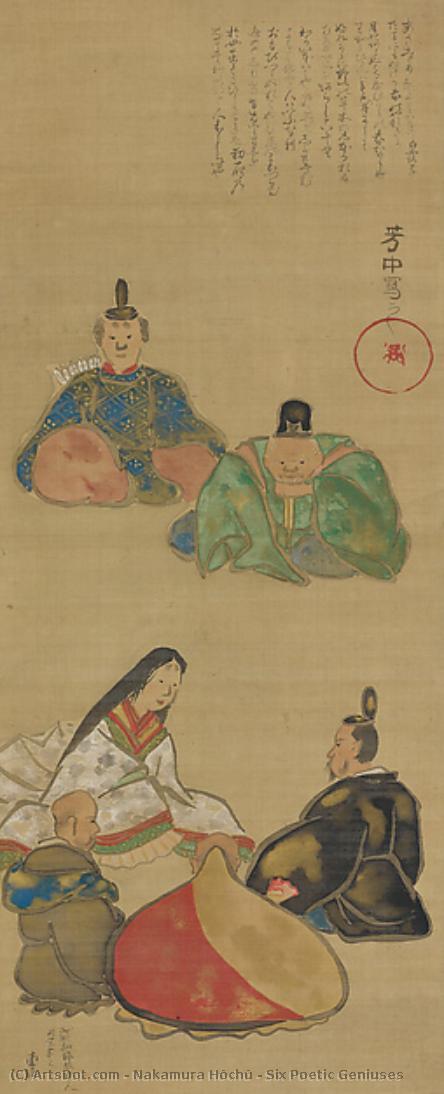
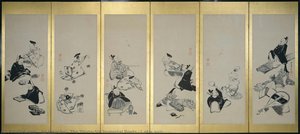
Despite his tragically short life, Nakamura Hōchū left a lasting mark on Japanese painting. His innovative use of *tarashikomi*, combined with his poetic sensibility and accessible style, helped to popularize the Rinpa school beyond Kyoto’s traditional confines. Works like “Six Poetic Geniuses,” depicting six immortal poets, exemplify his ability to capture both the elegance of classical literature and the dynamism of the Rinpa aesthetic. His paintings are now held in prestigious collections worldwide, including the British Museum, a testament to their enduring artistic merit. Hōchū’s story serves as a reminder that artistic brilliance can emerge from unexpected places and that even brief lives can leave an indelible impact on the course of art history. He remains a compelling figure – a blossoming talent whose vibrant work continues to captivate viewers today.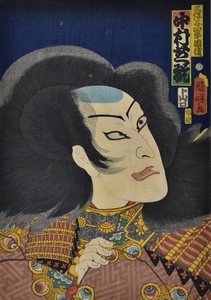
nakamura yoshinaka
1790 - 1819 , Japan
Quick Facts
- Artistic Movement Or Style: Rinpa school”, tarashikomi technique
- Artists Or Movements Influenced By This Artist: ['Rinpa School']
- Artists Who Influenced This Artist: ['Ogata Kōrin']
- Date Of Birth: 1790, Kyoto, Japan
- Date Of Death: 1819
- Full Name: Nakamura Yoshinaka”, also known as Nakamura Hōchū
- Nationality: Japanese
- Notable Artworks: ['Six Poetic Geniuses']
- Place Of Birth: Kyoto, Japan
Related Articles

Hokusai's Masterpieces: 25 Iconic Prints & Paintings for Art Lovers | ArtsDot
Journey through Katsushika Hokusai’s 25 most iconic artworks, including *The Great Wave*. Explore the ukiyo-e master's history, style & timeless Japanese woodblock prints. Find museum-quality reproductions for your home at ArtsDot.com.
Serenity on Canvas: A Guide to the Timeless Beauty of Japanese Landscape Painting
Discover the serene beauty of Japanese landscape painting. From Hokusai's iconic woodblock prints to meditative sumi-e ink washes, explore a visual journey through the 'floating world' and learn how to bring this timeless Zen aesthetic into your modern home decor.
Japonisme: How Japanese Woodblock Prints Revolutionized Western Art
Explore the profound impact of Japonisme on Western art. Discover how Japanese ukiyo-e woodblock prints revolutionized perspective, color, and composition for masters like Monet and Van Gogh, forever changing the course of modern art history.
Floating World: The Captivating Art and Legacy of Japanese Ukiyo-e
Explore the profound beauty of Japanese Ukiyo-e. Discover the history, masters like Hokusai, and the enduring legacy of the 'Floating World' through an expert art-historical lens.
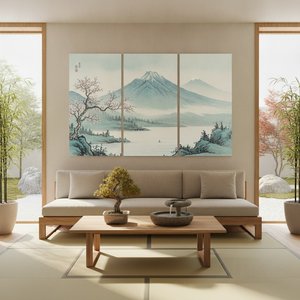
Serene Zen: Transforming Your New Home with the Timeless Elegance of Japanese Landscape Art
Transform your new home into a sanctuary of peace with stunning Japanese landscape art. Discover the beauty of Ukiyo-e and hand-painted Zen masterpieces designed to bring harmony and timeless elegance to your shared space. Expertly curated for modern lovers of fine art.