 Preview
 Send
Send Share
Share
 Details

 Download
 Similars
 X-Ray
X-Ray Diaporama
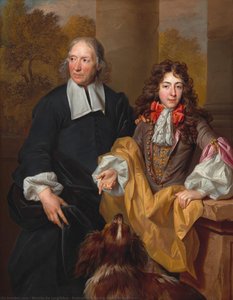
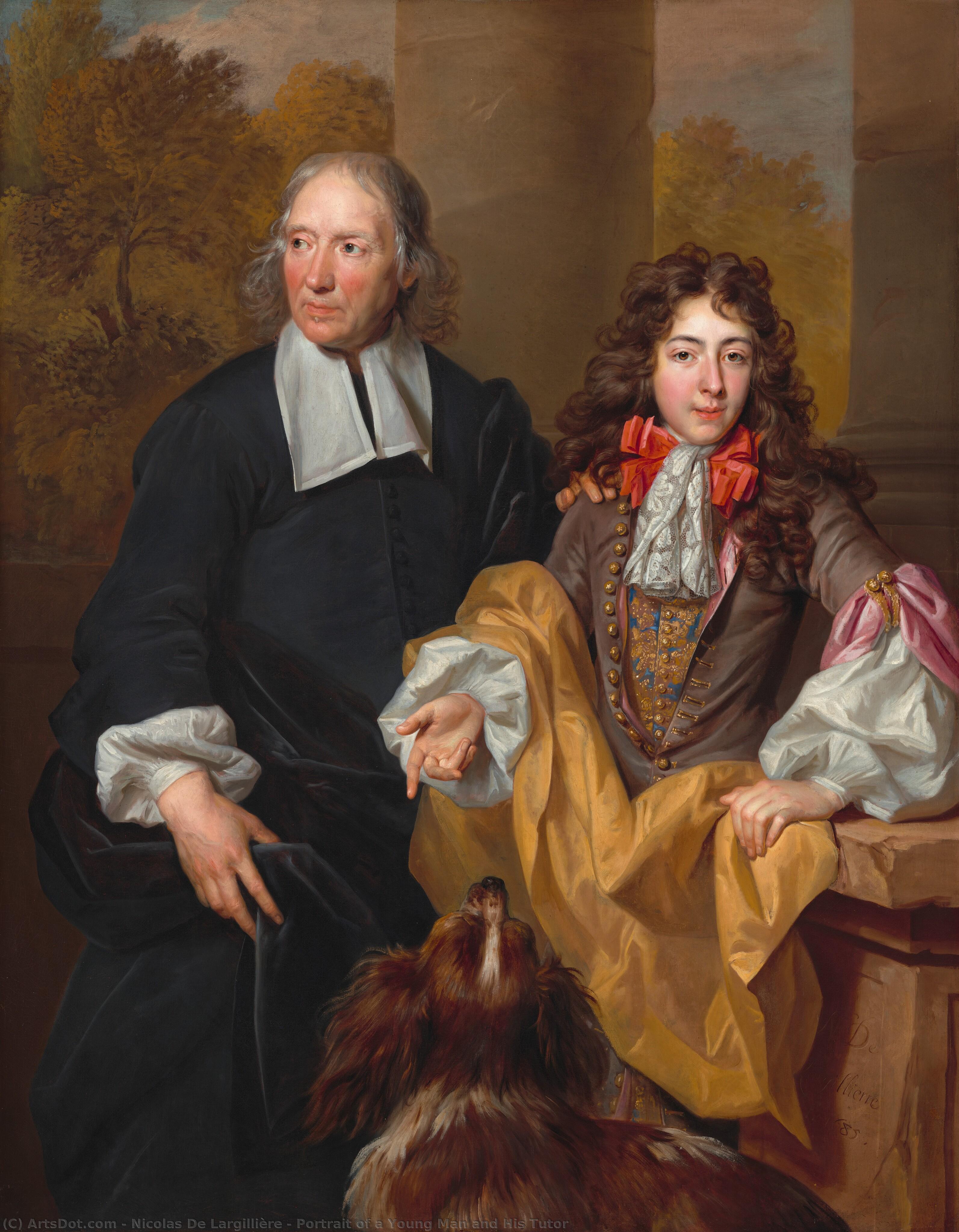
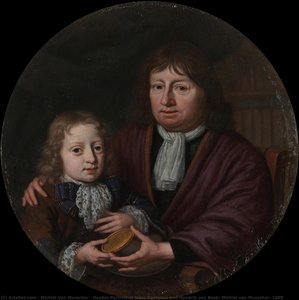
Portrait of a Young Man and His Tutor


 Read More
Hand Made Oil Reproduction
Hand-painted oil on canvas in your size and frame, made to order by our artists. ( Buy Print Buy Image)




































Pick from our preset sizes that match the artwork's original proportions.

You may enter your own dimensions to fit a specific frame or space. If your selected size does not match the original image's proportions, we will either crop the artwork or extend the painting with additional hand-painted elements. A digital mockup will be sent for your approval before production begins.
Please note that the on-screen preview does not reflect the actual cropping or extension. Only the mockup will accurately show the final composition.
While custom sizes are available, we recommend selecting a dimension from the predefined list to preserve the original proportions.
After order, ArtsDot.com team will email client for instructions and provide a mockup preview
Worldwide Delivery () in 3/4 weeks instead of standard 5 weeks. (25 August). No compromise on quality.

Free Worldwide Express Shipping

High-Quality Linen Canvas

Full Shipping Insurance

Customs Tax Refund Guarantee

True Color Matching Guarantee

60-Day Return Policy (Defects Only)

100% Money-Back Guarantee

Bulk Discount Offer
 Glass option is only available in size under 110 CM

Portrait of a Young Man and His Tutor
Reproduction Medium
Reproduction Size
-


Total Price
$ 288
Related Artworks
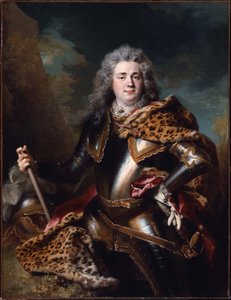

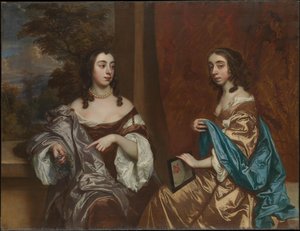
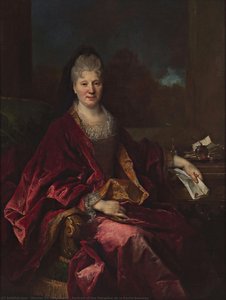
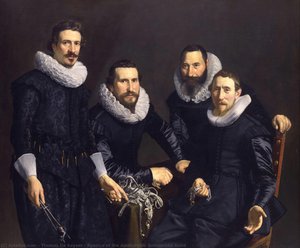
Artist Biography
A Chronicler of Parisian Elegance: The Life and Art of Nicolas de Largillière
Nicolas de Largillière, born in Paris in 1656, emerged as one of the most sought-after portraitists of his era—a painter not of kings and queens but of the rising bourgeois class. His canvases weren’t grand historical narratives or mythological allegories; they were intimate studies of wealth, status, and self-fashioning in a society undergoing profound transformation. Largillière didn't merely paint faces; he captured an *attitude*, a burgeoning sense of individual importance that defined the French elite during the late Baroque and Rococo periods. His early life was marked by movement, beginning with his family’s relocation to Antwerp when he was just three years old. This formative period exposed him to the rich artistic traditions of Flanders, where he initially apprenticed under Anton Goubau, absorbing the meticulous detail and vibrant color palettes characteristic of Flemish masters like Rubens. However, Largillière's ambition led him further afield, to England in 1674, where he found employment with Sir Peter Lely, the leading portrait painter of the Restoration court. Though his time with Lely was relatively brief, it instilled in him a sense of theatrical dynamism and compositional grandeur that would later inform his own style.From London to Parisian Success
The political climate in England proved unfavorable for Catholics, prompting Largillière’s return to Paris around 1679. This marked a turning point in his career. Unlike many artists who aspired to emulate the classical ideals of drawing and form, Largillière embraced color and texture, forging a path that resonated with the tastes of a new clientele—the wealthy merchants, financiers, and legal professionals who were rapidly gaining prominence in French society. He quickly established himself as their preferred portraitist, offering them not just likenesses but carefully constructed images designed to project an aura of prosperity and social standing. His studio became a hub for these ambitious individuals, eager to immortalize themselves on canvas. Largillière’s success wasn't accidental; he possessed a keen understanding of the psychology of representation, skillfully employing luxurious fabrics, elaborate settings, and dynamic poses to convey his sitters’ desired image. He was not simply recording appearances but actively *creating* them.A Master of Texture and Light
Largillière’s technical prowess was remarkable. His paintings are characterized by an extraordinary attention to detail—the sheen of silk, the sparkle of jewels, the subtle nuances of skin tone. He achieved this through a masterful manipulation of light and shadow, creating a sense of depth and realism that captivated his patrons. Unlike some of his contemporaries who favored idealized representations, Largillière embraced a more naturalistic approach, capturing the individual quirks and imperfections of his sitters. This wasn’t to say his portraits were devoid of flattery; rather, he skillfully balanced realism with an awareness of how best to present his subjects in a favorable light. His use of color was equally impressive—rich, vibrant hues that conveyed a sense of opulence and vitality. He became known for his ability to render the textures of various materials with astonishing accuracy, making his portraits almost tactile in their realism.Beyond Portraiture: A Wider Artistic Scope
While Largillière is best remembered for his portraits, his artistic output extended beyond this genre. He also produced history paintings, mythological scenes, and still lifes, demonstrating a versatility that often goes overlooked. However, even these works were infused with the same attention to detail and vibrant color that characterized his portraiture. One particularly noteworthy example is his *Study of Hands*, a series of meticulously rendered hand studies that showcase his exceptional technical skill and his fascination with the expressive potential of the human form. This work reveals a deeper artistic curiosity beyond simply capturing likenesses, hinting at an interest in the underlying anatomy and symbolism of gesture. He was elected chancellor of the Academy in 1743, a testament to his standing within the French art world. Largillière’s influence extended to a younger generation of artists who admired his innovative approach to portraiture and his ability to capture the spirit of his time. His legacy lies not just in the beautiful paintings he created but also in the way he redefined the genre of portraiture, transforming it from a mere record of appearance into a powerful tool for social expression. He died in Paris in 1746, leaving behind an extensive body of work that continues to fascinate and inspire today.Historical Significance: A Mirror to a Changing Society
Nicolas de Largillière’s paintings offer a unique glimpse into the values and aspirations of 18th-century French society. He documented the rise of the bourgeoisie—a class that was increasingly challenging the traditional dominance of the aristocracy. His portraits weren't simply representations of individuals; they were symbols of social mobility, economic success, and self-fashioning. By focusing on this emerging elite, Largillière played a crucial role in shaping the visual culture of his time. He captured the spirit of an era—a period marked by both opulence and restraint, tradition and innovation. His work stands as a testament to the power of art to reflect and influence social change. He was, in essence, a chronicler of Parisian elegance, immortalizing a generation that was reshaping the landscape of French society. His legacy continues to resonate today, reminding us of the enduring importance of portraiture as a window into the past.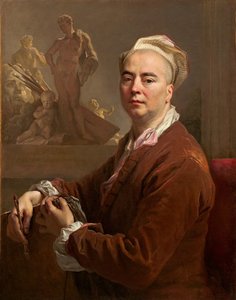
Quick Facts
- Artistic Movement Or Style: Baroque, Rococo
- Artists Who Influenced This Artist:
- Anton Goubau
- Peter Lely
- Rubens
- Date Of Birth: October 10, 1656
- Date Of Death: March 20, 1746
- Full Name: Nicolas de Largillière
- Nationality: French
- Notable Artworks:
- Portrait de la Roche Boussau
- Portrait d'Argouges de Rânes
- François de Gontaut, Duc de Biron
- Place Of Birth: Paris, France
Related Articles

Dutch Masters: 10 Golden Age Paintings That Still Inspire |
Journey into the Dutch Golden Age! Explore 10 iconic paintings by Rembrandt, Vermeer & Hals. Discover the stories behind these Baroque masterpieces and find museum-quality art reproductions to elevate your home decor on .
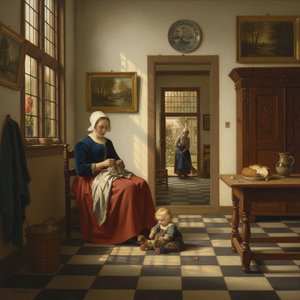
Pieter de Hooch: Illuminating Dutch Domestic Life & Golden Age Charm
Explore the captivating world of Pieter de Hooch, a master of Dutch Golden Age painting. Discover his innovative use of light, intimate domestic scenes, and lasting influence on art history. Learn more at ArtsDot.
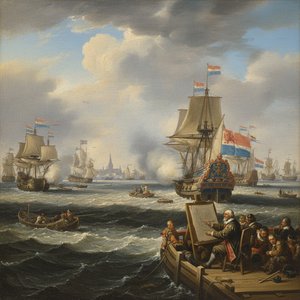
Willem van de Velde the Elder: Master of Maritime Painting & Chronicler of the Dutch Golden Age
Discover the captivating maritime paintings of Willem van de Velde the Elder, a master chronicler of the Dutch Golden Age. Explore his unparalleled realism and lasting influence on naval art history.
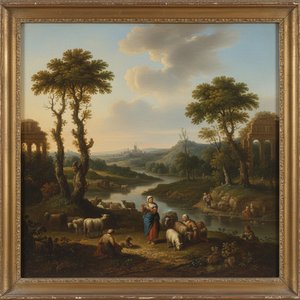
Nicolaes Berchem: Dutch Golden Age Pastoralism & the Evolution of Landscape Painting
Explore the captivating world of Nicolaes Berchem, a leading Dutch Golden Age painter. Discover his idyllic landscapes, masterful technique & lasting influence on art history. Learn more at ArtsDot.

Golden Age Reflections: Dutch Baroque Painting & Cultural Innovation
Explore the Dutch Golden Age of painting! Discover key artists like Vermeer & ter Borch, their innovative techniques, and the rich cultural context behind these Baroque masterpieces. Learn about collecting & appreciating this iconic art period.