 Preview
 Send
Send Share
Share
 Details

 Download
 Similars
 X-Ray
X-Ray Diaporama
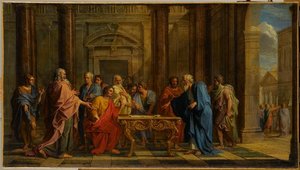
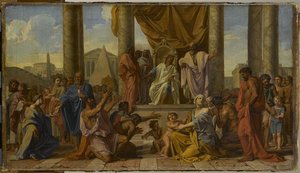
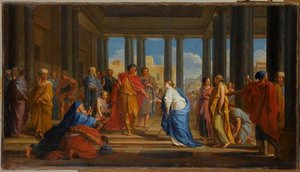
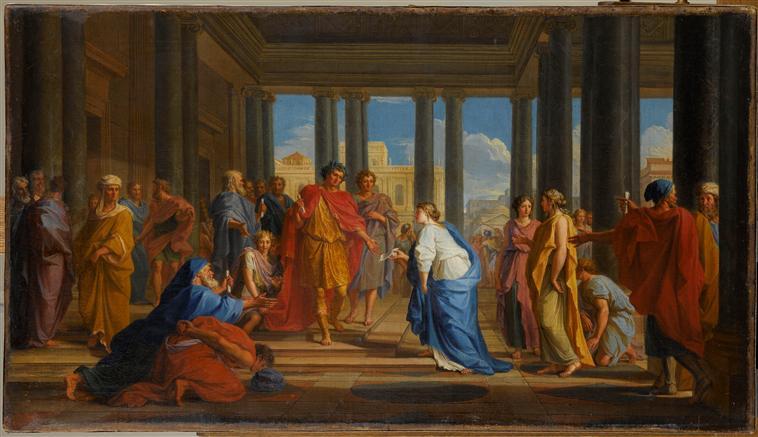
Trajan donnant des audiences publiques


 Read More
Hand Made Oil Reproduction
Hand-painted oil on canvas in your size and frame, made to order by our artists. ( Buy Print Buy Image)




P118B $10

P118H $10

P118W $10

P438Z $10

P508JH $12

P508YH $12

P805H $10

P805Z $10

P919BZ $10

P919G $10

P919XJ $10

P959ZH $10

P968JZ $12

W106C $8

W218G $10

W218JH $8

W218Y $10

W307PJ $10

W316G $10

W316PJ $8

W316Y $10

W398PJ $8

W4111J $10

W500HY $15

W500JH $15

W692G $12

W849H $8

W940BG $15

W953PJ $8




Pick from our preset sizes that match the artwork's original proportions.

You may enter your own dimensions to fit a specific frame or space. If your selected size does not match the original image's proportions, we will either crop the artwork or extend the painting with additional hand-painted elements. A digital mockup will be sent for your approval before production begins.
Please note that the on-screen preview does not reflect the actual cropping or extension. Only the mockup will accurately show the final composition.
While custom sizes are available, we recommend selecting a dimension from the predefined list to preserve the original proportions.
After order, ArtsDot.com team will email client for instructions and provide a mockup preview
Worldwide Delivery () in 3/4 weeks instead of standard 5 weeks. (17 August). No compromise on quality.

Free Worldwide Express Shipping

High-Quality Linen Canvas

Full Shipping Insurance

Customs Tax Refund Guarantee

True Color Matching Guarantee

60-Day Return Policy (Defects Only)

100% Money-Back Guarantee

Bulk Discount Offer
 Glass option is only available in size under 110 CM

Trajan donnant des audiences publiques
Reproduction Medium
Reproduction Size
-


Total Price
$ 613
Artwork Description
The Grandeur of Imperial Authority: An Encounter with Trajan
To gaze upon this depiction of Trajan granting public audiences is to step directly into the heart of Roman imperial power, filtered through the refined lens of 17th-century French academic painting. The scene pulses with a solemn dignity, capturing not merely a meeting, but an entire ritual of governance and human supplication. At its core stands Emperor Trajan, a figure radiating undeniable authority. His central placement within the composition is deliberate, establishing him as the nexus around which all other energies—the petitioners, the onlookers, the very architecture—seem to revolve. The overall impression is one of monumental historical weight, rendered with a masterful balance that speaks to the highest ideals of classical art.
Compositional Mastery and Classical Structure
The artist has employed an architectural setting, dominated by a receding colonnade, which serves as both a breathtaking backdrop and a structural anchor for the entire narrative. These strong vertical lines lend an immediate sense of stability and grandeur to the piece. Yet, this rigidity is beautifully counterbalanced by the organic flow of the human figures. Notice how the arrangement creates layers of depth; those closest to the emperor are rendered with exquisite detail, drawing the eye inward, while the receding columns utilize linear perspective to pull the viewer deep into the painted space. The interplay between these rigid rectangular forms and the soft, draped curves of the garments is what gives the work its remarkable dynamism.
Technique and Luminous Realism
The execution speaks volumes about the painter's technical prowess, echoing the traditions championed by masters like Noël Nicolas Coypel. The handling of light is particularly captivating; it appears diffused and natural, seeming to emanate from an unseen source that bathes the scene in a warm, golden glow. This masterful use of illumination creates dramatic highlights on Trajan’s robes and facial features, while deep shadows serve to define form and amplify the sense of three-dimensional depth. The technique suggests careful layering—perhaps even subtle glazes—to achieve those luminous transitions between color tones, giving the painted fabric a palpable richness.
Symbolism of Power and Piety
Beyond the historical narrative, the painting is rich with symbolic resonance. Trajan’s regal bearing embodies absolute power, yet this power is tempered by the solemnity of his audience. The kneeling figures are potent symbols of humility and desperate petition; their posture contrasts sharply with the emperor's upright majesty. This dynamic tension—between earthly need and divine authority—is what gives the piece its emotional gravity. It invites contemplation on justice, governance, and the human condition when faced with immense power.
A Timeless Statement for the Modern Collector
For the discerning collector or designer seeking a piece that transcends mere decoration, this reproduction offers an unparalleled connection to history's grand narratives. The palette—rich with warm reds, deep browns, and contrasting cool blues—is inherently opulent, making it a stunning focal point in any formal setting. Owning this work is not just acquiring art; it is curating an atmosphere of cultivated intellect, historical reverence, and enduring, dignified beauty.
Related Artworks
Artist Biography
A Legacy Forged in Classical Light: The Life and Art of Noël Nicolas Coypel
Noël Nicolas Coypel, a name often whispered alongside that of his revered predecessor, Nicolas Poussin, was a pivotal figure in 17th-century French painting. Born on December 25, 1628, in the heart of Paris, Coypel’s artistic journey wasn't one of immediate acclaim but rather a gradual ascent shaped by familial encouragement and a deep immersion in the classical tradition. His father, though an artist himself, lacked substantial success, yet he provided young Noël with the initial spark—a passion for painting that would ultimately define his life. This early exposure, however, proved to be more than just foundational; it instilled within Coypel a determination to not only master the craft but also to elevate its standing through rigorous study and dedication.Early Training and the Influence of Poussin
Coypel’s formative years were significantly influenced by his fascination with the works of Nicolas Poussin, a towering figure whose emphasis on order, clarity, and classical subject matter resonated deeply with the young artist. This admiration wasn't merely passive; Coypel actively sought to understand and emulate Poussin’s techniques, meticulously studying his compositions, color palettes, and approach to form. A crucial step in his development came with his employment by Charles Errard, a prominent decorator tasked with creating numerous paintings for the Louvre Palace. This commission provided invaluable practical experience and allowed Coypel to hone his skills while contributing to one of France’s most prestigious artistic projects. He also benefited from tutelage under Noël Quillerier, another respected painter who further refined his understanding of classical principles and compositional balance.A Career Defined by Institutional Roles and Grand Commissions
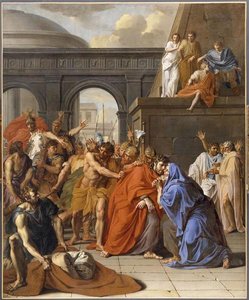
Coypel's career unfolded with a series of increasingly prominent roles within the French art establishment. In 1672, he was appointed director of the prestigious French Academy in Rome—a position that afforded him four years to immerse himself in the artistic heart of Europe and further cultivate his classical sensibilities. This appointment wasn’t simply an honor; it signified a recognition of his talent and potential as a leader within the art world. Upon his return to France, Coypel ascended to become director of the Academy of Painting, where he dedicated himself to fostering the next generation of artists and upholding the standards of academic excellence. Among his most celebrated achievements was his work on large-scale decorative projects, including paintings for the Louvre and other significant Parisian institutions. His *Martyrdom of Saint James in Notre Dame* stands as a testament to his mastery of classical themes, dramatic composition, and technical skill—a powerful depiction that encapsulates the elegance and grandeur characteristic of his style.Family Legacy and Enduring Impact
The Coypel name became synonymous with artistic talent, extending beyond Noël Nicolas himself. His sons, Antoine and Noël-Nicolas Coypel, followed in their father’s footsteps, establishing themselves as accomplished painters and contributing to the continuation of the family legacy. This familial dedication highlights the importance of artistic training within the Coypel household and the enduring influence of Noël Nicolas's example. Beyond his own prolific output, Coypel played a vital role in shaping the French art scene during a period of significant change. His emphasis on classical principles, combined with a refined sense of elegance, left an indelible mark on numerous artists who followed. He wasn’t merely a painter; he was a teacher, an administrator, and a champion of artistic excellence whose influence continues to be felt today. To explore the breadth of his work, including masterpieces like *The Martyrdom of Saint James*, visit resources such as ArtsDot.com, where a comprehensive collection of his paintings awaits discovery. His art remains a powerful reminder of the enduring beauty and timeless appeal of classical painting.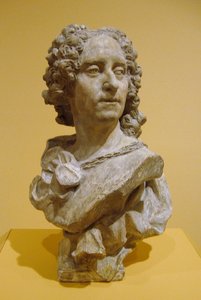
noel nicolas coypel
1628 - 1707 , France
Quick Facts
- Artistic Movement Or Style: Classical Painting
- Artists Who Influenced This Artist: ['Nicolas Poussin']
- Date Of Birth: December 25, 1628
- Date Of Death: 1707
- Full Name: Noël Nicolas Coypel
- Nationality: French
- Notable Artworks: ['Martyrdom of St James']
- Place Of Birth: Paris, France
Related Articles
Simon Vouet: A Baroque Master's Journey from Italian Influence to French Classicism
Explore the life & art of Simon Vouet, a pivotal French Baroque painter who introduced Italian styles to France. Discover his masterpieces and lasting influence on 17th-century art.
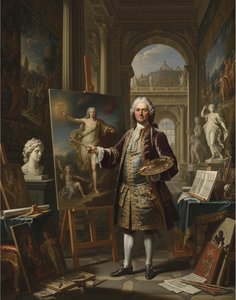
Charles Le Brun: Master of French Baroque Classicism & His Enduring Legacy
Explore the life & art of Charles Le Brun, master of French Baroque Classicism. Discover his royal commissions, influence on Versailles, and enduring legacy through detailed analysis & stunning artworks.
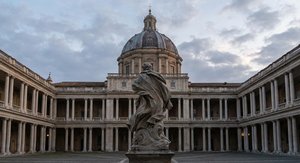
Baroque Classicism: Reconciling Drama & Order in 17th-Century Art
Explore the captivating world of Baroque Classicism! Discover its history, key artists like Caravaggio & Rubens, and defining characteristics. Expert insights & high-quality reproductions at ArtsDot.

Baroque Drama: Bringing Opulence & Emotion into Contemporary Interiors
Explore the opulent world of Baroque interior design! Discover key elements, modern applications & how to bring dramatic elegance into your home with 's authentic reproductions.
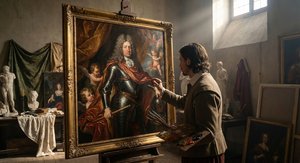
The Grandeur of Baroque Portraiture: Power, Emotion & Artistic Innovation
Explore the grandeur of Baroque portraiture! Discover Rubens, Van Dyck & the masters of 17th-century art. Uncover symbolism, techniques & lasting influence. Expert insights for collectors and enthusiasts.