 Preview
 Send
Send Share
Share
 Details

 Download
 Similars
 X-Ray
X-Ray Diaporama
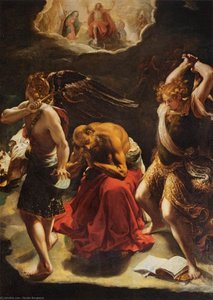
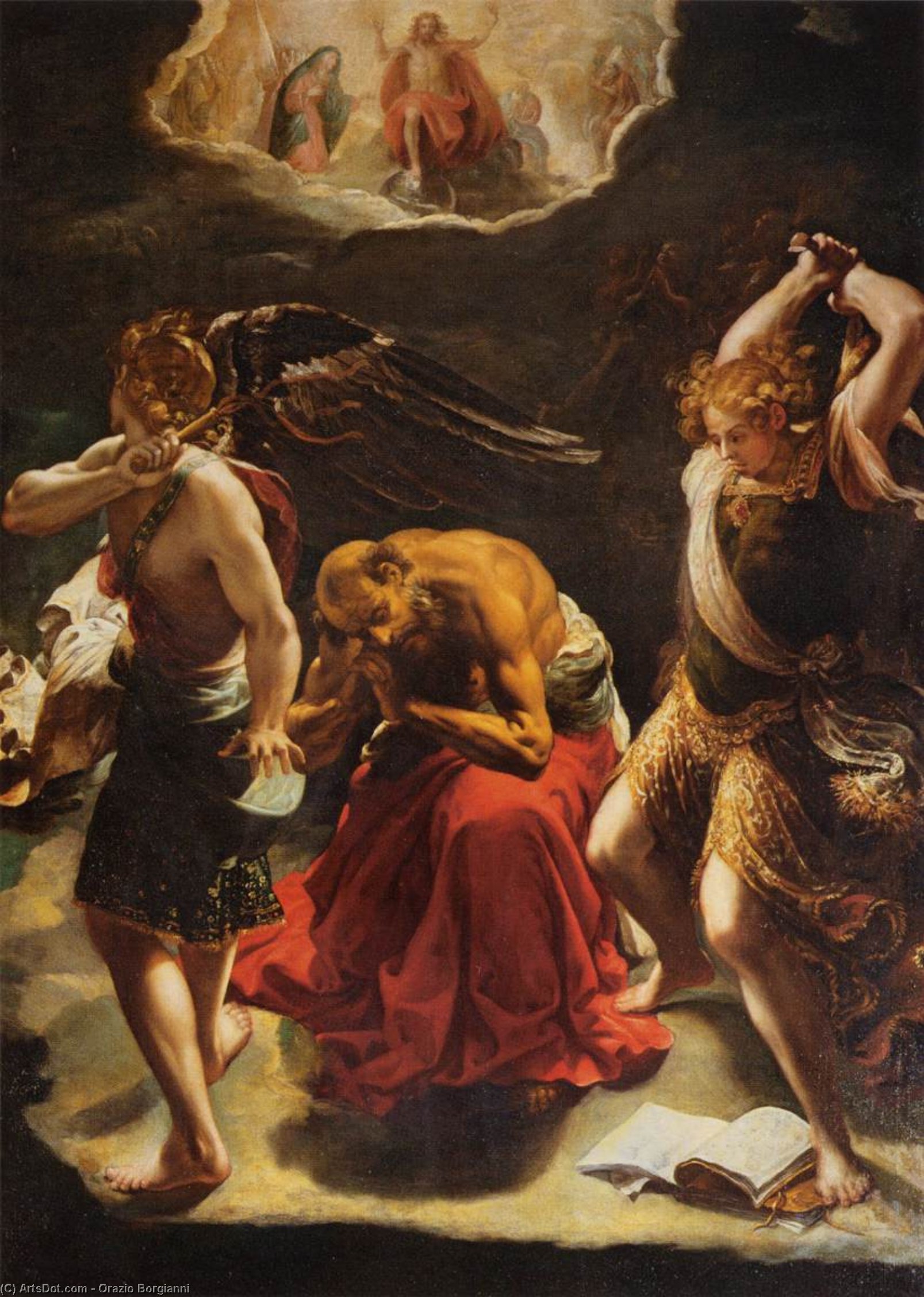
The Vision of St Jerome
 Oil On Canvas
- WallArt
- Baroque
 1600
1600- Early Modern
 176.0 x 126.0 cm
 The Louvre
 Read More
Hand Made Oil Reproduction
Hand-painted oil on canvas in your size and frame, made to order by our artists. ( Buy Print Buy Image)




P118B $10

P118H $10

P118W $10

P438Z $10

P508JH $12

P508YH $12

P805H $10

P805Z $10

P919BZ $10

P919G $10

P919XJ $10

P959ZH $10

P968JZ $12

W106C $8

W218G $10

W218JH $8

W218Y $10

W307PJ $10

W316G $10

W316PJ $8

W316Y $10

W398PJ $8

W4111J $10

W500HY $15

W500JH $15

W692G $12

W849H $8

W940BG $15

W953PJ $8




Pick from our preset sizes that match the artwork's original proportions.

You may enter your own dimensions to fit a specific frame or space. If your selected size does not match the original image's proportions, we will either crop the artwork or extend the painting with additional hand-painted elements. A digital mockup will be sent for your approval before production begins.
Please note that the on-screen preview does not reflect the actual cropping or extension. Only the mockup will accurately show the final composition.
While custom sizes are available, we recommend selecting a dimension from the predefined list to preserve the original proportions.
After order, ArtsDot.com team will email client for instructions and provide a mockup preview
Worldwide Delivery () in 3/4 weeks instead of standard 5 weeks. (21 August). No compromise on quality.

Free Worldwide Express Shipping

High-Quality Linen Canvas

Full Shipping Insurance

Customs Tax Refund Guarantee

True Color Matching Guarantee

60-Day Return Policy (Defects Only)

100% Money-Back Guarantee

Bulk Discount Offer
 Glass option is only available in size under 110 CM

The Vision of St Jerome
Reproduction Medium
Reproduction Size
-


Total Price
$ 263
Artwork Description
A Divine Encounter: Exploring The Vision of St Jerome
To stand before The Vision of St Jerome is to be enveloped in a palpable atmosphere of sacred contemplation. This magnificent canvas, dating from the year 1600, transports the viewer directly into a moment suspended between earthly devotion and celestial revelation. At its heart kneels Saint Jerome, the scholar and hermit, depicted with an exquisite humility as he bows his head, perhaps lost in prayer or deep study of scripture. His posture alone speaks volumes of ascetic dedication, drawing the eye immediately to the profound weight of his spiritual quest.
The surrounding composition is anything but static. It pulses with divine energy. Angels, their wings catching the light, and various figures populate the space around him, creating a dynamic tapestry of belief. The artist, orazio borgianni, masterfully orchestrates these elements, ensuring that while the scene feels crowded with spiritual significance, it never descends into chaos; rather, it achieves a breathtaking sense of ordered movement.
Mastery in Color and Composition
The technical brilliance evident in this work is immediately apparent. Borgianni employs a rich and luxuriant palette—deep crimsons mingle with ethereal blues, vibrant greens provide grounding contrast, and touches of gold-tinged yellow illuminate the divine presence. The interplay between these colors is not merely decorative; it serves to heighten the emotional temperature of the scene. Observe how the light seems to emanate from the celestial figures themselves, casting a warm glow that bathes St. Jerome in an almost palpable aura of grace.
The composition itself is a lesson in Baroque drama. The arrangement of figures guides the viewer's gaze in sweeping arcs around the central figure. This depth and movement give the painting an immersive quality, making it feel less like a depiction on a wall and more like a window into another realm entirely.
Symbolism and Spiritual Resonance
St. Jerome has long been a potent symbol of scholarship married to piety. His vision here suggests that true wisdom is not found solely within dusty tomes, but through profound spiritual communion. The angels represent divine guidance, the surrounding figures perhaps embodying the various facets of human devotion or the Church's support for learning. For the modern collector, this piece offers more than mere decoration; it serves as a powerful meditation aid, an object that encourages quiet reflection and intellectual yearning.
The historical context of the early 17th century—a time steeped in Counter-Reformation fervor—is subtly woven into the narrative. The emphasis on personal piety and divine intervention speaks to the era's deep spiritual currents, making this work both historically resonant and eternally moving.
Bringing Sacred Drama Home
For those seeking an artwork that commands attention while whispering of profound spirituality, The Vision of St Jerome is unparalleled. Its substantial size (176 x 126 cm) allows the drama to unfold fully, making it a breathtaking focal point for a grand hall, library, or chapel-inspired interior space. Owning a reproduction of this piece means inviting a masterpiece of Baroque storytelling into your life—a vibrant echo of Renaissance devotion rendered with the dramatic flair characteristic of early 17th-century Italian masters.
Related Artworks

Artist Biography
Giorgio Vasari: The Architect of Artistic Biography
Giorgio Vasari, born in Arezzo in 1511 and tragically passing away in Florence in 1574, wasn’t merely a painter or architect; he was the pivotal figure who essentially invented the modern art historical biography. Often considered the “minister of culture” to the powerful Medici court in Florence, Vasari’s magnum opus, *The Lives of the Most Excellent Painters, Sculptors, and Architects*, remains a cornerstone of Western artistic understanding, shaping how we perceive and interpret the careers of countless artists from the Renaissance onwards. His work wasn't simply a chronicle; it was a deliberate construction of an idealized narrative, elevating Florence as the undisputed center of artistic innovation – a perspective that, while now recognized for its inherent biases, fundamentally altered the trajectory of art historical scholarship.
Vasari’s early life provided a surprisingly robust foundation for his later endeavors. Initially apprenticed to Guillaume de Marcillat, a stained-glass artist and painter in Arezzo, he received a grounding in both technical skill and humanist learning, including Latin. This early exposure to classical thought would prove crucial in shaping his approach to art history. He then moved to Florence, where he honed his skills under the tutelage of Andrea del Sarto and Baccio Bandinelli, absorbing the prevailing artistic trends of the time. Crucially, Vasari’s education extended beyond the purely visual; he was a keen observer of human nature and possessed an astute understanding of patronage and social dynamics – qualities that would later inform his biographical writing.
A Renaissance Man: Painter, Architect, and Art Historian
Vasari's career spanned diverse artistic disciplines. He excelled as both a painter and architect, contributing significantly to the aesthetic landscape of Florence during the High Renaissance. His architectural designs are particularly noteworthy, including the grand loggia of the Palazzo degli Uffizi, a masterpiece that still dominates the Florentine skyline. However, it’s his role as an art historian – specifically, the author of *The Lives* – that secures his enduring legacy. This monumental work wasn't simply a collection of artist portraits; it was a carefully constructed argument for the importance of artistic innovation and the elevation of Florence as the birthplace of Western art.
The structure of *The Lives* is itself remarkable. Vasari organized his subjects chronologically, grouping them into categories – painters, sculptors, and architects – and presenting each artist’s life alongside a detailed analysis of their works. He meticulously documented not only the artistic achievements but also the personal circumstances, struggles, and even supposed moral failings of each subject. This biographical approach, unprecedented in its scope and ambition, established a new standard for art historical writing. It's important to acknowledge that Vasari’s account is often riddled with inaccuracies and embellishments; he frequently invented details or exaggerated events to bolster his narrative. However, despite these flaws, *The Lives* remains an invaluable source of information about the Renaissance artistic world.
Influences and Artistic Style
Vasari's artistic style reflects the prevailing trends of the Mannerist period, a transitional phase between the High Renaissance and the Baroque. His paintings are characterized by a refined elegance, meticulous detail, and a sophisticated use of color and composition. While he embraced the stylistic innovations of his time – such as complex spatial arrangements and dramatic lighting – he also retained a strong sense of classical proportion and harmony. His architectural work similarly demonstrates a mastery of Renaissance principles, blending functionality with aesthetic beauty.
Vasari was profoundly influenced by several key figures. Leonardo da Vinci, for instance, held a particularly revered position in his writings, serving as a model for artistic excellence and intellectual curiosity. Michelangelo, despite Vasari’s later reservations about the sculptor's temper, also received considerable attention. Furthermore, Vasari drew inspiration from classical texts and humanist ideals, seeking to understand art within a broader cultural context. He was deeply influenced by the concept of *rinascita* (rebirth), popularized by Jules Michelet, which emphasized the revival of classical learning and artistic values during the Renaissance.
Legacy and Historical Significance
Giorgio Vasari’s impact on art history is immeasurable. His *Lives* established a precedent for biographical writing that continues to shape our understanding of artists today. He not only documented the lives of the great masters but also shaped their reputations, often elevating them to legendary status. His emphasis on Florence as the center of artistic innovation helped to solidify the city’s position as a cultural powerhouse – a narrative that has been both celebrated and critiqued over time.
Despite criticisms regarding factual inaccuracies and his inherent bias in favor of Florentine artists, Vasari remains a foundational figure in Western art history. His work provides invaluable insights into the Renaissance artistic world and continues to be studied and debated by scholars today. His legacy extends beyond the realm of art history; he is also considered one of the first cultural critics, offering a unique perspective on the relationship between art, society, and power.
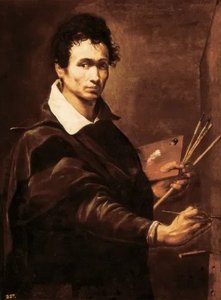
orazio borgianni
1574 - 1616 , Italy
Quick Facts
- Artistic Movement Or Style: Mannerism, Renaissance
- Artists Or Movements Influenced By This Artist:
- Renaissance artists
- Vasari's concept
- Artists Who Influenced This Artist:
- Guglielmo da Marsiglia
- Andrea del Sarto
- Date Of Birth: July 30, 1511
- Date Of Death: June 27, 1574
- Full Name: Giorgio Vasari
- Nationality: Italian
- Notable Artworks:
- Lives of the Most Eminent Painters...
- Tomb of Michelangelo
- Place Of Birth: Arezzo, Tuscany
Related Articles
Decoding Baroque Grandeur: A Guide to the Drama and Emotion of 17th-Century Art
Explore the breathtaking drama of 17th-century Baroque art. Our expert guide decodes the use of chiaroscuro, emotional intensity, and historical grandeur to help you appreciate and curate timeless masterpieces for your collection.

The Dramatic Flourish: Exploring the Baroque Movement's Enduring Legacy in Art History
Explore the dramatic world of Baroque art! Discover iconic artists like Caravaggio & Rubens, defining techniques, and its lasting impact on art history. Expert insights for collectors & enthusiasts at ArtsDot.

The Visceral Stage: Exploring Dramatic Narratives & Emotional Intensity in Baroque Art
Explore the dramatic world of Baroque art! Discover iconic masters like Caravaggio & Rembrandt, their techniques, and the movement's lasting impact. Expert insights for collectors & enthusiasts at ArtsDot.
Baroque Classicism: Reconciling Drama & Order in 17th-Century Art
Explore the captivating world of Baroque Classicism! Discover its history, key artists like Caravaggio & Rubens, and defining characteristics. Expert insights & high-quality reproductions at ArtsDot.

Simon Vouet: A Baroque Master's Journey from Italian Influence to French Classicism
Explore the life & art of Simon Vouet, a pivotal French Baroque painter who introduced Italian styles to France. Discover his masterpieces and lasting influence on 17th-century art.