 Preview
 Send
Send Share
Share
 Details

 Download
 Similars
 X-Ray
X-Ray Diaporama
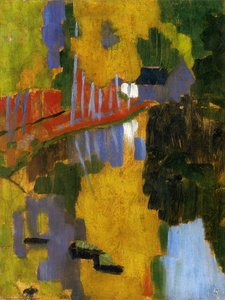
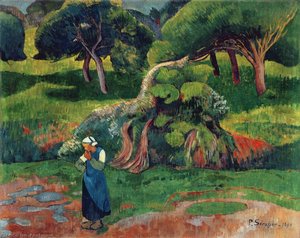
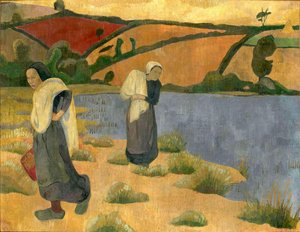
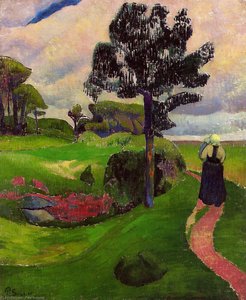
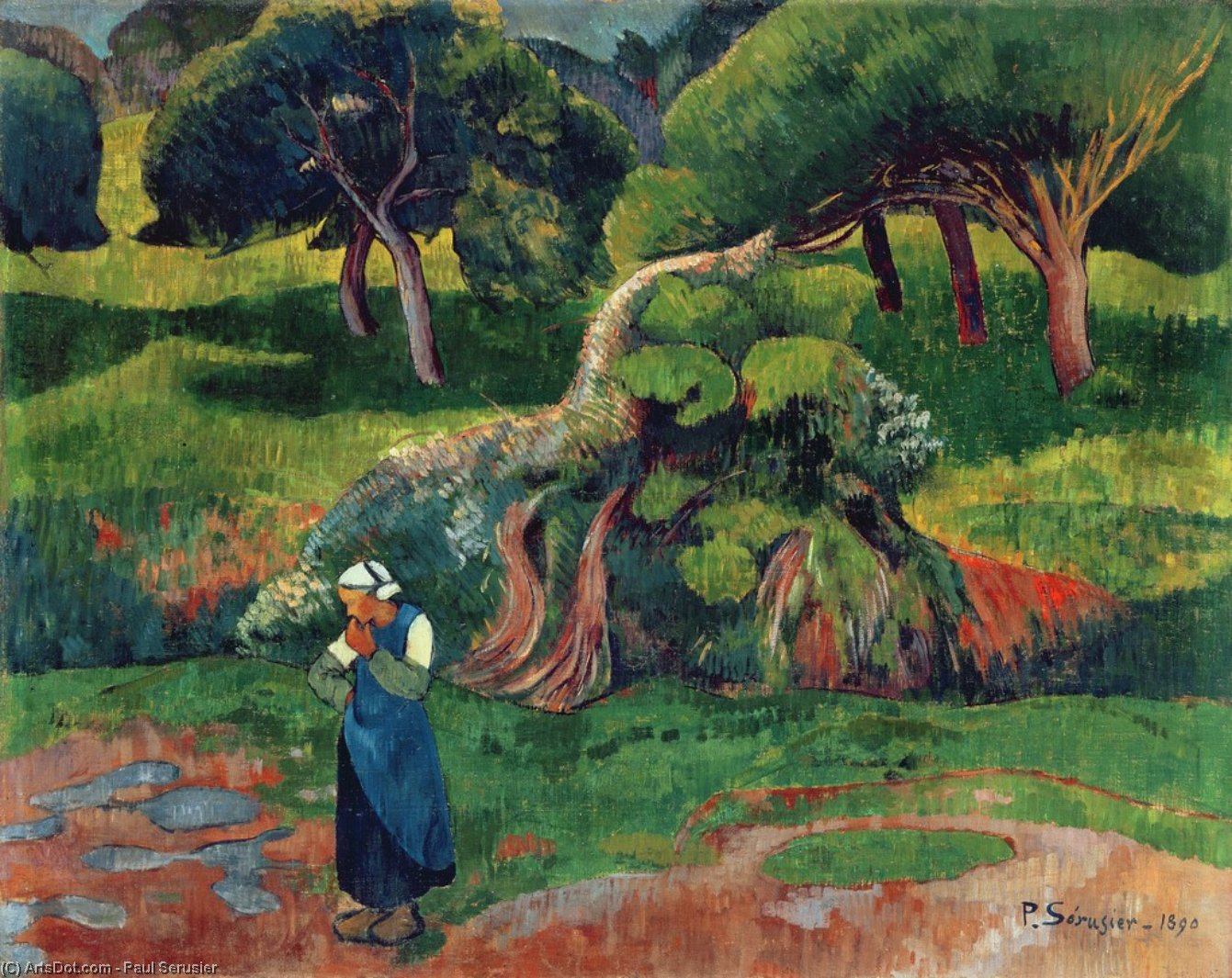
Landscape at Le Pouldu


 Read More
Hand Made Oil Reproduction
Hand-painted oil on canvas in your size and frame, made to order by our artists. ( Buy Print Buy Image)




P118B $10

P118H $10

P118W $10

P438Z $10

P508JH $12

P508YH $12

P805H $10

P805Z $10

P919BZ $10

P919G $10

P919XJ $10

P959ZH $10

P968JZ $12

W106C $8

W218G $10

W218JH $8

W218Y $10

W307PJ $10

W316G $10

W316PJ $8

W316Y $10

W398PJ $8

W4111J $10

W500HY $15

W500JH $15

W692G $12

W849H $8

W940BG $15

W953PJ $8




Pick from our preset sizes that match the artwork's original proportions.

You may enter your own dimensions to fit a specific frame or space. If your selected size does not match the original image's proportions, we will either crop the artwork or extend the painting with additional hand-painted elements. A digital mockup will be sent for your approval before production begins.
Please note that the on-screen preview does not reflect the actual cropping or extension. Only the mockup will accurately show the final composition.
While custom sizes are available, we recommend selecting a dimension from the predefined list to preserve the original proportions.
After order, ArtsDot.com team will email client for instructions and provide a mockup preview
Worldwide Delivery () in 3/4 weeks instead of standard 5 weeks. (17 August). No compromise on quality.

Free Worldwide Express Shipping

High-Quality Linen Canvas

Full Shipping Insurance

Customs Tax Refund Guarantee

True Color Matching Guarantee

60-Day Return Policy (Defects Only)

100% Money-Back Guarantee

Bulk Discount Offer
 Glass option is only available in size under 110 CM

Landscape at Le Pouldu
Reproduction Medium
Reproduction Size
-


Total Price
$ 263
Artwork Description
Landscape at Le Pouldu: A Breton Reverie Embodied in Synthetism
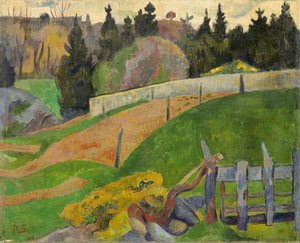
The Landscape at Le Pouldu by Paul Sérusier stands as a cornerstone of Post-Impressionist art and a testament to the burgeoning Symbolist movement’s fascination with capturing inner emotion through visual representation. Painted in 1890, this deceptively simple canvas—now housed within the Museum of Fine Arts Houston—offers far more than meets the eye; it's an invitation into a realm of quiet contemplation and profound connection with nature. Sérusier’s artistic vision was profoundly influenced by his time spent at Pont-Aven, Brittany, alongside fellow artist Paul Gauguin, where he actively participated in the formation of Les Nabis – a group dedicated to exploring expressive abstraction rooted in traditional landscape painting techniques.The Style of Synthetism: Simplifying Reality for Emotional Resonance
Sérusier’s stylistic approach aligns perfectly with Synthetism, championed by Gauguin and Cézanne. Rejecting Impressionistic optical realism, Synthetists sought to distill the essence of a scene into its fundamental forms and colors—a deliberate simplification designed to evoke feeling rather than precise observation. “The Talisman,” Sérusier’s groundbreaking exploration of this style, exemplifies this ambition. Like Le Pouldu, it abandons detailed depiction in favor of bold brushstrokes and flattened planes of color, prioritizing the conveyance of mood and atmosphere above photographic accuracy. The resulting image possesses a dreamlike quality—a palpable stillness that encourages viewers to linger on its surface and contemplate its hidden depths.A Composition Steeped in Breton Symbolism
The painting depicts a woman standing before a solitary tree, her back turned towards the viewer. This posture isn’t merely compositional; it symbolizes introspection and detachment – themes prevalent within Breton folklore and Symbolist thought. The surrounding trees are rendered with muted greens and browns, creating a harmonious backdrop that emphasizes the central figure's solitude. Notably, two birds perch near the upper left corner and lower right side of the canvas—symbols of freedom and aspiration, subtly interwoven into the landscape’s serene tableau. These avian elements contribute to the painting’s overall sense of optimism and spiritual yearning.Technique: Bold Brushstrokes and Color Harmony
Sérusier's masterful technique utilizes thick impasto – applying paint in textured layers – to imbue the canvas with palpable physicality. The vibrant hues—primarily shades of green and ochre—are applied with confident strokes, capturing the diffused light characteristic of Breton summers. Careful consideration is given to color harmony; complementary colors are juxtaposed to heighten visual impact without overwhelming the viewer’s senses. This deliberate restraint underscores Sérusier's commitment to conveying emotion through subtle nuances of tone and hue – a hallmark of Post-Impressionist artistry.Emotional Impact: Finding Beauty in Quiet Contemplation
“Landscape at Le Pouldu” transcends mere visual representation; it invites viewers into a meditative state. The painting’s tranquil atmosphere speaks to the enduring human desire for connection with nature and introspection—themes that resonate powerfully across generations. Its understated beauty lies precisely in its ability to capture a fleeting moment of serenity, prompting contemplation on themes of solitude, spirituality, and the sublime. Owning a high-quality reproduction allows you to experience this timeless masterpiece and bring its evocative spirit into your home. Explore similar works by Gauguin and Cézanne at ArtsDot for inspiration.Related Artworks
Artist Biography
early life and education
paul sérusier, a french painter, was born on november 9, 1864, in paris. he studied at the académie julian, where he became a monitor in the mid-1880s. this marked the beginning of his artistic journey, which would eventually lead him to pioneer abstract art and inspire the avant-garde nabis movement, synthetism, and cloisonnism.artistic career
in the summer of 1888, sérusier traveled to pont-aven, where he joined a small group of artists centered around paul gauguin. under gauguin's close supervision, sérusier painted "the talisman," an extreme exercise in cloisonnism that approximated pure abstraction. this piece showcased his innovative style and willingness to experiment with new techniques. as a post-impressionist painter, sérusier was part of the group les nabis, alongside pierre bonnard, édouard vuillard, and maurice denis. although not as widely recognized as some of his peers, sérusier's contributions to the development of abstract art are undeniable.notable works and legacy
some of sérusier's notable works include:- l'averse (1893), musée d'orsay, paris
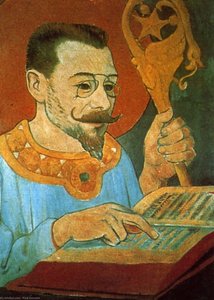
- portrait of paul ranson (1890), musée d'orsay, paris
- melancholy (1890)
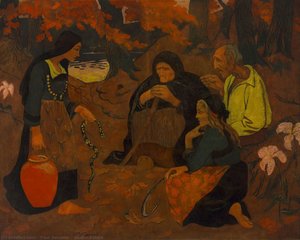
- the snake eaters (1894), muzeum narodowe, warsaw
artistic movement and influence
sérusier's work was influenced by cloisonnism, a style characterized by bold and flat forms separated by dark contours. this movement, which emerged in the late 19th century, played a significant role in shaping the development of modern art.- explore more on cloisonnism: the cloisonnism art movement
- discover sérusier's work: paul serusier | ArtsDot.com
- learn about the nabis movement: the nabis art movement
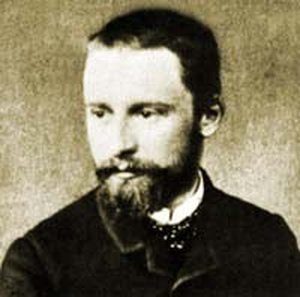
Paul Sérusier
1864 - 1927 , France
Quick Facts
- Artistic Movement Or Style: Post-Impressionism
- Artists Who Influenced This Artist:
- Paul Gauguin
- Maurice Denis
- Date Of Birth: November 9, 1864
- Full Name: Louis-Paul-Henri Sérusier
- Nationality: French
- Notable Artworks:
- The Talisman
- Landscape at the Bois d’Amour
- Place Of Birth: Paris, France
Related Articles

Cézanne's Masterpieces: 25 Iconic Artworks to Transform Your Space
Journey through 25 iconic artworks by Paul Cézanne – a master of Impressionism and Post-Impressionism. Explore his landscapes, still lifes, and the stories behind these timeless masterpieces. Discover museum-quality reproductions & curated decor at ArtsDot.com.
Paul Klee's Masterpieces: Explore 25 Iconic Paintings & Prints | ArtsDot
Journey through Paul Klee's 25 most iconic paintings & prints. Explore his abstract style, Bauhaus influence, and vibrant color palettes. Find museum-quality art reproductions & decor ideas at ArtsDot.com. Discover all masterpieces online.
Paul Sérusier: Pioneering Synthetism & The Nabis’ Symbolic Revolution
Discover Paul Sérusier's pivotal role in the Nabis movement & the birth of Synthetism. Explore 'The Talisman,' his influence on modern art, and a deeper understanding of this symbolic revolution. Expert analysis & insights.

Beyond the Horizon: 10 Landscape Masterpieces for Your Home Decor
Journey through 10 breathtaking landscape paintings by Monet, Van Gogh & more! Explore iconic artworks, artistic techniques & find inspiration for your home decor. Museum-quality reproductions at ArtsDot.com. Discover all masterpieces on ArtsDot.com
Beyond Impressionism: Exploring the Emotional Depth of Post-Impressionist Painting
Explore the profound emotional depth & innovative techniques of Post-Impressionism with ArtsDot. Discover Cézanne, Van Gogh, Gauguin & more – and their lasting impact on modern art.