 Preview
 Send
Send Share
Share
 Details

 Download
 Similars
 X-Ray
X-Ray Diaporama
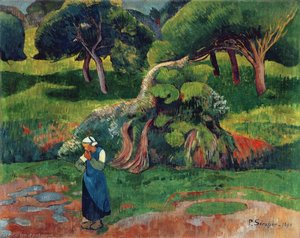
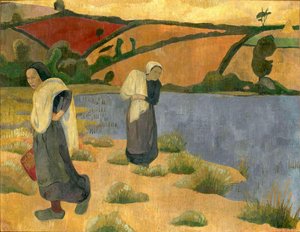
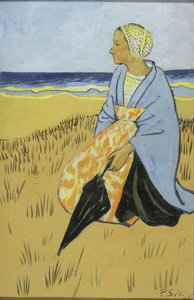
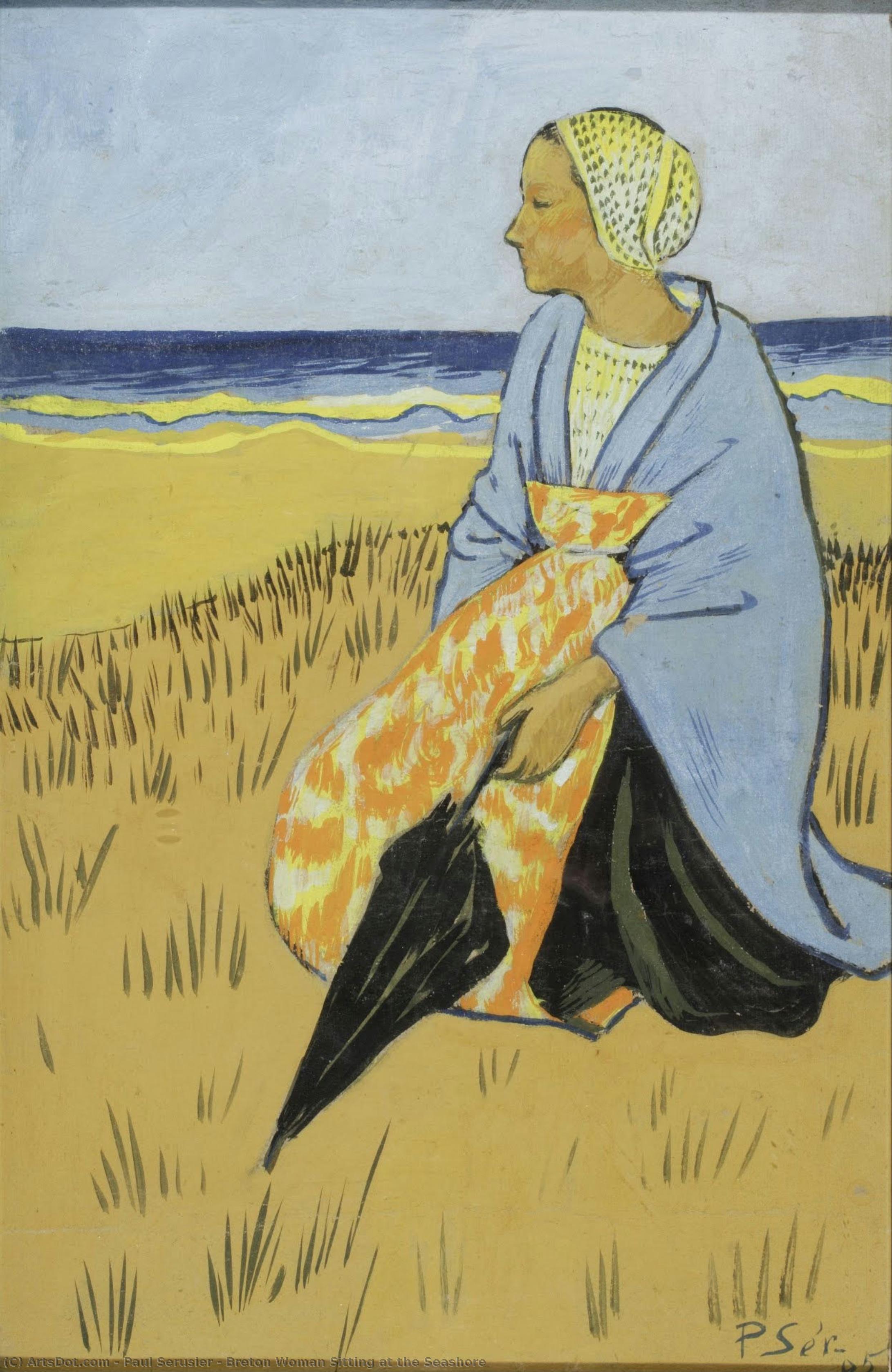
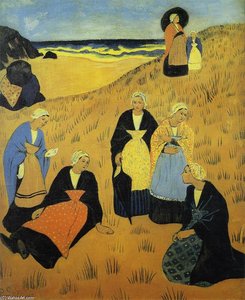
Breton Woman Sitting at the Seashore
 Acrylic On Canvas
- WallArt
- Post-Impressionism
 29.0 x 45.0 cm
 Warsaw National Museum
 Read More
Hand Made Oil Reproduction
Hand-painted oil on canvas in your size and frame, made to order by our artists. ( Buy Print Buy Image)




P118B $10

P118H $10

P118W $10

P438Z $10

P508JH $12

P508YH $12

P805H $10

P805Z $10

P919BZ $10

P919G $10

P919XJ $10

P959ZH $10

P968JZ $12

W106C $8

W218G $10

W218JH $8

W218Y $10

W307PJ $10

W316G $10

W316PJ $8

W316Y $10

W398PJ $8

W4111J $10

W500HY $15

W500JH $15

W692G $12

W849H $8

W940BG $15

W953PJ $8




Pick from our preset sizes that match the artwork's original proportions.

You may enter your own dimensions to fit a specific frame or space. If your selected size does not match the original image's proportions, we will either crop the artwork or extend the painting with additional hand-painted elements. A digital mockup will be sent for your approval before production begins.
Please note that the on-screen preview does not reflect the actual cropping or extension. Only the mockup will accurately show the final composition.
While custom sizes are available, we recommend selecting a dimension from the predefined list to preserve the original proportions.
After order, ArtsDot.com team will email client for instructions and provide a mockup preview
Worldwide Delivery () in 3/4 weeks instead of standard 5 weeks. (23 August). No compromise on quality.

Free Worldwide Express Shipping

High-Quality Linen Canvas

Full Shipping Insurance

Customs Tax Refund Guarantee

True Color Matching Guarantee

60-Day Return Policy (Defects Only)

100% Money-Back Guarantee

Bulk Discount Offer
 Glass option is only available in size under 110 CM

Breton Woman Sitting at the Seashore
Reproduction Medium
Reproduction Size
-


Total Price
$ 263
Artwork Description
Breton Woman Sitting at the Seashore - Paul Sérusier: A Reflection of Mythic Brittany
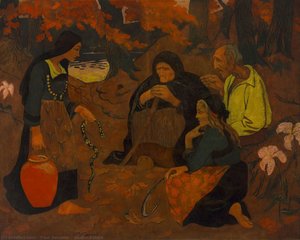
The allure of Breton folklore permeates Paul Sérusier’s “Breton Woman Sitting at the Seashore,” a painting that transcends mere depiction to embody the spirit of Symbolism and its fascination with hidden meanings. Created around 1890, this artwork resides within the esteemed collection of Gabriela Zapolska, offering viewers a glimpse into the artistic sensibilities of a bygone era. Situated in Huelgoat, Brittany – a region steeped in Celtic traditions and imbued with an aura of ancient mystery – Sérusier sought inspiration from local legends and beliefs, channeling them into a visual language that prioritizes emotion over precise representation.- Subject Matter & Composition: The painting portrays a solitary woman seated upon the sands of Brittany’s coastline. Her posture exudes quiet contemplation as she wraps her arms around herself, conveying a sense of introspection and vulnerability. Surrounding her is a tableau vivant – a staged scene capturing a moment of serene beauty—populated by figures engaged in ritualistic practices amidst a dense forest backdrop. This deliberate arrangement underscores the artist's intention to evoke atmosphere rather than literal accuracy.
- Style & Technique: Sérusier’s approach aligns perfectly with the tenets of Symbolism, rejecting Impressionist concerns for objective observation in favor of subjective experience. He employs a reductive color palette dominated by browns, reds, and blacks—a deliberate choice designed to heighten emotional impact and suggest the darkness beneath the surface of tranquility. The painting's execution showcases Sérusier’s mastery of cloisonnism, a technique characterized by geometric divisions of color that create an illusion of depth and luminosity. This method departs radically from traditional oil paint application, prioritizing visual suggestion over meticulous detail.
The Legend Embodied: Echoes of Breton Mythology
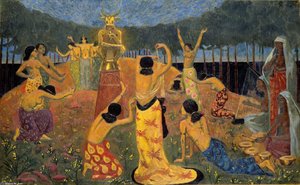
“The Snake Eaters,” as the painting’s larger counterpart is known, delves into an obscure Breton myth concerning a ritualistic dance performed by four individuals in a forest setting. Sérusier's artistic vision mirrors the Symbolist preoccupation with exploring the subconscious and accessing primal emotions. The figures are rendered with simplified forms—a stylistic hallmark of cloisonnism—emphasizing their presence as symbols rather than realistic representations. This deliberate abstraction serves to amplify the painting’s mystical quality, inviting viewers to contemplate themes of transformation and spiritual awakening.- Symbolic Resonance: The forest itself symbolizes the realm of the unconscious mind, mirroring the artist's desire to capture intangible feelings and impressions. The muted color scheme—browns, reds, blacks—further reinforces this symbolic dimension, evoking associations with earth, blood, and darkness – elements frequently utilized in Symbolist art to convey profound psychological states.
- Historical Context: Sérusier’s work emerged during the formative years of the Nabis movement, alongside artists like Gauguin and Vuillard. This collective championed a distinctive aesthetic characterized by bold simplification and expressive color—a reaction against Impressionism's focus on capturing fleeting visual sensations.
A Legacy of Quiet Intensity: Influence & Artistic Significance
“Breton Woman Sitting at the Seashore” stands as a testament to Sérusier’s pioneering spirit and his unwavering commitment to exploring the depths of human emotion. Its understated beauty—coupled with its masterful technique—continues to inspire artists and collectors alike, cementing its place within the canon of Symbolist art. Like “The Snake Eaters,” it exemplifies the movement's conviction that art should transcend mere representation, striving instead to communicate profound truths about the human condition.Gabriela Zapolska’s collection ensures that this evocative artwork remains accessible to discerning audiences, inviting contemplation and appreciation for its enduring artistic merit.
Related Artworks
Artist Biography
early life and education
paul sérusier, a french painter, was born on november 9, 1864, in paris. he studied at the académie julian, where he became a monitor in the mid-1880s. this marked the beginning of his artistic journey, which would eventually lead him to pioneer abstract art and inspire the avant-garde nabis movement, synthetism, and cloisonnism.artistic career
in the summer of 1888, sérusier traveled to pont-aven, where he joined a small group of artists centered around paul gauguin. under gauguin's close supervision, sérusier painted "the talisman," an extreme exercise in cloisonnism that approximated pure abstraction. this piece showcased his innovative style and willingness to experiment with new techniques. as a post-impressionist painter, sérusier was part of the group les nabis, alongside pierre bonnard, édouard vuillard, and maurice denis. although not as widely recognized as some of his peers, sérusier's contributions to the development of abstract art are undeniable.notable works and legacy
some of sérusier's notable works include:- l'averse (1893), musée d'orsay, paris
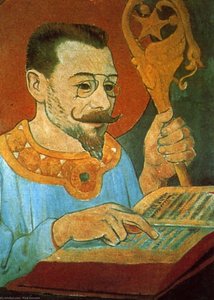
- portrait of paul ranson (1890), musée d'orsay, paris
- melancholy (1890)
- the snake eaters (1894), muzeum narodowe, warsaw
artistic movement and influence
sérusier's work was influenced by cloisonnism, a style characterized by bold and flat forms separated by dark contours. this movement, which emerged in the late 19th century, played a significant role in shaping the development of modern art.- explore more on cloisonnism: the cloisonnism art movement
- discover sérusier's work: paul serusier | ArtsDot.com
- learn about the nabis movement: the nabis art movement
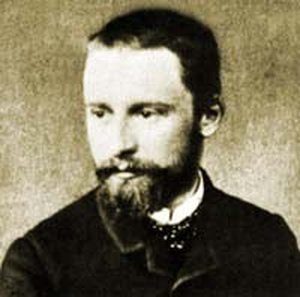
Paul Sérusier
1864 - 1927 , France
Quick Facts
- Artistic Movement Or Style: Post-Impressionism
- Artists Who Influenced This Artist:
- Paul Gauguin
- Maurice Denis
- Date Of Birth: November 9, 1864
- Full Name: Louis-Paul-Henri Sérusier
- Nationality: French
- Notable Artworks:
- The Talisman
- Landscape at the Bois d’Amour
- Place Of Birth: Paris, France
Related Articles
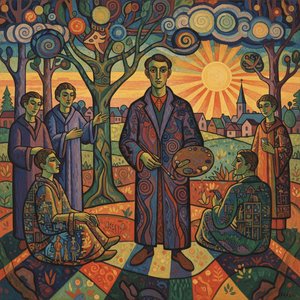
Paul Sérusier: Pioneering Synthetism & The Nabis’ Symbolic Revolution
Discover Paul Sérusier's pivotal role in the Nabis movement & the birth of Synthetism. Explore 'The Talisman,' his influence on modern art, and a deeper understanding of this symbolic revolution. Expert analysis & insights.
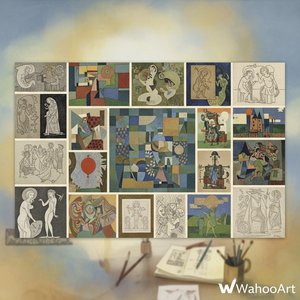
Paul Klee's Masterpieces: Explore 25 Iconic Paintings & Prints | ArtsDot
Journey through Paul Klee's 25 most iconic paintings & prints. Explore his abstract style, Bauhaus influence, and vibrant color palettes. Find museum-quality art reproductions & decor ideas at ArtsDot.com. Discover all masterpieces online.

Cézanne's Masterpieces: 25 Iconic Artworks to Transform Your Space
Journey through 25 iconic artworks by Paul Cézanne – a master of Impressionism and Post-Impressionism. Explore his landscapes, still lifes, and the stories behind these timeless masterpieces. Discover museum-quality reproductions & curated decor at ArtsDot.com.
Jules Breton: Capturing the Poetic Soul of French Rural Life
Explore the captivating world of Jules Breton, master of French Realism. Discover his iconic paintings of rural life, learn about his artistic journey, and find high-quality reproductions to elevate your art collection at ArtsDot.
Émile Bernard: Pioneering Synthetism & the Post-Impressionist Quest for Essence
Explore the life & work of Émile Bernard, a pivotal Post-Impressionist pioneer of Synthetism. Discover his influence on Van Gogh & Gauguin and learn about collecting his art with ArtsDot.