 Preview
 Send
Send Share
Share
 Details

 Download
 Similars
 X-Ray
X-Ray Diaporama
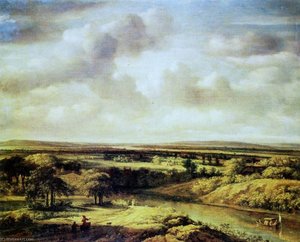
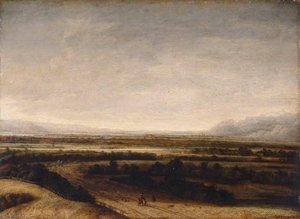
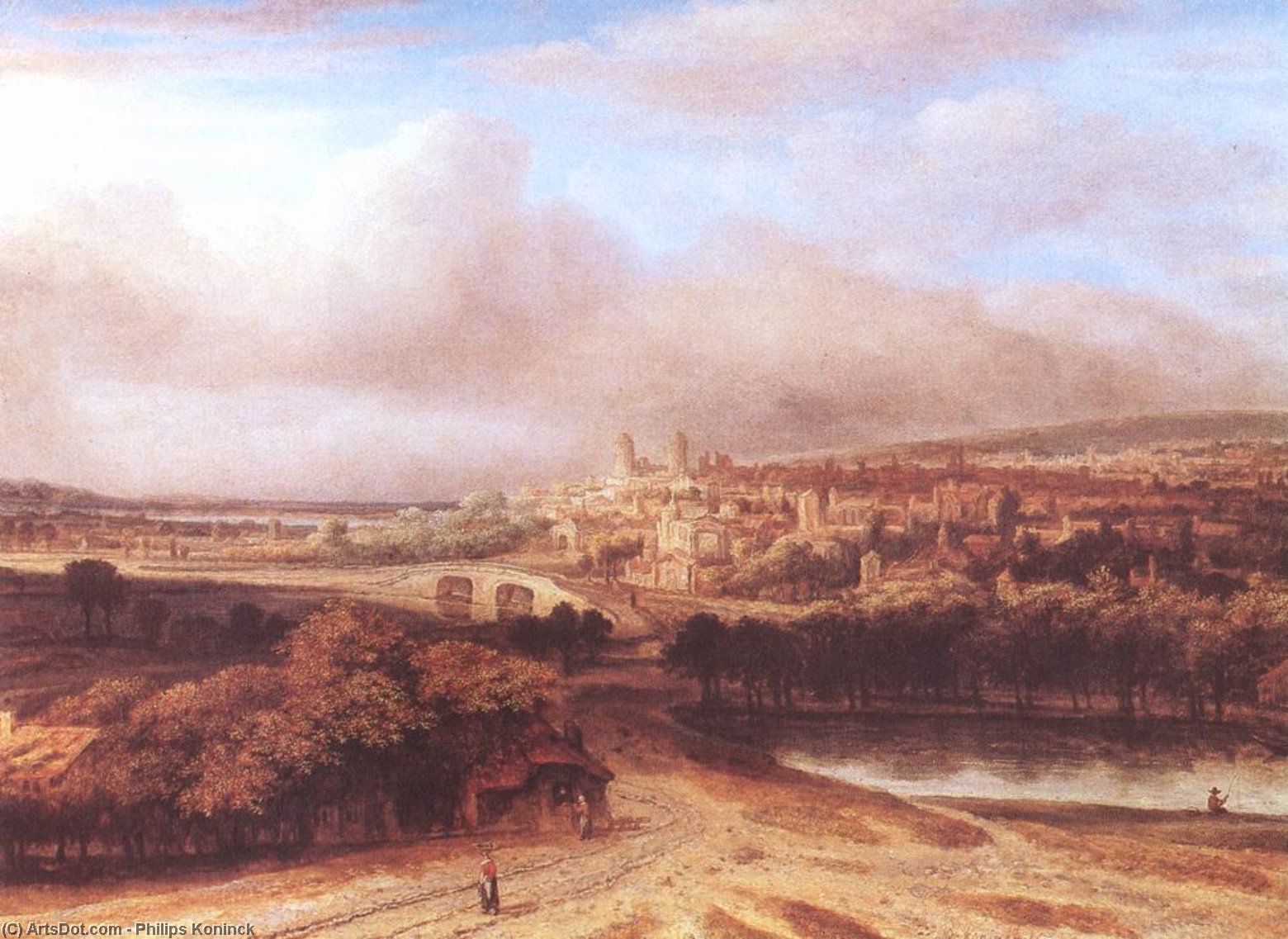
Village on a Hill
 Oil
Oil- WallArt
- Dutch Golden Age
 1651
1651- Early Modern
 61.0 x 83.0 cm
 Oskar Reinhart Collection
 Read More
Hand Made Oil Reproduction
Hand-painted oil on canvas in your size and frame, made to order by our artists. ( Buy Print Buy Image)




P118B $10

P118H $10

P118W $10

P438Z $10

P508JH $12

P508YH $12

P805H $10

P805Z $10

P919BZ $10

P919G $10

P919XJ $10

P959ZH $10

P968JZ $12

W106C $8

W218G $10

W218JH $8

W218Y $10

W307PJ $10

W316G $10

W316PJ $8

W316Y $10

W398PJ $8

W4111J $10

W500HY $15

W500JH $15

W692G $12

W849H $8

W940BG $15

W953PJ $8




Pick from our preset sizes that match the artwork's original proportions.

You may enter your own dimensions to fit a specific frame or space. If your selected size does not match the original image's proportions, we will either crop the artwork or extend the painting with additional hand-painted elements. A digital mockup will be sent for your approval before production begins.
Please note that the on-screen preview does not reflect the actual cropping or extension. Only the mockup will accurately show the final composition.
While custom sizes are available, we recommend selecting a dimension from the predefined list to preserve the original proportions.
After order, ArtsDot.com team will email client for instructions and provide a mockup preview
Worldwide Delivery () in 3/4 weeks instead of standard 5 weeks. (17 August). No compromise on quality.

Free Worldwide Express Shipping

High-Quality Linen Canvas

Full Shipping Insurance

Customs Tax Refund Guarantee

True Color Matching Guarantee

60-Day Return Policy (Defects Only)

100% Money-Back Guarantee

Bulk Discount Offer
 Glass option is only available in size under 110 CM

Village on a Hill
Reproduction Medium
Reproduction Size
-


Total Price
$ 263
Artwork Description
A Panoramic Escape into the Dutch Golden Age
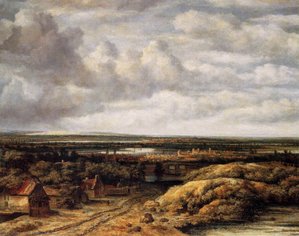
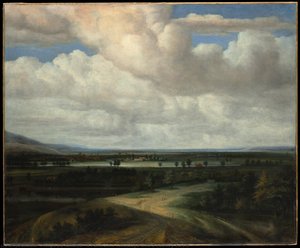
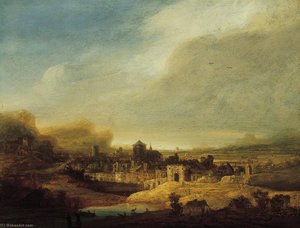
In the quiet mastery of Philips de Koninck, we find a window into a world where time seems to slow to the gentle rhythm of flowing water and rustling leaves. His masterpiece, Village on a Hill, is far more than a mere depiction of a landscape; it is an invitation to wander through a meticulously crafted vision of the seventeenth-century countryside. Painted in 1651, during the height of the Dutch Golden Age, this work captures a profound sense of tranquility. The viewer is immediately drawn into a valley where a charming village rests nestled among undulating hills, cradled by the protective embrace of distant mountains and lush, verdant forests. A river winds its way through the heart of the scene, acting as a silver thread that binds the earth to the sky, guiding the eye through the depth of the composition.
The brilliance of de Koninck lies in his ability to balance the monumental with the intimate. While the scale of the landscape suggests an expansive, panoramic view—a hallmark of his celebrated style—the artist populates this vast stage with delicate human touches. Tiny figures are scattered throughout the terrain, some engaged in quiet labor and others simply traversing the paths. These small traces of life prevent the landscape from feeling desolate; instead, they imbue the scene with a sense of community and enduring peace. For the collector or interior designer, this painting offers a rare duality: it possesses the grandeur necessary to anchor a large wall space, yet retains an intimate, storytelling quality that rewards close, contemplative inspection.
Technique, Light, and Atmospheric Mastery
To observe Village on a Hill is to witness a masterclass in atmospheric perspective. De Koninck, often noted for his ability to rival the great Ruisdael, utilizes a sophisticated palette of earthy greens, deep ochres, and soft, hazy blues to create an incredible sense of three-dimensional space. The technique involves a delicate layering of light that mimics the shifting moods of a northern sky. Notice how the light seems to filter through the clouds, casting soft shadows across the valley floor and illuminating certain clusters of trees while leaving others in a mysterious, cool shade. This interplay of light and shadow—a subtle nod to the influence of Rembrandt—creates a palpable sense of air and moisture, making the atmosphere feel heavy with the scent of damp earth and summer greenery.
The brushwork, though precise enough to define the architecture of the village and the texture of the foliage, retains a fluid, organic energy. There is a rhythmic quality to the way the trees are rendered, creating a natural frame that directs our gaze toward the central settlement. For those seeking to incorporate fine art into a modern living space, this piece serves as an exquisite focal point. Its classical composition and harmonious color temperature allow it to integrate seamlessly into both traditional and contemporary decors, providing a sophisticated layer of historical depth and organic warmth to any room.
A Legacy of Serenity for the Discerning Collector
Beyond its technical prowess, Village on a Hill resonates on an emotional level, tapping into a universal longing for pastoral harmony. In an era of constant movement and digital noise, de Koninck’s vision of a settled, peaceful existence offers a profound psychological respite. The painting symbolizes the stability of the land and the enduring relationship between humanity and nature. It is a celebration of the "quiet life," captured with a level of detail that honors the beauty of the everyday landscape.
Owning a high-quality reproduction of this work allows one to bring this piece of Dutch history into the home, transforming a domestic space into a gallery of contemplation. Whether placed in a study to inspire quiet thought or in a grand dining room to evoke a sense of timeless elegance, this painting remains a testament to the enduring power of the landscape genre. It is not merely an object of decoration, but a portal to a bygone era of grace, light, and unparalleled natural beauty.
Related Artworks
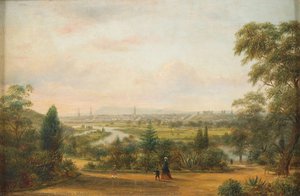
Artist Biography
Philips de Koninck: A Panoramic Vision of the Dutch Landscape
Philips de Koninck (1619–1688) stands as a prominent figure within the Dutch Golden Age, celebrated primarily for his expansive landscapes that capture the grandeur and subtlety of the Dutch countryside. Though relatively prolific compared to some contemporaries like Rembrandt or Rubens, his output remains modest—estimated at around 50 paintings—making him a somewhat enigmatic artist whose legacy is intertwined with scholarly debate regarding attribution and artistic lineage. Born in Amsterdam, de Koninck’s life was marked by considerable success as a businessman, residing on Reguliersgracht, where he cultivated an affluent lifestyle. Yet, his artistic endeavors appear to have been pursued largely independently, reflecting a dedication to craft rather than grand patronage projects.- Early Life and Training: Little is known definitively about de Koninck’s formative years. He apprenticed under Jacob Savery, a Flemish landscape painter who championed the Baroque style, absorbing influences from Rubens and Caravaggio—artists whose dramatic compositions and masterful use of light would undoubtedly shape his artistic sensibilities.
- Amsterdam Workshop and Artistic Style: De Koninck established his own workshop in Amsterdam, attracting students and fostering a collaborative environment. His landscapes are characterized by meticulous detail, capturing the textures of bark, foliage, and water with remarkable accuracy. Crucially, he employed atmospheric perspective—a technique pioneered by Rembrandt—to convey depth and realism, simulating the effects of sunlight filtering through trees and creating an illusion of distance.
Panoramic Views and Rembrandt’s Influence
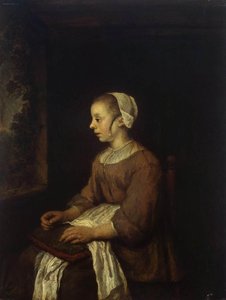
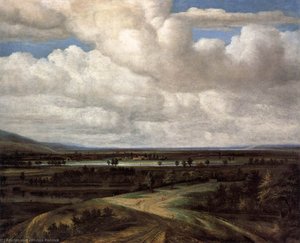
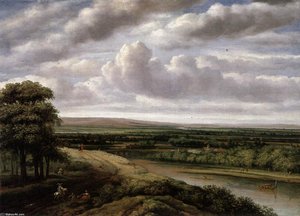
De Koninck's landscapes are instantly recognizable for their monumental scale and breathtaking vistas. Unlike many artists of his time who favored smaller, more intimate scenes, he opted for panoramic compositions that aimed to immerse the viewer in the grandeur of the Dutch landscape—a deliberate choice reflecting the Baroque fascination with spectacle and conveying a sense of sublime beauty. His paintings frequently depict wooded areas bathed in golden light, capturing fleeting moments of atmospheric drama. The influence of Rembrandt is undeniable; his masterful use of chiaroscuro – the interplay between light and shadow – lends his canvases an emotional resonance that transcends mere visual representation. Consider ‘An Extensive Wooded Landscape’ (AQR46N), where the dappled sunlight illuminates the intricate details of the forest floor, mirroring Rembrandt's signature style.- Notable Works: Among his most celebrated paintings are ‘The Seamstress’ (AQR47J) and ‘The Shepherdess,’ both depicting rural figures against dramatic backgrounds. These works exemplify de Koninck’s ability to convey psychological depth alongside visual splendor.
- Attribution Disputes: De Koninck's oeuvre has been subject to considerable controversy regarding attribution. Many paintings attributed to Rembrandt have been conclusively proven to be executed by his nephew, Salomon de Koninck—a disciple who skillfully imitated Rembrandt’s style. This confusion underscores the challenges faced by art historians in establishing authorship and complicates our understanding of artistic innovation during the Golden Age.
Legacy and Historical Significance
Despite the attribution disputes surrounding his work, Philips de Koninck remains a significant contributor to Dutch landscape painting. His paintings are housed in museums across Europe—including the Rijksmuseum Amsterdam and Kunsthistorisches Museum Wien—testamentary to their enduring appeal. De Koninck’s landscapes stand as powerful embodiments of Baroque aesthetics, reflecting the era's preoccupation with grandeur, emotion, and the sublime. He solidified Rembrandt’s legacy by demonstrating how to translate dramatic lighting into a landscape genre, securing his place among the most influential artists of his time.- Further Exploration: For more information on Philips de Koninck's life and art, consult Art UK (
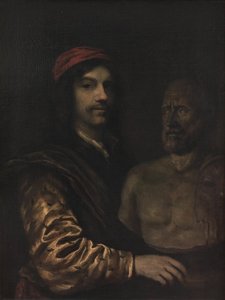
philips de koninck
1619 - 1688
Quick Facts
- Artistic Movement Or Style: Dutch Landscape Painting
- Artists Or Movements Influenced By This Artist: Baroque
- Artists Who Influenced This Artist: Rembrandt
- Date Of Death: 1688
- Full Name: Philips de Koninck
- Nationality: Dutch
- Notable Artworks:
- An Extensive Wooded Landscape
- The Seamstress
- Place Of Birth: Amsterdam, Netherlands
Related Articles

Beyond the Horizon: 10 Landscape Masterpieces for Your Home Decor
Journey through 10 breathtaking landscape paintings by Monet, Van Gogh & more! Explore iconic artworks, artistic techniques & find inspiration for your home decor. Museum-quality reproductions at ArtsDot.com. Discover all masterpieces on ArtsDot.com

John Constable's Masterpieces: Explore 25 Iconic Landscapes for Your Home
Journey through John Constable's 25 most celebrated landscapes. Explore Romanticism, Dedham Vale & his masterful use of light in iconic paintings like 'Hay Wain'. Find museum-quality art reproductions and elevate your home decor on ArtsDot.com.
Golden Light & Dutch Skies: Bringing the Magic of Dutch Golden Age Landscapes into Your Home
Transform your home with the breathtaking light of Dutch Golden Age landscapes. Discover how hand-painted oil reproductions of masterworks like Ruisdael and Vermeer bring timeless elegance, atmosphere, and soulful texture to modern interiors. Elevate your space with museum-quality art.
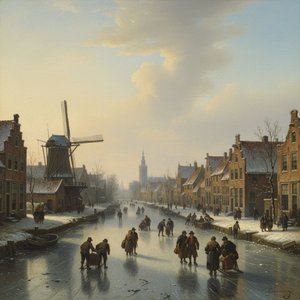
Charles Leickert: Capturing the Dutch Golden Age Light – A Comprehensive Study of Technique, Context, and Legacy
Explore the captivating winter landscapes of Charles Leickert, a master of Dutch Golden Age light & atmosphere. Discover his techniques, symbolism, and lasting legacy – a comprehensive study for art enthusiasts and collectors.

Romantic Landscapes: 10 Masterpieces for Your Home | ArtsDot
Journey through 10 Romantic landscape masterpieces by Friedrich, Turner & Cole. Explore emotional art, sublime nature scenes & iconic 19th-century paintings. Find museum-quality reproductions for your home at ArtsDot.com – discover the full collection online!