 Preview
 Send
Send Share
Share
 Details

 Download
 Similars
 X-Ray
X-Ray Diaporama
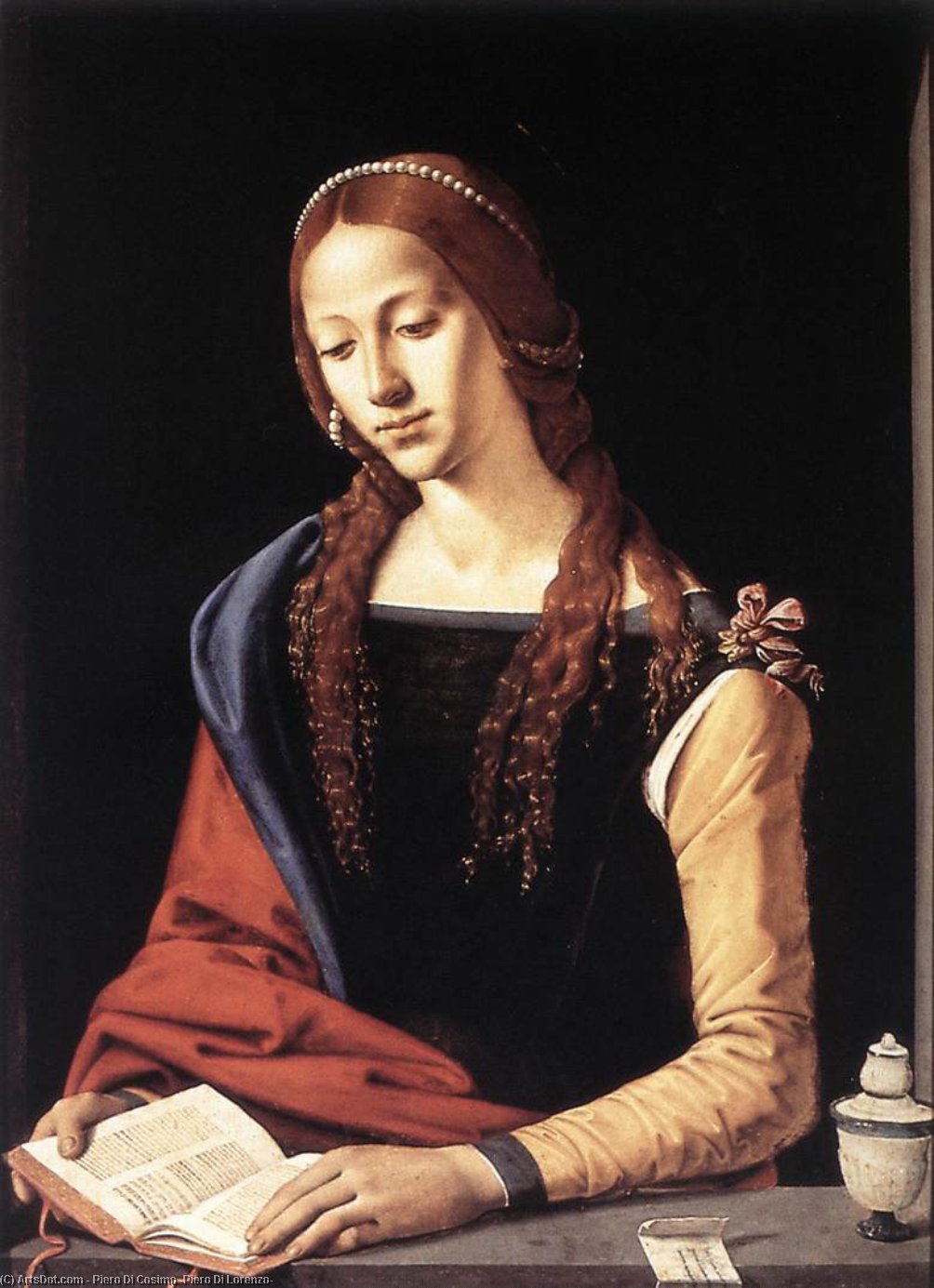
St Mary Magdalene
 Oil On Panel
- Renaissance
 1490
1490 72.0 x 76.0 cm
 Galleria Nazional d Art Antica
 Read More
Hand Made Oil Reproduction
Hand-painted oil on canvas in your size and frame, made to order by our artists. ( Buy Print Buy Image)




P118B $10

P118H $10

P118W $10

P438Z $10

P508JH $12

P508YH $12

P805H $10

P805Z $10

P919BZ $10

P919G $10

P919XJ $10

P959ZH $10

P968JZ $12

W106C $8

W218G $10

W218JH $8

W218Y $10

W307PJ $10

W316G $10

W316PJ $8

W316Y $10

W398PJ $8

W4111J $10

W500HY $15

W500JH $15

W692G $12

W849H $8

W940BG $15

W953PJ $8




Pick from our preset sizes that match the artwork's original proportions.

You may enter your own dimensions to fit a specific frame or space. If your selected size does not match the original image's proportions, we will either crop the artwork or extend the painting with additional hand-painted elements. A digital mockup will be sent for your approval before production begins.
Please note that the on-screen preview does not reflect the actual cropping or extension. Only the mockup will accurately show the final composition.
While custom sizes are available, we recommend selecting a dimension from the predefined list to preserve the original proportions.
After order, ArtsDot.com team will email client for instructions and provide a mockup preview
Worldwide Delivery () in 3/4 weeks instead of standard 5 weeks. (16 August). No compromise on quality.

Free Worldwide Express Shipping

High-Quality Linen Canvas

Full Shipping Insurance

Customs Tax Refund Guarantee

True Color Matching Guarantee

60-Day Return Policy (Defects Only)

100% Money-Back Guarantee

Bulk Discount Offer
 Glass option is only available in size under 110 CM

St Mary Magdalene
Reproduction Medium
Reproduction Size
-


Total Price
$ 263
Artwork Description
A Renaissance Reverie: Piero di Cosimo’s St. Mary Magdalene
Piero di Cosimo's 1490s depiction of Saint Mary Magdalene is not merely a portrait; it’s a profound meditation on faith, repentance, and the enduring power of spiritual transformation. Born in Florence during a period of explosive artistic innovation – a time when Botticelli’s ethereal beauty mingled with the burgeoning realism of Van der Goes – Cosimo carved out his own distinctive space within the Renaissance landscape, imbuing his work with an almost dreamlike quality that sets it apart.
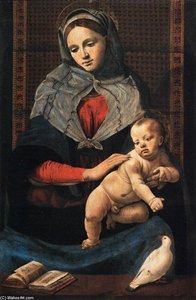
The painting immediately draws the eye to the central figure: Mary Magdalene herself. She’s rendered in profile, a deliberate choice that emphasizes her contemplative state and invites the viewer into her inner world. Lost in thought as she pores over an open book, a symbol of her devotion and ongoing study of scripture, she embodies a quiet intensity rarely found in depictions of this biblical figure. Her long, flowing hair, adorned with delicate pearls – a subtle extravagance suggesting both her past sins and her newfound grace – cascades around her face, framing her features with an air of serene dignity.
A Symphony of Color and Texture
Technically, the painting is a masterful example of tempera on panel. Cosimo’s skill lies not just in his ability to capture likeness but also in his manipulation of color and texture. The background, deliberately dark and receding, serves to heighten the luminosity of Mary Magdalene, creating an intimate space around her that feels both sacred and deeply personal. The rich hues—deep blues, vibrant reds, and earthy browns—are applied with a meticulous attention to detail, layering glazes to achieve a remarkable sense of depth and volume. The texture of her garments, the folds in her veil, and even the worn pages of the book are rendered with astonishing realism, inviting us to almost reach out and touch them.
The use of light is particularly noteworthy. It’s diffused and gentle, bathing Mary Magdalene in a soft glow that suggests divine grace. This careful orchestration of color and texture contributes significantly to the painting's overall mood—one of quiet contemplation, spiritual yearning, and ultimately, hope.
Symbolism Woven into the Fabric
Beyond its aesthetic beauty, the painting is rich in symbolic meaning. The open book represents Mary Magdalene’s ongoing commitment to her faith, a testament to her transformation from a former sinner to a devoted follower of Christ. The small jar or vessel on the table beside her—a detail often overlooked—alludes to her role as a witness to the Resurrection, referencing the ointment she prepared for Jesus during his crucifixion. This gesture underscores her pivotal position in the narrative and highlights the significance of her testimony.
Furthermore, the painting’s composition echoes Renaissance ideals of humanism and classical art. The careful balance of elements, the idealized beauty of the figure, and the integration of symbolic motifs all contribute to its enduring appeal. It's a work that speaks not only to religious devotion but also to the broader humanist concerns of the era – the pursuit of knowledge, the celebration of beauty, and the exploration of human potential.
A Legacy Preserved
Currently housed in the Galleria Nazionale d’Arte Antica in Rome, Piero di Cosimo's St. Mary Magdalene remains a captivating masterpiece. Reproductions are available through ArtsDot.com, offering an opportunity to experience this extraordinary work of art firsthand. For those interested in learning more about the artist and his context, resources such as Wikipedia ( provide valuable insights into his life and career. The Galleria Nazionale d’Arte Antica itself is a treasure trove of Renaissance art, offering visitors a chance to immerse themselves in the beauty and brilliance of this transformative period.
Related Artworks
![The Madonna Between St. John The Baptist And St. Sebastian [detail] — Vannucci Pietro (le Perugin), Renaissance](/media/artworks/images/thumbnails/ad/ad/adadce3c43174b99bc91b80d8fcb158f.jpg)
Artist Biography
Piero di Cosimo (1462-1522): Bridging Fantasy and Realism in Florentine Renaissance Painting
Piero di Cosimo, born Piero di Lorenzo Battista around 1462 in Florence, Italy, stands as a singular figure within the vibrant tapestry of the Florentine Renaissance. Unlike many of his contemporaries who adhered rigidly to classical ideals, Cosimo possessed an imaginative spirit that infused his artwork with fantastical elements alongside meticulous observation of nature—a distinctive blend that cemented his reputation as one of the era’s most innovative painters. His artistic journey unfolded against a backdrop of burgeoning humanist thought and artistic experimentation, mirroring the broader cultural transformations reshaping Europe during this period.- Early Life & Training: Precise biographical details surrounding Cosimo's formative years remain elusive, primarily relying on fragmentary references in Vasari’s Lives of Artists. He apprenticed under Andrea del Verrocchio, a renowned sculptor and painter whose workshop served as a crucible for artistic talent. This association exposed Cosimo to the techniques of fresco painting and sculpture, shaping his foundational skillset.
- Influences & Artistic Style: Cosimo’s style was profoundly impacted by Botticelli and Giovanni Battista Van Eyck—artists who championed both beauty and psychological depth. Botticelli's graceful lines and ethereal figures instilled in Cosimo a penchant for elegance and idealized representation, while Van Eyck’s mastery of oil paint encouraged him to explore nuanced tonal gradations and textural richness. These influences combined to produce an artistic idiom characterized by luminous colors, delicate brushwork, and a captivating fusion of mythological narratives with realistic landscapes.
Notable Works & Artistic Achievements
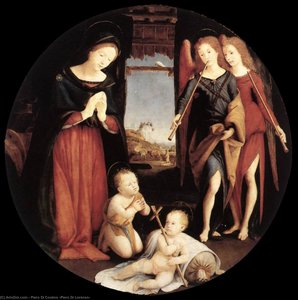
Cosimo’s oeuvre comprises a remarkable collection of paintings that showcase his exceptional talent and imaginative vision. Among his most celebrated creations are “Vulcan and Aeolus,” a monumental circular oil painting depicting the mythological confrontation between Zeus's son and Poseidon—a testament to Cosimo’s ability to convey dramatic emotion within a carefully constructed composition. Similarly, "Madonna and Sleeping Christ Child with the Infant St John the Baptist" exemplifies his meticulous attention to detail and profound understanding of religious iconography. Furthermore, “Adoration of the Child,” another circular masterpiece, embodies the serene beauty and spiritual contemplation characteristic of Early Renaissance art.Legacy & Historical Significance
Piero di Cosimo’s contribution to Florentine painting transcends mere stylistic innovation; he represents a pivotal moment in artistic history. By rejecting the constraints of strict academic convention and embracing imaginative storytelling alongside realistic depiction, Cosimo paved the way for subsequent generations of artists—including Raphael and Michelangelo—to explore new expressive possibilities. His work continues to inspire admiration for its harmonious blend of fantasy and realism, securing his place as an enduring symbol of Renaissance creativity and artistic genius. He is remembered not only for his individual masterpieces but also for shaping the broader trajectory of European art.
piero di cosimo (piero di lorenzo)
1462 - 1522 , Italy
Quick Facts
- Artistic Movement Or Style: Renaissance art
- Artists Who Influenced This Artist:
- Botticelli
- van der Goes
- Date Of Birth: 1462
- Full Name: Piero di Lorenzo
- Nationality: Italian
- Notable Artworks:
- Vulcan and Aeolus
- Madonna and Sleeping Christ Child with the Infant St John the Baptist
- Adoration of the Child
- Place Of Birth: Florence, Italy
Related Articles

Giotto's Masterpieces: 25 Renaissance Artworks for Your Home | ArtsDot
Explore 25 breathtaking artworks by Giotto di Bondone, a Renaissance master. Discover the stories behind iconic frescoes & paintings like the Scrovegni Chapel cycle. Find museum-quality Giotto reproductions and elevate your home decor with ArtsDot.com.
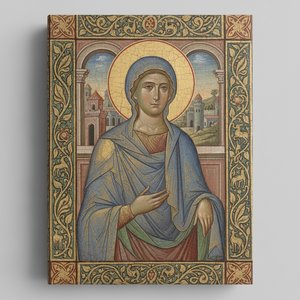
Tempera's Timeless Legacy: 10 Masterpieces That Revolutionized Art | ArtsDot
Journey through 10 legendary tempera on panel masterpieces by Giotto, Duccio & Botticelli. Explore the history, symbolism & enduring beauty of these iconic artworks. Find museum-quality reproductions for your home at ArtsDot.com.
Illuminating Surfaces: A Comprehensive Exploration of Tempera on Panel Painting Techniques & Historical Significance
Explore the rich history & techniques of tempera painting! Discover Renaissance masters like Botticelli & Fra Angelico, conservation insights, and the enduring legacy of this captivating art form. Learn more now!

Fra Angelico's Masterpieces: 25 Renaissance Paintings for Your Home | ArtsDot
Explore 25 breathtaking masterpieces by Fra Angelico, a Renaissance master. Discover the stories behind his iconic frescoes, Annunciations & religious art. Find museum-quality reproductions and elevate your home decor with ArtsDot.com.
Illuminating History: A Comprehensive Exploration of Tempera Painting Techniques & Artistic Legacy
Explore the rich history & techniques of tempera painting! Discover Renaissance masters like Botticelli & Fra Angelico, conservation insights, and the enduring legacy of this captivating art form.