 Preview
 Send
Send Share
Share
 Details

 Download
 Similars
 X-Ray
X-Ray Diaporama
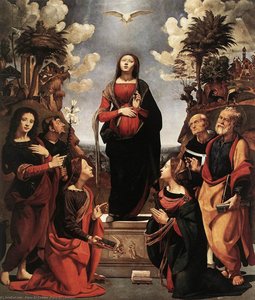
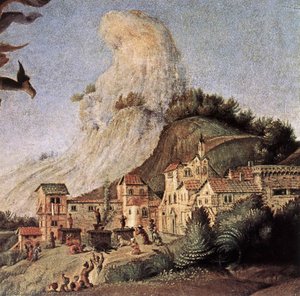
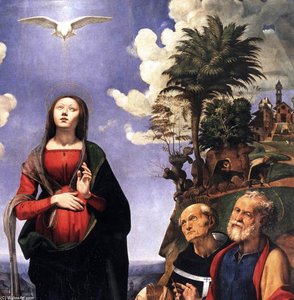
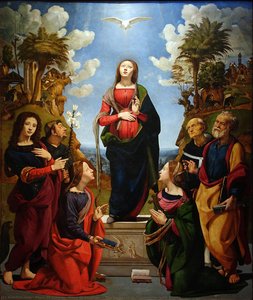
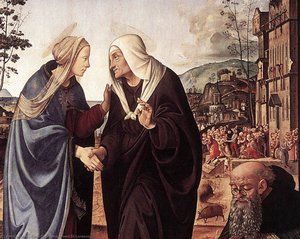
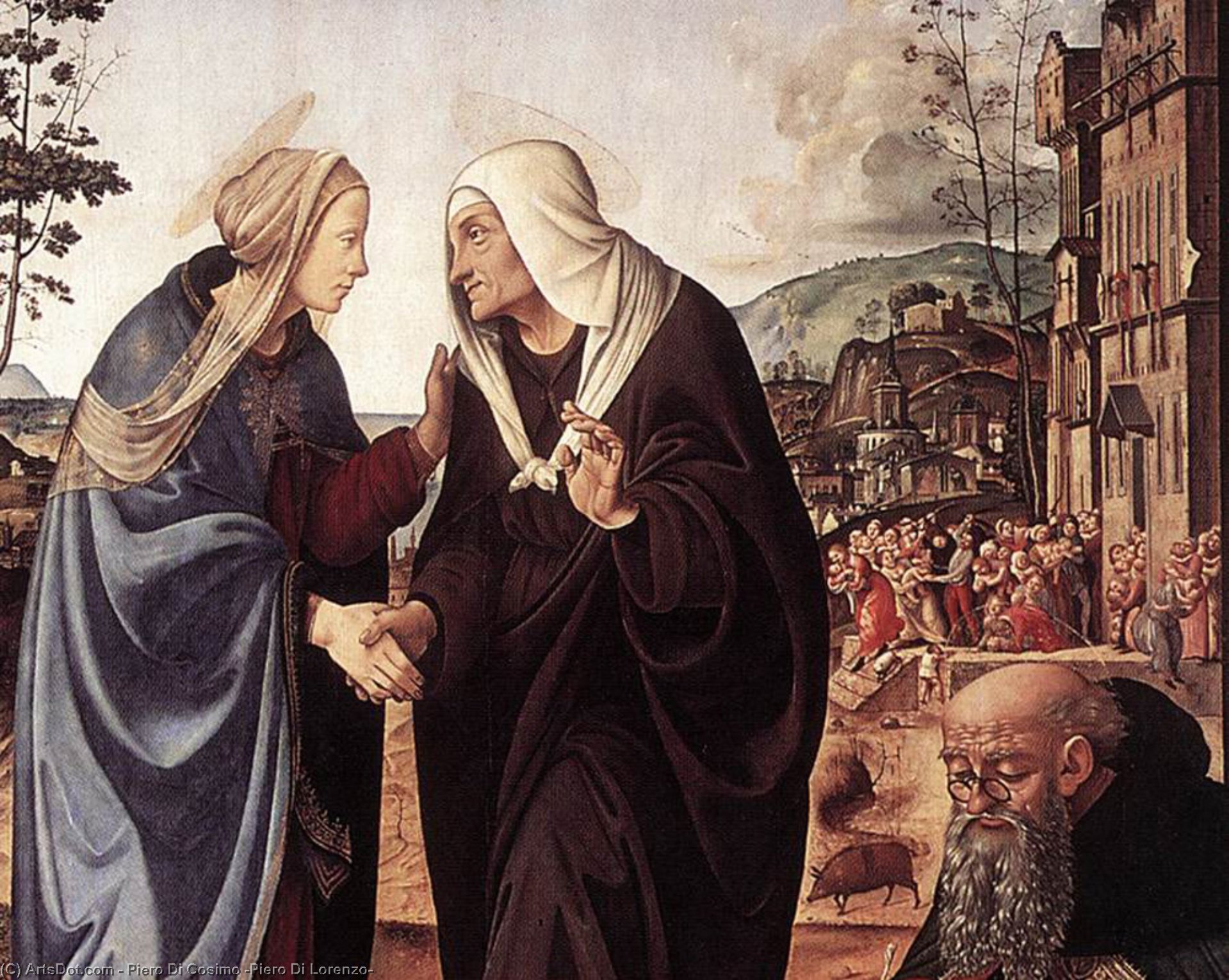
The Visitation with Sts Nicholas and Anthony (detail)


 Read More
Giclée / Art Print
Museum-quality giclée or canvas print with fast production and flexible finish options. ( Buy Hand Made Painting Buy Image)




P118B $10

P118H $10

P118W $10

P438Z $10

P508JH $12

P508YH $12

P805H $10

P805Z $10

P919BZ $10

P919G $10

P919XJ $10

P959ZH $10

P968JZ $12

W106C $8

W218G $10

W218JH $8

W218Y $10

W307PJ $10

W316G $10

W316PJ $8

W316Y $10

W398PJ $8

W4111J $10

W500HY $15

W500JH $15

W692G $12

W849H $8

W940BG $15

W953PJ $8




Pick from our preset sizes that match the artwork's original proportions.

You may enter your own dimensions to fit a specific frame or space. If your selected size does not match the original image's proportions, we will either crop the artwork or extend the image with a mirrored or solid-fill edge. A digital mockup will be sent for your approval before production begins.
Please note that the on-screen preview does not reflect the actual cropping or extension. Only the mockup will accurately show the final composition.
While custom sizes are available, we recommend selecting a dimension from the predefined list to preserve the original proportions.
Worldwide Delivery () in 2 weeks instead of standard 4/5 weeks. (2 September)

Free Worldwide Express Shipping

High-Quality Linen Canvas

Full Shipping Insurance

Customs Tax Refund Guarantee

True Color Matching Guarantee

60-Day Return Policy (Defects Only)

100% Money-Back Guarantee

Bulk Discount Offer
 Glass option is only available in size under 110 CM

The Visitation with Sts Nicholas and Anthony (detail)
Giclée / Art Print
Reproduction Size
-


Total Price
$ 63
The Visitation with Sts Nicholas and Anthony (detail): A Florentine Dreamscape
Piero di Cosimo’s “The Visitation,” painted in 1489, isn't merely a depiction of biblical scripture; it’s an embodiment of the Florentine Renaissance spirit—a daring fusion of humanist observation with fantastical imagination. Executed during a period marked by intellectual curiosity and artistic innovation, this masterpiece transcends simple storytelling to offer viewers a glimpse into the profound psychological landscape of its time.
Subject Matter & Narrative: The painting portrays Mary Magdalene and Elizabeth, figures central to the biblical narrative of the Visitation—Mary visiting Elizabeth after conceiving Jesus. However, Cosimo elevates this familiar tale with an arresting visual richness that goes beyond literal representation. The women engage in a contemplative dialogue, their gestures conveying intimacy and spiritual connection. This isn’t just about recounting a story; it's about capturing the essence of faith and maternal devotion.
Style & Technique: Cosimo’s style aligns with the burgeoning Mannerism movement—a reaction against the idealized beauty championed by earlier Renaissance artists like Leonardo da Vinci and Raphael. Unlike those masters, Cosimo deliberately eschewed smooth surfaces and harmonious proportions, favoring instead a subtly unsettling aesthetic characterized by elongated figures and expressive poses. The artist skillfully employs sfumato – a technique pioneered by Leonardo – to create hazy gradations of light and shadow, lending an ethereal quality to the scene. This masterful manipulation of pigment contributes significantly to the painting’s emotive power.
Historical Context: Florence in 1489 was at the zenith of artistic achievement under Lorenzo de Medici—the Magnificent—who fostered a climate of intellectual ferment and patronage. Cosimo's work reflects this cultural dynamism, mirroring the humanist preoccupation with human emotion and psychological realism. The painting speaks to the anxieties and aspirations of its era – grappling with questions of faith, morality, and the role of women in society.
Symbolism & Emotional Impact: Beyond its biblical narrative, “The Visitation” is laden with symbolic significance. The donkey represents humility and pastoral innocence—a deliberate contrast to the grandeur of Florentine courts. Mary’s outstretched hand symbolizes compassion and divine grace, while Elizabeth's book signifies wisdom and spiritual contemplation. Cosimo’s masterful use of color – muted reds and blues dominate the palette – reinforces the painting’s solemn mood and evokes a sense of serene spirituality. The overall effect is one of profound beauty tempered by subtle melancholy—a testament to Cosimo’s ability to capture the complexities of human experience.
Conclusion: Piero di Cosimo's “The Visitation” remains an enduring symbol of Florentine Renaissance artistry, demonstrating how imagination and meticulous technique could converge to produce a work that transcends mere visual representation. It invites viewers to contemplate not only the biblical story but also the broader humanist concerns of its time—a timeless masterpiece destined to inspire generations of art lovers.
Related Artworks

Artist Biography
Piero di Cosimo (1462-1522): Bridging Fantasy and Realism in Florentine Renaissance Painting
Piero di Cosimo, born Piero di Lorenzo Battista around 1462 in Florence, Italy, stands as a singular figure within the vibrant tapestry of the Florentine Renaissance. Unlike many of his contemporaries who adhered rigidly to classical ideals, Cosimo possessed an imaginative spirit that infused his artwork with fantastical elements alongside meticulous observation of nature—a distinctive blend that cemented his reputation as one of the era’s most innovative painters. His artistic journey unfolded against a backdrop of burgeoning humanist thought and artistic experimentation, mirroring the broader cultural transformations reshaping Europe during this period.- Early Life & Training: Precise biographical details surrounding Cosimo's formative years remain elusive, primarily relying on fragmentary references in Vasari’s Lives of Artists. He apprenticed under Andrea del Verrocchio, a renowned sculptor and painter whose workshop served as a crucible for artistic talent. This association exposed Cosimo to the techniques of fresco painting and sculpture, shaping his foundational skillset.
- Influences & Artistic Style: Cosimo’s style was profoundly impacted by Botticelli and Giovanni Battista Van Eyck—artists who championed both beauty and psychological depth. Botticelli's graceful lines and ethereal figures instilled in Cosimo a penchant for elegance and idealized representation, while Van Eyck’s mastery of oil paint encouraged him to explore nuanced tonal gradations and textural richness. These influences combined to produce an artistic idiom characterized by luminous colors, delicate brushwork, and a captivating fusion of mythological narratives with realistic landscapes.
Notable Works & Artistic Achievements
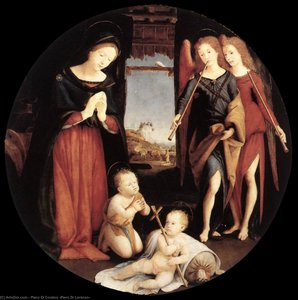
Cosimo’s oeuvre comprises a remarkable collection of paintings that showcase his exceptional talent and imaginative vision. Among his most celebrated creations are “Vulcan and Aeolus,” a monumental circular oil painting depicting the mythological confrontation between Zeus's son and Poseidon—a testament to Cosimo’s ability to convey dramatic emotion within a carefully constructed composition. Similarly, "Madonna and Sleeping Christ Child with the Infant St John the Baptist" exemplifies his meticulous attention to detail and profound understanding of religious iconography. Furthermore, “Adoration of the Child,” another circular masterpiece, embodies the serene beauty and spiritual contemplation characteristic of Early Renaissance art.Legacy & Historical Significance
Piero di Cosimo’s contribution to Florentine painting transcends mere stylistic innovation; he represents a pivotal moment in artistic history. By rejecting the constraints of strict academic convention and embracing imaginative storytelling alongside realistic depiction, Cosimo paved the way for subsequent generations of artists—including Raphael and Michelangelo—to explore new expressive possibilities. His work continues to inspire admiration for its harmonious blend of fantasy and realism, securing his place as an enduring symbol of Renaissance creativity and artistic genius. He is remembered not only for his individual masterpieces but also for shaping the broader trajectory of European art.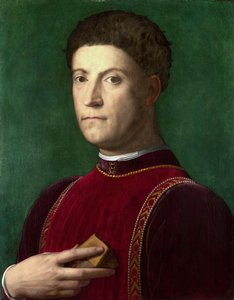
piero di cosimo (piero di lorenzo)
1462 - 1522 , Italy
Quick Facts
- Artistic Movement Or Style: Renaissance art
- Artists Who Influenced This Artist:
- Botticelli
- van der Goes
- Date Of Birth: 1462
- Full Name: Piero di Lorenzo
- Nationality: Italian
- Notable Artworks:
- Vulcan and Aeolus
- Madonna and Sleeping Christ Child with the Infant St John the Baptist
- Adoration of the Child
- Place Of Birth: Florence, Italy
Related Articles
Sacred Narratives on Canvas: Exploring Devotional Imagery Across Art History
Explore the rich history of devotional art! Discover iconic masterpieces, symbolism & techniques from antiquity to the Renaissance. Expert insights for collectors & enthusiasts at ArtsDot.
El Greco's Masterpieces: Explore 25 Iconic Paintings & Spiritual Visions | ArtsDot
Journey through El Greco's 25 most iconic paintings! Explore the spiritual depth & dramatic beauty of this Spanish Renaissance master. Discover art history, techniques & find museum-quality reproductions for your home at ArtsDot.com.
Sacred Expressions: A Journey Through Devotional Art Across Cultures & Eras
Explore the rich history of devotional art across cultures & eras. Discover iconic masterpieces, symbolism, and artistic techniques. Expert insights for collectors & enthusiasts.
Sacred Narratives Embodied: A Comprehensive Exploration of Religious Iconography in Art History
Explore the rich history of religious iconography in art! Discover symbolism, movements & masterpieces from Byzantine to Renaissance periods. Expert insights for collectors and enthusiasts at ArtsDot.
Sacred Visions: Exploring Faith & Devotion in Religious Art Across Cultures
Explore the rich history of religious art across cultures! Discover symbolism, Renaissance masterpieces & the power of color in devotional works. Expert insights for collectors and enthusiasts.