 Preview
 Send
Send Share
Share
 Details

 Download
 Similars
 X-Ray
X-Ray Diaporama
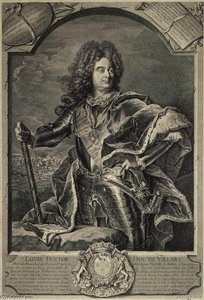
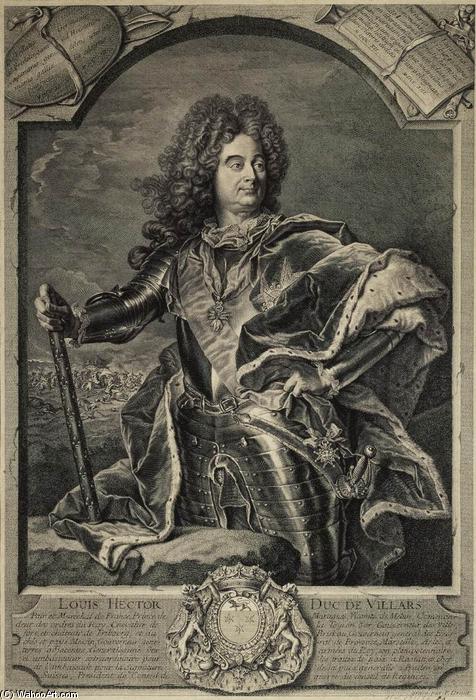
Portrait of Louis Hector, Duc de Villars, Marshal of France
 Engraving
- Baroque Portraiture
 1718
1718 525.0 x 360.0 cm
 Hermitage Museum
 Read More
Hand Made Oil Reproduction
Hand-painted oil on canvas in your size and frame, made to order by our artists. ( Buy Print Buy Image)




P118B $10

P118H $10

P118W $10

P438Z $10

P508JH $12

P508YH $12

P805H $10

P805Z $10

P919BZ $10

P919G $10

P919XJ $10

P959ZH $10

P968JZ $12

W106C $8

W218G $10

W218JH $8

W218Y $10

W307PJ $10

W316G $10

W316PJ $8

W316Y $10

W398PJ $8

W4111J $10

W500HY $15

W500JH $15

W692G $12

W849H $8

W940BG $15

W953PJ $8




Pick from our preset sizes that match the artwork's original proportions.

You may enter your own dimensions to fit a specific frame or space. If your selected size does not match the original image's proportions, we will either crop the artwork or extend the painting with additional hand-painted elements. A digital mockup will be sent for your approval before production begins.
Please note that the on-screen preview does not reflect the actual cropping or extension. Only the mockup will accurately show the final composition.
While custom sizes are available, we recommend selecting a dimension from the predefined list to preserve the original proportions.
After order, ArtsDot.com team will email client for instructions and provide a mockup preview
Worldwide Delivery () in 3/4 weeks instead of standard 5 weeks. (2 September). No compromise on quality.

Free Worldwide Express Shipping

High-Quality Linen Canvas

Full Shipping Insurance

Customs Tax Refund Guarantee

True Color Matching Guarantee

60-Day Return Policy (Defects Only)

100% Money-Back Guarantee

Bulk Discount Offer
 Glass option is only available in size under 110 CM

Portrait of Louis Hector, Duc de Villars, Marshal of France
Reproduction Medium
Reproduction Size
-


Total Price
$ 263
Portrait of Louis Hector, Duc de Villars – A Baroque Masterpiece
Pierre Drevet’s “Portrait of Louis Hector, Duc de Villars, Marshal of France,” painted in 1718, is more than a mere likeness; it's a meticulously crafted distillation of power, dignity, and the calculated gravitas demanded by the French court. This engraving, executed with remarkable precision using the techniques of the Baroque period, offers a rare glimpse into the world of a prominent military leader – a man who shaped the destiny of France during a turbulent era. The work transcends its subject matter to become a testament to Drevet’s skill and an evocative window into 18th-century aristocratic life.
The portrait depicts Louis Hector, Duc de Villars, a celebrated Marshal of France, in a three-quarter pose that immediately commands attention. He stands within a dark archway, a subtle device employed to draw the viewer’s eye towards his commanding presence. The composition is centered around Villars himself, whose stern expression and formal attire – complete with elaborate military uniform, medals, and a richly adorned hat – project an aura of authority and strategic intellect. The careful arrangement of elements creates a sense of balance and stability, reflecting the ideals of order and control that were highly valued within the French court.
A Symphony of Lines and Tones
Drevet’s mastery lies in his command of engraving technique. The artwork is entirely monochromatic, utilizing a sophisticated range of grays to build depth, texture, and form. Fine lines are meticulously etched into the metal plate, creating an astonishing level of detail – from the intricate folds of Villars' clothing to the delicate curls of his hair and the subtle contours of his face. Hatching and cross-hatching techniques are employed with exceptional skill, layering tones to simulate the roughness of fabric, the sheen of polished armor, and the texture of aged leather. This painstaking process transforms a simple engraving into a remarkably realistic representation.
The use of lines is not merely decorative; it’s fundamental to the artwork's expressive power. The sharp, defined lines delineate the edges of Villars’ garments and facial features, emphasizing his strength and resolve. Conversely, softer, more diffused lines create an atmosphere of quiet contemplation, suggesting a man burdened by responsibility and strategic thought. The overall effect is one of controlled elegance and understated intensity.
Symbolism and Historical Context
Beyond its technical brilliance, the portrait is rich in symbolic meaning. The formal attire, particularly the elaborate military uniform and medals, signifies Villars’ high rank and distinguished service to France. His stern expression conveys a sense of duty, discipline, and unwavering commitment to his nation. The dark archway behind him serves as a visual anchor, grounding the figure within a space of authority and power. The inclusion of decorative elements – reminiscent of leaves and scrolls – adds an element of grandeur and formality, aligning with the aesthetic sensibilities of the Baroque period.
Painted in 1718, during the reign of Louis XIV, this portrait reflects the political and cultural climate of France at the time. The era was marked by a fervent belief in royal authority, military prowess, and the importance of maintaining social order. Villars himself played a crucial role in these developments, serving as a key figure in the French army and contributing significantly to the nation’s success during the War of the Spanish Succession. His portrait, therefore, is not simply a representation of an individual; it's a symbol of France’s power and ambition.
A Legacy of Artistic Excellence
Pierre Drevet’s “Portrait of Louis Hector, Duc de Villars, Marshal of France” stands as a remarkable achievement in the history of engraving. Its meticulous detail, sophisticated use of line and tone, and rich symbolic content combine to create a work of enduring beauty and historical significance. Reproductions of this masterpiece offer art enthusiasts and collectors alike an opportunity to experience the artistry and vision of one of France’s most celebrated portrait engravers. It remains a powerful testament to the enduring legacy of Baroque art and a captivating window into the world of 18th-century nobility.
Related Artworks
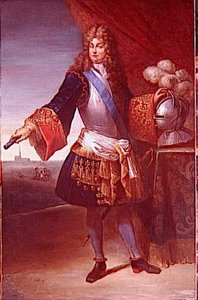
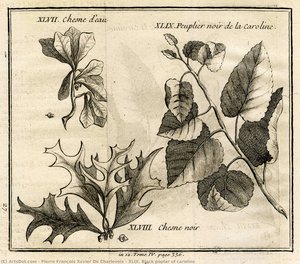
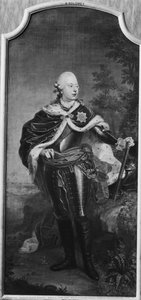
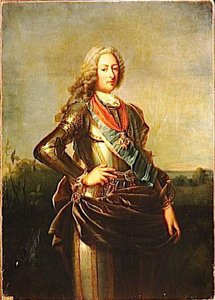
Artist Biography
Johannes Vermeer: A Life Illuminated
Johannes Vermeer, a name synonymous with luminous interiors and the quiet dignity of everyday life, remains one of the most enigmatic and beloved figures in the history of Western art. Born in Delft, Netherlands, in 1632, his artistic journey was tragically short – he died just ten years later – yet within that brief span, he produced a remarkably small but profoundly influential body of work. These paintings, characterized by their exquisite use of light and color, offer intimate glimpses into the lives of ordinary people, capturing moments of serene beauty and profound emotion. His legacy endures not simply for the technical brilliance of his art, but also for the enduring mystery surrounding the man himself – a skilled craftsman, a devoted husband and father, and a deeply private individual whose life remains largely shrouded in speculation.
Vermeer’s early life was firmly rooted in Delft's thriving commercial landscape. His father, Reynier Jansz., was a weaver specializing in luxurious satin fabrics known as *caffa*, a trade that provided the family with a respectable income and exposed young Johannes to the world of craftsmanship and commerce. The family’s prosperity allowed them to purchase a substantial house on the bustling market square, a location that would later become the setting for many of his most famous paintings. This environment instilled in him an appreciation for detail, observation, and the rhythms of urban life – elements that would profoundly shape his artistic vision. Vermeer received his initial training from local artists, though specific details remain scarce, suggesting a largely self-taught approach combined with apprenticeships. He was baptized in the Nieuwe Kerk, Delft’s main church, on October 31st, 1632, and married Catherina Bolnes in 1653 – a union that brought him into contact with the influential Thins family, prominent merchants and patrons of the arts.
The Artist's Palette and Technique
Vermeer’s artistic style is instantly recognizable for its remarkable subtlety and mastery of light. Unlike many of his contemporaries who favored dramatic contrasts and bold brushstrokes, Vermeer employed a delicate technique, building up layers of translucent paint to create an almost photographic effect. He was particularly adept at capturing the way light interacts with surfaces – the shimmering reflections on metal, the soft glow of candlelight, the diffused radiance filtering through windows. This meticulous attention to detail is evident in works like “Girl with a Pearl Earring,” where the subject’s gaze seems to follow the viewer across the canvas, and in “The Milkmaid,” where the light catches the folds of her apron and illuminates the simple beauty of her face.
Vermeer's palette was remarkably restrained, relying primarily on muted earth tones – browns, ochres, and grays – to create a sense of depth and atmosphere. He used these colors sparingly, layering them with delicate washes of white and subtle variations in tone to achieve an extraordinary luminosity. His brushwork is almost invisible, seamlessly blending colors together to create smooth transitions and a remarkable sense of realism. He was also a master of *sfumato*, a technique developed by Leonardo da Vinci that involves softening outlines and creating hazy effects, further enhancing the atmospheric quality of his paintings.
Subjects and Themes
While Vermeer’s early works often depicted biblical or mythological scenes – grand narratives filled with dramatic figures and elaborate costumes – he gradually shifted his focus to more intimate subjects. He became increasingly interested in capturing scenes of everyday life, particularly those taking place within domestic interiors. These paintings offer a poignant glimpse into the lives of ordinary people – merchants, housewives, children, and servants – revealing their quiet dignity, simple pleasures, and moments of profound emotion.
Recurring themes in Vermeer’s work include motherhood, family life, and the beauty of the natural world. He frequently depicted women with young children, capturing the tenderness and affection between them. His paintings also celebrate the simple joys of everyday existence – a woman peeling apples, a girl playing with a cat, a merchant counting his coins. These scenes are imbued with a sense of serenity and contentment, reflecting Vermeer’s own appreciation for the beauty and value of ordinary life.
Rediscovery and Legacy
For centuries after his death in 1675, Vermeer's work was largely forgotten, overshadowed by the brilliance of other Dutch masters like Rembrandt and Frans Hals. It wasn’t until the early 20th century that scholars began to recognize the unique qualities of his paintings and their profound artistic merit. The rediscovery of Vermeer coincided with a broader reassessment of the role of artists in society – a shift away from the traditional emphasis on heroic figures and grand narratives towards a greater appreciation for the everyday experiences of ordinary people.
Today, Vermeer’s paintings are among the most prized possessions of museums around the world. “Girl with a Pearl Earring” is arguably his most famous work, captivating viewers with its enigmatic expression and luminous quality. His other masterpieces – “The Milkmaid,” “View of Delft,” and “The Art of Painting” – continue to inspire awe and admiration for their technical brilliance and emotional depth. Vermeer’s legacy extends far beyond the realm of art history; his paintings have become cultural icons, embodying a timeless vision of beauty, serenity, and human connection. He remains a testament to the power of observation, the subtlety of technique, and the enduring appeal of capturing the quiet moments that define our lives.
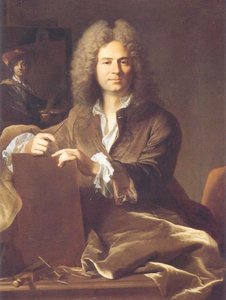
pierre drevet
1663 - 1738 , France
Quick Facts
- Artistic Movement Or Style: Baroque
- Artists Or Movements Influenced By This Artist: ['Rembrandt']
- Artists Who Influenced This Artist: ['Guido Reni']
- Date Of Birth: October 31, 1632
- Date Of Death: December 16, 1675
- Full Name: Johannes Vermeer
- Nationality: Dutch
- Notable Artworks:
- Girl with a Pearl Earring
- Woman Holding a Balance
- The Milkmaid
- Place Of Birth: Delft, Netherlands
Related Articles
Engraving's Golden Age: 10 Masterpieces That Redefined Art | ArtsDot
Journey through art history with our Top 10 Legendary Engravings! Explore masterpieces by Dürer, Rembrandt & Goya. Discover the stories behind these iconic prints and find museum-quality reproductions for your home at ArtsDot.com.
Engraving: A Historical Survey of Technique, Artistic Expression & Enduring Legacy
Explore the rich history of engraving with ArtsDot. Discover techniques, iconic artists like Dürer & Callot, collecting tips, and expert guidance for preserving your art investment. Learn about intaglio printing & more!
The Grandeur of Baroque Portraiture: Power, Emotion & Artistic Innovation
Explore the grandeur of Baroque portraiture! Discover Rubens, Van Dyck & the masters of 17th-century art. Uncover symbolism, techniques & lasting influence. Expert insights for collectors and enthusiasts.

Baroque Drama: Bringing Opulence & Emotion into Contemporary Interiors
Explore the opulent world of Baroque interior design! Discover key elements, modern applications & how to bring dramatic elegance into your home with 's authentic reproductions.

Baroque Masterpieces: 10 Paintings That Defined an Era |
Journey through the drama & grandeur of Baroque art! Explore 10 masterpieces by Caravaggio, Rembrandt, Rubens & more. Discover stunning oil paintings, rich colors & timeless stories. Find museum-quality reproductions at .