 Preview
 Send
Send Share
Share
 Details

 Download
 Similars
 X-Ray
X-Ray Diaporama
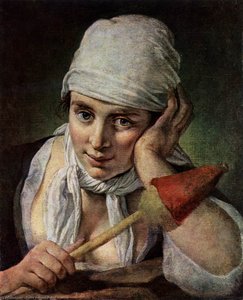
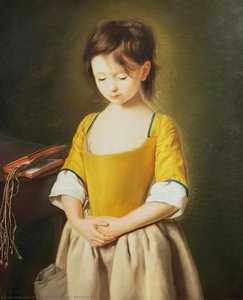
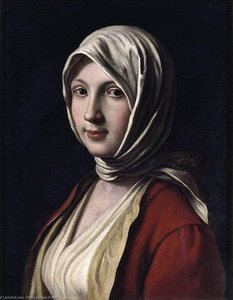
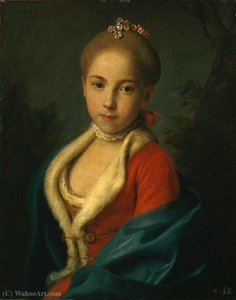
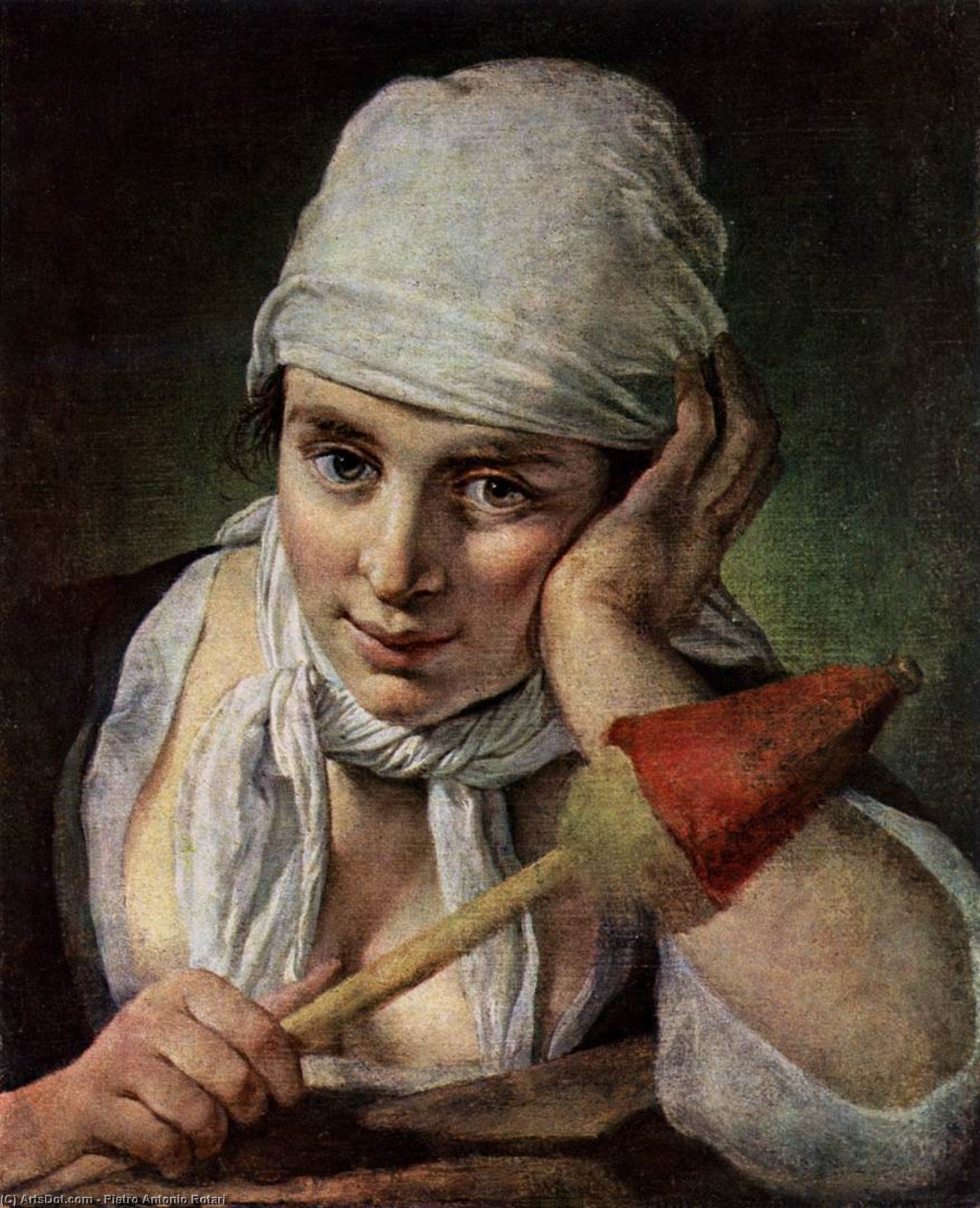
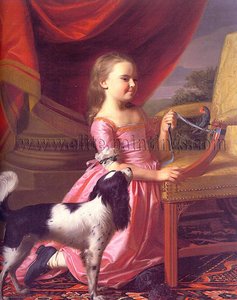
Young Girl with Distaff
 Acrylic On Canvas
- WallArt
- Baroque Rococo
 48.0 x 39.0 cm
 Szépmûvészeti Múzeum
 Read More
Giclée / Art Print
Museum-quality giclée or canvas print with fast production and flexible finish options. ( Buy Hand Made Painting Buy Image)




P118B $10

P118H $10

P118W $10

P438Z $10

P508JH $12

P508YH $12

P805H $10

P805Z $10

P919BZ $10

P919G $10

P919XJ $10

P959ZH $10

P968JZ $12

W106C $8

W218G $10

W218JH $8

W218Y $10

W307PJ $10

W316G $10

W316PJ $8

W316Y $10

W398PJ $8

W4111J $10

W500HY $15

W500JH $15

W692G $12

W849H $8

W940BG $15

W953PJ $8




Pick from our preset sizes that match the artwork's original proportions.

You may enter your own dimensions to fit a specific frame or space. If your selected size does not match the original image's proportions, we will either crop the artwork or extend the image with a mirrored or solid-fill edge. A digital mockup will be sent for your approval before production begins.
Please note that the on-screen preview does not reflect the actual cropping or extension. Only the mockup will accurately show the final composition.
While custom sizes are available, we recommend selecting a dimension from the predefined list to preserve the original proportions.
Worldwide Delivery () in 2 weeks instead of standard 4/5 weeks. (22 August)

Free Worldwide Express Shipping

High-Quality Linen Canvas

Full Shipping Insurance

Customs Tax Refund Guarantee

True Color Matching Guarantee

60-Day Return Policy (Defects Only)

100% Money-Back Guarantee

Bulk Discount Offer
 Glass option is only available in size under 110 CM

Young Girl with Distaff
Giclée / Art Print
Reproduction Size
-


Total Price
$ 63
Collectible Description
A Moment of Quietude: Exploring Pietro Antonio Rotari’s “Young Girl with Distaff”
Pietro Antonio Rotari's "Young Girl with Distaff," painted circa 1740, is more than a simple portrait; it’s a carefully constructed tableau of Rococo elegance and subtle symbolism. This captivating work, currently available as a high-quality reproduction through ArtsDot.com, transports the viewer to a serene moment in a bygone era – a glimpse into the daily life of a young woman engaged in the essential task of spinning thread. The painting’s enduring appeal lies not just in its beauty but also in the layers of meaning woven into its composition and execution.
Rotari, a prominent Venetian painter during the latter half of the 18th century, was renowned for his ability to capture both the physical likeness and the inner character of his subjects. His training under Francesco Trevisani instilled in him a meticulous attention to detail, evident in the delicate rendering of the girl’s hair, the folds of her dress, and the intricate texture of the distaff itself. The artist masterfully employs chiaroscuro – the dramatic interplay of light and shadow – to sculpt the figure, drawing our eye to her face and creating a sense of depth and intimacy within the relatively small canvas.
The Symbolism of Thread and Distaff
The inclusion of the distaff is crucial to understanding the painting’s deeper significance. In this era, before mechanized looms dominated textile production, spinning thread was a laborious but vital occupation for women – often a cornerstone of family life and economic stability. The distaff, a simple wooden beam used to hold wool or flax fibers, represents not just a practical tool but also a symbol of industry, patience, and the cyclical nature of life itself. The girl’s direct gaze, unwavering and gentle, suggests a quiet dignity and self-possession – she is not merely performing a task; she embodies a connection to tradition and craft.
Furthermore, the red color of the distaff adds a subtle note of vibrancy against the muted tones of the background. Red was often associated with passion, fertility, and the lifeblood of the land, subtly hinting at the potential for growth and prosperity linked to this seemingly simple act of spinning.
A Window into Rococo Aesthetics
“Young Girl with Distaff” is a quintessential example of the Rococo style – characterized by its grace, elegance, and emphasis on beauty. The composition is balanced and harmonious, reflecting the prevailing ideals of the period. The dark background serves to isolate the figure, drawing attention to her delicate features and creating an atmosphere of contemplative serenity. Rotari’s use of soft colors and flowing lines contributes to the painting's overall sense of refinement and charm.
Rotari’s work reflects a broader trend in 18th-century portraiture – a shift away from stiff, formal poses towards more relaxed and intimate depictions of subjects. This painting exemplifies his ability to capture not just a likeness but also the essence of his subject's character, making “Young Girl with Distaff” a timeless masterpiece that continues to resonate with viewers today.
Bringing Rotari’s Vision Home
ArtsDot.com offers exceptional reproductions of "Young Girl with Distaff," allowing you to experience the artistry and beauty of this remarkable painting in your own home. Whether as a statement piece for a living room or a charming addition to a bedroom, this reproduction captures the spirit and elegance of Rotari’s original work. Invest in a high-quality print and bring a touch of Rococo serenity into your space – a reminder of the enduring value of craftsmanship, tradition, and quiet contemplation.
Related Artworks
Artist Biography
Early Life and Artistic Formation
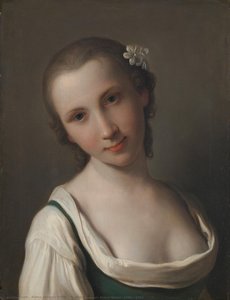
Pietro Antonio Rotari emerged from the vibrant artistic landscape of Verona in 1707, a city steeped in Baroque tradition yet open to the evolving currents of Italian painting. His initial training under Antonio Balestra provided him with a solid grounding in classical composition and technique—the foundations upon which he would build his distinctive style. This formative period instilled in Rotari an appreciation for meticulous detail and a refined approach to form, qualities that would become hallmarks of his work. From 1725 to 1727, a sojourn in Venice broadened his artistic horizons, exposing him to the city’s unique blend of influences—a confluence of Venetian colorism and dramatic flair. This exposure proved pivotal, shaping his sensibility and preparing him for further study.
Rotari's ambition led him onward, first to Rome between 1728 and 1732 where he honed his skills under the tutelage of Francesco Trevisani. Trevisani’s influence is evident in Rotari’s early works, particularly in their delicate handling of light and shadow and a growing emphasis on capturing psychological depth in portraiture. A subsequent period of collaboration with Francesco Solimena in Naples (1731-1734) further enriched his artistic vocabulary. Solimena, a master of Neapolitan Baroque, imparted to Rotari a sense of grandeur and dramatic intensity that would resonate throughout his career.
A Rising Star: Establishing a Style
Upon returning to Verona, Pietro Antonio Rotari swiftly established himself as an independent artist, opening his own studio and attracting a growing clientele. He began to forge a style uniquely his own—one characterized by a remarkable realism tempered with elegance and refined sensibility. While firmly rooted in the Baroque tradition, Rotari’s work possessed a lightness of touch and a sensitivity to nuance that distinguished it from the more overtly dramatic styles prevalent at the time. His early commissions often involved large-scale altarpieces for local churches, such as The Four Martyrs (1745) in Verona's church of San Giacomo, demonstrating his ability to handle complex compositions and imbue religious scenes with emotional power.
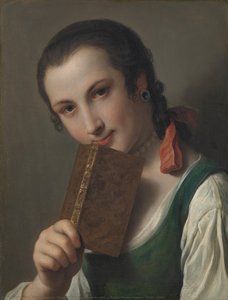
However, it was in the realm of portraiture that Rotari truly excelled. He possessed an exceptional gift for capturing not only a sitter’s physical likeness but also their personality, inner grace, and social standing. His portraits were more than mere representations; they were insightful studies of character, revealing the nuances of human emotion with remarkable subtlety. This talent quickly garnered him recognition among the aristocratic circles of northern Italy.
Royal Patronage and International Acclaim
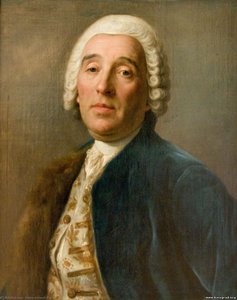
The year 1750 marked a turning point in Rotari’s career as he ventured north to Vienna, seeking opportunities at the imperial court. While success wasn't immediate, it laid the groundwork for his eventual triumph. It was in 1756 that fate intervened, bringing him to the attention of Tsarina Elizabetha Petrovna of Russia. Invited to St. Petersburg, Rotari quickly became a favored portraitist within the Russian aristocracy. His ability to flatter and idealize his sitters while maintaining a degree of realism proved irresistible to the court.
Rotari’s talents extended beyond Russia; he also worked for Augustus III of Poland in Dresden, further solidifying his reputation as a leading portraitist of European royalty. He later returned to St. Petersburg to serve Catherine II, continuing to produce portraits that captured the opulence and power of the Russian court. His commissions included depictions of grand duchesses, counts, and other prominent figures, each portrait meticulously rendered with exquisite detail and a keen understanding of aristocratic etiquette.
Legacy and Lasting Influence
Pietro Antonio Rotari’s success as a court painter reflects the immense importance of portraiture during the 18th century—a period in which images served not only to commemorate individuals but also to project power, status, and legitimacy. His portraits provide invaluable historical documentation of European nobility and court life during an era of significant political and social change.
While not a revolutionary figure who dramatically altered the course of art history, Rotari’s refined style exerted a subtle yet lasting influence on other artists working within the Baroque tradition. His emphasis on realism, elegance, and psychological insight set a high standard for portraiture, inspiring generations of painters to strive for similar levels of skill and sensitivity.
Rotari died in St. Petersburg in 1762, leaving behind a legacy as one of the most sought-after portraitists of his time. His works continue to captivate viewers with their beauty, grace, and insightful portrayals of European royalty and aristocracy. The Cabinet of Fashions and Graces at Peterhof Palace, adorned with hundreds of small portraits by Rotari, stands as a testament to his remarkable talent and enduring contribution to the art world.
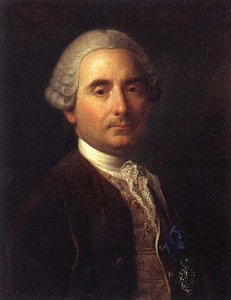
Pietro Antonio Rotari
1707 - 1762 , Italy
Quick Facts
- Artistic Movement Or Style: Baroque
- Artists Who Influenced This Artist:
- Antonio Balestra
- Francesco Trevisani
- Francesco Solimena
- Date Of Birth: 1707
- Date Of Death: 1762
- Full Name: Pietro Antonio Rotari
- Nationality: Italian
- Notable Artworks:
- Queen Maria Josepha
- The Four Martyrs
- Annunciation
- Place Of Birth: Verona, Italy
Related Articles

Rococo's Radiant Legacy: 10 Masterpieces for Your Home |
Indulge in the elegance of Rococo! Explore 10 masterpieces by Fragonard, Boucher & Watteau. Discover the stories behind these iconic paintings and bring timeless art to your home with museum-quality reproductions from .

The Rococo Aesthetic: Opulence, Rebellion & the Pursuit of Pleasure in 18th-Century Art
Explore the opulent world of Rococo art! Discover its origins, key artists like Watteau & Boucher, and lasting influence on design. Expert insights for collectors & enthusiasts.
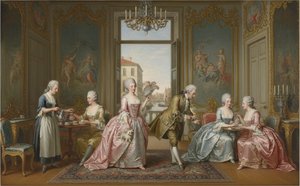
Pietro Longhi's Venetian Scenes: A Study of Rococo Society & Domestic Life
Explore the captivating world of Pietro Longhi's Venetian scenes! Discover insightful analysis of his Rococo masterpieces & social commentary on 18th-century life. Learn about this 'Venetian Hogarth' and his lasting artistic legacy.

The Allure of Elegance in Art: A Historical & Aesthetic Exploration of Refinement & Grace
Explore the exquisite world of Rococo art! Discover its history, masters (Watteau, Boucher & more), and defining elegance. Expert insights for collectors seeking museum-quality reproductions & custom portraits.
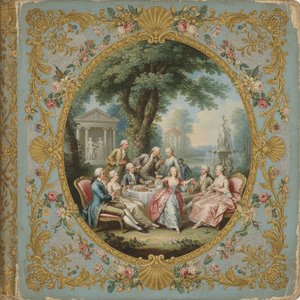
The Rococo Style: Aristocratic Leisure & the Pursuit of Delight in 18th-Century Art
Explore the opulent world of Rococo art! Discover Watteau, Boucher & Nattier's masterpieces. Expert insights for collectors seeking museum-quality reproductions and custom portraits at ArtsDot.