 Preview
 Send
Send Share
Share
 Details

 Download
 Similars
 X-Ray
X-Ray Diaporama
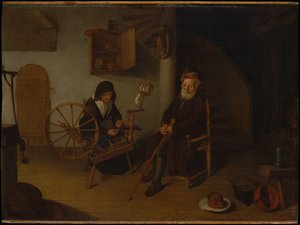
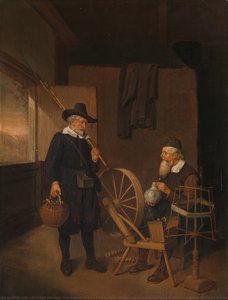
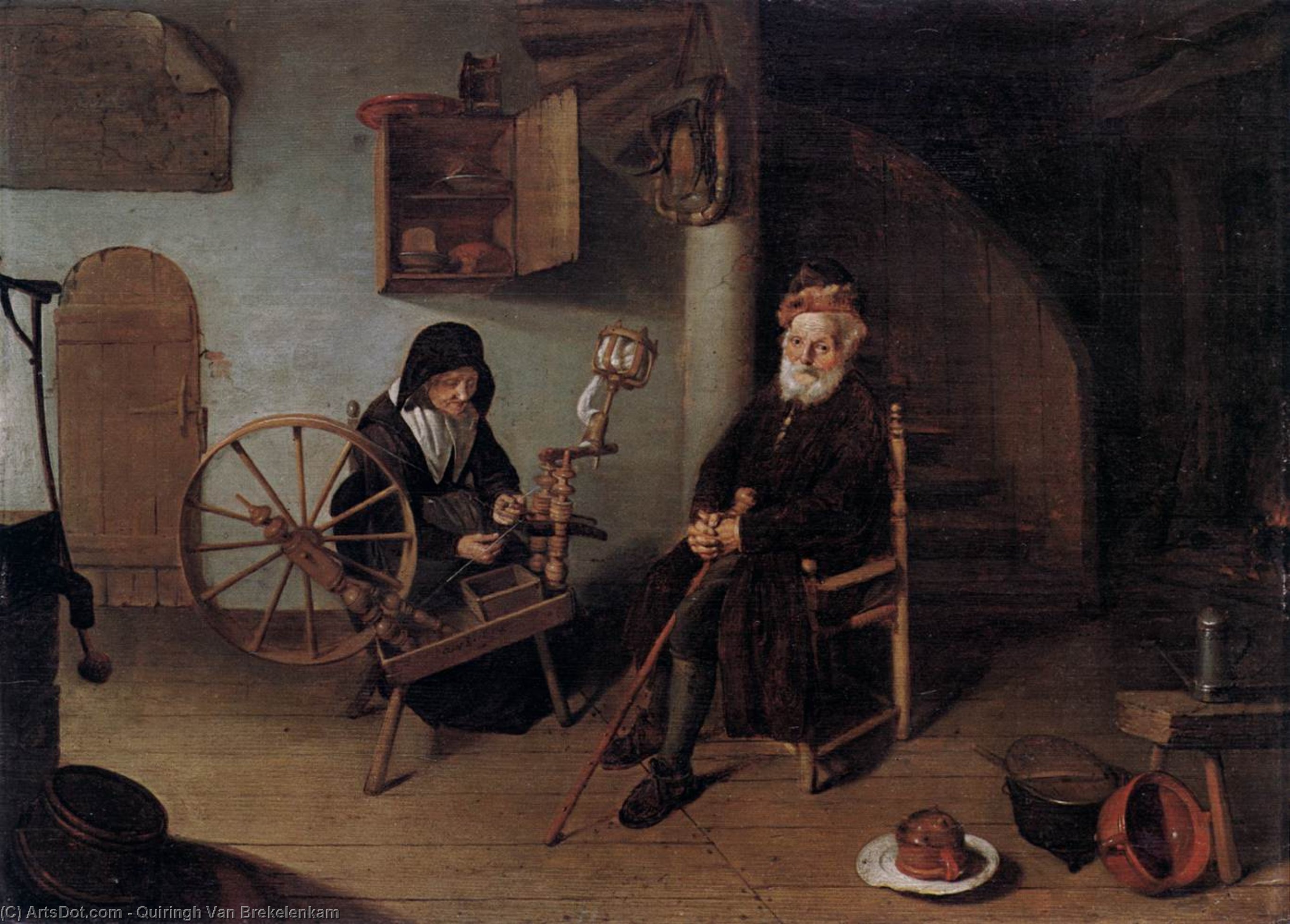
The Spinner
 Oil
Oil- WallArt
- Baroque Genre Painting
 1653
1653 48.0 x 64.0 cm
 Metropolitan Museum of Art
 Read More
Hand Made Oil Reproduction
Hand-painted oil on canvas in your size and frame, made to order by our artists. ( Buy Print Buy Image)




P118B $10

P118H $10

P118W $10

P438Z $10

P508JH $12

P508YH $12

P805H $10

P805Z $10

P919BZ $10

P919G $10

P919XJ $10

P959ZH $10

P968JZ $12

W106C $8

W218G $10

W218JH $8

W218Y $10

W307PJ $10

W316G $10

W316PJ $8

W316Y $10

W398PJ $8

W4111J $10

W500HY $15

W500JH $15

W692G $12

W849H $8

W940BG $15

W953PJ $8




Pick from our preset sizes that match the artwork's original proportions.

You may enter your own dimensions to fit a specific frame or space. If your selected size does not match the original image's proportions, we will either crop the artwork or extend the painting with additional hand-painted elements. A digital mockup will be sent for your approval before production begins.
Please note that the on-screen preview does not reflect the actual cropping or extension. Only the mockup will accurately show the final composition.
While custom sizes are available, we recommend selecting a dimension from the predefined list to preserve the original proportions.
After order, ArtsDot.com team will email client for instructions and provide a mockup preview
Worldwide Delivery () in 3/4 weeks instead of standard 5 weeks. (21 August). No compromise on quality.

Free Worldwide Express Shipping

High-Quality Linen Canvas

Full Shipping Insurance

Customs Tax Refund Guarantee

True Color Matching Guarantee

60-Day Return Policy (Defects Only)

100% Money-Back Guarantee

Bulk Discount Offer
 Glass option is only available in size under 110 CM

The Spinner
Reproduction Medium
Reproduction Size
-


Total Price
$ 263
Artwork Description
A Glimpse into Domestic Tranquility: The Art of Everyday Life
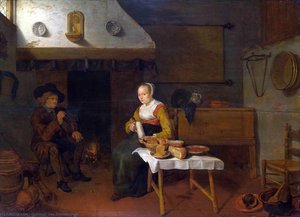
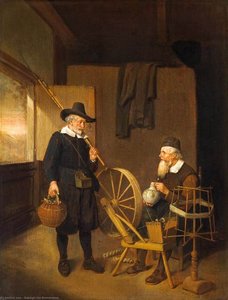
To stand before The Spinner is to be invited across the threshold of time, into the warm, tangible embrace of a Dutch Golden Age household. Quiringh Gerritsz. Van Brekelenkam’s masterful depiction from 1653 transcends mere portraiture; it is an intimate tableau vivant, a celebration of domestic rhythm and quiet industry. The scene unfolds with remarkable clarity: a man seated in repose while a woman diligently works the spinning wheel behind him. This composition immediately draws the viewer into its gentle narrative flow, suggesting a moment suspended between tasks—a breath taken amidst the steady hum of creation.
Mastery of Light and Materiality
Technically, this oil on canvas piece is a profound testament to fijnschilder* skill. Van Brekelenkam’s attention to detail is breathtaking; one can almost smell the aged wood and hear the whirring spokes of the wheel. The interplay between light and shadow is handled with an exquisite delicacy, lending an unparalleled sense of depth to the rustic interior. Notice the background—the rough texture of the stone walls juxtaposed against the sturdy lines of wooden beams. These architectural elements ground the scene in a palpable reality, while the scattered household items—pots, pans, and sundry objects—are not mere filler, but carefully placed signifiers of a life richly lived.
The Symbolism of Labor and Connection
In the context of genre painting during the Dutch Golden Age, such scenes were far more than simple record-keeping. They spoke to the virtues prized by the burgeoning merchant class: industry, domestic harmony, and self-sufficiency. The act of spinning itself carries deep symbolic weight—it represents transformation, turning raw fiber into something useful and beautiful. Furthermore, the relationship between the two figures suggests a quiet partnership, a shared existence built upon mutual support. It is an ode to the dignity found within routine labor.
Bringing Dutch Golden Age Charm Home
For the discerning collector or designer seeking to infuse a space with historical depth and artistic warmth, The Spinner offers unparalleled resonance. Reproducing this work allows one to curate not just a painting, but an atmosphere—one of settled comfort and enduring artistry. The warm palette and meticulous composition make it a stunning focal point for any room aiming for an Old World elegance. Owning a reproduction of this piece is to invite the quiet, profound beauty of 17th-century Dutch life into your modern sanctuary.
Related Artworks
Artist Biography
Early Life and Artistic Beginnings
Quiringh Gerritsz. van Brekelenkam, born in the small Dutch village of Zwammerdam around 1622, emerged during the vibrant heart of the Dutch Golden Age. While precise details surrounding his early life remain elusive, it is generally accepted that he entered the artistic world through an apprenticeship with Gerard Dou, a leading figure within the Leiden *fijnschilders*—a school renowned for its meticulous detail and refined technique. This formative training profoundly shaped Brekelenkam’s aesthetic sensibilities, instilling in him a dedication to capturing the subtleties of everyday life with remarkable precision.
Brekelenkam's initial foray into professional artistry is marked by his entry into the Leiden Guild of Saint Luke in 1648. This signifies not merely a technical proficiency but also an acceptance into the established artistic community, allowing him to exhibit and sell his work. His earliest dated painting from this period—1644—offers a glimpse into the nascent talent that would soon blossom into a distinctive style.
A Master of Genre Scenes: Domesticity and Daily Life
Van Brekelenkam carved a niche for himself as a genre painter, specializing in intimate scenes of Dutch domestic life. His canvases depict households bustling with activity, workshops filled with the tools of various trades, and peasant interiors radiating warmth and authenticity. Unlike some of his contemporaries who imbued their scenes with overt moralizing symbolism, Brekelenkam’s work often presents a more straightforward portrayal of daily routines—a quiet observation of human existence.
His paintings are characterized by an exquisite attention to detail; the textures of fabrics, the gleam of pewter, and the play of light across surfaces are rendered with astonishing realism. This dedication to verisimilitude is not merely a display of technical skill but also reflects a broader cultural fascination with capturing the material world during this period of burgeoning prosperity. Works like The Silver Ewer exemplify his ability to transform commonplace objects into subjects of compelling beauty, while Old Woman with a Candle showcases his sensitivity in portraying human emotion and character.
Influences and Artistic Development
Gerard Dou’s influence is undeniably present in Brekelenkam's early work. The meticulous brushwork, the carefully composed interiors, and the focus on individual figures all bear the hallmarks of Dou’s style. However, Brekelenkam gradually developed a unique voice, moving away from the strict adherence to his master’s techniques. His paintings became more ‘painterly’, less focused on an almost hyper-realistic finish, and embraced a greater sense of spontaneity.
As his career progressed, Brekelenkam began to explore new subject matter, including portraits and scenes depicting members of the upper classes engaged in leisurely activities—such as receiving letters or tending to their toilette. This shift suggests an expanding clientele and a growing recognition within broader social circles. His later works reveal a subtle awareness of Gerard ter Borch II’s style, particularly in his depiction of light and atmosphere.
Legacy and Historical Significance
Quiringh van Brekelenkam's contributions to the Dutch Baroque tradition lie in his ability to capture the essence of everyday life with both technical mastery and a quiet sensitivity. His paintings offer valuable insights into the material culture, social customs, and domestic interiors of 17th-century Netherlands.
While perhaps not as widely celebrated as some of his more famous contemporaries, Brekelenkam’s work has garnered increasing attention in recent years. His paintings are now held in prestigious collections such as the Musée du Louvre in Paris and the Wallace Collection in London, testament to their enduring artistic merit. Today, platforms like ArtsDot.com make his captivating scenes accessible to a wider audience, allowing viewers to appreciate the subtle beauty and historical significance of this remarkable Dutch genre painter.
- Notable Works: The Silver Ewer, Old Woman with a Candle, A Hermit, The Tenant Farmer’s Rent, The Fishwife, Interior with Lace-Worker and a Visitor.
- Museums & Collections: Musée du Louvre, Wallace Collection.
- Artistic Style: Dutch Baroque, Genre Scenes, Leiden Fijnschilder.
- Key Influences: Gerard Dou, Leiden Fijnschilders.
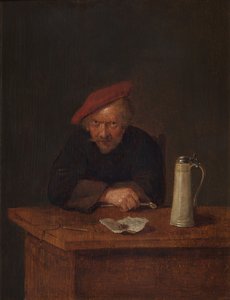
quiringh gerritsz. van brekelenkam
1622 - 1669 , Netherlands
Quick Facts
- Artistic Movement Or Style: Baroque, Genre painting
- Artists Or Movements Influenced By This Artist: ['Leiden fijnschilders']
- Artists Who Influenced This Artist: ['Gerard Dou']
- Date Of Birth: 1622/29, Zwammerdam
- Date Of Death: 1669/79, Leiden
- Full Name: Quiringh Gerritsz van Brekelenkam
- Nationality: Dutch
- Notable Artworks:
- The Silver Ewer
- Old Woman with a Candle
- The Spinner
- Place Of Birth: Zwammerdam, Netherlands
Related Articles

Golden Age Reflections: Dutch Baroque Painting & Cultural Innovation
Explore the Dutch Golden Age of painting! Discover key artists like Vermeer & ter Borch, their innovative techniques, and the rich cultural context behind these Baroque masterpieces. Learn about collecting & appreciating this iconic art period.

Dutch Baroque Masters: 10 Paintings That Shaped an Era | ArtsDot
Journey through the Golden Age with our guide to the Top 10 Dutch Baroque masterpieces! Explore iconic paintings by Rembrandt, Vermeer & Frans Hals. Find museum-quality art reproductions and elevate your home decor at ArtsDot.com.
Illuminating a Century of Change: Artistic Expression & Societal Shifts in 17th-Century Europe
Explore the artistic brilliance of the 17th-century Dutch Golden Age & Baroque period. Discover Rembrandt, genre painting, and chiaroscuro techniques. Expert insights for art lovers & collectors.
Genre Painting: A Window into Daily Life & Societal Values of the Dutch Golden Age
Explore the captivating world of Dutch Golden Age genre painting! Discover realistic depictions of daily life, masterful artists like Ostade & Metsu, and hidden symbolism. Learn about this influential art movement with ArtsDot.
Jan Steen: A Master of Dutch Genre Painting & the Golden Age
Explore the life & art of Jan Steen, a leading Dutch Golden Age painter renowned for his humorous genre scenes & insightful social commentary. Discover his techniques, legacy, and collecting tips.