 Preview
 Send
Send Share
Share
 Details

 Download
 Similars
 X-Ray
X-Ray Diaporama
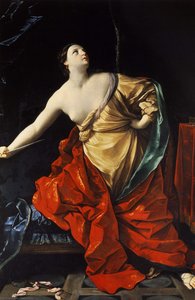
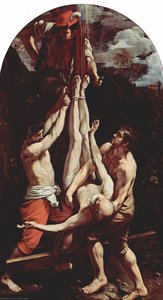
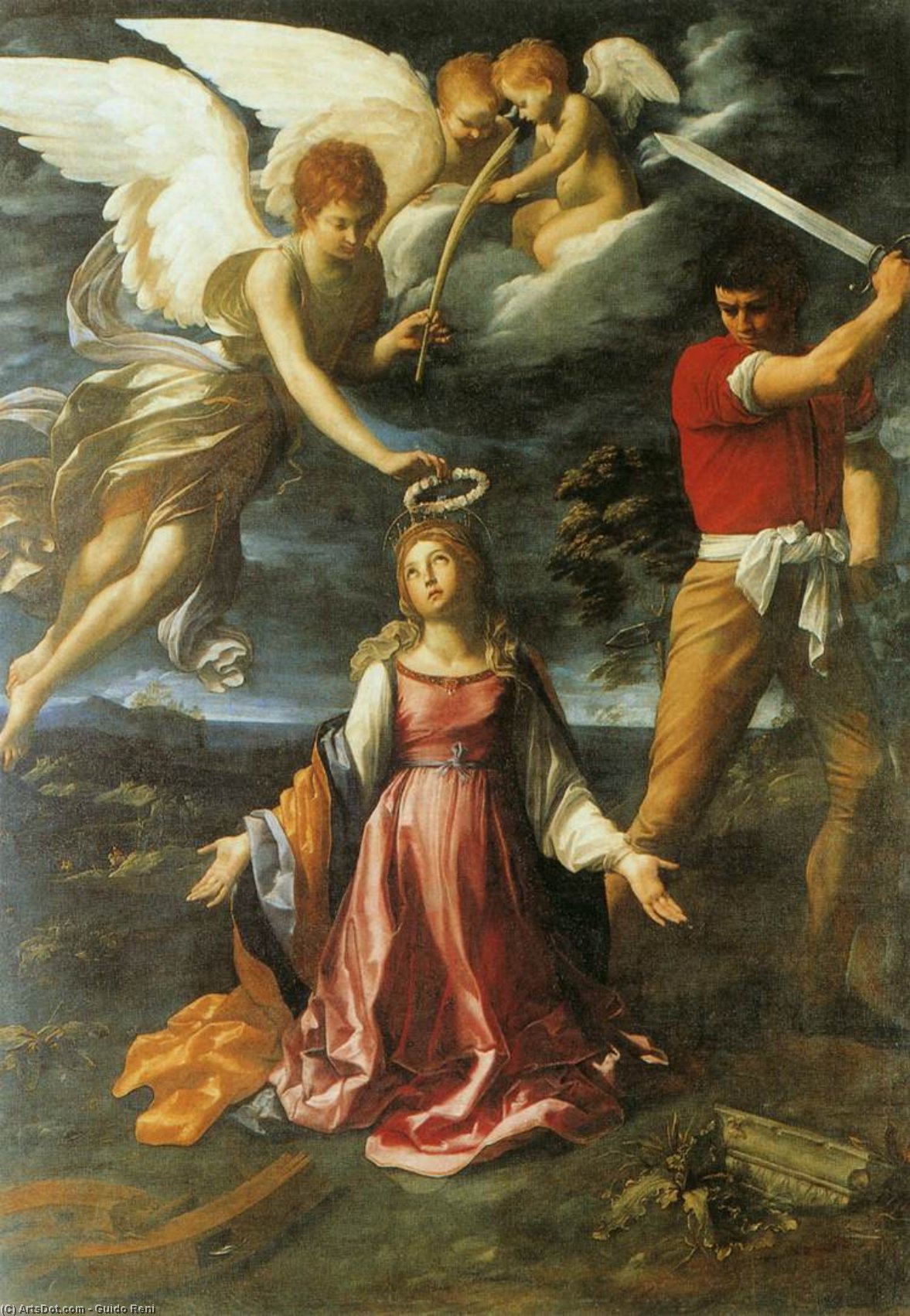
The Martyrdom of St Catherine of Alexandria
 Oil On Canvas
- WallArt
- Baroque
 1606
1606- Early Modern
 277.0 x 195.0 cm
 Museo Diocesano
 Read More
Hand Made Oil Reproduction
Hand-painted oil on canvas in your size and frame, made to order by our artists. ( Buy Print Buy Image)




P118B $10

P118H $10

P118W $10

P438Z $10

P508JH $12

P508YH $12

P805H $10

P805Z $10

P919BZ $10

P919G $10

P919XJ $10

P959ZH $10

P968JZ $12

W106C $8

W218G $10

W218JH $8

W218Y $10

W307PJ $10

W316G $10

W316PJ $8

W316Y $10

W398PJ $8

W4111J $10

W500HY $15

W500JH $15

W692G $12

W849H $8

W940BG $15

W953PJ $8




Pick from our preset sizes that match the artwork's original proportions.

You may enter your own dimensions to fit a specific frame or space. If your selected size does not match the original image's proportions, we will either crop the artwork or extend the painting with additional hand-painted elements. A digital mockup will be sent for your approval before production begins.
Please note that the on-screen preview does not reflect the actual cropping or extension. Only the mockup will accurately show the final composition.
While custom sizes are available, we recommend selecting a dimension from the predefined list to preserve the original proportions.
After order, ArtsDot.com team will email client for instructions and provide a mockup preview
Worldwide Delivery () in 3/4 weeks instead of standard 5 weeks. (16 August). No compromise on quality.

Free Worldwide Express Shipping

High-Quality Linen Canvas

Full Shipping Insurance

Customs Tax Refund Guarantee

True Color Matching Guarantee

60-Day Return Policy (Defects Only)

100% Money-Back Guarantee

Bulk Discount Offer
 Glass option is only available in size under 110 CM

The Martyrdom of St Catherine of Alexandria
Reproduction Medium
Reproduction Size
-


Total Price
$ 313
Artwork Description
A Vision of Divine Encounter: The Martyrdom of St Catherine
To stand before this magnificent canvas is to be swept away by the very currents of spiritual drama. This depiction, titled The Martyrdom of St Catherine of Alexandria, pulses with the dramatic energy characteristic of the High Baroque period. It is not merely a painting; it is a moment frozen in time—a breathtaking confluence of divine will and human fortitude. The composition immediately arrests the viewer with its theatrical grandeur. One senses the weight of history and faith pressing down upon the scene, rendered through an astonishing mastery of light and shadow.
Baroque Drama and Emotional Resonance
The style employed here is quintessentially Baroque: dramatic, emotionally charged, and overwhelmingly dynamic. The artist has orchestrated every element—from the swirling drapery to the tempestuous sky—to guide the eye toward a central narrative climax. Notice how the light does not simply illuminate; it seems to emanate from the spiritual core of the action itself. This masterful use of chiaroscuro creates profound contrasts, plunging areas into deep shadow while simultaneously spotlighting figures in moments of intense revelation or struggle. The overall effect is one of sublime tension, inviting contemplation on themes of sacrifice and ultimate truth.
Technical Brilliance: Color and Form
Examining the technique reveals a virtuosity that speaks to decades of dedicated practice. Executed with oil paints upon canvas, the artist achieved luminosity through meticulous layering—thin glazes built up over time to create depth of color previously unseen in painting. The palette itself is rich and resonant; warm tones of deep reds, burnished golds, and earthy browns anchor the human drama, while cooler blues and grays dominate the turbulent heavens and foreground waters. Compositionally, the forms are organic, flowing with curvilinear lines that suggest movement even where the figures appear momentarily still. This technical richness ensures that any reproduction captures not just the image, but the very materiality of the original paint.
Symbolism and Spiritual Journey
The narrative weight of St Catherine’s martyrdom is deeply interwoven with profound Christian symbolism. The scene speaks eloquently of intellectual struggle giving way to spiritual acceptance. Every gesture, every dramatic element—the implied threat symbolized by weaponry or the overwhelming power suggested by the landscape—serves to underscore her unwavering faith. It is a visual sermon on endurance; a testament that true enlightenment often requires passing through trials. For the collector or designer, this piece offers more than mere decoration; it provides an immediate conduit to elevated contemplation.
A Statement for the Modern Space
To incorporate such a powerful work into a contemporary interior is to infuse a space with history and soul. Whether placed in a grand hall demanding dramatic flair or within a private study requiring intellectual depth, this reproduction offers unparalleled visual impact. It speaks of enduring human narratives—the struggle between worldly temptation and divine grace. Owning this piece means curating an environment that celebrates the sublime power of art to move the spirit.
Related Artworks
Artist Biography
Guido Reni (Le Guide): Life and Legacy
Early Life and Training
Guido Reni, also known as Le Guide, was born in Bologna, Italy, in 1575. He was the only child of Daniele Reni, a musician, and Ginevra Pozzi, also from a musical family. This upbringing instilled in him an appreciation for harmony and form that would later influence his artistic style. At the young age of nine, Guido began his apprenticeship under Denis Calvaert, a Flemish painter working in Bologna. He studied alongside fellow aspiring artists Albani and Domenichino, forming a strong foundation in classical principles.
Artistic Career and Development
Reni’s artistic career spanned several Italian cities, including Rome, Naples, and his native Bologna. His early work showed the influence of Calvaert and the Carracci brothers, emphasizing anatomical accuracy and dramatic composition. However, Reni quickly developed a distinctive style characterized by its elegant classicism, refined technique, and emotional intensity. He became a dominant figure in the Bolognese School, known for its emphasis on academic training and idealized forms.
Key Influences
- Denis Calvaert: Reni’s initial teacher provided him with a strong foundation in Flemish painting techniques.
- The Carracci Family (Annibale, Agostino, Ludovico): Their emphasis on classical art and anatomical study profoundly impacted his artistic development.
- Raphael: Reni greatly admired Raphael’s gracefulness and harmonious compositions, which are evident in many of his works.
Major Works and Artistic Style
Reni's oeuvre encompasses a wide range of subjects, including religious scenes, mythological narratives, and allegorical representations. Some of his most celebrated works include:
- Apollo on the Sun Chariot (Albertina, Vienna): A dynamic drawing showcasing Reni’s mastery of Baroque style.
- Saint James the Greater: Demonstrates his skill in capturing religious fervor and human emotion.
- Atalanta and Hippomenes (Palace of Capodimonte, Naples): An example of his mythological paintings, characterized by graceful figures and dramatic storytelling.
- Saint Jerome: A testament to Reni’s ability to balance composition with emotional depth.
- Tarantella (Palace of Capodimonte, Naples): Illustrates his influence on Italian folk dance culture.
Reni's style is often described as eclectic classicism. He blended the precision of classical art with the dynamism and emotion of the Baroque period. His figures are typically idealized, possessing a serene beauty and graceful movement.
Historical Significance and Legacy
Guido Reni played a crucial role in shaping the development of High Baroque style in Italy. He influenced generations of artists with his refined technique, elegant compositions, and emotional depth. His work can be found in prominent museums worldwide, including the Palace of Capodimonte in Naples. Reni’s legacy extends beyond painting; he was also a poet and a respected intellectual figure in his time.
His art continues to inspire artists and art enthusiasts today, solidifying his place as one of the most important painters of the 17th century. His influence can be seen in subsequent Baroque artists who sought to emulate his gracefulness and emotional power.
Death
Guido Reni died in Bologna in 1642, leaving behind a rich artistic legacy that continues to captivate audiences centuries later.
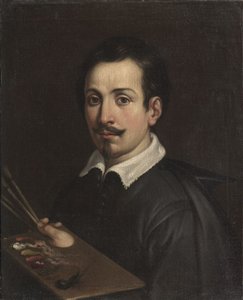
reni guido (le guide)
1575 - 1642 , Italy
Quick Facts
- Birth Date: 1575
- Birth Place: Bologna, Italy
- Death Date: 1642
- Influenced By: Denis Calvaert
- Movement: High Baroque, Bolognese School
- Name: Guido Reni (Le Guide)
- Nationality: Italian
- Notable Works:
- Apollo on the Sun Chariot
- Saint James the Greater
- Atalanta and Hippomenes
- Saint Jerome
- Tarantella
Related Articles
Guido Reni: A Study in Baroque Classicism & Artistic Perfection
Explore the life & work of Guido Reni, a master of Baroque classicism. Discover his iconic religious & mythological paintings, and understand his enduring influence on art history. Expert analysis for collectors.

The Enduring Power of Painting: A Historical & Contemporary Exploration of Form and Emotion
Explore the rich history & enduring techniques of oil painting with ArtsDot. Discover masterpieces, learn about art collecting, and find authentic handmade reproductions crafted by skilled artists.

Oil on Canvas: A Historical & Technical Exploration of a Timeless Artistic Medium
Explore the rich history & enduring techniques of oil painting on canvas. Discover the science behind its longevity, conservation practices, and contemporary relevance. Expert insights for art enthusiasts.

Baroque Drama: Bringing Opulence & Emotion into Contemporary Interiors
Explore the opulent world of Baroque interior design! Discover key elements, modern applications & how to bring dramatic elegance into your home with 's authentic reproductions.

The Dramatic Flourish: Exploring the Baroque Movement's Enduring Legacy in Art History
Explore the dramatic world of Baroque art! Discover iconic artists like Caravaggio & Rubens, defining techniques, and its lasting impact on art history. Expert insights for collectors & enthusiasts at ArtsDot.