 Preview
 Send
Send Share
Share
 Details

 Download
 Similars
 X-Ray
X-Ray Diaporama
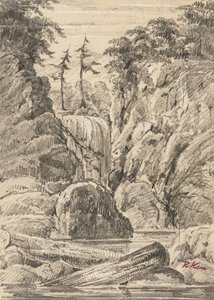
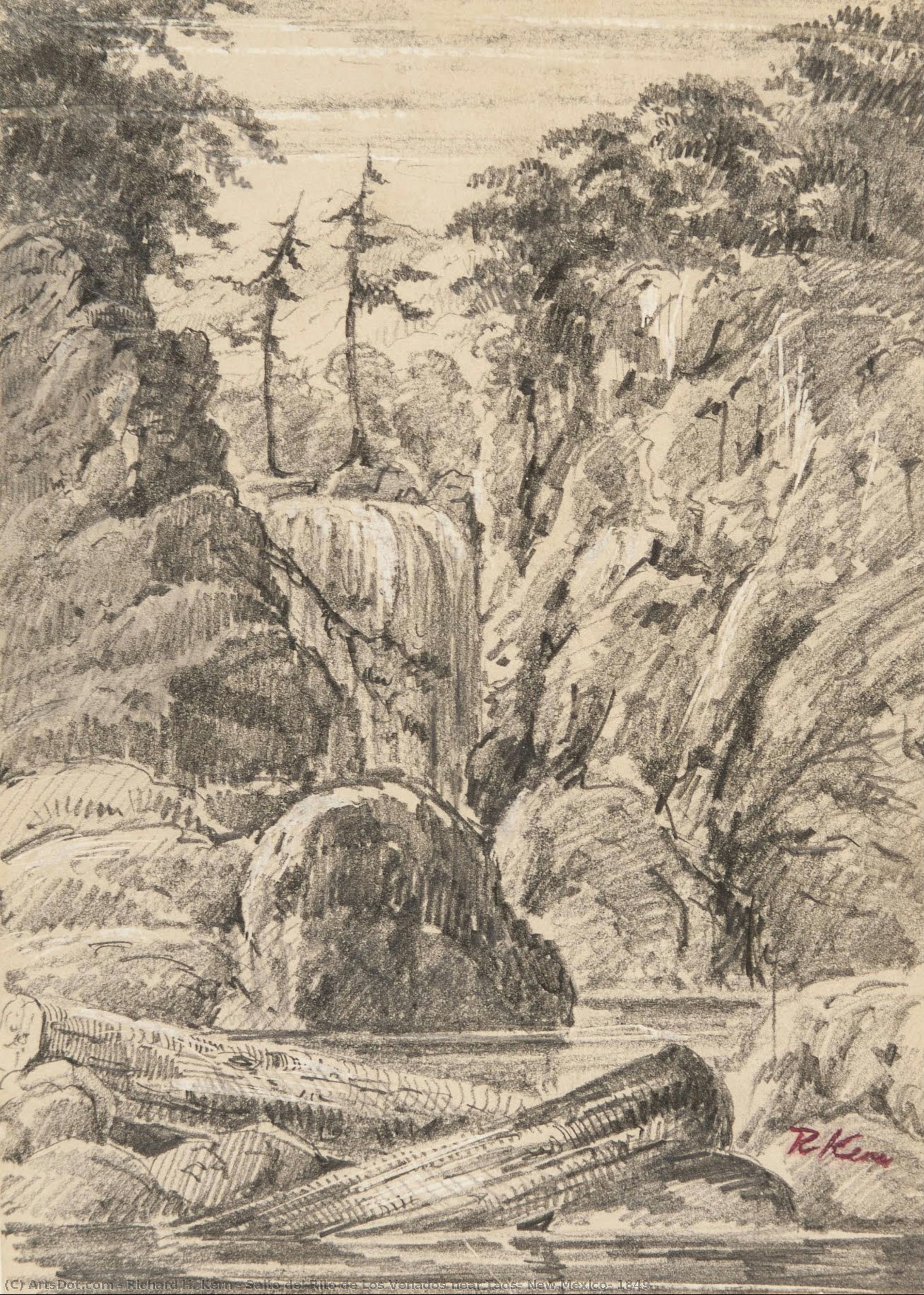
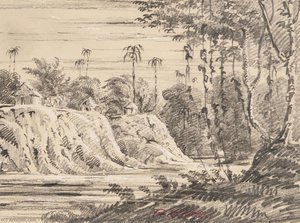
Salto del Rito de Los Venados near Taos, New Mexico, 1849
 Graphite Pencil
- Contemporary Realism
 1849
1849- 19th Century
 11.0 x 14.0 cm
 Amon Carter Museum of American Art
 Read More
Giclée / Art Print
Museum-quality giclée or canvas print with fast production and flexible finish options. ( Buy Hand Made Painting Buy Image)




P118B $10

P118H $10

P118W $10

P438Z $10

P508JH $12

P508YH $12

P805H $10

P805Z $10

P919BZ $10

P919G $10

P919XJ $10

P959ZH $10

P968JZ $12

W106C $8

W218G $10

W218JH $8

W218Y $10

W307PJ $10

W316G $10

W316PJ $8

W316Y $10

W398PJ $8

W4111J $10

W500HY $15

W500JH $15

W692G $12

W849H $8

W940BG $15

W953PJ $8




Pick from our preset sizes that match the artwork's original proportions.

You may enter your own dimensions to fit a specific frame or space. If your selected size does not match the original image's proportions, we will either crop the artwork or extend the image with a mirrored or solid-fill edge. A digital mockup will be sent for your approval before production begins.
Please note that the on-screen preview does not reflect the actual cropping or extension. Only the mockup will accurately show the final composition.
While custom sizes are available, we recommend selecting a dimension from the predefined list to preserve the original proportions.
Worldwide Delivery () in 2 weeks instead of standard 4/5 weeks. (5 September)

Free Worldwide Express Shipping

High-Quality Linen Canvas

Full Shipping Insurance

Customs Tax Refund Guarantee

True Color Matching Guarantee

60-Day Return Policy (Defects Only)

100% Money-Back Guarantee

Bulk Discount Offer
 Glass option is only available in size under 110 CM

Salto del Rito de Los Venados near Taos, New Mexico, 1849
Giclée / Art Print
Reproduction Size
-


Total Price
$ 63
Related Artworks

Artist Biography
The Underground Visionary: The Provocative World of Richard H. Kern
In the gritty, neon-lit landscape of the 1980s East Village, a movement was brewing that would forever alter the boundaries of independent cinema and photography. At the heart of this rebellion stood Richard H. Kern, an artist whose work served as a raw, unfiltered mirror to the anxieties and desires of a generation. Emerging from the shadows of New York City's countercultural underground, Kern did not merely observe the chaos of his era; he captured its most taboo and visceral elements with an uncompromising honesty that defined the Cinema Transgression movement.
Kern’s artistic identity was forged in the crucible of a New York City that was as dangerous as it was creatively fertile. Influenced by the confrontational spirits of contemporaries like David Wojnarowicz and the raw energy of figures such as Henry Rollins, his early explorations were deeply rooted in the desire to challenge societal conventions. His work sought to dismantle the polite veneers of mainstream culture, instead focusing on the psychological vulnerability, eroticism, and latent violence that simmered beneath the surface of urban life.
Cinematic Transgression and the Lens of Reality
The cinematic contributions of Richard H. Kern remain some of his most enduring legacies. Through seminal films such as “The Right Side of My Brain” and “Fingered,” Kern became a central figure in a movement championed by Nick Zedd, where the goal was to push the limits of what could be shown on screen. These works were not merely provocations for the sake of shock; they were profound explorations of human transgression and the complexities of desire. His films utilized a stylistic boldness that captured the psychological tension of the era, blending the boundaries between documentary-style grit and experimental narrative.
Parallel to his filmmaking, Kern’s photographic work provided a hauntingly beautiful documentation of New York City's edge. His lens acted as a witness to the energy and disillusionment of the East Village during its most transformative years. In these images, one finds a mastery of capturing the fleeting, often uncomfortable moments of urban existence—the shadows in an alleyway, the intensity of a gaze, and the textured reality of a city in flux. His photography does not just depict a scene; it evokes the very atmosphere of a period defined by artistic rebellion.
Technical Mastery and Artistic Legacy
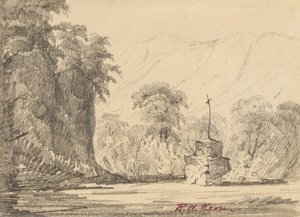
While much of his reputation is built upon the transgressive nature of his subject matter, Kern’s technical prowess cannot be overlooked. His ability to render detail and texture is evident in his more traditional explorations, such as his striking pencil-rendered landscapes like “La Cruz del Muerto” and “Salto del Rito de Los Venados.” These works demonstrate a surprising depth of realism and a meticulous control over medium, proving that his artistic vision extends far beyond the shock of the underground into a sophisticated command of classical technique.
The significance of Richard H. Kern’s contribution to contemporary art is cemented by his presence in some of the world's most prestigious institutions. Having had his work showcased in the Museum of Modern Art (MoMA) and the Whitney Museum of American Art, he has transitioned from an underground provocateur to a recognized figure within the canon of influential modern artists. His legacy remains a vital part of art history, reminding us of the power of art to confront the uncomfortable, to explore the forbidden, and to document the true, unvarnished pulse of human experience.
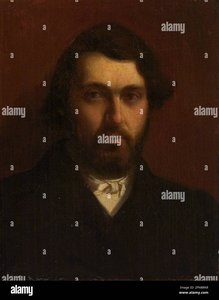
richard h. kern
1954 - , United States of America
Quick Facts
- Artistic Movement Or Style: Cinema Transgression
- Artists Or Movements Influenced By This Artist: ['Cinema Transgression']
- Artists Who Influenced This Artist: ['Nick Zedd']
- Date Of Birth: 1954
- Full Name: Richard H. Kern
- Nationality: American
- Notable Artworks:
- La Cruz del Muerto
- Salto del Rito de Los Venados near Taos, NM
- On Chagres River
- Place Of Birth: New York, United States of America
Related Articles
The Nuances of Graphite: Exploring Emotional Depth & Technical Mastery in Pencil Drawing
Explore the captivating world of graphite drawing! Discover its rich history, master essential techniques like chiaroscuro, and learn how artists evoke emotion through this timeless medium. Expert insights for art enthusiasts.
William Trost Richards: Luminism, Spirituality & the American Landscape Tradition
Explore the captivating landscapes of William Trost Richards, a master of Luminism associated with both the Hudson River School & American Pre-Raphaelite movements. Discover his spiritual connection to nature and lasting influence on American art.

The Enduring Power of Line: Exploring Themes & Techniques in Drawing Across Art History
Explore the rich history of drawing! Discover key techniques like linear perspective & iconic artists from the Renaissance to modern times. Enhance your art appreciation with ArtsDot.
Frederick Bridgman: Anatomical Mastery & the Evolution of Figure Drawing Instruction
Explore the anatomical mastery of George B. Bridgman & his revolutionary figure drawing techniques. Discover how his methods transformed art instruction and continue to inspire artists today. Learn more at ArtsDot.
The Eloquent Line: Exploring the Artistic Significance of Sketches Across Movements and Media
Explore the profound artistic significance of sketches throughout history. From Renaissance masters to modern innovators like Van Gogh & Guston, discover how these foundational works reveal technique, emotion, and vision. Learn more at ArtsDot.