 Preview
 Send
Send Share
Share
 Details

 Download
 Similars
 X-Ray
X-Ray Diaporama
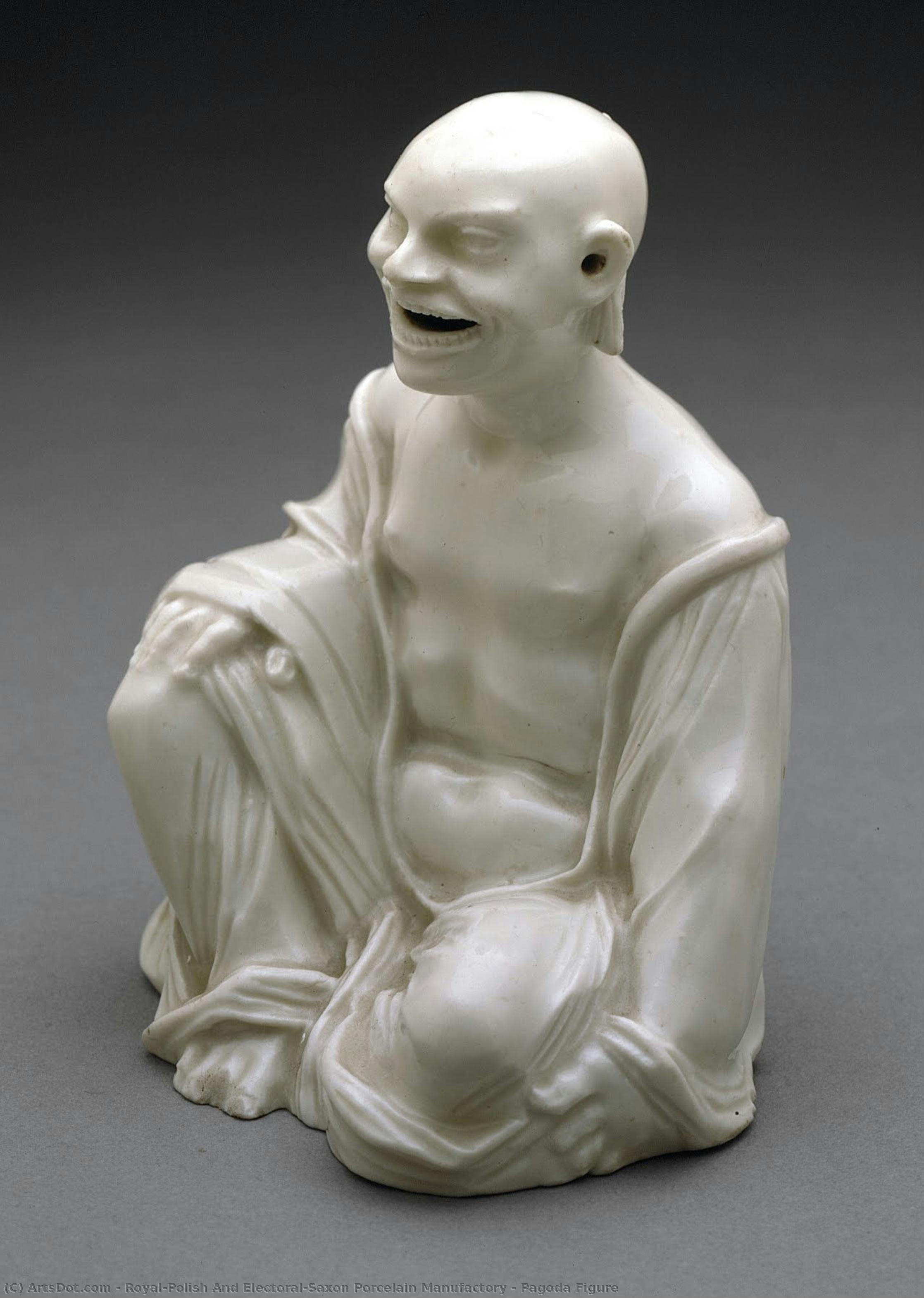
Pagoda Figure


 Read More
Giclée / Art Print
Museum-quality giclée or canvas print with fast production and flexible finish options. ( Buy Hand Made Painting Buy Image)




P118B $10

P118H $10

P118W $10

P438Z $10

P508JH $12

P508YH $12

P805H $10

P805Z $10

P919BZ $10

P919G $10

P919XJ $10

P959ZH $10

P968JZ $12

W106C $8

W218G $10

W218JH $8

W218Y $10

W307PJ $10

W316G $10

W316PJ $8

W316Y $10

W398PJ $8

W4111J $10

W500HY $15

W500JH $15

W692G $12

W849H $8

W940BG $15

W953PJ $8




Pick from our preset sizes that match the artwork's original proportions.

You may enter your own dimensions to fit a specific frame or space. If your selected size does not match the original image's proportions, we will either crop the artwork or extend the image with a mirrored or solid-fill edge. A digital mockup will be sent for your approval before production begins.
Please note that the on-screen preview does not reflect the actual cropping or extension. Only the mockup will accurately show the final composition.
While custom sizes are available, we recommend selecting a dimension from the predefined list to preserve the original proportions.
Worldwide Delivery () in 2 weeks instead of standard 4/5 weeks. (1 September)

Free Worldwide Express Shipping

High-Quality Linen Canvas

Full Shipping Insurance

Customs Tax Refund Guarantee

True Color Matching Guarantee

60-Day Return Policy (Defects Only)

100% Money-Back Guarantee

Bulk Discount Offer
 Glass option is only available in size under 110 CM

Pagoda Figure
Giclée / Art Print
Reproduction Size
-


Total Price
$ 63
The Legacy of Meissen: Unveiling the Pagoda Figure
Within the hallowed halls of European ceramics history resides a workshop that irrevocably altered artistic conventions – the Royal Porcelain Manufactory of Meissen, established in 1710. More than simply a producer of exquisite objects, Meissen became a crucible for innovation, driven by scientific inquiry and a profound desire to emulate the unparalleled artistry of Chinese porcelain. This pursuit culminated in the creation of “Pagoda Figure,” a captivating piece from 1715, embodying not only technical mastery but also a deep engagement with Eastern iconography and spiritual themes. The figure’s existence is a testament to the ambition of Ehrenfried Walther von Tschirnhaus and Johann Friedrich Böttger, who successfully replicated the secrets of hard-paste porcelain – a feat that challenged established traditions and firmly positioned Europe at the forefront of ceramic artistry.
A Glimpse into Rococo Grace: Form and Composition
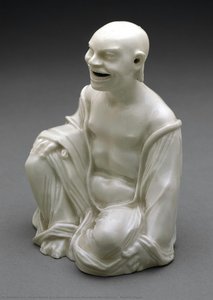
The “Pagoda Figure” immediately commands attention with its serene elegance, a quintessential example of the Rococo style prevalent in 18th-century Meissen porcelain. Seated cross-legged, the figure evokes a sense of contemplative peace, his posture relaxed yet dignified. The composition is carefully balanced – the figure occupies a substantial portion of the frame, subtly off-center to create visual interest and prevent the image from feeling static. A three-quarter view offers a comprehensive perspective, revealing both the frontal and side profiles with remarkable detail. The smooth, flowing contours of the robes and face contribute to an overall impression of harmony and refinement, while sharp lines delineate key features like the eyes and mouth, lending a subtle realism to this stylized representation.
Delicate Craftsmanship: Technique and Materials
Crafted from porcelain – a material renowned for its delicate beauty and capacity for capturing intricate details – the “Pagoda Figure” showcases the exceptional skill of Meissen’s artisans. The process likely involved meticulous molding of the clay, followed by firing at high temperatures to achieve the desired hardness and translucency. The surface is glazed with a smooth, glossy finish in areas exposed to light, while shadowed regions reveal subtle textural variations, suggesting the tactile quality of the porcelain. The folds of the robes are rendered with a degree of simplification characteristic of this medium, yet they retain a convincing sense of volume and movement. The use of gilding further enhances the figure’s presence, adding a touch of opulence and highlighting key elements like the cap and pendant.
Symbolism and Spiritual Resonance
Beyond its aesthetic qualities, the “Pagoda Figure” carries profound symbolic weight. The seated Asian figure itself is deeply rooted in Eastern iconography, often associated with Buddhist monks or deities connected to pagodas – structures integral to religious practice. The pagoda reference directly links the piece to these sacred sites, suggesting a connection between earthly artistry and spiritual contemplation. The figure’s posture and serene expression invite viewers to reflect on themes of meditation, enlightenment, and the pursuit of inner peace. The inclusion of teawares further reinforces this symbolism, evoking images of ritualistic ceremonies and moments of quiet reflection within Buddhist traditions.
A Window into a Golden Age: Historical Context
Created in 1715, the “Pagoda Figure” represents a pivotal moment in European ceramics history. The Royal Porcelain Manufactory of Meissen was not merely replicating Chinese techniques; it was striving to master them and ultimately surpass them. This ambition, fueled by scientific innovation and artistic vision, led to the creation of a new aesthetic – one that blended Eastern influences with Western sensibilities. The figure stands as a tangible reminder of this transformative period, embodying the legacy of Meissen’s pioneering spirit and its enduring contribution to the world of art.
Related Artworks
Artist Biography
The Legacy of Meissen Porcelain
The royal-polish and electoral-saxon porcelain manufactory, established in 1710 by Ehrenfried Walther von Tschirnhaus and Johann Friedrich Böttger, stands as a monumental achievement in European ceramics history—a testament to scientific innovation and artistic brilliance that continues to captivate collectors and connoisseurs worldwide. Born in Meissen, Germany, the factory’s origins lie in Tschirnhaus's pioneering efforts to replicate the hard-paste porcelain techniques developed in China, marking a pivotal moment in challenging established traditions. This ambition wasn’t merely about imitation; it was about mastering a transformative process that would elevate European craftsmanship to unprecedented heights.- Early Years and Scientific Breakthroughs: Tschirnhaus's relentless pursuit of porcelain led to the discovery of kaolin clay, crucial for achieving the desired hardness and translucency. Böttger’s subsequent refinement of the process solidified Meissen’s position as a leader in ceramic science, attracting skilled artisans and establishing a workshop that would become synonymous with excellence.
- The Crossed Swords Mark: Introduced in 1720, the crossed swords logo served not only as a protective trademark but also as an emblem of pride—a symbol representing the factory’s commitment to quality and innovation. Its enduring presence speaks volumes about Meissen's unwavering dedication to upholding its reputation for superior craftsmanship.
Artistic Flourishes: From Imitation to Innovation
- Departure from Asian Styles: Initially mirroring the decorative motifs of Chinese porcelain, Meissen artists swiftly embraced European artistic sensibilities. This shift resulted in breathtaking creations that blended classical elegance with vibrant colors and intricate designs—a bold declaration of independence from Eastern influences.
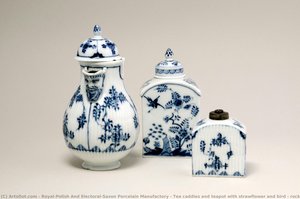
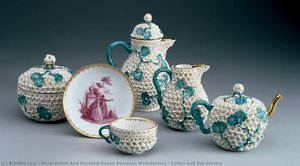
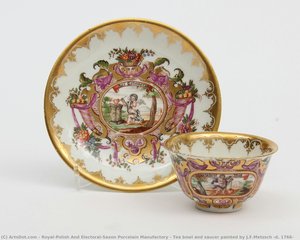
- Iconic Creations: The factory’s output produced masterpieces such as the celebrated coffee and tea service, exemplifying the pinnacle of European porcelain art. These pieces showcased exceptional skill in modeling, glazing, and decoration, cementing Meissen's place among the most revered ceramic ateliers of its time.
A Continuing Tradition: Staatliche Porzellan-Manufaktur Meissen GmbH
- Modern Ownership: Today, Meissen Porcelain Manufactory GmbH operates as a state-owned enterprise under the auspices of Saxony—a legacy rooted in centuries of tradition and upheld by a steadfast commitment to preserving artistic heritage.
- Global Recognition: Recognized globally as one of the oldest and most internationally renowned German luxury brands, Meissen continues to produce exquisite porcelain pieces that honor its illustrious past while embracing contemporary aesthetics. Its enduring success underscores the timeless appeal of craftsmanship and artistry.
Notable Works
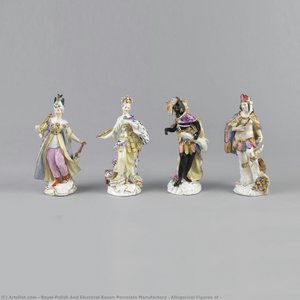
- "Allegorical Figures of Virtue" – Demonstrates the factory’s ability to capture complex concepts in sculptural form, showcasing meticulous detail and refined artistic vision.
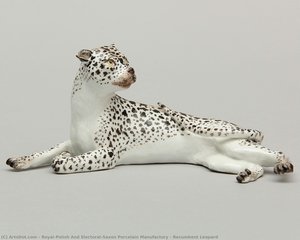
- "Recumbent Leopard" – Represents a masterful blend of realism and elegance, reflecting Meissen's dedication to portraying animals with remarkable accuracy and grace.
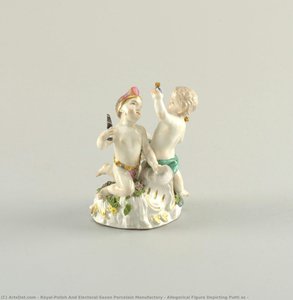
- "Allegorical Figure Depicting Putti as Victory" – Exemplifies the factory’s mastery of figurative sculpture, conveying themes of triumph and idealism through graceful poses and expressive faces.
Historical Significance
- A Catalyst for Artistic Change: Meissen Porcelain Manufactory fundamentally altered the trajectory of European ceramics—inspiring subsequent workshops to adopt innovative techniques and stylistic approaches. Its influence extended far beyond its immediate surroundings, shaping artistic tastes and elevating standards across Europe.
- Symbol of German Excellence: Throughout history, Meissen has served as a beacon of German craftsmanship and cultural prestige—a testament to the nation’s capacity for scientific advancement and artistic creativity. Its enduring legacy continues to inspire admiration and celebrates the transformative power of heritage.
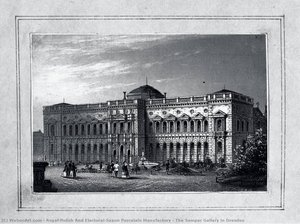
royal-polish and electoral-saxon porcelain manufactory
1710 - , Germany
Quick Facts
- Artistic Movement Or Style: Hard-paste porcelain
- Artists Or Movements Influenced By This Artist: ['Sèvres']
- Artists Who Influenced This Artist: ['Ehrenfried Walther von Tschirnhaus']
- Date Of Birth: Meissen, Germany (1710)
- Date Of Death: Living
- Full Name: royal-polish and electoral-saxon porcelain manufactory
- Nationality: German
- Notable Artworks:
- Coffee and tea service
- Allegorical Figures of
- Recumbent Leopard
- Place Of Birth: Meissen
Related Articles

The Rococo Aesthetic: Opulence, Rebellion & the Pursuit of Pleasure in 18th-Century Art
Explore the opulent world of Rococo art! Discover its origins, key artists like Watteau & Boucher, and lasting influence on design. Expert insights for collectors & enthusiasts.

Rococo's Radiant Legacy: 10 Masterpieces for Your Home |
Indulge in the elegance of Rococo! Explore 10 masterpieces by Fragonard, Boucher & Watteau. Discover the stories behind these iconic paintings and bring timeless art to your home with museum-quality reproductions from .
Illuminating the Enlightenment: A Comprehensive Exploration of 18th-Century Painting
Explore the captivating world of 18th-century painting! Discover Rococo's playful elegance & Neoclassicism’s Enlightenment ideals with expert insights into Fragonard, David, and more. A comprehensive guide for art enthusiasts.
The Rococo Style: Aristocratic Leisure & the Pursuit of Delight in 18th-Century Art
Explore the opulent world of Rococo art! Discover Watteau, Boucher & Nattier's masterpieces. Expert insights for collectors seeking museum-quality reproductions and custom portraits at ArtsDot.
The Allure of Elegance in Art: A Historical & Aesthetic Exploration of Refinement & Grace
Explore the exquisite world of Rococo art! Discover its history, masters (Watteau, Boucher & more), and defining elegance. Expert insights for collectors seeking museum-quality reproductions & custom portraits.
![[Documentary] Teapot](/media/artworks/images-thumb/8c/ff/8cffa21eaa9614dff66a1b0066c1e74f.jpg)