 Preview
 Send
Send Share
Share
 Details

 Download
 Similars
 X-Ray
X-Ray Diaporama
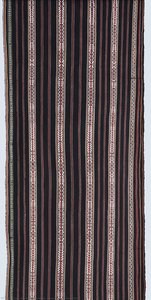
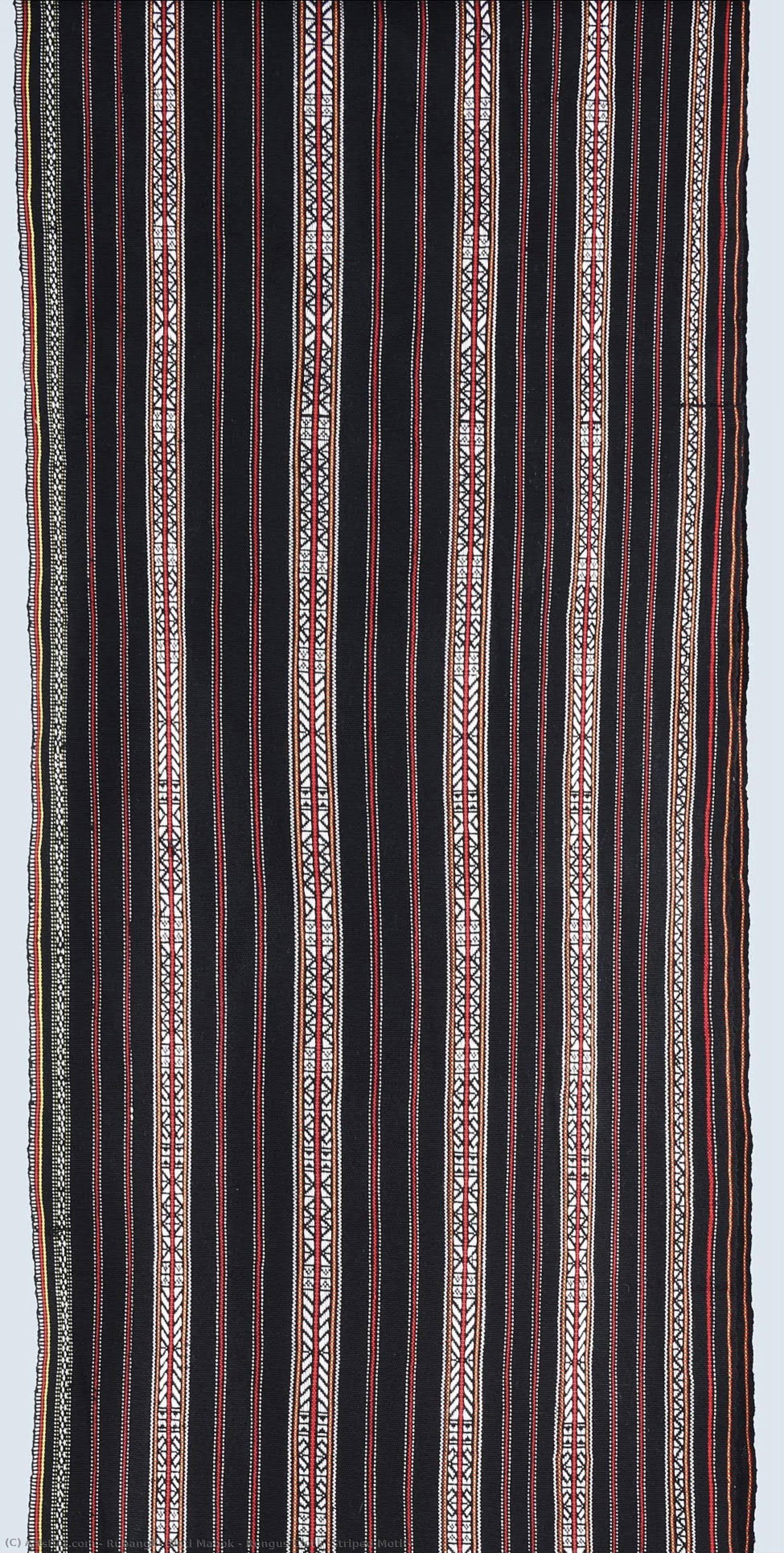
Rungus Cloth (Striped Motif)


 Read More
Hand Made Oil Reproduction
Hand-painted oil on canvas in your size and frame, made to order by our artists. ( Buy Print Buy Image)




































Pick from our preset sizes that match the artwork's original proportions.

You may enter your own dimensions to fit a specific frame or space. If your selected size does not match the original image's proportions, we will either crop the artwork or extend the painting with additional hand-painted elements. A digital mockup will be sent for your approval before production begins.
Please note that the on-screen preview does not reflect the actual cropping or extension. Only the mockup will accurately show the final composition.
While custom sizes are available, we recommend selecting a dimension from the predefined list to preserve the original proportions.
After order, ArtsDot.com team will email client for instructions and provide a mockup preview
Worldwide Delivery () in 3/4 weeks instead of standard 5 weeks. (28 August). No compromise on quality.

Free Worldwide Express Shipping

High-Quality Linen Canvas

Full Shipping Insurance

Customs Tax Refund Guarantee

True Color Matching Guarantee

60-Day Return Policy (Defects Only)

100% Money-Back Guarantee

Bulk Discount Offer
 Glass option is only available in size under 110 CM

Rungus Cloth (Striped Motif)
Reproduction Medium
Reproduction Size
-


Total Price
$ 263
Related Artworks

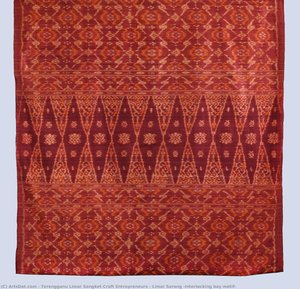
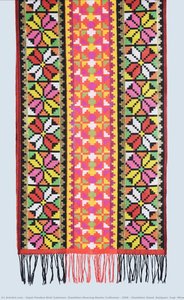
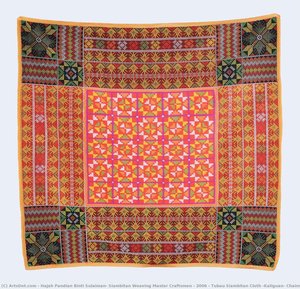
Artist Biography
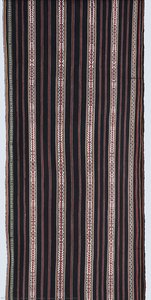
Rubangki Binti Mabok: Weaver of Sabah’s Rungus Heritage
Born in Kota Kinabalu, Malaysia, in 1990, Rubangki binti Mabok is a profoundly significant figure within the contemporary art landscape of Sabah, Borneo. Her work isn't merely textile creation; it’s a vibrant embodiment of cultural heritage, meticulously preserved and powerfully expressed through the intricate art of Rungus weaving. The Rungus people, indigenous to the interior highlands of Sabah, have a rich tradition of weaving, utilizing natural dyes derived from local plants – turmeric, indigo, and rattan – to create textiles that tell stories of their ancestry, beliefs, and daily life. Rubangki’s dedication has cemented her position as a master craftsman, carrying forward this legacy with exceptional skill and artistic vision.
Her early life was deeply intertwined with the traditions of her community. Growing up in Sabah, she likely learned the fundamental techniques of Rungus weaving from her elders – a process passed down through generations. The rhythmic movements, the careful selection of materials, and the symbolic meanings embedded within each stripe and pattern are all integral to understanding Rubangki’s work. Unlike some contemporary artists who seek to distance themselves from tradition, Rubangki embraces it wholeheartedly, using it as the foundation for her unique artistic voice.
The Art of the Rungus Striped Motif
Rubangki is most celebrated for her mastery of the “Rungus cloth,” instantly recognizable by its bold, geometric striped motif. These aren’t simply decorative patterns; they are visual narratives. Each stripe represents a specific element – familial lineage, clan affiliation, or significant events within the community. The precise arrangement and color combinations hold deep symbolic meaning, acting as a living record of Rungus history and social structure. The use of natural dyes contributes to the cloth’s unique character, each piece bearing subtle variations in tone and hue that reflect the inherent beauty of the materials.
The technique itself is demanding, requiring immense patience and dexterity. The weaving process typically involves a backstrap loom, a simple yet effective tool passed down through generations. Rubangki’s skill lies not only in her technical proficiency but also in her ability to imbue each cloth with emotion and storytelling. She doesn't merely replicate traditional patterns; she interprets them, adding subtle variations and personal touches that reflect her own artistic sensibility.
Influences and Techniques
While deeply rooted in Rungus tradition, Rubangki’s work is also informed by a broader understanding of textile art. The influence of other indigenous weaving traditions from Borneo and Southeast Asia can be discerned in the complexity of her designs and the meticulous attention to detail. However, she remains firmly committed to preserving the authenticity of the Rungus style, ensuring that her creations are respectful of its origins.
A key element of Rubangki’s technique is her use of natural dyes. She meticulously gathers plants from the surrounding forests – turmeric for yellows and oranges, indigo for blues, rattan for browns and blacks – and processes them using traditional methods to extract the pigments. This commitment to sustainable practices further underscores her connection to the land and her respect for her cultural heritage. The resulting colors are rich, earthy, and deeply evocative of the Sabah landscape.
Recognition and Legacy
Rubangki’s work has garnered increasing recognition both within Malaysia and internationally. Featured in exhibitions such as those organized by ArtsDot Malaysia, she has become a prominent voice for indigenous art and cultural preservation. Her Rungus cloths are highly sought after by collectors and museums alike, recognizing their artistic merit and historical significance.
More importantly, Rubangki’s dedication serves as an inspiration to younger generations of weavers in Sabah. By continuing the tradition with such skill and passion, she ensures that the art of Rungus weaving will thrive for years to come – a testament to her talent and a vital link to the cultural heritage of Borneo.
rubangki binti mabok
1990 - , Malaysia
Quick Facts
- Artistic Movement Or Style: Rungus weaving
- Date Of Birth: 1990
- Full Name: Rubangki binti Mabok
- Nationality: Malaysian
- Notable Artworks: ['Rungus Cloth (Striped Motif)']
- Place Of Birth: Kota Kinabalu, Malaysia
Related Articles
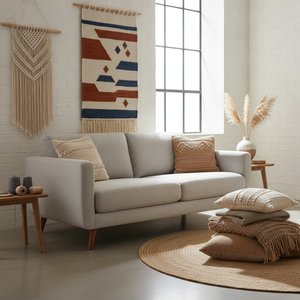
Woven Wonders: A Beginner's Guide to Elevating Your New Home with Timeless Textile Art
Discover how to transform your new home with the warmth of textile art. Our expert guide for newlyweds explores handwoven tapestries, tactile fibers, and timeless ways to curate a soulful, sophisticated interior through beautiful woven wonders.
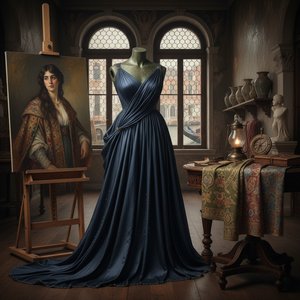
Mariano Fortuny: A Fusion of Art, Fashion & Design – Exploring a Venetian Innovator's Legacy
Explore the captivating world of Mariano Fortuny – artist, designer & innovator. Discover his revolutionary textiles, iconic Delphos gown, and lasting influence on art, fashion & interiors. A collector's guide to a Venetian master.
Weaving a Visual Story: A Comprehensive Guide to Developing Cohesive Art Narratives for Hotel Environments
Elevate your hotel's guest experience with expert art curation & narrative design. Discover how strategic art integration builds brand identity, enhances ambiance, and drives ROI. Learn from industry leaders.
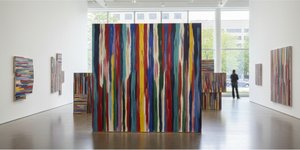
Gene Davis: Chromatic Explorations of Color Field Painting & the Washington Color School
Explore the vibrant world of Gene Davis and the Washington Color School. Discover his iconic stripe paintings, innovative techniques, and lasting impact on American abstract art. A deep dive for collectors & enthusiasts.
Draped Narratives: Fashion as Symbol & Subject in Historical Art
Explore the fascinating history of fashion as a symbol of power & status in art! Discover masterpieces from Gainsborough to Tissot and learn how clothing shaped societal narratives. Find museum-quality reproductions at ArtsDot.