 Preview
 Send
Send Share
Share
 Details

 Download
 Similars
 X-Ray
X-Ray Diaporama
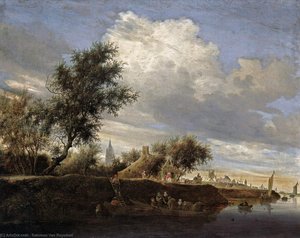
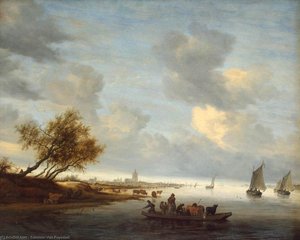
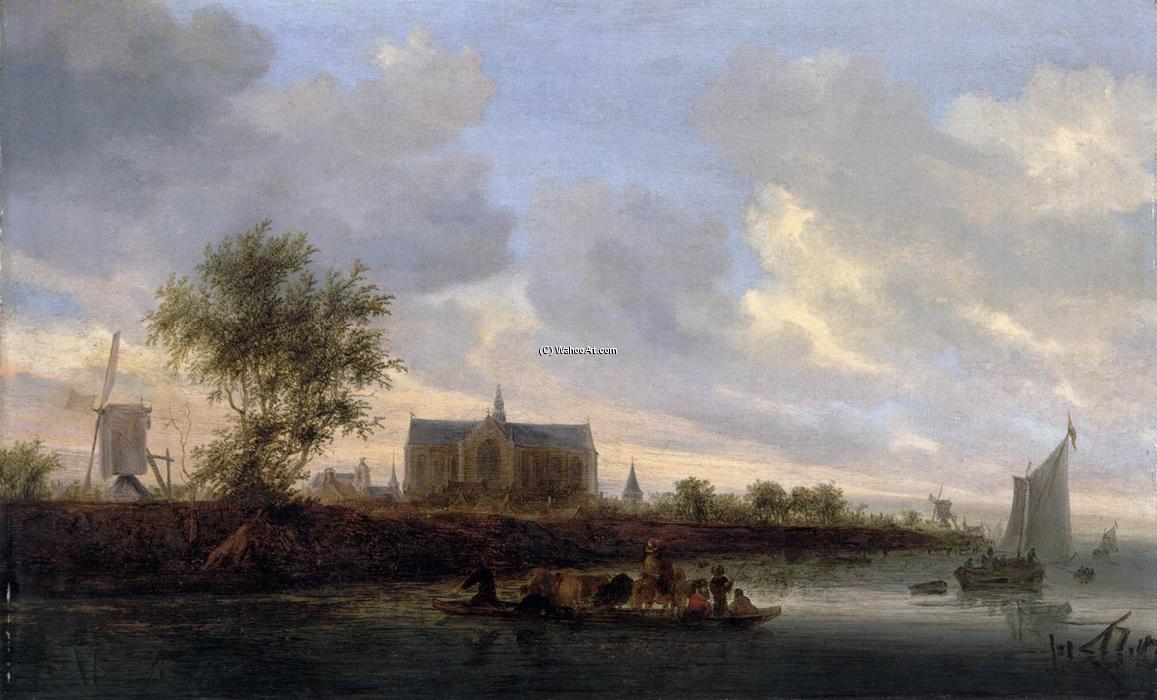
View of the Town of Alkmaar
 Oil On Canvas
- WallArt
- Dutch Golden Age
 1645
1645 51.0 x 84.0 cm
 Metropolitan Museum of Art
 Read More
Hand Made Oil Reproduction
Hand-painted oil on canvas in your size and frame, made to order by our artists. ( Buy Print Buy Image)




P118B $10

P118H $10

P118W $10

P438Z $10

P508JH $12

P508YH $12

P805H $10

P805Z $10

P919BZ $10

P919G $10

P919XJ $10

P959ZH $10

P968JZ $12

W106C $8

W218G $10

W218JH $8

W218Y $10

W307PJ $10

W316G $10

W316PJ $8

W316Y $10

W398PJ $8

W4111J $10

W500HY $15

W500JH $15

W692G $12

W849H $8

W940BG $15

W953PJ $8




Pick from our preset sizes that match the artwork's original proportions.

You may enter your own dimensions to fit a specific frame or space. If your selected size does not match the original image's proportions, we will either crop the artwork or extend the painting with additional hand-painted elements. A digital mockup will be sent for your approval before production begins.
Please note that the on-screen preview does not reflect the actual cropping or extension. Only the mockup will accurately show the final composition.
While custom sizes are available, we recommend selecting a dimension from the predefined list to preserve the original proportions.
After order, ArtsDot.com team will email client for instructions and provide a mockup preview
Worldwide Delivery () in 3/4 weeks instead of standard 5 weeks. (16 August). No compromise on quality.

Free Worldwide Express Shipping

High-Quality Linen Canvas

Full Shipping Insurance

Customs Tax Refund Guarantee

True Color Matching Guarantee

60-Day Return Policy (Defects Only)

100% Money-Back Guarantee

Bulk Discount Offer
 Glass option is only available in size under 110 CM

View of the Town of Alkmaar
Reproduction Medium
Reproduction Size
-


Total Price
$ 263
Artwork Description
A Tranquil Dutch Masterpiece: Salomon van Ruysdael’s “View of the Town of Alkmaar”
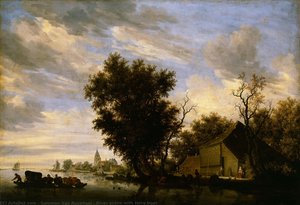
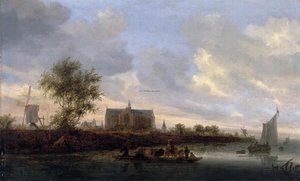
Salomon van Ruysdael's "View of the Town of Alkmaar," painted in 1645, is more than just a picturesque landscape; it’s a carefully constructed meditation on Dutch identity and the harmonious relationship between humanity and nature. Housed within the Metropolitan Museum of Art in New York, this oil-on-wood panel offers a serene glimpse into a pivotal moment in Dutch history – a time of burgeoning prosperity, artistic innovation, and a profound connection to the land.
The painting immediately draws the eye with its masterful use of light. Ruysdael, a student of Jacob van Ruisdael (his brother), inherited his predecessor’s talent for capturing atmospheric effects, but developed a uniquely subtle approach. Notice how the sunlight filters through the clouds, casting a warm glow upon the town and river below. This isn't a dramatic, theatrical light; it’s diffused, almost melancholic, lending an air of quiet contemplation to the scene. The artist skillfully employs *chiaroscuro*, contrasting areas of bright illumination with deep shadows, creating a remarkable sense of depth and volume.
The Townscape and its Symbolism
Alkmaar itself is depicted with a remarkable degree of accuracy for its time. The town’s architecture – the gabled houses, the church steeple rising proudly above the rooftops – speaks to the civic pride and mercantile success of this North Holland community. However, Ruysdael doesn't simply present a topographical record; he imbues the scene with symbolic meaning. The river, meandering through the foreground, represents the lifeblood of the region, connecting Alkmaar to trade routes and providing sustenance for its inhabitants. The windmill, a ubiquitous symbol of Dutch ingenuity and independence, stands as a testament to the nation’s spirit of innovation.
Interestingly, Ruysdael deliberately introduces an element of invented landscape into the composition. The river's origins are not visible, suggesting a constructed reality—a deliberate choice that elevates the painting beyond mere representation. This technique was common in Dutch Golden Age art, allowing artists to explore idealized versions of nature and convey specific emotional or philosophical ideas.
Technique and Artistic Style
Ruysdael’s brushwork is remarkably delicate and refined. He employed a layering technique – *glazing* – applying thin, translucent washes of color over the initial underpainting. This created a luminous quality and allowed him to build up subtle variations in tone and hue with incredible precision. The details are meticulously rendered: the ripples on the water’s surface, the texture of the thatched roofs, the individual blades of grass—all contribute to the painting's remarkable realism.
The composition is carefully balanced, drawing the eye through a series of receding planes and converging lines. Ruysdael masterfully utilizes atmospheric perspective – objects in the distance appear paler and less distinct – creating a convincing illusion of depth. This technique, combined with his subtle use of color and light, transforms a simple landscape into a profoundly moving experience.
A Window into 17th-Century Dutch Life
"View of the Town of Alkmaar" offers a poignant glimpse into the life of 17th-century Holland. It’s a scene of quiet industry and rural beauty, reflecting the prosperity and stability that characterized this era. The painting speaks to a deep appreciation for nature, a commitment to civic pride, and a belief in the power of human ingenuity. It's a testament to Salomon van Ruysdael’s skill as an artist and his ability to capture the essence of Dutch identity with remarkable sensitivity and grace.
Related Artworks
Artist Biography
The Subtle Master of Dutch Landscape: The Life of Salomon van Ruysdael
In the golden era of the seventeenth-century Netherlands, a period defined by unprecedented prosperity and artistic flourishing, Salomon van Ruysdael emerged as a painter of profound atmospheric sensitivity. Born around 1602 in Naarden, his life was deeply intertwined with the very fabric of the Dutch Golden Age. While history often casts a long shadow over his more famous brother, Jacob van Ruisdael, Salomon carved out a distinct and irreplaceable niche within the canon of landscape painting. His work does not merely depict the land; it captures the breathing essence of the Dutch countryside, where light and water perform a silent, eternal dance across the canvas.
The foundations of his artistry were laid in a household where craftsmanship and precision were paramount. His father, Jacob Jansz de Gooyer, was a skilled woodworker specializing in the intricate ebony frames that housed the era's most precious mirrors and paintings. This early exposure to the meticulous details of framing likely instilled in Salomon a lifelong reverence for texture and structural integrity. Though his formal education was surprisingly broad—encompassing the complexities of Latin and even medicine—his heart remained tethered to the visual world. By joining the prestigious Haarlem Guild of St. Luke in 1623, he entered an elite circle of creators, coming under the direct influence of masters such as Jan Porcellis and Esaias van de Velde. These mentors, champions of atmospheric perspective and observational realism, provided the technical vocabulary that Salomon would later use to compose his serene, water-centric vistas.
A Symphony of Water and Light
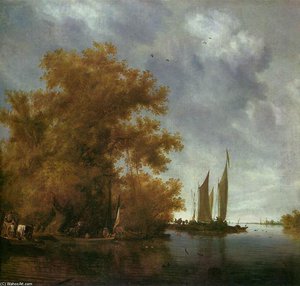
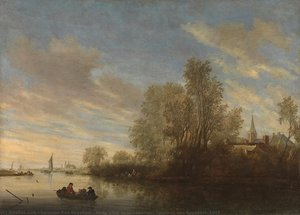
Salomon van Ruysdael’s true mastery lies in his ability to render the ephemeral qualities of the Dutch atmosphere. Unlike many of his contemporaries who sought out dramatic, sweeping vistas or turbulent storms, Salomon found his greatest inspiration in the quietude of inland waterways. His compositions often center on the rhythmic flow of rivers and the tranquil expanse of lakes, where the sky and water meet in a seamless transition of muted tones and soft light. In masterpieces such as River View near Deventer, one can observe how he utilizes a delicate palette to evoke the damp, cool air of the Netherlands, inviting the viewer to step into a moment of profound stillness.
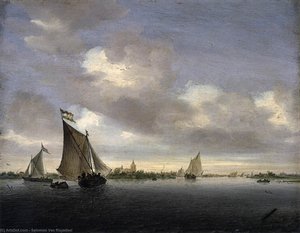
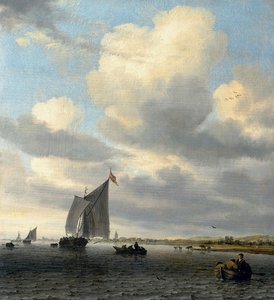
His technical prowess is particularly evident in his treatment of marine and riverine subjects. In works like Sailing Vessels on an Inland Body of Water, he demonstrates an unparalleled ability to capture the weight and movement of boats navigating through calm currents. The integration of human elements—such as the subtle presence of fishermen in River with Fishermen—is never intrusive; rather, these figures serve to provide scale and a sense of lived reality to the landscape. Through his brush, the water becomes more than just a surface; it becomes a mirror reflecting the shifting clouds and the soft, diffused light that characterizes the Dutch sky.
Legacy and Artistic Significance
The historical significance of Salomon van Ruysdael resides in his role as a pioneer of the atmospheric landscape. He moved away from the rigid, topographical depictions of earlier eras toward a more emotive, sensory experience of nature. His ability to blend the precision of still-life elements with the vastness of landscape painting created a unique aesthetic that resonated with the Dutch middle class, who sought art that reflected their own peaceful, industrious environment.
Today, his legacy is preserved in some of the world's most esteemed institutions, including the Museo Thyssen-Bornemisza. To study a Van Ruysdael is to undergo a lesson in patience and observation. His work remains a testament to the beauty found in the understated, reminding us that the most profound artistic truths are often found in the quietest reflections of a river or the softest glow of a departing sun. His contribution to the Dutch Golden Age remains an essential chapter in the story of how humanity learned to see the world not just as it is, but as it feels.
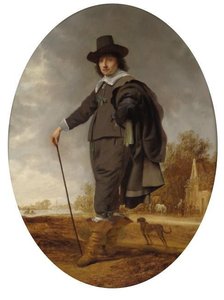
Salomon van Ruysdael
1602 - 1670 , Netherlands
Quick Facts
- Artistic Movement Or Style: Dutch Golden Age Landscape Painting
- Artists Or Movements Influenced By This Artist: ['Jacob Van Ruisdael']
- Artists Who Influenced This Artist:
- Jan Porcellis
- Esaias van de Velde
- Date Of Birth: Naarden, Netherlands (1602)
- Date Of Death: November 3, 1670
- Full Name: Salomon van Ruysdael
- Nationality: Dutch
- Notable Artworks:
- River landscape
- Ferry near Gorinchem
- View of Deventer
- Place Of Birth: Naarden
Related Articles
Van Gogh's Masterpieces: Explore 25 Iconic Paintings & Art for Your Home
Journey through Vincent van Gogh's 25 most iconic paintings! Explore 'Starry Night', 'Sunflowers,' and more—discover the stories, techniques & emotions behind these Post-Impressionist masterpieces. Find museum-quality art reproductions for your home at ArtsDot.com.
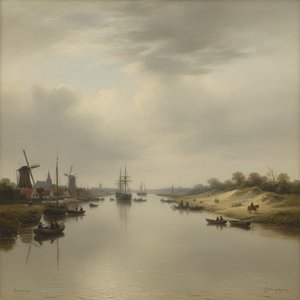
Jan van Goyen: Master of Dutch Landscape & Atmospheric Perspective
Discover Jan van Goyen, the master of Dutch landscape painting. Explore his subtle technique, atmospheric realism & lasting influence on art history. Learn about this 17th-century pioneer at ArtsDot.
Cornelis van Poelenburch: Bridging Mannerism & the Dutch Baroque Landscape
Discover Cornelis van Poelenburch, a pivotal Dutch Baroque landscape painter bridging Mannerism & Italianate styles. Explore his life, key works, and lasting influence on 17th-century art with ArtsDot.

Rembrandt's Masterpieces: Explore 25 Iconic Paintings & Prints | ArtsDot
Journey through Rembrandt van Rijn's 25 most iconic paintings & etchings. Explore Dutch Golden Age masterpieces, dramatic chiaroscuro, and timeless portraits. Find museum-quality art reproductions to elevate your home decor on ArtsDot.com.
Jacob van Ruisdael: Master of Dutch Landscape & the Evocation of National Identity
Explore the life & work of Jacob van Ruisdael, the preeminent Dutch landscape painter. Discover his technical brilliance, symbolic depth, and lasting influence on art history. Learn about collecting Ruisdael's masterpieces.