 Preview
 Send
Send Share
Share
 Details

 Download
 Similars
 X-Ray
X-Ray Diaporama
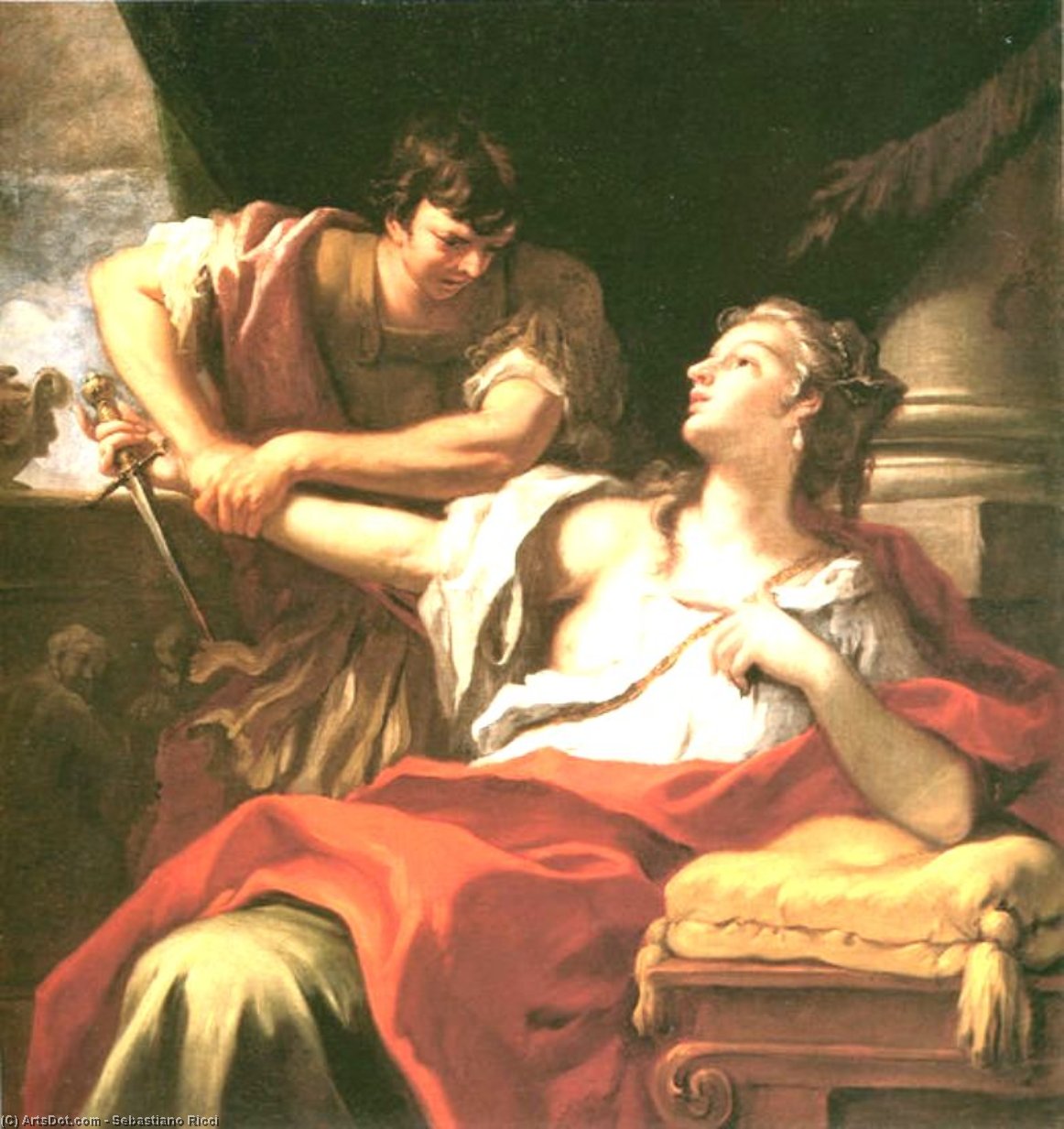
Lucretia
 Oil On Canvas
- WallArt
- Baroque
 1680
1680- Early Modern
 134.0 x 127.0 cm
 Read More
Hand Made Oil Reproduction
Hand-painted oil on canvas in your size and frame, made to order by our artists. ( Buy Print Buy Image)




P118B $10

P118H $10

P118W $10

P438Z $10

P508JH $12

P508YH $12

P805H $10

P805Z $10

P919BZ $10

P919G $10

P919XJ $10

P959ZH $10

P968JZ $12

W106C $8

W218G $10

W218JH $8

W218Y $10

W307PJ $10

W316G $10

W316PJ $8

W316Y $10

W398PJ $8

W4111J $10

W500HY $15

W500JH $15

W692G $12

W849H $8

W940BG $15

W953PJ $8




Pick from our preset sizes that match the artwork's original proportions.

You may enter your own dimensions to fit a specific frame or space. If your selected size does not match the original image's proportions, we will either crop the artwork or extend the painting with additional hand-painted elements. A digital mockup will be sent for your approval before production begins.
Please note that the on-screen preview does not reflect the actual cropping or extension. Only the mockup will accurately show the final composition.
While custom sizes are available, we recommend selecting a dimension from the predefined list to preserve the original proportions.
After order, ArtsDot.com team will email client for instructions and provide a mockup preview
Worldwide Delivery () in 3/4 weeks instead of standard 5 weeks. (16 August). No compromise on quality.

Free Worldwide Express Shipping

High-Quality Linen Canvas

Full Shipping Insurance

Customs Tax Refund Guarantee

True Color Matching Guarantee

60-Day Return Policy (Defects Only)

100% Money-Back Guarantee

Bulk Discount Offer
 Glass option is only available in size under 110 CM

Lucretia
Reproduction Medium
Reproduction Size
-


Total Price
$ 263
Artwork Description
A Tragedy in Crimson: The Dramatic Vision of Sebastiano Ricci
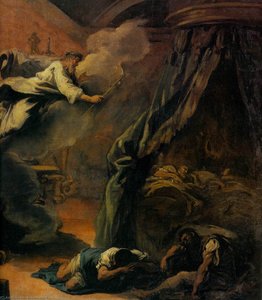
In the grand tradition of the Venetian Baroque, few scenes command the viewer's attention with such visceral intensity as Sebastiano Ricci’s Lucretia. This powerful composition serves as a window into one of ancient Rome’s most harrowing legends, capturing the precise moment where personal tragedy intersects with political upheaval. The painting depicts the aftermath of the violation of Lucretia by Sextus Tarquinius, a scene thick with the scent of betrayal and the weight of impending revolution. As we gaze upon the canvas, we are not merely observers of a historical anecdote; we are witnesses to a profound moment of human suffering and the violent spark that would eventually ignite the downfall of the Roman monarchy.
Ricci, a master of the luminous and vigorous style that defined the late Baroque period, employs a technique that breathes life into the shadows. The artist utilizes a dramatic chiaroscuro to pull the central figures from the darkness, casting a spotlight on the pale, wounded form of Lucretia. Her presence on the bed, marked by the tragic crimson of blood, acts as the emotional anchor of the work. Around her, the composition is charged with movement; the looming figure of her husband, Collatinus, and the menacing presence of men wielding blades create a sense of claustrophobic tension. Every brushstroke seems to vibrate with the urgency of the unfolding drama, guiding the eye through a labyrinth of grief, vengeance, and steel.
Symbolism and the Baroque Grandeur
Beyond its narrative surface, Lucretia is a masterclass in symbolic storytelling. The weapons—the knife and the sword—are more than mere props; they represent the transition from private agony to public justice. The blood flowing from Lucretia’s body symbolizes not only her physical trauma but also the sacrificial nature of her death, which became the catalyst for the establishment of the Roman Republic. Ricci uses these elements to weave a complex tapestry of morality and consequence, where the sanctity of honor is defended through the most extreme of measures.
For the discerning collector or interior designer, this piece offers an unparalleled opportunity to introduce a sense of historical gravity and theatrical elegance into a space. The painting’s large scale—measuring 134 x 127 cm—allows its intricate details and sweeping emotional arcs to dominate a room, making it a profound focal point for any curated collection. Whether placed in a formal study or a grand salon, a high-quality reproduction of this masterpiece brings with it the prestige of the Italian Baroque, inviting conversation through its rich textures, deep pigments, and the timeless, haunting beauty of Ricci’s hand.
Related Artworks

Artist Biography
biography of a vigorous and luminous painter
sebastiano ricci, an italian painter from belluno, was born on august 1, 1659, and passed away on may 15, 1734. he was a prominent figure in the late baroque school of venice, known for his grand manner fresco painting style.
early life and training
ricci's artistic journey began at a young age. in 1671, he was apprenticed to federico cervelli of venice. however, some sources claim that his first master was sebastiano mazzoni.
notable works and commissions
* bacchus and ariadne (national gallery, london, united kingdom), a painting showcasing ricci's mastery of the baroque style. * memorial to admiral sir clowdisley shovell (oil on canvas), a testament to his ability to capture the essence of a moment. * the decoration of the oratory of the madonna of the seraglio (1685-1687) in collaboration with ferdinando galli-bibiena, receiving a payment of 4,482 lira.
artistic style and influences
ricci's work was influenced by giovanni gioseffo dal sole's style during his time in bologna. his paintings often featured grand, luminous, and vigorous themes, making him a representative of the late baroque school of venice.
legacy and later life
ricci's artistic career was marked by periods of turmoil, including imprisonment and scandals. however, he continued to produce notable works, such as venus takes leave from adonis, which showcased his skill in capturing heavenly depictions. he ultimately accepted foreign patronage in london, working on a commission for lord burlington.
- view sebastiano ricci's artwork on ArtsDot.com
- explore more about the baroque school of venice and its influences on wikipedia
- discover other notable artists from the same period, such as luigi bonazza, on ArtsDot.com
important: this article is based on the available information from ArtsDot.com and may be subject to change as more data becomes available.
Sebastiano Ricci
1659 - 1734 , Italy
Quick Facts
- Artistic Movement Or Style: Late Baroque
- Artists Or Movements Influenced By This Artist: ['Marco Ricci']
- Artists Who Influenced This Artist: ['Giovanni Gioseffo dal Sole']
- Date Of Birth: August 1, 1659
- Date Of Death: May 15, 1734
- Full Name: Sebastiano Ricci
- Nationality: Italian
- Notable Artworks:
- Bacchus and Ariadne
- Venus takes leave
- Dream of Aesculapius
- Place Of Birth: Belluno, Italy
Related Articles
Sebastiano Ricci: Venetian Master of Baroque Illusionism & Rococo Grace
Explore the captivating world of Sebastiano Ricci, a leading Venetian Baroque painter renowned for his luminous frescoes & illusionistic masterpieces. Discover his life, techniques, and lasting influence on art history.

Jacopo Tintoretto's Masterpieces: 25 Paintings That Define Venetian Drama | ArtsDot
Explore 25 breathtaking masterpieces by Jacopo Tintoretto, the Venetian master of drama and light. Discover the stories behind iconic Renaissance paintings & find museum-quality art reproductions to elevate your home decor on ArtsDot.com.

Baroque Drama: Bringing Opulence & Emotion into Contemporary Interiors
Explore the opulent world of Baroque interior design! Discover key elements, modern applications & how to bring dramatic elegance into your home with 's authentic reproductions.

Decoding Baroque Grandeur: A Guide to the Drama and Emotion of 17th-Century Art
Explore the breathtaking drama of 17th-century Baroque art. Our expert guide decodes the use of chiaroscuro, emotional intensity, and historical grandeur to help you appreciate and curate timeless masterpieces for your collection.

Theatricality & Triumph: Baroque Drama in Painting & Sculpture
Explore the dramatic world of Baroque art! Discover its history, defining characteristics, & lasting influence on painting & sculpture. Expert insights into Caravaggio, Zurbarán, and Bernini – plus high-quality reproductions at ArtsDot.