

 Send
Send Share
Share
 Details

 Download
 Similars
 Diaporama
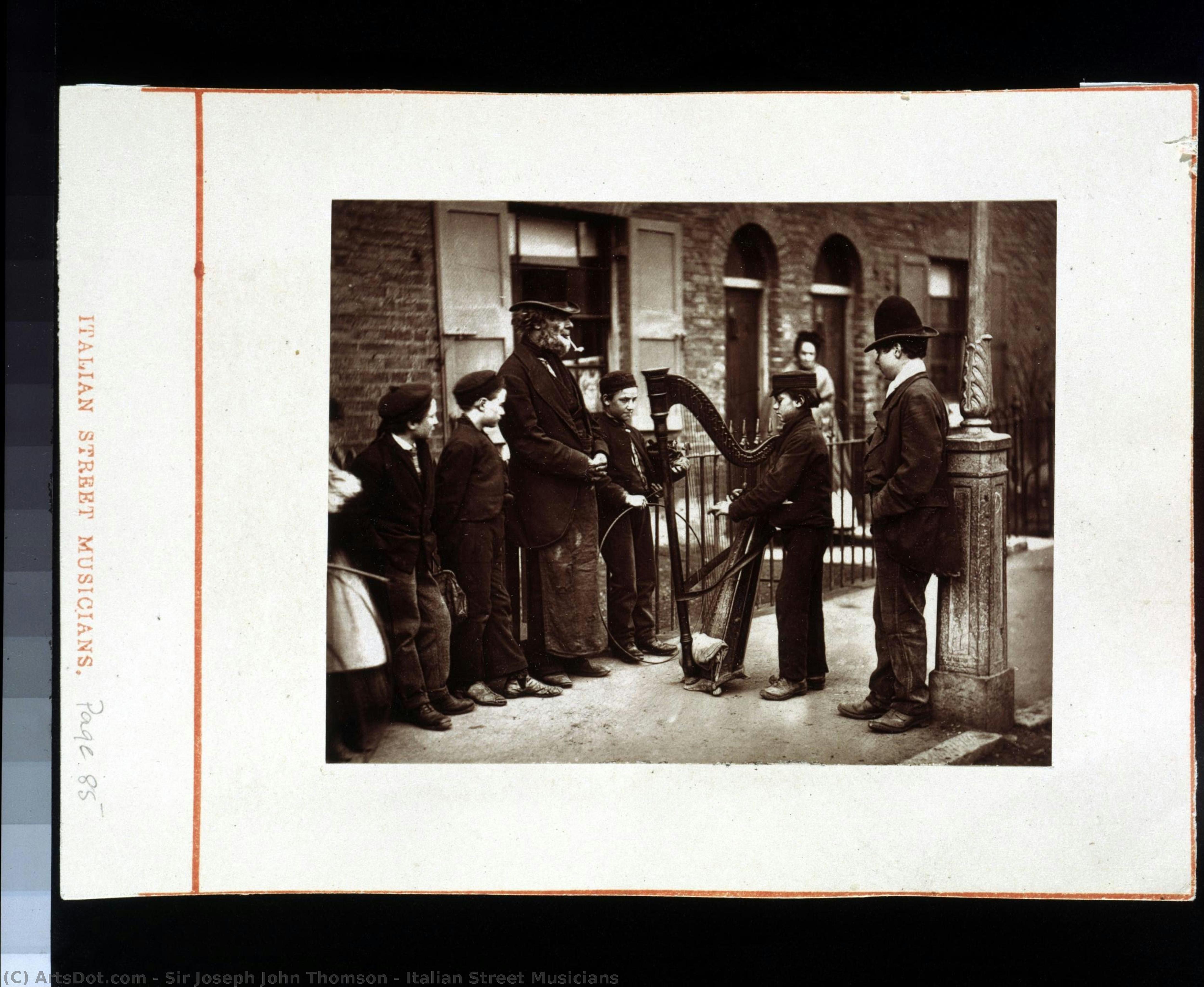
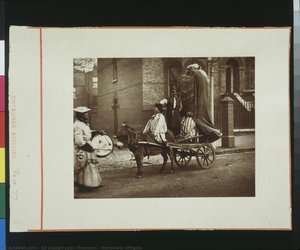
Italian Street Musicians
 Black and White Photography
- Photo
- Documentary Photography
 1878
1878- 19th Century
 Victoria and Albert Museum
 Read More
Purchase a high-resolution, enhanced digital image, far superior to the online preview.
Each file is meticulously prepared by our in-house specialists using advanced tools and expert manual retouching. We ensure every image has exceptional clarity, precise color accuracy, and fine detail.
The final file is delivered via email within 72 hours, optimized for immediate use in professional, editorial, and print environments. This is the same quality trusted by top-tier design studios, publishers, and galleries.
Digital Image
Download a high-resolution file for personal display, printing, and creative projects. ( Buy Print Buy Hand Made Painting)
Included in Every Digital Image Order
Expert Digital Delivery, Guaranteed
When you choose ArtsDot.com, you're not just getting an image - you're receiving a professionally enhanced digital artwork, crafted with precision and backed by a satisfaction guarantee. Here's everything that comes with your order, automatically:

Fast Email Delivery
Your high-resolution digital image file will be emailed to you within 72 hours of ordering - ready for immediate use.

AI-Enhanced Digital File
Your artwork is professionally optimized using advanced AI tools and manual editing, ensuring maximum detail, clarity, and color accuracy.

Free Lifetime Re-Delivery
Accidentally deleted or lost your file? No worries - we'll resend it to you anytime, free of charge.

No Import Fees - Ever
Enjoy your artwork instantly with zero customs, duties, or delivery fees - digital downloads are always tax-free.

Color Accuracy Guarantee
We ensure your digital image reflects the original colors as closely as possible using professional tools and color management.

60-Day Satisfaction Guarantee
If you're not satisfied with your digital image, we'll revise it or refund 100% within 60 days - no questions asked.

100% Money-Back Guarantee
Not satisfied? Get a full refund within 60 days of receiving your digital file - no questions asked.

Bulk Order Discounts
Buy 3 images, save 10% - Buy 5, save 15% - Buy 10+, save 20%. Great for creative projects, galleries, and agencies.
Collectible Description
A Window into Victorian Europe
In the delicate, sepia-toned grain of "Italian Street Musicians," we are transported back to the year 1878, stepping through a temporal portal into the bustling, sun-dappled streets of nineteenth-century Italy. This evocative work, captured by the multifaceted Sir Joseph John Thomson, serves as much more than a mere photographic record; it is a profound piece of social documentary that breathes life into a vanished era. The composition centers on a semi-circle of musicians, their forms arranged with an organic grace that contrasts against the rigid, geometric architecture of the background. As the viewer’s eye wanders through the frame, one notices the subtle presence of a policeman standing nearby—a poignant detail that introduces a layer of social observation, suggesting the delicate balance between public celebration and official oversight in the urban landscape of the time.
The atmosphere of the piece is thick with nostalgia, achieved through the masterful use of early photographic techniques. Likely an albumen print, the image possesses a soft, tactile texture that lends a dreamlike quality to the scene. The lighting is masterfully subdued, casting gentle shadows that provide a sense of three-dimensional depth, making the brick buildings and arched doorways feel as though they could be reached out and touched. For the collector or interior designer, this work offers a sophisticated interplay of light and shadow, providing a muted yet emotionally resonant focal point that complements both classical and contemporary decor.
The Intersection of Science and Soul
To truly appreciate this masterpiece, one must consider the unique hand behind the lens. Sir Joseph John Thomson was a man of dual legacies; while history remembers him as the pioneering physicist who discovered the electron, his photographic eye revealed a deeply compassionate observer of the human condition. In "Italian Street Musicians," we see the scientist’s precision meeting the artist’s empathy. There is a rhythmic quality to the arrangement of the figures, a visual melody that mirrors the music being played by the subjects themselves. The straight, angular lines of the European architecture provide a structural anchor for the more fluid, human shapes of the performers, creating a balanced composition that is both stable and dynamic.
For those seeking to adorn a space with art that tells a story, this reproduction offers an unparalleled opportunity. It is not merely an image of musicians; it is a captured moment of cultural tradition and historical continuity. The piece evokes a sense of longing for the simplicity of the past while celebrating the enduring spirit of street performance and community. Whether placed in a quiet study or as a conversation starter in a grand living hall, this work invites contemplation on the layers of history, the beauty of the mundane, and the profound ability of photography to freeze the heartbeat of an era.
Related Artworks
Artist Biography
A Dual Legacy: Sir Joseph John Thomson – Scientist and Social Observer
Sir Joseph John Thomson, a name synonymous with the electron and groundbreaking advancements in physics, was also a keen observer of Victorian society, wielding his camera with an eye for detail and a commitment to documenting the lives unfolding around him. Born on December 18, 1856, in Cheetham Hill near Manchester, England, Thomson’s path wasn't one solely dedicated to scientific pursuit; it was a fascinating intersection of rigorous experimentation and compassionate social commentary. His early education at the University of Cambridge laid the foundation for his scientific brilliance, earning him a scholarship in mathematics and ultimately leading to his fellowship within the Royal Society. However, even as he delved into the mysteries of cathode rays, another passion began to blossom – photography. This wasn’t merely a hobby; it was a means of engaging with the realities of Victorian England, capturing its complexities, hardships, and vibrant street life.The Unveiling of the Electron and a World Transformed
Thomson's scientific legacy is monumental. In 1897, through meticulous experimentation with cathode rays, he revealed that these beams were not waves, as previously believed, but composed of tiny, negatively charged particles – what we now know as electrons. This discovery fundamentally altered the understanding of atomic structure, dismantling the long-held belief in the indivisibility of atoms and opening up entirely new avenues of scientific inquiry. His calculations demonstrated that these electrons possessed a remarkably large charge-to-mass ratio, far smaller than anything previously imagined. The implications were profound, reshaping the landscape of physics and earning him the Nobel Prize in Physics in 1906. This breakthrough wasn’t an isolated event; it was the culmination of years of dedicated research, driven by a relentless curiosity and a commitment to empirical evidence. It paved the way for further advancements in atomic theory and laid the groundwork for much of modern physics.Through the Lens: Documenting Victorian Life
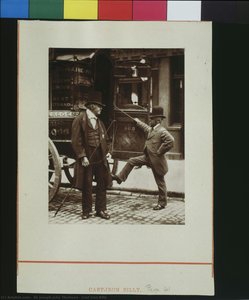
Parallel to his scientific endeavors, Thomson developed a profound passion for photography, transforming himself into a dedicated social documentarian. He wasn’t content with simply recording images; he actively sought to portray the lives of ordinary people – street performers captivating audiences, laborers enduring harsh conditions, and those marginalized by society. His photographs offer an intimate glimpse into Victorian England, revealing both its grandeur and its grim underbelly. Works like Italian Street Musicians (1878) capture a fleeting moment of joy and artistry amidst the urban landscape, while images such as Sufferers from the Floods bear witness to the devastating impact of natural disasters on vulnerable communities. Cast Iron Billy, with its striking portraiture, freezes a single moment in time, inviting viewers to contemplate the story behind the subject’s gaze. His photographic style is characterized by realism and a documentary approach, eschewing artistic embellishment in favor of honest representation. He favored albumen prints, which contributed to the grainy texture and historical feel of his images, enhancing their sense of authenticity.Influences, Legacy, and Enduring Significance
While primarily celebrated as a scientist, Thomson’s photographic work indirectly influenced artists interested in social realism and documentary photography. His commitment to portraying everyday life with honesty and empathy resonated with those seeking to capture the realities of their time. Artists like Henryk Siemiradzki and Max Klinger were inspired by the implications of his scientific discoveries, exploring themes of modernity and human existence within their own artistic practices. Thomson’s legacy extends far beyond the confines of physics; he demonstrated the power of observation and documentation in both science and art. His work continues to be exhibited in museums and collections worldwide, offering invaluable insights into Victorian society and inspiring generations of scientists and artists alike. He exemplified a rare synthesis of intellectual rigor and human compassion, leaving behind a dual legacy that continues to resonate today. He died in 1940, but his contributions continue to shape our understanding of the world around us – both the invisible realm of subatomic particles and the visible tapestry of human experience.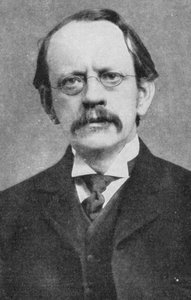
Sir Joseph John Thomson
1856 - 1940 , United Kingdom
Quick Facts
- Artistic Movement Or Style: Social documentary photography
- Artists Or Movements Influenced By This Artist:
- Henryk Siemiradzki
- Max Klinger
- Date Of Birth: December 18, 1856
- Date Of Death: 1940
- Full Name: Sir Joseph John Thomson
- Nationality: British
- Notable Artworks:
- Italian Street Musicians
- Cast Iron Billy
- November Effigies
- Place Of Birth: Cheetham Hill, UK

