 Preview
 Send
Send Share
Share
 Details

 Download
 Similars
 X-Ray
X-Ray Diaporama
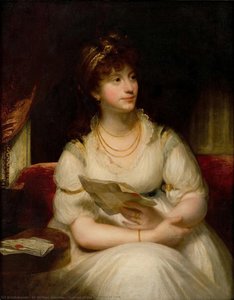
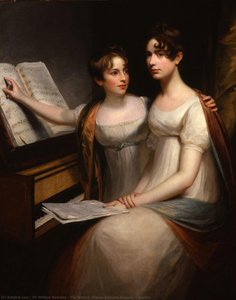
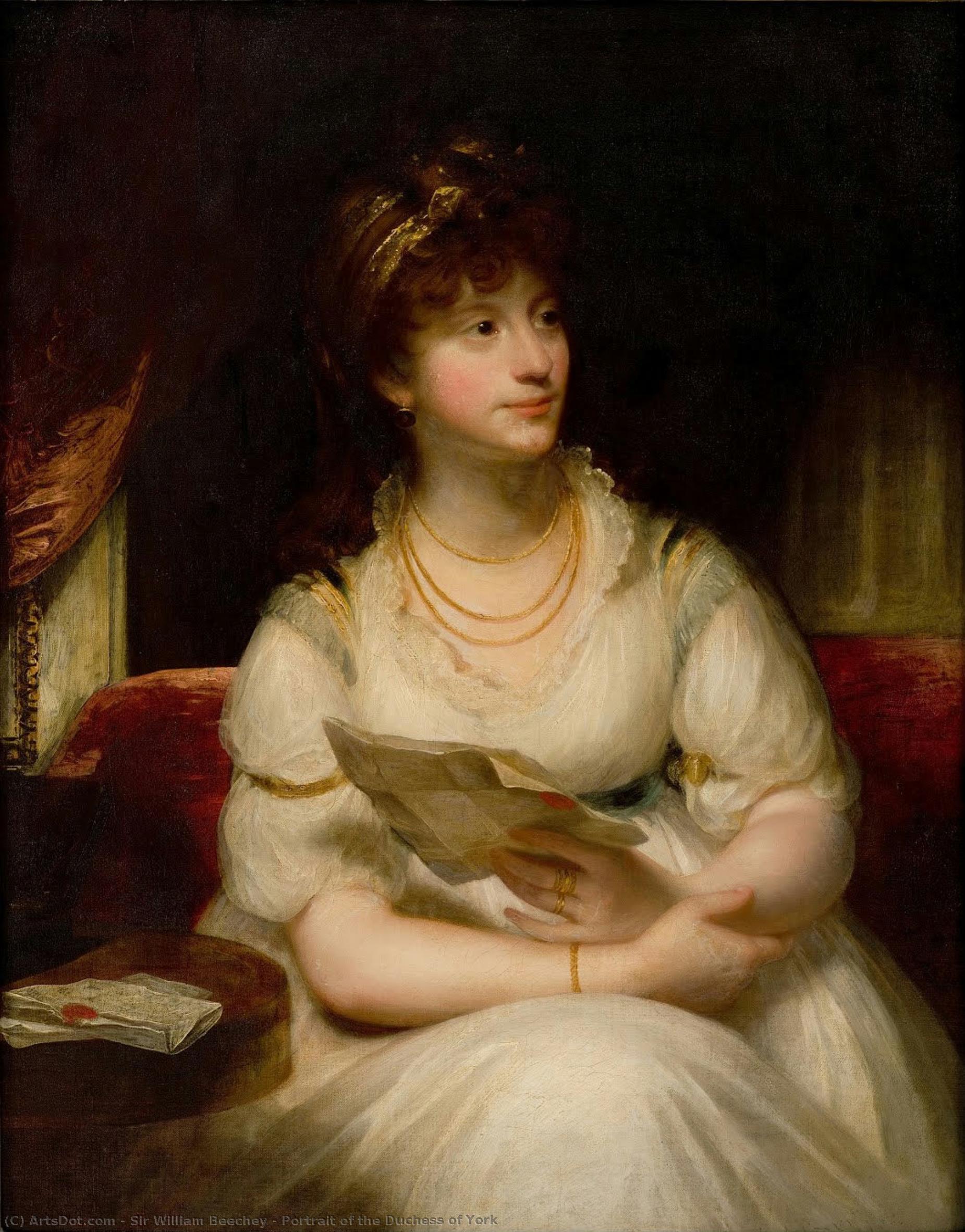
Portrait of the Duchess of York
 Oil On Canvas
- WallArt
- Neoclassical Portraiture
 1800
1800 88.0 x 68.0 cm
 Museo de Arte de Ponce
 Read More
Giclée / Art Print
Museum-quality giclée or canvas print with fast production and flexible finish options. ( Buy Hand Made Painting Buy Image)




P118B $10

P118H $10

P118W $10

P438Z $10

P508JH $12

P508YH $12

P805H $10

P805Z $10

P919BZ $10

P919G $10

P919XJ $10

P959ZH $10

P968JZ $12

W106C $8

W218G $10

W218JH $8

W218Y $10

W307PJ $10

W316G $10

W316PJ $8

W316Y $10

W398PJ $8

W4111J $10

W500HY $15

W500JH $15

W692G $12

W849H $8

W940BG $15

W953PJ $8




Pick from our preset sizes that match the artwork's original proportions.

You may enter your own dimensions to fit a specific frame or space. If your selected size does not match the original image's proportions, we will either crop the artwork or extend the image with a mirrored or solid-fill edge. A digital mockup will be sent for your approval before production begins.
Please note that the on-screen preview does not reflect the actual cropping or extension. Only the mockup will accurately show the final composition.
While custom sizes are available, we recommend selecting a dimension from the predefined list to preserve the original proportions.
Worldwide Delivery () in 2 weeks instead of standard 4/5 weeks. (31 August)

Free Worldwide Express Shipping

High-Quality Linen Canvas

Full Shipping Insurance

Customs Tax Refund Guarantee

True Color Matching Guarantee

60-Day Return Policy (Defects Only)

100% Money-Back Guarantee

Bulk Discount Offer
 Glass option is only available in size under 110 CM

Portrait of the Duchess of York
Giclée / Art Print
Reproduction Size
-


Total Price
$ 63
Portrait of the Duchess of York: An Intimate Glimpse into Georgian Society
Sir William Beechey’s “Portrait of the Duchess of York,” painted in 1800, is more than just a likeness; it's a meticulously crafted window into the refined world of Georgian England. This captivating portrait offers an intimate glimpse into the life and status of Princess Frederica, later Duchess of York, through Beechey’s signature blend of neoclassical elegance and subtle psychological insight. The painting immediately draws the eye to the subject’s serene composure, seated on a plush red velvet settle – a deliberate choice that speaks volumes about her position within the royal court.
Beechey's style is characterized by its restrained grace and remarkable attention to detail. He masterfully employs soft brushstrokes to create an atmosphere of quiet intimacy, reminiscent of the works of Joshua Reynolds, his acknowledged mentor. The lighting is particularly noteworthy; a diffused glow illuminates the Duchess’s face, highlighting her delicate features and conveying a sense of gentle warmth. Note the careful rendering of textures – the rich velvet of the settle, the sheen of the jewelry, and the subtle folds in the fabric of her gown—all executed with remarkable precision.
A Royal Commission and its Context
The commission for this portrait arose during a period of significant political and social change within Britain. The early 19th century witnessed the rise of the Napoleonic Wars, impacting court life and shifting artistic tastes towards a more restrained and dignified style. Beechey’s work reflects this trend, moving away from the flamboyant Rococo styles of previous generations toward a classical sensibility. The portrait itself was created during a time when royal portraits were not merely decorative but served as powerful symbols of authority and lineage, reinforcing the legitimacy of the monarchy.
Furthermore, the Duchess herself held a prominent position within the royal family. As a daughter of King George II, she represented a direct link to the throne and was keenly aware of her role in upholding tradition and maintaining social order. The inclusion of the letter – a common motif in portraits of monarchs and high-ranking officials – subtly emphasizes this aspect of her identity, suggesting correspondence with important figures within the court and highlighting her active participation in royal affairs.
Symbolism and Emotional Resonance
Beyond its technical brilliance, “Portrait of the Duchess of York” is rich in symbolic meaning. The red velvet settle, a luxurious material reserved for the elite, underscores her elevated social standing. The letter she holds isn’t simply an object; it represents communication, diplomacy, and the intricate web of relationships that defined court life. Her gaze, direct yet contemplative, invites the viewer to engage with her inner world—a quiet strength and dignity tempered by a hint of melancholy.
The composition itself is carefully balanced, creating a sense of stability and composure. The Duchess’s posture exudes confidence and grace, while the background – featuring two chairs and a bench – provides a subtle suggestion of domesticity and private reflection. Beechey skillfully captures not just her physical appearance but also the essence of her character—a woman of intelligence, poise, and quiet authority.
A Timeless Masterpiece: Reproduction and Legacy
Today, “Portrait of the Duchess of York” stands as a testament to Beechey’s artistic skill and his ability to capture the spirit of an era. Reproductions offer a remarkable opportunity to experience this masterpiece firsthand, bringing its beauty and historical significance into any setting. Whether adorning a formal study or a more casual living space, this portrait continues to resonate with viewers, offering a captivating glimpse into the lives and aspirations of those who shaped Georgian England.
The painting’s enduring appeal lies in its ability to transcend time—to connect us with a distant past while simultaneously reminding us of the timeless qualities of beauty, grace, and human dignity. It is a truly remarkable work of art, worthy of admiration and preservation for generations to come.
Related Artworks


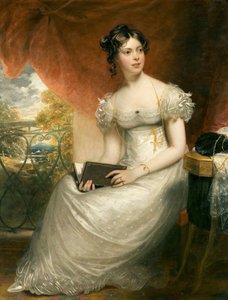
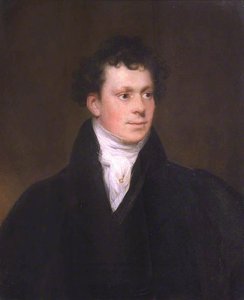
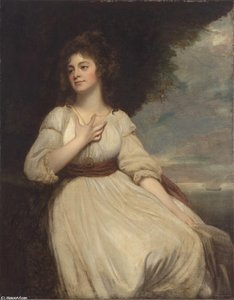
Artist Biography
Early Life and Artistic Beginnings
Sir William Beechey, born December 12, 1753, in the quaint Oxfordshire town of Burford, embarked on a life that would see him become a prominent figure in British portraiture. His early years were marked by tragedy; both his parents passed away while he was still young, leaving his upbringing to the care of his uncle, Samuel Beechey, a solicitor. Initially destined for a legal career, young William’s heart lay elsewhere—in the captivating world of art. Despite his uncle's aspirations, Beechey gravitated towards painting, an inclination that ultimately led him to London and admission into the Royal Academy Schools in 1772. This marked a pivotal moment, placing him within the orbit of established artists and setting the stage for his artistic development. His early training likely benefited from the guidance of Johan Zoffany, though concrete evidence remains elusive, shaping his initial style towards small-scale full-length portraits and intimate conversation pieces reminiscent of Zoffany’s own work.A Rising Star: Norwich and London
Beechey's artistic journey took him to Norwich in 1782, where he established a foothold as a portraitist among the region’s gentry. He secured commissions for portraits of prominent figures like John Wodehouse, and notably contributed four works to the collection of civic portraits at St Andrew’s Hall—a testament to his growing reputation. However, London beckoned, and in 1787 he returned to the capital, determined to make his mark on a larger stage. The late 1780s saw Beechey steadily gaining recognition, exhibiting works that showcased his developing skill and refined technique. A turning point arrived with his portrait of John Douglas, Bishop of Carlisle, exhibited in 1789—a work that garnered considerable attention and solidified his position within the London art scene. He skillfully navigated the conventions of the time, drawing inspiration from masters like Joshua Reynolds while forging a style uniquely his own.Royal Patronage and National Recognition
The year 1793 proved transformative for Beechey. Through a fortunate turn of events—a disgruntled sitter bringing his portrait to the attention of King George III and Queen Charlotte—Beechey found himself appointed as Queen Charlotte’s official portrait painter. This royal endorsement catapulted him into the upper echelons of artistic society, opening doors to a stream of prestigious commissions. He was elected an associate member of the Royal Academy that same year, further cementing his status. The following year brought even greater acclaim; in 1798, he painted *George III and the Prince of Wales Reviewing Troops*, a large-scale composition that earned him a knighthood and full membership to the Royal Academy. Though tragically lost in the 1992 Windsor Castle fire, this work exemplified Beechey’s ability to handle grand historical scenes alongside his more intimate portraiture. His success during this period was not merely artistic; it was deeply intertwined with the social and political landscape of Britain, reflecting a growing national pride and a flourishing aristocratic culture.Style, Legacy, and Lasting Influence
Beechey’s style is characterized by its refined elegance, subtle coloring, and meticulous attention to detail. He favored neoclassical compositions, often depicting his sitters in graceful poses reminiscent of classical sculpture. While not a radical innovator like some of his contemporaries—such as Thomas Lawrence—his consistent quality and ability to capture the likeness and character of his subjects earned him widespread acclaim. His portraits possess a dignified restraint, avoiding excessive drama or flamboyant flourishes. This approach appealed particularly to the royal family and the upper classes, who valued decorum and understated elegance. Despite some criticism leveled by Samuel Redgrave in 1890—who found Beechey’s work lacking in grace and his drapery somewhat clumsy—Beechey maintained a respectable position among British portraitists. His works continue to be celebrated for their technical skill and insightful portrayals of prominent figures from the late 18th and early 19th centuries, including Lord Nelson, John Kemble, and Sarah Siddons. His legacy endures not only through his paintings but also as a testament to the enduring power of portraiture in capturing the spirit of an era.Family and Further Contributions
Beechey’s personal life was marked by both joy and sorrow. He married Mary Ann Jones in 1778, and following her death, he wed Anne Phyllis Jessop, a successful miniature painter, in 1793. Through these unions, he fathered several children who also pursued artistic careers. His sons, Henry William Beechey—a painter and explorer—and Frederick William Beechey—a naval officer, geographer, and writer—carried on the family tradition of creative endeavor. Beechey’s influence extended beyond his own paintings; he was known for his generosity towards aspiring artists, particularly John Constable, whom he mentored. He retired to Hampstead in 1836, where he passed away in 1839, leaving behind a rich artistic legacy that continues to captivate and inspire. His contributions to British art remain significant, offering valuable insights into the lives and times of those who shaped the nation’s history.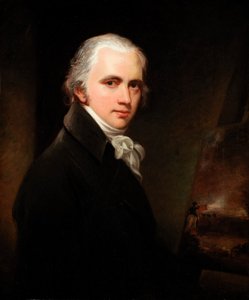
Sir William Beechey
1753 - 1839 , United Kingdom
Quick Facts
- Artistic Movement Or Style: Portraiture, Neoclassical
- Artists Who Influenced This Artist:
- Johan Zoffany
- Joshua Reynolds
- Date Of Birth: December 12, 1753
- Date Of Death: January 28, 1839
- Full Name: Sir William Beechey
- Nationality: British
- Notable Artworks:
- Duchess of York Portrait
- George III Reviewing Troops
- Place Of Birth: Burford, UK
Related Articles
Sir William Beechey: Portraiture, Patronage & Shaping Georgian Society
Explore the life & art of Sir William Beechey, a leading British portraitist of the Georgian era. Discover his royal commissions, aristocratic subjects, and lasting influence on 18th-century painting. Learn more at ArtsDot.
British Museum Masterpieces: Explore 25 Iconic Artworks & Decor Inspiration
Journey through 25 iconic artworks at the British Museum, London! Explore masterpieces from Egyptian sculptures to Renaissance paintings & uncover their stories. Find museum-quality art reproductions and curated decor ideas on ArtsDot.com.
Philip Wilson Steer: Capturing Modern Life & British Impressionism's Essence
Explore the life & art of Philip Wilson Steer, a leading British Impressionist painter. Discover his coastal scenes, influences, and legacy. Expert analysis & high-quality reproductions at ArtsDot.
Frank Brangwyn: A Life Immersed in Colour, Craft & the Spirit of Modern British Art
Explore the vibrant life & prolific work of Frank Brangwyn, a master of British art. Discover his stunning paintings, designs, and monumental Empire Panels – a celebration of colour, craft, and artistic innovation.
Robert Bevan: Pioneering British Post-Impressionism & the Camden Town Group's Intimate Vision
Explore the life & work of Robert Bevan, a pioneer of British Post-Impressionism and founding member of the Camden Town Group. Discover his vibrant landscapes and lasting impact on early 20th-century art.