 Preview
 Send
Send Share
Share
 Details

 Download
 Similars
 X-Ray
X-Ray Diaporama
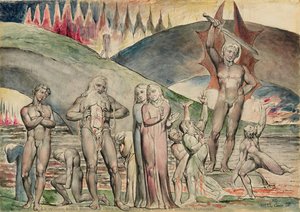
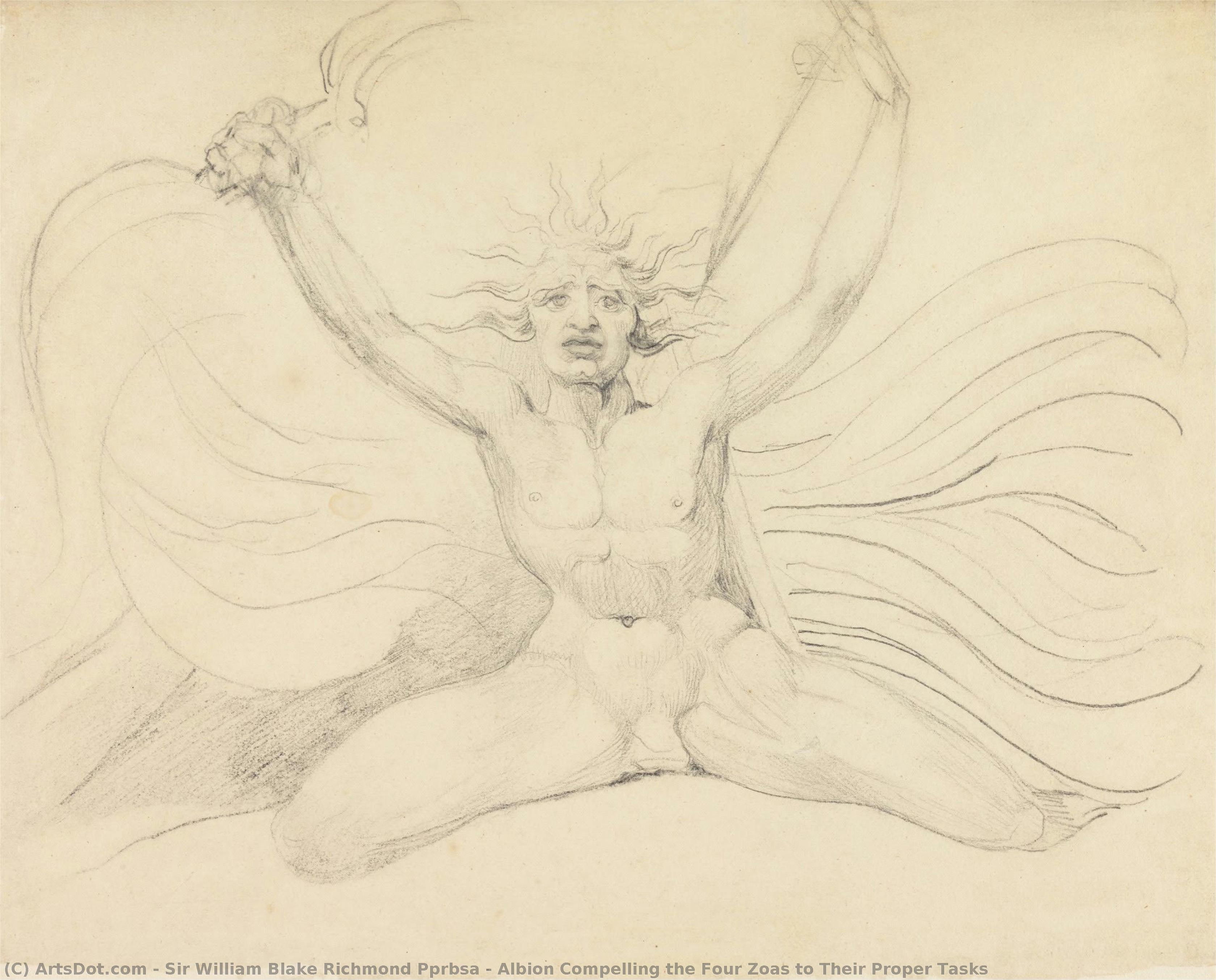
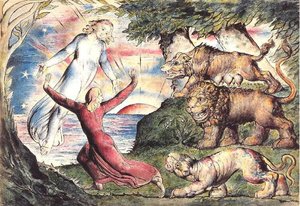
Albion Compelling the Four Zoas to Their Proper Tasks
 Oil On Canvas
- WallArt
- Romanticism
 1810
1810 25.0 x 31.0 cm
 Yale Center for British Art
 Read More
Giclée / Art Print
Museum-quality giclée or canvas print with fast production and flexible finish options. ( Buy Hand Made Painting Buy Image)




P118B $10

P118H $10

P118W $10

P438Z $10

P508JH $12

P508YH $12

P805H $10

P805Z $10

P919BZ $10

P919G $10

P919XJ $10

P959ZH $10

P968JZ $12

W106C $8

W218G $10

W218JH $8

W218Y $10

W307PJ $10

W316G $10

W316PJ $8

W316Y $10

W398PJ $8

W4111J $10

W500HY $15

W500JH $15

W692G $12

W849H $8

W940BG $15

W953PJ $8




Pick from our preset sizes that match the artwork's original proportions.

You may enter your own dimensions to fit a specific frame or space. If your selected size does not match the original image's proportions, we will either crop the artwork or extend the image with a mirrored or solid-fill edge. A digital mockup will be sent for your approval before production begins.
Please note that the on-screen preview does not reflect the actual cropping or extension. Only the mockup will accurately show the final composition.
While custom sizes are available, we recommend selecting a dimension from the predefined list to preserve the original proportions.
Worldwide Delivery () in 2 weeks instead of standard 4/5 weeks. (24 August)

Free Worldwide Express Shipping

High-Quality Linen Canvas

Full Shipping Insurance

Customs Tax Refund Guarantee

True Color Matching Guarantee

60-Day Return Policy (Defects Only)

100% Money-Back Guarantee

Bulk Discount Offer
 Glass option is only available in size under 110 CM

Albion Compelling the Four Zoas to Their Proper Tasks
Giclée / Art Print
Reproduction Size
-


Total Price
$ 63
Collectible Description
Albion Compelling the Four Zoas to Their Proper Tasks: A Vision of Order from Chaos
Sir William Blake Richmond’s “Albion Compelling the Four Zoas to Their Proper Tasks” is not merely a depiction; it's an immersive experience, a visual embodiment of Blake’s complex cosmology and his profound yearning for harmony within a turbulent world. Painted in 1810, this arresting black-and-white drawing, now meticulously reproduced as a fine art print, captures a pivotal moment in Richmond’s artistic journey – a synthesis of the Romantic spirit with the burgeoning influence of Neo-Classicism and Symbolism. The image centers on a powerfully rendered figure, identified as Albion—a potent symbol representing Britain itself—who stands poised to direct the chaotic energies of the Four Zoas, allegorical representations of opposing forces within human nature: Reason, Imagination, Desire, and Necessity. The composition is strikingly dynamic; Albion’s stance exudes authority and control, his hand outstretched towards a swirling vortex of figures embodying these elemental drives.
Richmond's technique is characterized by an almost obsessive attention to detail, reflecting the meticulous study of anatomy and classical forms that informed his work. The drawing utilizes a stark contrast between light and shadow, creating a dramatic depth and emphasizing the monumental scale of the scene. Notice the careful rendering of textures – the flowing robes of the Zoas, the weathered features of Albion, and the intricate patterns woven into the landscape itself. This meticulousness isn’t simply decorative; it serves to ground the fantastical elements within a tangible reality, lending the image an undeniable sense of gravitas. Richmond's use of charcoal is particularly noteworthy, allowing for subtle gradations of tone and creating a remarkable sense of movement and energy.
The Roots of Symbolism: Blake’s Influence and Neo-Classical Echoes
To fully appreciate “Albion Compelling the Four Zoas,” it's crucial to understand its deep roots in the artistic and intellectual currents of the early 19th century. Richmond was a devoted follower of William Blake, absorbing his visionary poetry and embracing his complex system of symbolism. Blake’s concept of the ‘Four Zoas’ – primal forces shaping human experience – provided the foundational framework for this painting. However, Richmond's interpretation diverges from Blake’s more overtly mystical approach. While retaining the core allegorical elements, Richmond imbues the scene with a distinctly Neo-Classical sensibility. The figures are rendered with a classical restraint and proportion, echoing the idealized forms of ancient Greek sculpture. This fusion of Romantic fervor and Classical order creates a compelling tension within the image – a sense of both chaos and control, of passion and reason.
The setting itself is equally significant. The landscape—a rugged, almost apocalyptic vista—suggests a world on the brink of transformation. The presence of ancient ruins hints at a lost civilization, while the swirling clouds and turbulent seas symbolize the instability of human affairs. Albion’s position atop this desolate terrain underscores his role as a mediator between the earthly realm and the forces of creation. The overall effect is one of profound drama and symbolic weight – a visual meditation on humanity's struggle to impose order upon chaos.
Decoding the Allegory: Reason, Imagination, Desire, and Necessity
Each of the Four Zoas embodies a fundamental aspect of human experience. Reason, represented by a figure clad in sober robes, strives to maintain control over the swirling energies of the other forces. Imagination, depicted as a vibrant, almost ethereal being, dances amidst the chaos, suggesting the boundless potential for creativity and inspiration. Desire, characterized by passionate gestures and intense emotion, represents the primal urges that drive human action. Finally, Necessity—often portrayed as a stern, unyielding figure— embodies duty, obligation, and the constraints of reality. Albion’s task is not simply to observe these forces but to guide them towards a harmonious convergence – a state of equilibrium where reason, imagination, desire, and necessity work together in concert.
The image invites viewers to contemplate their own relationship with these fundamental drives. Is Albion succeeding in his endeavor? Does the scene offer a vision of hope or despair? Richmond’s masterful use of symbolism leaves ample room for interpretation, ensuring that “Albion Compelling the Four Zoas to Their Proper Tasks” remains a powerfully resonant and enduring work of art.
A Timeless Masterpiece: Reproduction and Artistic Impact
Today, “Albion Compelling the Four Zoas to Their Proper Tasks” is brought back to life through meticulously crafted reproductions. Available in various sizes and mediums – from luxurious canvas prints to elegant framed watercolors – this artwork offers a unique opportunity to experience Richmond’s vision firsthand. The high-quality reproduction faithfully captures the intricate details, dramatic lighting, and symbolic depth of the original drawing, allowing it to grace any interior space with its timeless beauty. Whether you are an art collector, an admirer of Romanticism, or simply seeking a striking piece for your home, this reproduction is sure to captivate and inspire.
Related Artworks
Artist Biography
early life and influences
sir william blake richmond, a renowned english painter and portraitist, was born on march 28, 1809, in the united kingdom. his early life was marked by his association with the ancients, a group of followers of the visionary poet and artist william blake. this influence can be seen in richmond's early works, such as abel the shepherd and christ and the woman of samaria, exhibited at the royal academy in 1825.career highlights
as richmond matured, he established a successful career as a portrait painter, capturing the essence of british gentry, nobility, and royalty. his work is characterized by its attention to detail and the ability to convey the subject's personality. notable works include trees at bocca d'arno and the crown of peace, showcasing his mastery of romanticism.notable associations and travels
* in 1828, richmond traveled to paris to study art and anatomy, where he spent a winter in the schools and hospitals. * he met beau brummell at calais, exchanging snuff pinches, marking a significant encounter. * his association with lord sidmouth led to valuable counsel and a portrait of the lord, now in the national portrait gallery.legacy and later life
richmond's later life saw a shift towards more conventional portraits, yet his legacy as a pre-eminent portrait painter endures. he passed away on march 19, 1896, leaving behind a body of work that continues to inspire artists and art enthusiasts alike.- view sir william blake richmond's artworks on ArtsDot: https://ArtsDot.com/@/sir-william-blake-richmond
- explore the british council collection, featuring works by renowned artists like morris louis, william larkin, and alison watt: /en/art/show/art-d3ckkb-en/
- discover more about the ancients and their influence on richmond's work: https://en.wikipedia.org/wiki/the_ancients
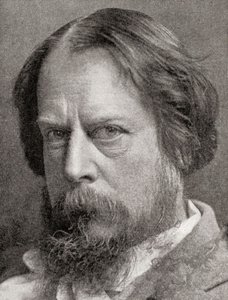
Sir William Blake Richmond
1809 - 1896 , United Kingdom
Quick Facts
- Artistic Movement Or Style: Romanticism
- Artists Or Movements Influenced By This Artist: ['Pre-Raphaelitism']
- Artists Who Influenced This Artist: ['William Blake']
- Date Of Birth: March 28, 1809
- Date Of Death: March 19, 1896
- Full Name: Sir William Blake Richmond
- Nationality: British
- Notable Artworks:
- Trees at Bocca d'Arno
- The Crown of Peace
- Place Of Birth: Brompton, United Kingdom
Related Articles
Sir William Blake Richmond: A Visionary of Aestheticism & Symbolism
Explore the life & art of Sir William Blake Richmond, a pivotal figure bridging Pre-Raphaelitism and Aestheticism. Discover his stunning portraits, mosaics at St Paul's Cathedral, and lasting influence on Victorian art.

William Blake: Romantic Visionary & Mystical Genius of the Imagination
Explore the mystical art & poetic genius of William Blake (1757-1827). Discover his revolutionary illuminated printing, rich symbolism, and lasting influence on Romanticism. Find handmade reproductions at ArtsDot.

Dark Masterpieces: 10 Iconic Paintings Dominated by Black Tones |
Explore 10 iconic paintings dominated by black tones, from Rembrandt’s chiaroscuro to Goya's dark expressions. Discover the stories behind these masterpieces & find museum-quality art reproductions for your home at .
Mars Black Masterpieces: 10 Iconic Paintings & Timeless Art Decor Ideas
Delve into the power of 'Mars Black' with 10 iconic paintings by masters like Rembrandt & Caravaggio. Explore dramatic chiaroscuro, gothic art, and timeless beauty. Find museum-quality reproductions & elevate your home decor on .
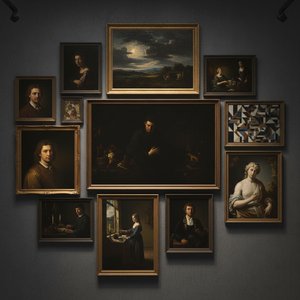
Lamp Black & Masterpieces: 10 Paintings That Define Shadow & Light |
Delve into the captivating world of 'Lamp Black' tones with 10 iconic paintings by masters like Rembrandt & Caravaggio. Explore Baroque chiaroscuro, dramatic lighting & shadow in art history. Find museum-quality reproductions at