 Preview
 Send
Send Share
Share
 Details

 Download
 Similars
 X-Ray
X-Ray Diaporama
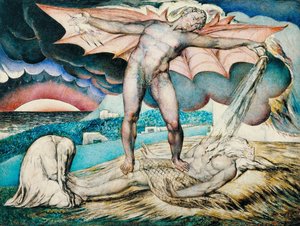
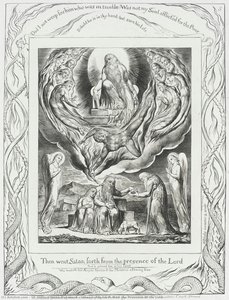
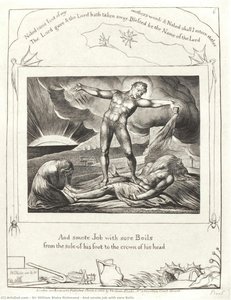
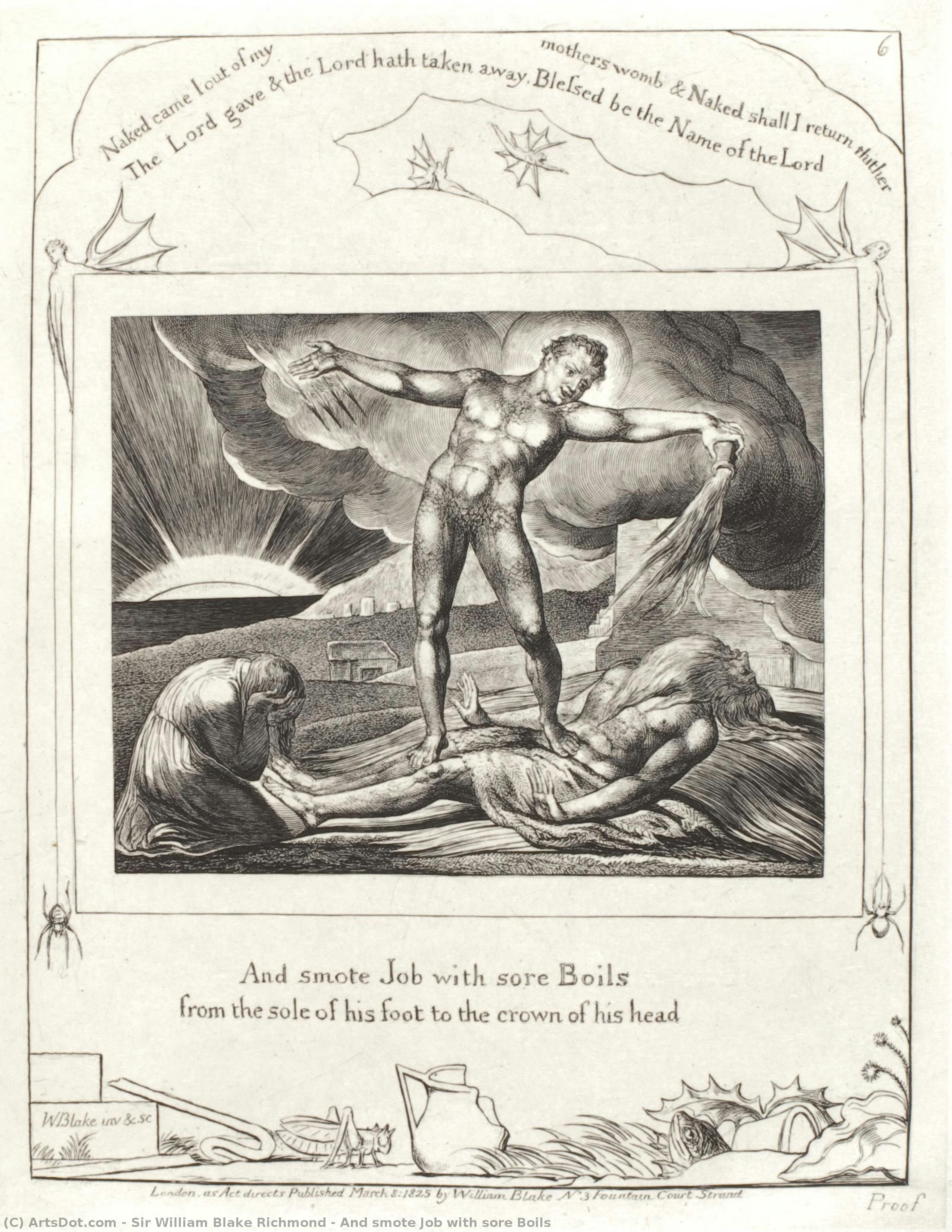
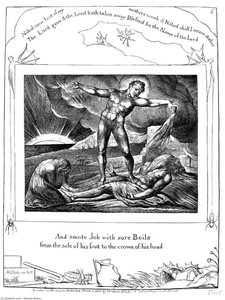
And smote Job with sore Boils


 Read More
Giclée / Art Print
Museum-quality giclée or canvas print with fast production and flexible finish options. ( Buy Hand Made Painting Buy Image)




P118B $10

P118H $10

P118W $10

P438Z $10

P508JH $12

P508YH $12

P805H $10

P805Z $10

P919BZ $10

P919G $10

P919XJ $10

P959ZH $10

P968JZ $12

W106C $8

W218G $10

W218JH $8

W218Y $10

W307PJ $10

W316G $10

W316PJ $8

W316Y $10

W398PJ $8

W4111J $10

W500HY $15

W500JH $15

W692G $12

W849H $8

W940BG $15

W953PJ $8




Pick from our preset sizes that match the artwork's original proportions.

You may enter your own dimensions to fit a specific frame or space. If your selected size does not match the original image's proportions, we will either crop the artwork or extend the image with a mirrored or solid-fill edge. A digital mockup will be sent for your approval before production begins.
Please note that the on-screen preview does not reflect the actual cropping or extension. Only the mockup will accurately show the final composition.
While custom sizes are available, we recommend selecting a dimension from the predefined list to preserve the original proportions.
Worldwide Delivery () in 2 weeks instead of standard 4/5 weeks. (24 August)

Free Worldwide Express Shipping

High-Quality Linen Canvas

Full Shipping Insurance

Customs Tax Refund Guarantee

True Color Matching Guarantee

60-Day Return Policy (Defects Only)

100% Money-Back Guarantee

Bulk Discount Offer
 Glass option is only available in size under 110 CM

And smote Job with sore Boils
Giclée / Art Print
Reproduction Size
-


Total Price
$ 63
Collectible Description
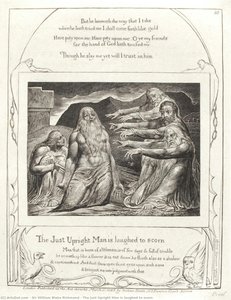
And Smote Job With Sore Boils From The Sole Of His Feet To The Crown Of His Head
Sir William Blake Richmond’s “And Smote Job With Sore Boils From The Sole Of His Feet To The Crown Of His Head,” created in 1825, stands as a poignant emblem of Romantic artistic expression and theological contemplation. This engraving, part of Richmond's ambitious series illustrating the biblical Book of Job, delves into themes of suffering, faith, and divine justice with remarkable detail and emotional resonance—a testament to Richmond’s mastery of printmaking and his profound engagement with literary and philosophical ideas.A Visionary Encounter With Biblical Narrative
Richmond’s artistic journey began amidst the influential milieu of William Blake, whose mystical worldview profoundly shaped young Richmond's aesthetic sensibilities. This connection is palpable in Richmond’s early works—particularly “Abel The Shepherd And Christ And The Woman Of Samaria”—where he skillfully blends fantastical imagery with biblical narratives, mirroring Blake’s penchant for exploring spiritual truths through imaginative storytelling. "And Smote Job With Sore Boils" exemplifies this stylistic fusion, presenting a dramatic depiction of Job's agonizing ordeal as punishment for his unwavering devotion to God.Technique and Detail: Richmond’s Printmaking Skill
Richmond’s technique—specifically mezzotint engraving—was instrumental in achieving the image’s striking tonal range and textural complexity. Mezzotint involves roughening a metal plate with abrasive tools, creating recessed lines that capture light and shadow with exceptional precision. This meticulous process allowed Richmond to render Job's ravaged body with astonishing realism, capturing every fissure and swelling of the boils—a visceral representation of physical torment mirroring Job’s spiritual anguish. The artist’s careful attention to detail extends beyond the depiction of the boils themselves; subtle nuances in shading illuminate the faces of Job’s family members, conveying their sorrowful despair alongside Job's own suffering.Symbolism and Theological Depth
Beyond its visual impact, “And Smote Job With Sore Boils” is laden with symbolic significance. The boils represent not merely physical illness but a deeper affliction—a spiritual disease stemming from Job’s questioning of God’s righteousness. Richmond skillfully portrays this internal struggle through external manifestations, emphasizing the devastating consequences of doubt and the importance of steadfast faith in adversity. The inclusion of figures representing Job's family underscores the universality of suffering and highlights the profound bonds between individuals facing hardship. Furthermore, the landscape—characterized by bleak skies and barren trees—serves as a visual metaphor for Job’s desolate emotional state, reinforcing the engraving’s overarching message about resilience and spiritual fortitude.Emotional Resonance: Capturing The Essence Of Suffering
Richmond's artistic vision transcends mere representation; he strives to evoke an emotional response in the viewer. The engraving’s somber palette—dominated by muted browns and grays—contributes to its atmosphere of despair, mirroring Job’s profound grief and torment. Richmond’s masterful use of chiaroscuro—the interplay of light and shadow—intensifies the dramatic effect, emphasizing Job's vulnerability and highlighting the severity of his suffering. Ultimately, “And Smote Job With Sore Boils” succeeds in conveying the enduring human experience of pain and loss while simultaneously affirming the unwavering power of faith—a timeless masterpiece that continues to inspire contemplation and admiration.- Artist: Sir William Blake Richmond
- Year Created: 1825
- Medium: Mezzotint Engraving
- Style: Romanticism
- Location: Brooklyn Museum
Related Artworks
Artist Biography
early life and influences
sir william blake richmond, a renowned english painter and portraitist, was born on march 28, 1809, in the united kingdom. his early life was marked by his association with the ancients, a group of followers of the visionary poet and artist william blake. this influence can be seen in richmond's early works, such as abel the shepherd and christ and the woman of samaria, exhibited at the royal academy in 1825.career highlights
as richmond matured, he established a successful career as a portrait painter, capturing the essence of british gentry, nobility, and royalty. his work is characterized by its attention to detail and the ability to convey the subject's personality. notable works include trees at bocca d'arno and the crown of peace, showcasing his mastery of romanticism.notable associations and travels
* in 1828, richmond traveled to paris to study art and anatomy, where he spent a winter in the schools and hospitals. * he met beau brummell at calais, exchanging snuff pinches, marking a significant encounter. * his association with lord sidmouth led to valuable counsel and a portrait of the lord, now in the national portrait gallery.legacy and later life
richmond's later life saw a shift towards more conventional portraits, yet his legacy as a pre-eminent portrait painter endures. he passed away on march 19, 1896, leaving behind a body of work that continues to inspire artists and art enthusiasts alike.- view sir william blake richmond's artworks on ArtsDot: https://ArtsDot.com/@/sir-william-blake-richmond
- explore the british council collection, featuring works by renowned artists like morris louis, william larkin, and alison watt: /en/art/show/art-d3ckkb-en/
- discover more about the ancients and their influence on richmond's work: https://en.wikipedia.org/wiki/the_ancients

Sir William Blake Richmond
1809 - 1896 , United Kingdom
Quick Facts
- Artistic Movement Or Style: Romanticism
- Artists Or Movements Influenced By This Artist: ['Pre-Raphaelitism']
- Artists Who Influenced This Artist: ['William Blake']
- Date Of Birth: March 28, 1809
- Date Of Death: March 19, 1896
- Full Name: Sir William Blake Richmond
- Nationality: British
- Notable Artworks:
- Trees at Bocca d'Arno
- The Crown of Peace
- Place Of Birth: Brompton, United Kingdom
Related Articles
Sir William Blake Richmond: A Visionary of Aestheticism & Symbolism
Explore the life & art of Sir William Blake Richmond, a pivotal figure bridging Pre-Raphaelitism and Aestheticism. Discover his stunning portraits, mosaics at St Paul's Cathedral, and lasting influence on Victorian art.

William Blake: Romantic Visionary & Mystical Genius of the Imagination
Explore the mystical art & poetic genius of William Blake (1757-1827). Discover his revolutionary illuminated printing, rich symbolism, and lasting influence on Romanticism. Find handmade reproductions at ArtsDot.
The Refined Aesthetic of Victorian Illustration: A Study in Narrative & Technique
Explore the captivating world of Victorian illustration! Discover Pre-Raphaelite influences, key artists like Rossetti & Stephens, and the era's rich narrative detail. A deep dive for art enthusiasts.

Angelo Chiacchio: A Mid-Century American Illustration Master & the Rise of Commercial Art
Explore the captivating world of Angelo Chiacchio, a master of mid-century American illustration. Discover his evolution, signature style, and lasting impact on commercial art & design. Learn about his legacy at the Museum of American Illustration.
Kay Rasmus Nielsen: A Golden Age Illustrator's Enchanting Legacy of Symbolism & Narrative
Explore the captivating world of Kay Rasmus Nielsen, a celebrated Golden Age illustrator renowned for his Art Nouveau fairy tale art & Disney contributions. Discover his unique style, enduring legacy, and how to collect his enchanting works.