 Preview
 Send
Send Share
Share
 Details

 Download
 Similars
 X-Ray
X-Ray Diaporama
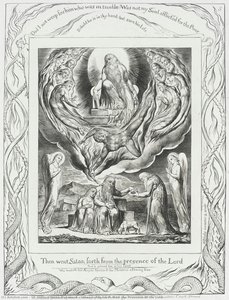
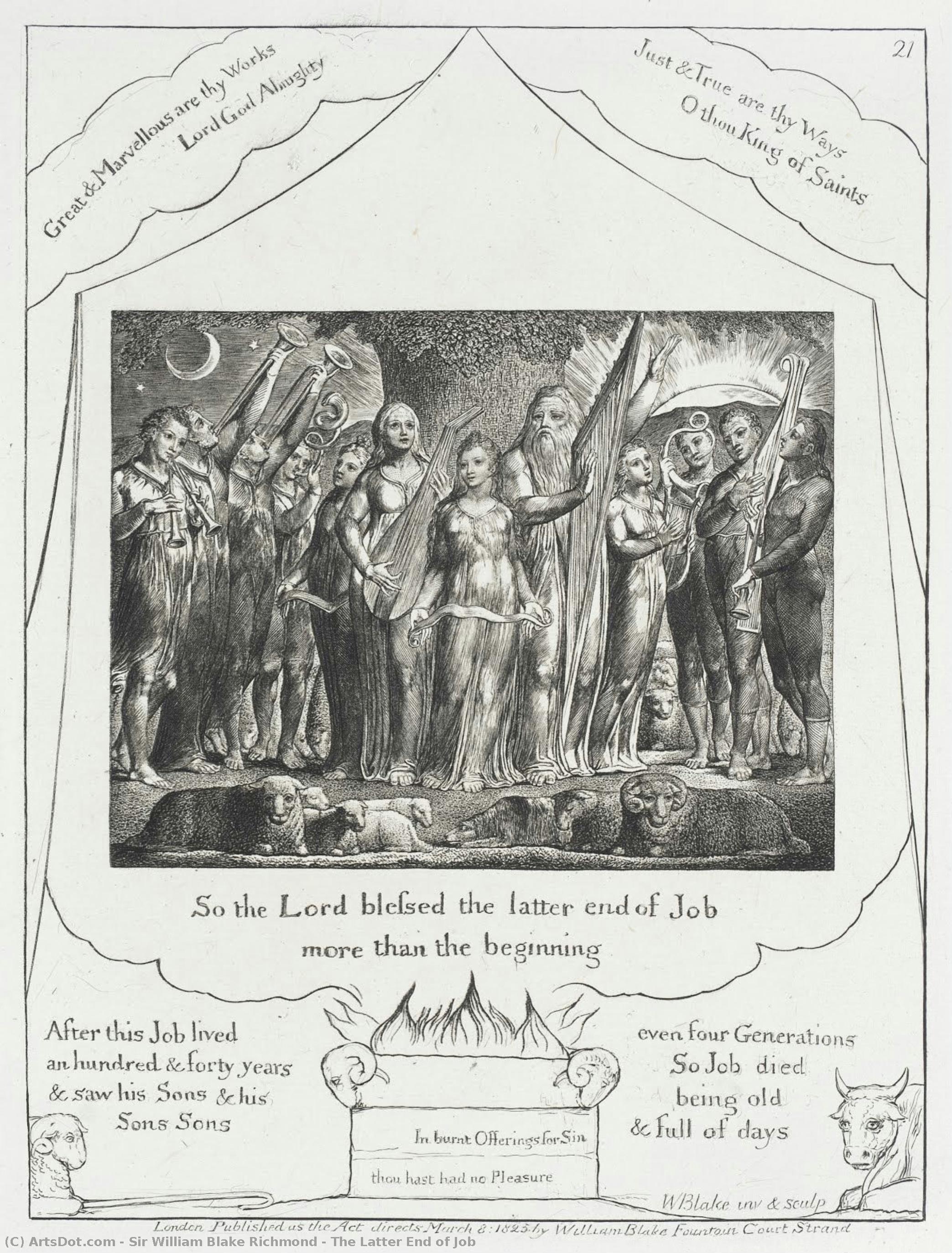
The Latter End of Job
 Engraving
- WallArt
- Romanticism
 1825
1825- 19th Century
 19.0 x 14.0 cm
 Los Angeles County Museum of Art
 Read More
Hand Made Oil Reproduction
Hand-painted oil on canvas in your size and frame, made to order by our artists. ( Buy Print Buy Image)




P118B $10

P118H $10

P118W $10

P438Z $10

P508JH $12

P508YH $12

P805H $10

P805Z $10

P919BZ $10

P919G $10

P919XJ $10

P959ZH $10

P968JZ $12

W106C $8

W218G $10

W218JH $8

W218Y $10

W307PJ $10

W316G $10

W316PJ $8

W316Y $10

W398PJ $8

W4111J $10

W500HY $15

W500JH $15

W692G $12

W849H $8

W940BG $15

W953PJ $8




Pick from our preset sizes that match the artwork's original proportions.

You may enter your own dimensions to fit a specific frame or space. If your selected size does not match the original image's proportions, we will either crop the artwork or extend the painting with additional hand-painted elements. A digital mockup will be sent for your approval before production begins.
Please note that the on-screen preview does not reflect the actual cropping or extension. Only the mockup will accurately show the final composition.
While custom sizes are available, we recommend selecting a dimension from the predefined list to preserve the original proportions.
After order, ArtsDot.com team will email client for instructions and provide a mockup preview
Worldwide Delivery () in 3/4 weeks instead of standard 5 weeks. (25 August). No compromise on quality.

Free Worldwide Express Shipping

High-Quality Linen Canvas

Full Shipping Insurance

Customs Tax Refund Guarantee

True Color Matching Guarantee

60-Day Return Policy (Defects Only)

100% Money-Back Guarantee

Bulk Discount Offer
 Glass option is only available in size under 110 CM

The Latter End of Job
Reproduction Medium
Reproduction Size
-


Total Price
$ 538
Artwork Description
A Visionary Encounter with the Divine
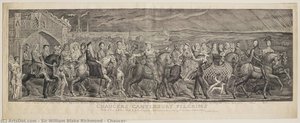
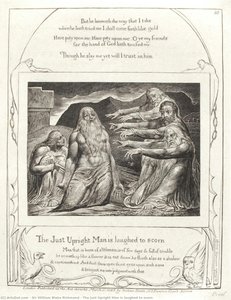
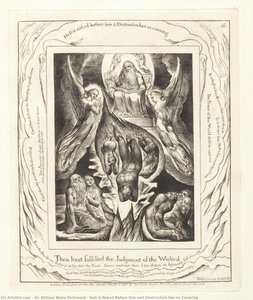
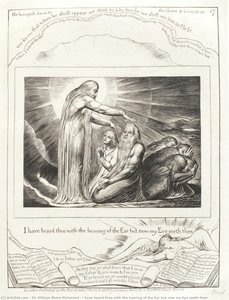
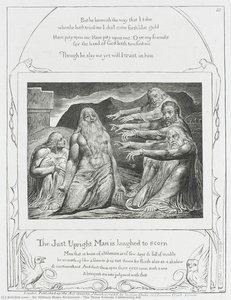
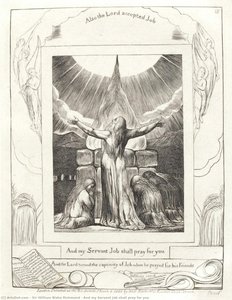
In the hauntingly beautiful engraving The Latter End of Job, created in 1825 by the English master Sir William Blake Richmond, we are transported to a realm where the biblical and the ethereal converge. This intricate work serves as a profound window into the climax of Job's spiritual journey, capturing that pivotal moment of restoration and divine encounter. The composition is a dense, masterful tapestry of figures and architectural grandeur, pulling the viewer into a ceremonial setting that feels both ancient and timeless. As we gaze upon the robed figures gathered before an ornate structure, there is an undeniable sense of gravity and sacredness, as if we are witnessing a ritual frozen in the amber of history. The presence of a solitary dog at the periphery adds a touch of grounded, earthly reality to an otherwise celestial scene, reminding us that even amidst divine revelation, the domestic and the mundane remain present.
The technical prowess displayed in this piece is nothing short of extraordinary, showcasing the meticulous discipline of early 19th-century printmaking. Utilizing the delicate yet powerful medium of etching and engraving, Richmond employs a sophisticated language of hatching and cross-hatching to sculpt light from darkness. The grayscale palette is not merely a lack of color, but a deliberate choice to emphasize texture, form, and dramatic contrast. Every line serves a purpose, defining the heavy folds of ceremonial robes, the rugged textures of the architectural elements, and the subtle interplay of shadow that lends the scene its profound depth. For the discerning collector or interior designer, this piece offers a sophisticated monochromatic elegance that can anchor a room with its intellectual weight and classical prestige.
Symbolism and the Romantic Spirit
Beyond its technical brilliance, The Latter End of Job is steeped in a rich symbolic vocabulary characteristic of the Romantic era. The inclusion of celestial motifs—crescent moons and stars—interwoven within decorative borders suggests a cosmic scale to the narrative, implying that Job's personal suffering and subsequent redemption are reflected in the very movements of the heavens. The flag atop the central structure acts as a beacon of faith, signaling a triumph over the tribulations depicted in the earlier chapters of his biblical saga. This interplay between the geometric precision of the architecture and the organic, flowing forms of the human figures creates a visual tension that mirrors the struggle between earthly hardship and divine grace.
To possess a reproduction of this work is to invite a piece of art history into one's personal sanctuary. It is an invitation to contemplate themes of resilience, faith, and the cyclical nature of life. For those seeking to curate a space that evokes contemplation and intellectual depth, Richmond’s work provides an unparalleled emotional resonance. The stark contrasts and intricate details demand close inspection, rewarding the viewer with new layers of meaning upon every encounter. Whether placed in a library, a study, or a grand gallery, this engraving stands as a testament to the enduring power of storytelling through the fine art of line and shadow.
Related Artworks
Artist Biography
early life and influences
sir william blake richmond, a renowned english painter and portraitist, was born on march 28, 1809, in the united kingdom. his early life was marked by his association with the ancients, a group of followers of the visionary poet and artist william blake. this influence can be seen in richmond's early works, such as abel the shepherd and christ and the woman of samaria, exhibited at the royal academy in 1825.career highlights
as richmond matured, he established a successful career as a portrait painter, capturing the essence of british gentry, nobility, and royalty. his work is characterized by its attention to detail and the ability to convey the subject's personality. notable works include trees at bocca d'arno and the crown of peace, showcasing his mastery of romanticism.notable associations and travels
* in 1828, richmond traveled to paris to study art and anatomy, where he spent a winter in the schools and hospitals. * he met beau brummell at calais, exchanging snuff pinches, marking a significant encounter. * his association with lord sidmouth led to valuable counsel and a portrait of the lord, now in the national portrait gallery.legacy and later life
richmond's later life saw a shift towards more conventional portraits, yet his legacy as a pre-eminent portrait painter endures. he passed away on march 19, 1896, leaving behind a body of work that continues to inspire artists and art enthusiasts alike.- view sir william blake richmond's artworks on ArtsDot: https://ArtsDot.com/@/sir-william-blake-richmond
- explore the british council collection, featuring works by renowned artists like morris louis, william larkin, and alison watt: /en/art/show/art-d3ckkb-en/
- discover more about the ancients and their influence on richmond's work: https://en.wikipedia.org/wiki/the_ancients
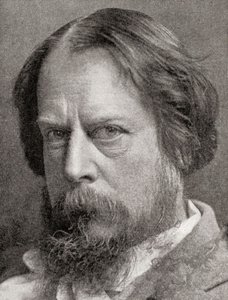
Sir William Blake Richmond
1809 - 1896 , United Kingdom
Quick Facts
- Artistic Movement Or Style: Romanticism
- Artists Or Movements Influenced By This Artist: ['Pre-Raphaelitism']
- Artists Who Influenced This Artist: ['William Blake']
- Date Of Birth: March 28, 1809
- Date Of Death: March 19, 1896
- Full Name: Sir William Blake Richmond
- Nationality: British
- Notable Artworks:
- Trees at Bocca d'Arno
- The Crown of Peace
- Place Of Birth: Brompton, United Kingdom
Related Articles

The Refined Aesthetic of Victorian Illustration: A Study in Narrative & Technique
Explore the captivating world of Victorian illustration! Discover Pre-Raphaelite influences, key artists like Rossetti & Stephens, and the era's rich narrative detail. A deep dive for art enthusiasts.
Sir William Blake Richmond: A Visionary of Aestheticism & Symbolism
Explore the life & art of Sir William Blake Richmond, a pivotal figure bridging Pre-Raphaelitism and Aestheticism. Discover his stunning portraits, mosaics at St Paul's Cathedral, and lasting influence on Victorian art.
Engraving's Golden Age: 10 Masterpieces That Redefined Art | ArtsDot
Journey through art history with our Top 10 Legendary Engravings! Explore masterpieces by Dürer, Rembrandt & Goya. Discover the stories behind these iconic prints and find museum-quality reproductions for your home at ArtsDot.com.

Hablot Knight Browne: Phiz & the Victorian Social Canvas – A Critical Legacy
Explore the life & art of Hablot Knight Browne ('Phiz'), Dickens's iconic illustrator. Discover his masterful social commentary, technical innovations, and enduring legacy in Victorian illustration. A critical examination for history lovers.

William Blake: Romantic Visionary & Mystical Genius of the Imagination
Explore the mystical art & poetic genius of William Blake (1757-1827). Discover his revolutionary illuminated printing, rich symbolism, and lasting influence on Romanticism. Find handmade reproductions at ArtsDot.