

 Preview
 Send
Send Share
Share
 Details

 Download
 Similars
 X-Ray
X-Ray Diaporama
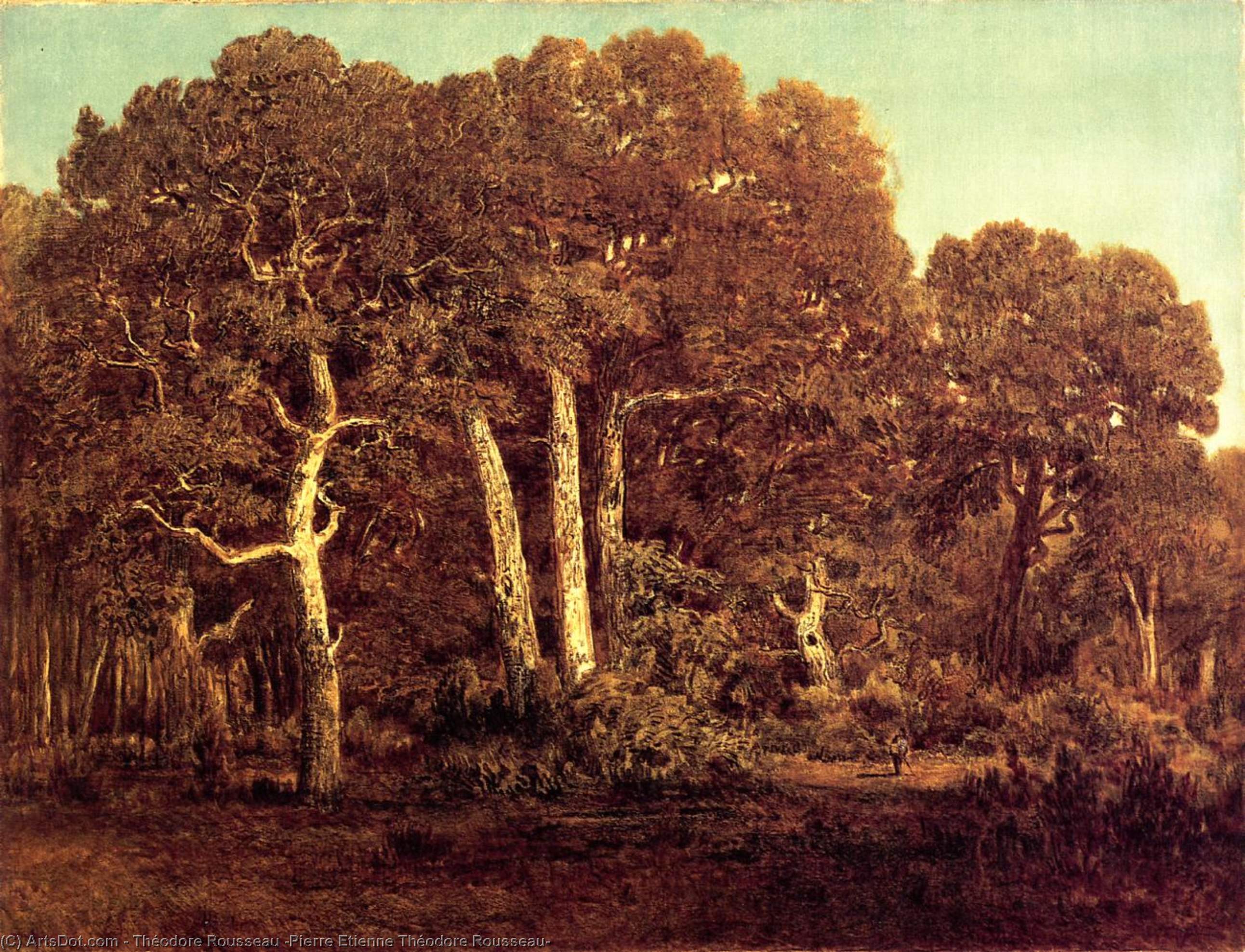
The Great Oaks of the Vieux Bas-Breau


 Read More
Purchase a high-resolution, enhanced digital image, far superior to the online preview.
Each file is meticulously prepared by our in-house specialists using advanced tools and expert manual retouching. We ensure every image has exceptional clarity, precise color accuracy, and fine detail.
The final file is delivered via email within 72 hours, optimized for immediate use in professional, editorial, and print environments. This is the same quality trusted by top-tier design studios, publishers, and galleries.
Digital Image
Download a high-resolution file for personal display, printing, and creative projects. ( Buy Print Buy Hand Made Painting)
Included in Every Digital Image Order
Expert Digital Delivery, Guaranteed
When you choose ArtsDot.com, you're not just getting an image - you're receiving a professionally enhanced digital artwork, crafted with precision and backed by a satisfaction guarantee. Here's everything that comes with your order, automatically:

Fast Email Delivery
Your high-resolution digital image file will be emailed to you within 72 hours of ordering - ready for immediate use.

AI-Enhanced Digital File
Your artwork is professionally optimized using advanced AI tools and manual editing, ensuring maximum detail, clarity, and color accuracy.

Free Lifetime Re-Delivery
Accidentally deleted or lost your file? No worries - we'll resend it to you anytime, free of charge.

No Import Fees - Ever
Enjoy your artwork instantly with zero customs, duties, or delivery fees - digital downloads are always tax-free.

Color Accuracy Guarantee
We ensure your digital image reflects the original colors as closely as possible using professional tools and color management.

60-Day Satisfaction Guarantee
If you're not satisfied with your digital image, we'll revise it or refund 100% within 60 days - no questions asked.

100% Money-Back Guarantee
Not satisfied? Get a full refund within 60 days of receiving your digital file - no questions asked.

Bulk Order Discounts
Buy 3 images, save 10% - Buy 5, save 15% - Buy 10+, save 20%. Great for creative projects, galleries, and agencies.
A Window into a Verdant Soul: Exploring Théodore Rousseau’s “The Great Oaks of the Vieux Bas-Breau”
Théodore Rousseau's "The Great Oaks of the Vieux Bas-Breau," painted in 1864, isn’t merely a landscape; it’s an immersion. This monumental oil on canvas transports us to a secluded grove within the French countryside, a place where light and shadow dance amongst towering trees and a subtle human presence hints at the enduring connection between humanity and nature. The painting immediately evokes a sense of profound tranquility, a feeling intensified by Rousseau's masterful manipulation of color, texture, and atmospheric perspective – hallmarks of the Barbizon School’s dedication to capturing the essence of rural life.
Rousseau, a key figure in this influential artistic movement, rejected the polished surfaces and idealized forms favored by earlier academic painters. Instead, he embraced a more direct approach, working *en plein air* (outdoors) to intimately observe and record the nuances of light and texture on canvas. This commitment is strikingly evident here; the brushstrokes are loose and expressive, building up layers of color with a palpable physicality. The trees themselves aren’t rendered as static forms but rather as dynamic entities, their rough bark and intricate foliage brought to life through careful observation and skillful application of paint. The artist's deliberate use of impasto – thick applications of paint – adds an incredible tactile quality, inviting the viewer to almost reach out and touch the weathered surface of the ancient oaks.
Decoding the Composition: Depth, Scale, and a Hint of Humanity
The composition is deliberately layered, creating a powerful sense of depth. The foreground explodes with a dense array of trees, each varying in size and form, drawing the eye into the heart of the forest. These towering giants dominate the scene, their verticality reinforcing a feeling of grandeur and timelessness. A small figure, positioned near the lower right corner, provides a crucial element of scale – a solitary observer lost within this vast natural expanse. This subtle inclusion isn’t about depicting a specific individual; rather, it serves to remind us of our own place within the larger tapestry of nature, prompting contemplation on human insignificance and the enduring power of the wilderness.
The use of color is equally significant. Rousseau employs a muted palette – predominantly greens, browns, and grays – creating an atmosphere of subdued light and shadow. The dappled sunlight filtering through the canopy casts long, dramatic shadows across the forest floor, adding to the painting’s sense of mystery and depth. Notice how he subtly shifts tones to suggest distance; the background trees appear paler and less defined, further enhancing the illusion of space.
A Barbizon Masterpiece: Context and Symbolism
“The Great Oaks of the Vieux Bas-Breau” is firmly rooted in the Barbizon School’s philosophy – a reaction against the rigid conventions of academic art. The Barbizon painters sought to capture the spirit of rural life, emphasizing the beauty and dignity of nature. Rousseau's work reflects this ethos, celebrating the raw power and inherent spirituality of the landscape. The title itself, “The Great Oaks of the Vieux Bas-Breau,” hints at a specific location – an area in France known for its ancient trees – adding a layer of historical context and grounding the painting within a tangible place.
Beyond its aesthetic qualities, the painting carries symbolic weight. Forests have long been associated with mystery, wisdom, and the subconscious mind. Here, Rousseau invites us to contemplate our relationship with nature, prompting questions about our role in the natural world and the importance of preserving these precious landscapes for future generations. The solitary figure serves as a reminder of humanity’s connection to this ancient realm.
Bringing “The Great Oaks” Home: Reproductions and Artistic Legacy
Reproductions of "The Great Oaks of the Vieux Bas-Breau" offer a remarkable opportunity to bring this iconic artwork into your home or office. ArtsDot.com offers meticulously crafted, hand-painted oil reproductions that faithfully capture the painting’s original beauty and atmosphere. These high-quality reproductions are not merely copies; they are works of art in their own right, celebrating Rousseau's legacy and ensuring that this timeless masterpiece continues to inspire for generations to come. For those seeking a deeper understanding of Rousseau and the Barbizon School, resources like Wikipedia and the links provided offer valuable insights into his life, work, and artistic influences.
Related Artworks
Artist Biography
Théodore Rousseau: The Soul of the Forest
Étienne Pierre Théodore Rousseau (1812-1867) stands as a cornerstone of French Barbizon School painting, an artistic movement that championed realism and celebrated the grandeur of rural landscapes. Born in Paris to a bourgeois family, Rousseau’s early life was marked by a father who initially resisted his son's passion for art – a sentiment that ultimately softened as he witnessed Rousseau’s unwavering dedication to his craft. This familial support proved crucial as Rousseau navigated the turbulent waters of Parisian artistic circles and faced repeated rebuffs from the Salon authorities, institutions notoriously resistant to avant-garde ideas.- Early Training & Influences: Rousseau's initial artistic education was modest, yet he quickly demonstrated exceptional talent. Recognizing his aptitude, his father encouraged him to pursue painting seriously, prioritizing it over business ventures. He absorbed influences from artists like Jean-François Millet and Eugène Delacroix, whose depictions of peasant life and dramatic landscapes respectively instilled in him a profound appreciation for capturing the essence of nature.
- The Barbizon School & Artistic Philosophy: Rousseau’s artistic vision centered on portraying the natural world with uncompromising accuracy. Rejecting idealized representations favored by Romanticism, he embraced the Barbizon aesthetic – characterized by muted colors, sketchy brushwork, and a focus on atmospheric perspective—to convey the emotional impact of landscapes. He believed that art should serve as a conduit for observing and understanding nature, mirroring its sublime beauty.
- Notable Paintings: Rousseau achieved considerable fame during his lifetime, securing commissions from prominent patrons and exhibiting regularly at the Salon. Among his most celebrated paintings are “The Great Oaks of the Vieux Bas-Breau,” a monumental depiction of ancient trees bathed in golden light; "View of the Puy de Dome and Royat," showcasing a breathtaking sunset over the volcanic peaks of France; and “La Grenouillère” – a poignant portrayal of a picnic scene on the Loire River, imbued with melancholic beauty.
- Influence on Impressionism: Rousseau’s unwavering commitment to realism profoundly impacted subsequent artistic movements. Although he predated Impressionism, his pioneering approach to landscape painting paved the way for artists like Claude Monet and Pierre-Auguste Renoir who sought to capture fleeting moments of light and color—a departure from Rousseau's meticulous observation of natural phenomena.
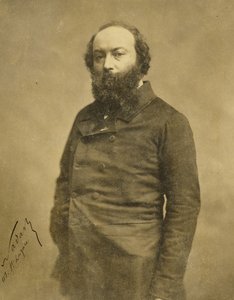
théodore rousseau (pierre etienne théodore rousseau)
1812 - 1867 , France
Quick Facts
- Artistic Movement Or Style: Barbizon School
- Artists Or Movements Influenced By This Artist: ['Impressionism']
- Artists Who Influenced This Artist: ['Jean-François Millet']
- Date Of Birth: April 15, 1812
- Date Of Death: December 22, 1867
- Full Name: Étienne Pierre Théodore Rousseau
- Nationality: French
- Notable Artworks:
- Les Chênes d'Apremont
- The Great Oaks of the Vieux Bas-Breau
- Place Of Birth: Paris, France

