 Preview
 Send
Send Share
Share
 Details

 Download
 Similars
 X-Ray
X-Ray Diaporama
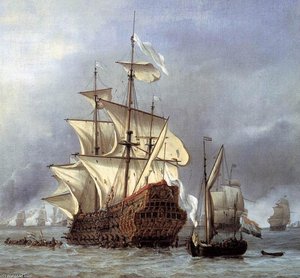
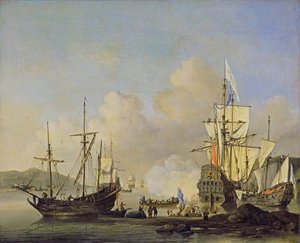
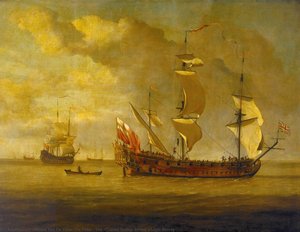
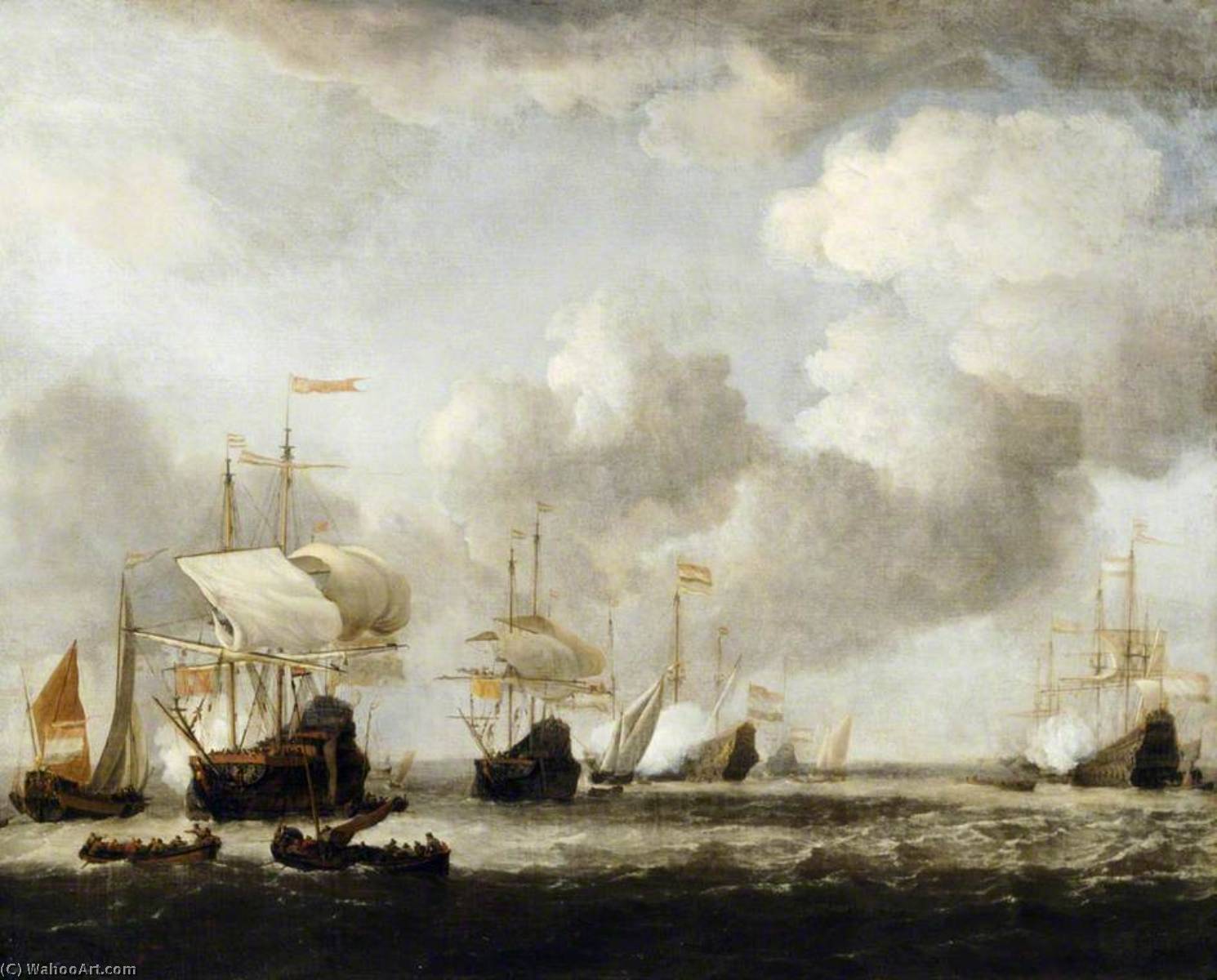
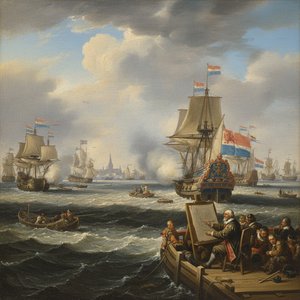
A Dutch Fleet Coming to Anchor in a Breeze
 Oil
Oil- WallArt
- Baroque Maritime Scene
 1665
1665- Early Modern
 63.0 x 79.0 cm
 English Heritage
 Read More
Giclée / Art Print
Museum-quality giclée or canvas print with fast production and flexible finish options. ( Buy Hand Made Painting Buy Image)




P118B $10

P118H $10

P118W $10

P438Z $10

P508JH $12

P508YH $12

P805H $10

P805Z $10

P919BZ $10

P919G $10

P919XJ $10

P959ZH $10

P968JZ $12

W106C $8

W218G $10

W218JH $8

W218Y $10

W307PJ $10

W316G $10

W316PJ $8

W316Y $10

W398PJ $8

W4111J $10

W500HY $15

W500JH $15

W692G $12

W849H $8

W940BG $15

W953PJ $8




Pick from our preset sizes that match the artwork's original proportions.

You may enter your own dimensions to fit a specific frame or space. If your selected size does not match the original image's proportions, we will either crop the artwork or extend the image with a mirrored or solid-fill edge. A digital mockup will be sent for your approval before production begins.
Please note that the on-screen preview does not reflect the actual cropping or extension. Only the mockup will accurately show the final composition.
While custom sizes are available, we recommend selecting a dimension from the predefined list to preserve the original proportions.
Worldwide Delivery () in 2 weeks instead of standard 4/5 weeks. (29 August)

Free Worldwide Express Shipping

High-Quality Linen Canvas

Full Shipping Insurance

Customs Tax Refund Guarantee

True Color Matching Guarantee

60-Day Return Policy (Defects Only)

100% Money-Back Guarantee

Bulk Discount Offer
 Glass option is only available in size under 110 CM

A Dutch Fleet Coming to Anchor in a Breeze
Giclée / Art Print
Reproduction Size
-


Total Price
$ 63
A Symphony of Sails: The Serenity of the Dutch Golden Age
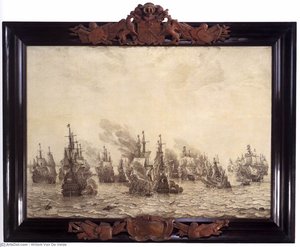
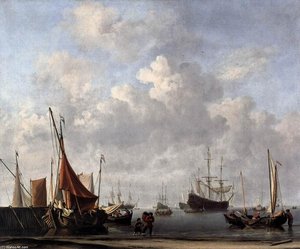
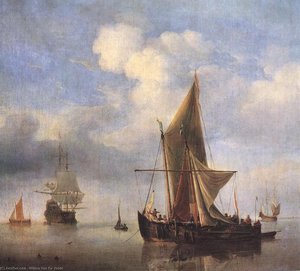
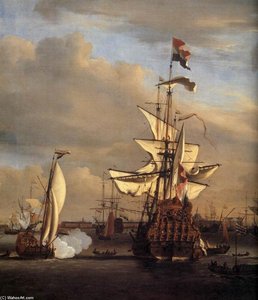
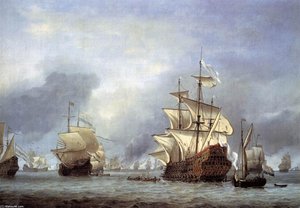
In the vast, shimmering expanse of Willem van de Velde the Elder’s A Dutch Fleet Coming to Anchor in a Breeze, we are invited to witness a moment of profound maritime grace. Painted in 1665, during the height of the Dutch Golden Age, this masterpiece captures more than just a naval maneuver; it captures the very soul of a nation defined by its relationship with the sea. The scene unfolds with an exquisite sense of order, as a majestic fleet of at least thirteen vessels glides across the water, their sails partially furled in preparation for rest. There is a rhythmic, almost musical quality to the arrangement of the ships, which recede into the distance to create a breathtaking sense of atmospheric depth and scale.
The artistry lies in the delicate balance between movement and stillness. While the breeze is palpable in the gentle ripples of the water and the soft billowing of the remaining canvas, an overwhelming sense of calm prevails. Van de Velde, a master of the seascape, utilizes a sophisticated command of light to illuminate the scene, casting a pearlescent glow over the hulls and rigging. The tiny, meticulously rendered figures of sailors scattered across the decks serve as vital anchors for the viewer's eye, providing a human scale to the monumental task of anchoring such a formidable fleet. This interplay between the immense power of the maritime vessels and the quiet, individual lives aboard them creates a narrative of collective purpose and peaceful transition.
Mastery of Technique and Historical Grandeur
To behold this work is to appreciate the technical brilliance of one of the era's most significant marine artists. Van de Velde the Elder was renowned for his precision, a skill likely honed by his maritime lineage. In this painting, his ability to render the complex textures of wood, rope, and wind-swept fabric is nothing short of extraordinary. The artist employs a subtle palette of blues, greys, and warm ochres, allowing the natural light of the North Sea to dictate the mood. His mastery of perspective ensures that each ship, from the towering foreground vessels to the ghostly silhouettes on the horizon, occupies its rightful place in a three-dimensional world.
For the discerning collector or interior designer, this piece offers a timeless elegance that transcends eras. It is an artwork that commands attention through its quiet dignity rather than through loud, jarring colors. Incorporating a high-quality reproduction of this work into a curated space—be it a sophisticated study, a coastal retreat, or a grand living hall—introduces an element of historical prestige and contemplative peace. The painting does not merely decorate a wall; it opens a window onto a vanished world of exploration and maritime triumph, making it an evocative centerpiece for any collection dedicated to the beauty of classical realism.
Related Artworks

Artist Biography
early life and career
willem van de velde the elder, a renowned dutch golden age seascape painter, was born in leiden, netherlands, around 1611. his father, willem willemsz van de velde, was a flemish skipper, which likely influenced his son's interest in maritime art.artistic style and technique
van de velde's work is characterized by its precision and attention to detail. he pioneered the technique of pen painting (penschilderij), which involved creating detailed, durable artworks using ink on panel or canvas. this innovative approach allowed his pieces to resemble elaborate drawings while maintaining the durability of a painting.notable works and collaborations
* the battle of texel, 1687 (oil on canvas) * the burning of the royal james at the battle of solebay (drawing) * collaboration with charles ii of england, producing paintings of british ships and naval battlesmuseums and collections featuring van de velde's work
* the mauritshuis, netherlands (features dutch golden age paintings, including works by van de velde) * the kremer collection, the hague, netherlands (a private art museum with a focus on 17th-century dutch and flemish paintings)- view willem van de velde the elder's artwork on ArtsDot.com
- explore more dutch golden age artists, including rembrandt van rijn, on ArtsDot.com's artist page
- discover the mauritshuis's collection, featuring works by willem van de velde the elder, on ArtsDot.com's museum page
legacy and impact
willem van de velde the elder's contributions to dutch golden age seascape painting are undeniable. his innovative techniques, attention to detail, and collaborations with prominent figures have solidified his place in art history. the museum universiteitsbibliotheek (leiden, netherlands) - a comprehensive guide on ArtsDot.com provides further insight into the cultural context of van de velde's work.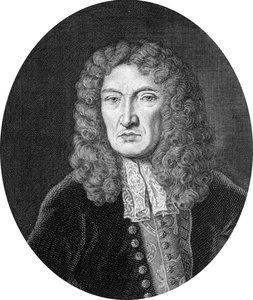
Willem van de Velde the Elder
1611 - 1693 , Netherlands
Quick Facts
- Artistic Movement Or Style: Pen painting, Seascape
- Artists Or Movements Influenced By This Artist: ['Willem van de Velde the Younger']
- Artists Who Influenced This Artist: ['His father (Willem Willemsz)']
- Date Of Birth: 1611, Leiden, Netherlands
- Date Of Death: 1693, London, England
- Full Name: Willem van de Velde the Elder
- Nationality: Dutch Golden Age
- Notable Artworks:
- The Battle of Texel
- Burning of James
- Place Of Birth: Leiden, Netherlands
Related Articles
Willem van de Velde the Elder: Master of Maritime Painting & Chronicler of the Dutch Golden Age
Discover the captivating maritime paintings of Willem van de Velde the Elder, a master chronicler of the Dutch Golden Age. Explore his unparalleled realism and lasting influence on naval art history.

Dutch Baroque Masters: 10 Paintings That Shaped an Era | ArtsDot
Journey through the Golden Age with our guide to the Top 10 Dutch Baroque masterpieces! Explore iconic paintings by Rembrandt, Vermeer & Frans Hals. Find museum-quality art reproductions and elevate your home decor at ArtsDot.com.

Rembrandt's Masterpieces: Explore 25 Iconic Paintings & Prints | ArtsDot
Journey through Rembrandt van Rijn's 25 most iconic paintings & etchings. Explore Dutch Golden Age masterpieces, dramatic chiaroscuro, and timeless portraits. Find museum-quality art reproductions to elevate your home decor on ArtsDot.com.

Goya's Masterpieces: Explore 25 Iconic Paintings & Art Prints | ArtsDot
Delve into the world of Francisco Goya with ArtsDot. Explore 25 iconic paintings – from 'The Third of May' to his haunting Black Paintings. Discover the stories, techniques & emotions behind these Spanish masterpieces. Find museum-quality art reproductions for your home at ArtsDot.com!

Golden Age Reflections: Dutch Baroque Painting & Cultural Innovation
Explore the Dutch Golden Age of painting! Discover key artists like Vermeer & ter Borch, their innovative techniques, and the rich cultural context behind these Baroque masterpieces. Learn about collecting & appreciating this iconic art period.