 Preview
 Send
Send Share
Share
 Details

 Download
 Similars
 X-Ray
X-Ray Diaporama
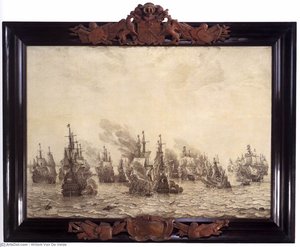
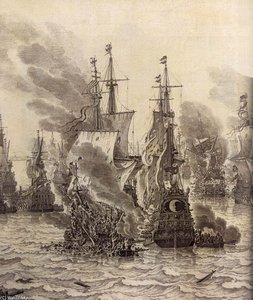
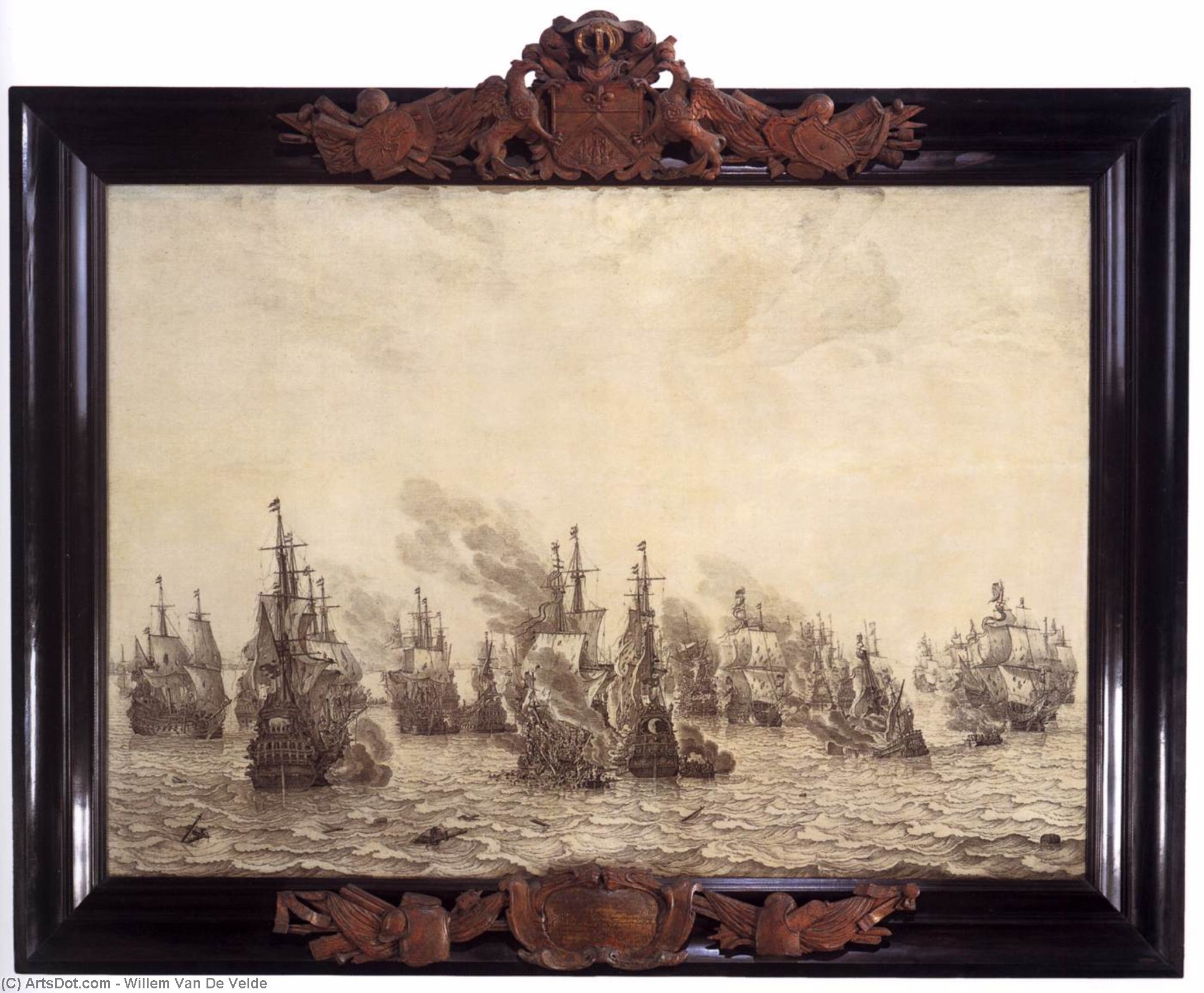
The Battle of Livorno
 Acrylic
- WallArt
- Pen Painting Seascape
 1654
1654 114.0 x 160.0 cm
 Rijksmuseum
 Read More
Giclée / Art Print
Museum-quality giclée or canvas print with fast production and flexible finish options. ( Buy Hand Made Painting Buy Image)




P118B $10

P118H $10

P118W $10

P438Z $10

P508JH $12

P508YH $12

P805H $10

P805Z $10

P919BZ $10

P919G $10

P919XJ $10

P959ZH $10

P968JZ $12

W106C $8

W218G $10

W218JH $8

W218Y $10

W307PJ $10

W316G $10

W316PJ $8

W316Y $10

W398PJ $8

W4111J $10

W500HY $15

W500JH $15

W692G $12

W849H $8

W940BG $15

W953PJ $8




Pick from our preset sizes that match the artwork's original proportions.

You may enter your own dimensions to fit a specific frame or space. If your selected size does not match the original image's proportions, we will either crop the artwork or extend the image with a mirrored or solid-fill edge. A digital mockup will be sent for your approval before production begins.
Please note that the on-screen preview does not reflect the actual cropping or extension. Only the mockup will accurately show the final composition.
While custom sizes are available, we recommend selecting a dimension from the predefined list to preserve the original proportions.
Worldwide Delivery () in 2 weeks instead of standard 4/5 weeks. (4 September)

Free Worldwide Express Shipping

High-Quality Linen Canvas

Full Shipping Insurance

Customs Tax Refund Guarantee

True Color Matching Guarantee

60-Day Return Policy (Defects Only)

100% Money-Back Guarantee

Bulk Discount Offer
 Glass option is only available in size under 110 CM

The Battle of Livorno
Giclée / Art Print
Reproduction Size
-


Total Price
$ 63
A Frozen Moment of Conflict – Willem van de Velde the Elder’s “The Battle of Livorno”
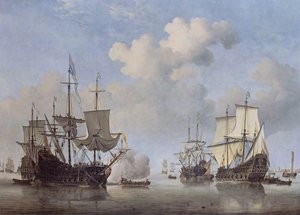
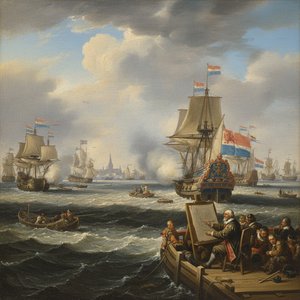
Willem van de Velde the Elder's "The Battle of Livorno," painted in 1654, isn’t merely a depiction of naval combat; it’s a meticulously crafted tableau of controlled chaos. Captured within the confines of an unassuming 114 x 160 cm panel, housed at the Rijksmuseum in Amsterdam, this work transports us to the heart of a pivotal moment during the Anglo-Dutch Wars – a clash of maritime power rendered with astonishing detail and a profound sense of stillness. The painting immediately commands attention not through dramatic action, but through its remarkable restraint. The sails of the ships are furled, suggesting either a strategic pause or a readiness for immediate engagement, creating an unsettling tension that permeates the entire scene.
Pen Painting and the Dutch Golden Age
Van de Velde’s genius lies in his pioneering use of “penschilderij,” a technique that revolutionized maritime art. Rejecting the traditional oil painting methods, he employed ink on panel – a painstaking process demanding incredible precision and patience. This method allowed him to achieve an unparalleled level of detail, capturing the textures of weathered wood, billowing sails, and the intricate rigging with breathtaking accuracy. The result is not simply a representation of ships; it’s a study in their construction, a testament to the engineering prowess of the Dutch Republic's naval fleet. The monochrome palette – primarily shades of grey and black – further enhances this sense of realism, lending the scene an almost photographic quality, characteristic of the Dutch Golden Age.
Consider the subtle variations in tone representing light and shadow, the meticulously rendered ropes and sails, and the individual faces of the sailors. These details weren’t merely decorative; they were integral to Van de Velde's artistic vision, conveying a sense of immediacy and immersion within the scene. The composition itself is carefully balanced, drawing the eye across the canvas from the foreground figures on the shore to the distant ships engaged in battle.
Historical Context: A Clash of Empires
“The Battle of Livorno” was created during a period of intense rivalry between England and the Dutch Republic. The Anglo-Dutch Wars (1652–1654) were fought over trade routes, colonial possessions, and naval dominance. Livorno, a strategically important port in Tuscany, became the stage for one of these crucial engagements on March 4th, 1653. The Dutch victory significantly bolstered their control of the Mediterranean Sea, while simultaneously weakening England’s position. Van de Velde's painting serves as a visual record of this historical event, offering a rare glimpse into the realities of naval warfare during the 17th century.
The inclusion of figures on the shore – likely Dutch soldiers and sailors preparing for action or observing the battle – adds another layer of complexity to the scene. They represent not just participants in the conflict but also the human cost of war, highlighting the personal stakes involved in this struggle for maritime supremacy.
Symbolism and Emotional Resonance
Despite its subject matter—a violent naval engagement—“The Battle of Livorno” possesses a remarkable sense of serenity. The lack of dramatic action, combined with Van de Velde’s meticulous attention to detail, creates an atmosphere of quiet contemplation. The painting doesn't glorify war; instead, it presents it as a complex and unsettling event, demanding careful observation and reflection. It invites the viewer to consider not just the tactical maneuvers but also the human consequences of conflict. The stillness of the ships, poised for action, evokes a sense of anticipation—a frozen moment suspended between peace and chaos.
Reproducing this artwork captures its inherent power – a testament to Van de Velde’s skill and a poignant reminder of a pivotal chapter in European history. ArtsDot offers high-quality reproductions that faithfully recreate the artist's meticulous detail and evocative atmosphere, allowing you to bring this remarkable painting into your home or office.
Related Artworks

Artist Biography
early life and career
willem van de velde the elder, a renowned dutch golden age seascape painter, was born in leiden, netherlands, around 1611. his father, willem willemsz van de velde, was a flemish skipper, which likely influenced his son's interest in maritime art.artistic style and technique
van de velde's work is characterized by its precision and attention to detail. he pioneered the technique of pen painting (penschilderij), which involved creating detailed, durable artworks using ink on panel or canvas. this innovative approach allowed his pieces to resemble elaborate drawings while maintaining the durability of a painting.notable works and collaborations
* the battle of texel, 1687 (oil on canvas) * the burning of the royal james at the battle of solebay (drawing) * collaboration with charles ii of england, producing paintings of british ships and naval battlesmuseums and collections featuring van de velde's work
* the mauritshuis, netherlands (features dutch golden age paintings, including works by van de velde) * the kremer collection, the hague, netherlands (a private art museum with a focus on 17th-century dutch and flemish paintings)- view willem van de velde the elder's artwork on ArtsDot.com
- explore more dutch golden age artists, including rembrandt van rijn, on ArtsDot.com's artist page
- discover the mauritshuis's collection, featuring works by willem van de velde the elder, on ArtsDot.com's museum page
legacy and impact
willem van de velde the elder's contributions to dutch golden age seascape painting are undeniable. his innovative techniques, attention to detail, and collaborations with prominent figures have solidified his place in art history. the museum universiteitsbibliotheek (leiden, netherlands) - a comprehensive guide on ArtsDot.com provides further insight into the cultural context of van de velde's work.
Willem van de Velde the Elder
1611 - 1693 , Netherlands
Quick Facts
- Artistic Movement Or Style: Pen painting, Seascape
- Artists Or Movements Influenced By This Artist: ['Willem van de Velde the Younger']
- Artists Who Influenced This Artist: ['His father (Willem Willemsz)']
- Date Of Birth: 1611, Leiden, Netherlands
- Date Of Death: 1693, London, England
- Full Name: Willem van de Velde the Elder
- Nationality: Dutch Golden Age
- Notable Artworks:
- The Battle of Texel
- Burning of James
- Place Of Birth: Leiden, Netherlands
Related Articles
Willem van de Velde the Elder: Master of Maritime Painting & Chronicler of the Dutch Golden Age
Discover the captivating maritime paintings of Willem van de Velde the Elder, a master chronicler of the Dutch Golden Age. Explore his unparalleled realism and lasting influence on naval art history.

Goya's Masterpieces: Explore 25 Iconic Paintings & Art Prints | ArtsDot
Delve into the world of Francisco Goya with ArtsDot. Explore 25 iconic paintings – from 'The Third of May' to his haunting Black Paintings. Discover the stories, techniques & emotions behind these Spanish masterpieces. Find museum-quality art reproductions for your home at ArtsDot.com!

Rembrandt's Masterpieces: Explore 25 Iconic Paintings & Prints | ArtsDot
Journey through Rembrandt van Rijn's 25 most iconic paintings & etchings. Explore Dutch Golden Age masterpieces, dramatic chiaroscuro, and timeless portraits. Find museum-quality art reproductions to elevate your home decor on ArtsDot.com.
The Allure of the Horizon: A Comprehensive Exploration of Seascape Art Through History & Emotion
Explore the captivating world of seascape art! Discover its history, key artists & movements – from Dutch Masters to Impressionism. Expert insights for collectors and enthusiasts at ArtsDot.

About Us
Discover our story! We bring world-class art into your life through expert curation, personalized creations, and free previews. Trusted by individuals and businesses since 2000.