 Preview
 Send
Send Share
Share
 Details

 Download
 Similars
 X-Ray
X-Ray Diaporama
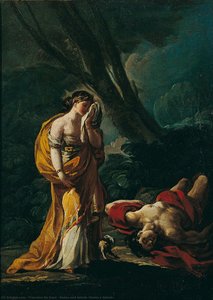
“Birth of Adonis” and “Death of Adonis”


 Read More
Giclée / Art Print
Museum-quality giclée or canvas print with fast production and flexible finish options. ( Buy Hand Made Painting Buy Image)




P118B $10

P118H $10

P118W $10

P438Z $10

P508JH $12

P508YH $12

P805H $10

P805Z $10

P919BZ $10

P919G $10

P919XJ $10

P959ZH $10

P968JZ $12

W106C $8

W218G $10

W218JH $8

W218Y $10

W307PJ $10

W316G $10

W316PJ $8

W316Y $10

W398PJ $8

W4111J $10

W500HY $15

W500JH $15

W692G $12

W849H $8

W940BG $15

W953PJ $8




Pick from our preset sizes that match the artwork's original proportions.

You may enter your own dimensions to fit a specific frame or space. If your selected size does not match the original image's proportions, we will either crop the artwork or extend the image with a mirrored or solid-fill edge. A digital mockup will be sent for your approval before production begins.
Please note that the on-screen preview does not reflect the actual cropping or extension. Only the mockup will accurately show the final composition.
While custom sizes are available, we recommend selecting a dimension from the predefined list to preserve the original proportions.
Worldwide Delivery () in 2 weeks instead of standard 4/5 weeks. (29 August)

Free Worldwide Express Shipping

High-Quality Linen Canvas

Full Shipping Insurance

Customs Tax Refund Guarantee

True Color Matching Guarantee

60-Day Return Policy (Defects Only)

100% Money-Back Guarantee

Bulk Discount Offer
 Glass option is only available in size under 110 CM

“Birth of Adonis” and “Death of Adonis”
Giclée / Art Print
Reproduction Size
-


Total Price
$ 63
A Tale of Divine Arrival and Mortal Departure
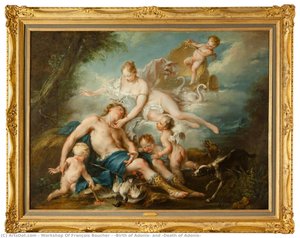
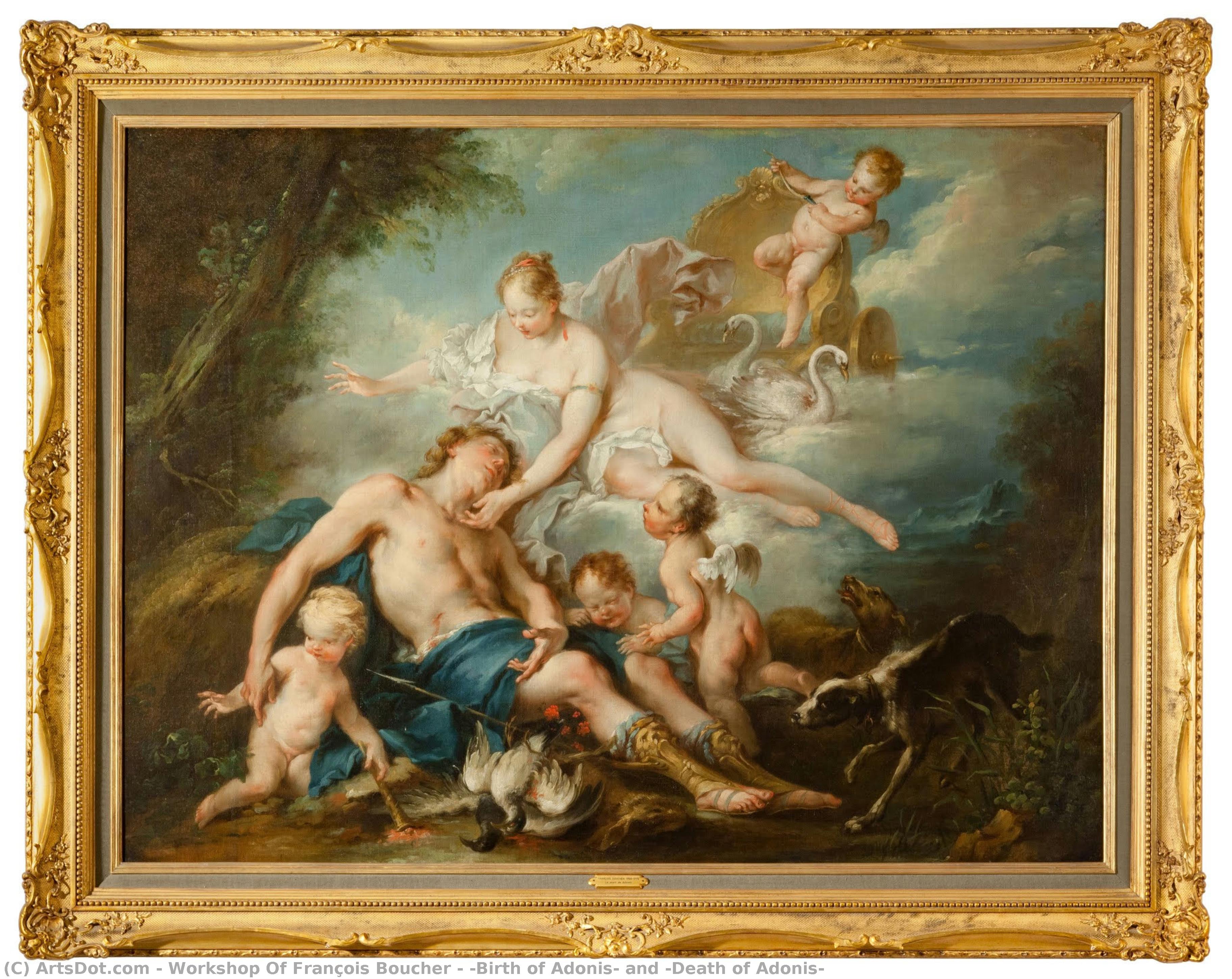
In the sweeping, emotive canvases of the Workshop of François Boucher, we find ourselves transported to an era where the boundaries between the celestial and the terrestrial are beautifully blurred. The dual narrative of “Birth of Adonis” and “Death of Adonis” serves as a profound meditation on the cyclical nature of existence—the breathtaking dawn of life and the inevitable, somber twilight of mortality. Within this intricate composition, the viewer is greeted by a scene of profound movement; figures are woven into a tapestry of grief and wonder, where the presence of an angelic figure hovering above the fallen man suggests that even in death, there is a divine witness to our earthly struggles.
The painting captures a moment of intense human connection, centered around a man lying prone upon the earth, cradled by the mourning presence of his wife. This poignant interaction is set against a backdrop of classical grandeur, where every gesture—from the kneeling figure to the watchful eyes of companions—contributes to a sense of unfolding drama. The inclusion of dogs, positioned with a quiet, grounded realism near the edges of the frame, adds a layer of domestic intimacy to an otherwise epic mythological event, grounding the high drama of the gods in the recognizable emotions of the living.
The Rococo Elegance of the Boucher Tradition
Executed in the mid-18th century, this work embodies the quintessential spirit of the Rococo movement. The technique reflects the mastery of the Boucher workshop, characterized by a fluid, painterly approach that prioritizes light, atmosphere, and a soft, luminous palette. There is a rhythmic grace to the brushwork that guides the eye through the complex arrangement of bodies, ensuring that despite the density of the figures, the composition never feels cluttered but rather harmoniously orchestrated. The interplay of light and shadow creates a sense of depth, pulling the observer into the very heart of the tragedy.
For the discerning collector or interior designer, this piece offers more than mere decoration; it provides a focal point of historical prestige. The soft textures and pastel-inflected tones are ideal for creating an atmosphere of sophisticated classical elegance in a curated space. Whether placed in a grand salon or a contemporary study, the artwork acts as a window into the 1730s, bringing with it the aristocratic splendor and the theatrical sensibility that defined the French Golden Age of painting.
Symbolism and Emotional Resonance
Beyond its visual splendor, the work is steeped in deep symbolic resonance. The juxtaposition of birth and death serves as a powerful memento mori, reminding us of the fleeting nature of beauty and passion. The divine presence descending upon the scene suggests that life's most profound transitions are overseen by forces beyond our comprehension. This tension between the ephemeral human experience and the eternal divine creates an emotional impact that is both unsettling and deeply moving.
To possess a reproduction of such a masterpiece is to invite a conversation about history, myth, and the enduring human condition into one's home. It is a piece designed for those who appreciate art that does not merely sit upon a wall, but breathes life into a room, offering a rich, multi-layered experience that rewards repeated contemplation and inspires a sense of timeless wonder.
Related Artworks



Artist Biography
The Enigmatic World of Banksy: A Life in Shadow and Spray
Banksy, a name synonymous with subversive art, political commentary, and an enduring air of mystery, remains one of the most captivating figures in contemporary culture. More than just a graffiti artist, Banksy is a cultural phenomenon – a phantom provocateur whose work challenges conventions, ignites debate, and forces us to confront uncomfortable truths about society. The very lack of definitive information regarding their identity only adds to the allure, transforming them into an almost mythical figure operating on the fringes of the art world.
While details are scarce, it is widely believed that Banksy originated in Bristol, England, during the 1990s as part of the underground graffiti scene. Early influences likely included artists like Blek le Rat, a French stencil artist whose work also appeared on urban landscapes and demonstrated the power of public space for artistic expression. This formative period saw the development of Banksy’s signature style: stenciled images combined with witty slogans, often delivered with biting satire and dark humor. The choice of spray paint as a medium was not merely practical; it represented accessibility, immediacy, and a deliberate rejection of traditional art institutions.
From Bristol Streets to Global Recognition
Banksy’s early work focused on anti-establishment themes, critiquing consumerism, war, hypocrisy, and the banality of modern life. The artist gained notoriety through unsanctioned installations in public spaces – walls, bridges, even animals – transforming urban environments into canvases for their pointed messages. The “Mild Mild West” series in 2001, a collection of stencils depicting scenes of conflict involving wildlife, brought Banksy to wider attention. However, it was the increasingly ambitious and politically charged pieces that truly cemented their reputation.
The early 2000s saw Banksy’s work begin to appear in galleries and exhibitions, often under pseudonyms or with elaborate schemes designed to maintain anonymity. This paradoxical approach – simultaneously embracing and rejecting the art establishment – became a defining characteristic of their career. Installations like “Crude Oils” (2005), featuring paintings depicting scenes from consumer culture reimagined as cave paintings, highlighted the absurdity of modern values. The artist’s willingness to engage with current events, such as the Israeli-Palestinian conflict through murals on the West Bank barrier, further amplified their voice and drew both praise and condemnation.
Themes and Techniques: A Visual Language of Dissent
Banksy's art is characterized by a distinctive visual language. The use of stencils allows for rapid execution and replication, essential for guerilla-style interventions in public spaces. The imagery often employs irony, juxtaposition, and unexpected combinations to create powerful emotional responses. Recurring motifs include rats (often seen as symbols of rebellion and resilience), police officers, soldiers, children, and iconic figures from popular culture.
- Satire and Social Commentary: Banksy’s work consistently challenges authority, exposing hypocrisy and questioning societal norms. The artist uses humor and wit to make complex political issues accessible and engaging.
- Anti-War Sentiment: A strong anti-war message permeates much of Banksy's oeuvre, often depicting the futility and brutality of conflict. Pieces like “Girl with Balloon” (2004) have become iconic symbols of peace and hope.
- Consumerism Critique: Banksy frequently targets consumer culture, exposing its superficiality and destructive impact on society. The use of recognizable brands and logos is often subverted to create ironic commentary.
- The Power of Public Space: Banksy’s insistence on creating art in public spaces challenges the traditional notion of ownership and accessibility. Their work democratizes art, bringing it directly to the people.
Legacy and Impact: Beyond the Spray Can
Banksy's impact extends far beyond the realm of visual art. The artist has used their platform to raise awareness about social issues, support charitable causes, and challenge the very definition of what constitutes “art.” The Dismaland bemusement park (2015), a dystopian parody of Disneyland, was a powerful statement on consumerism, political disillusionment, and the state of the world. More recently, projects like the "Valentine's Day" mural in 2018, which self-destructed after being auctioned for over £1 million, have further cemented Banksy’s reputation as a master provocateur.
The enduring appeal of Banksy lies not only in the artistry and wit of their work but also in the mystery surrounding their identity. This anonymity allows the art to speak for itself, free from the constraints of personality or celebrity. Banksy has proven that art can be a powerful tool for social change, capable of challenging conventions, igniting debate, and inspiring action. Their legacy is one of rebellion, innovation, and an unwavering commitment to questioning the status quo – a testament to the power of art to disrupt, provoke, and ultimately, transform our world.

Quick Facts
- Artistic Movement Or Style: Rococo
- Artists Who Influenced This Artist: ['François Boucher']
- Date Of Death: Living
- Full Name: Workshop Of François Boucher
Related Articles
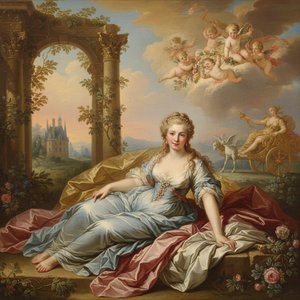
François Boucher: Rococo Master of Myth, Sensuality, and the French Court
Explore the captivating world of François Boucher, master of Rococo painting! Discover his iconic works, aristocratic patronage, and lasting influence on French art history. Learn more at ArtsDot.

Rococo's Radiant Legacy: 10 Masterpieces for Your Home |
Indulge in the elegance of Rococo! Explore 10 masterpieces by Fragonard, Boucher & Watteau. Discover the stories behind these iconic paintings and bring timeless art to your home with museum-quality reproductions from .

The Rococo Aesthetic: Opulence, Rebellion & the Pursuit of Pleasure in 18th-Century Art
Explore the opulent world of Rococo art! Discover its origins, key artists like Watteau & Boucher, and lasting influence on design. Expert insights for collectors & enthusiasts.

The Allure of Elegance in Art: A Historical & Aesthetic Exploration of Refinement & Grace
Explore the exquisite world of Rococo art! Discover its history, masters (Watteau, Boucher & more), and defining elegance. Expert insights for collectors seeking museum-quality reproductions & custom portraits.
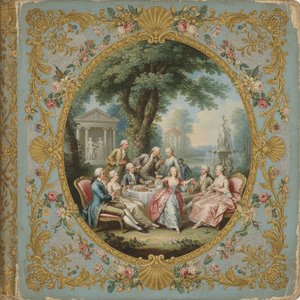
The Rococo Style: Aristocratic Leisure & the Pursuit of Delight in 18th-Century Art
Explore the opulent world of Rococo art! Discover Watteau, Boucher & Nattier's masterpieces. Expert insights for collectors seeking museum-quality reproductions and custom portraits at ArtsDot.