 Preview
 Send
Send Share
Share
 Details

 Download
 Similars
 X-Ray
X-Ray Diaporama
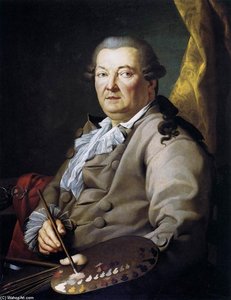
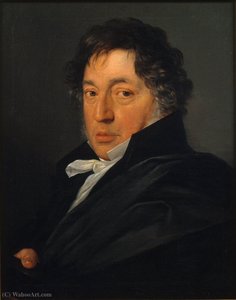
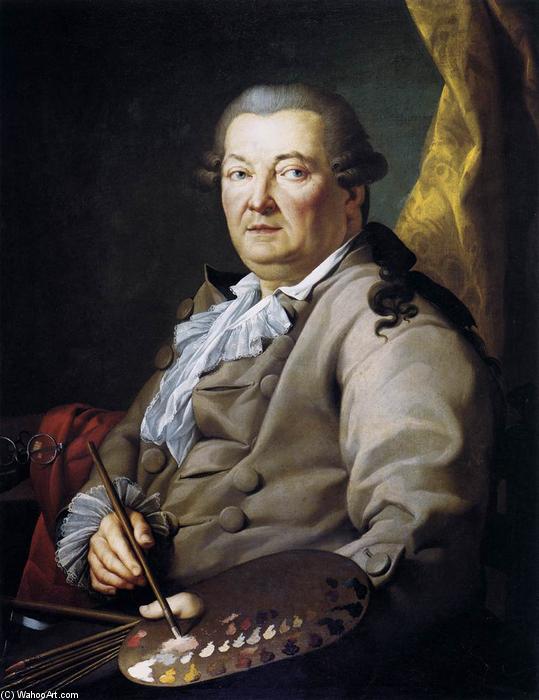
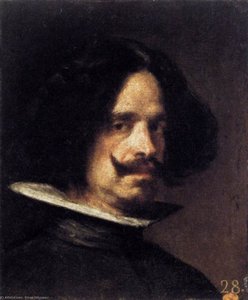
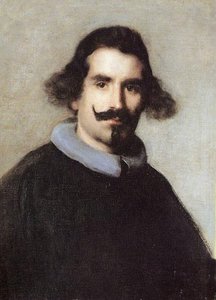
Self-Portrait
 Acrylic On Canvas
- WallArt
- Baroque Realism
 87.0 x 68.0 cm
 Museo del Prado
 Read More
Hand Made Oil Reproduction
Hand-painted oil on canvas in your size and frame, made to order by our artists. ( Buy Print Buy Image)




P118B $10

P118H $10

P118W $10

P438Z $10

P508JH $12

P508YH $12

P805H $10

P805Z $10

P919BZ $10

P919G $10

P919XJ $10

P959ZH $10

P968JZ $12

W106C $8

W218G $10

W218JH $8

W218Y $10

W307PJ $10

W316G $10

W316PJ $8

W316Y $10

W398PJ $8

W4111J $10

W500HY $15

W500JH $15

W692G $12

W849H $8

W940BG $15

W953PJ $8




Pick from our preset sizes that match the artwork's original proportions.

You may enter your own dimensions to fit a specific frame or space. If your selected size does not match the original image's proportions, we will either crop the artwork or extend the painting with additional hand-painted elements. A digital mockup will be sent for your approval before production begins.
Please note that the on-screen preview does not reflect the actual cropping or extension. Only the mockup will accurately show the final composition.
While custom sizes are available, we recommend selecting a dimension from the predefined list to preserve the original proportions.
After order, ArtsDot.com team will email client for instructions and provide a mockup preview
Worldwide Delivery () in 3/4 weeks instead of standard 5 weeks. (26 August). No compromise on quality.

Free Worldwide Express Shipping

High-Quality Linen Canvas

Full Shipping Insurance

Customs Tax Refund Guarantee

True Color Matching Guarantee

60-Day Return Policy (Defects Only)

100% Money-Back Guarantee

Bulk Discount Offer
 Glass option is only available in size under 110 CM

Self-Portrait
Reproduction Medium
Reproduction Size
-


Total Price
$ 263
Artwork Description
A Window into the Soul: Examining Zacarías González Velázquez’s Self-Portrait
Zacarías González Velázquez (1763 – 1834) stands as a cornerstone of Spanish Baroque painting, representing not merely an artistic achievement but also the final flourish of a stylistic tradition that had captivated Europe for decades. His legacy rests upon a singular ability to distill complex emotions and intellectual contemplation into visual form—a skill brilliantly demonstrated in his captivating Self-Portrait, executed around 1635. This artwork transcends mere likeness; it’s an intimate glimpse into the artist's psyche, reflecting both his professional dedication and a profound awareness of his own place within the grand narrative of artistic history.The Artist’s Studio: Setting the Stage for Reflection
The painting’s composition immediately establishes its significance as a study piece—a preparatory sketch intended for Velázquez’s monumental “Surrender of Breda,” commemorating a pivotal moment in the Eighty Years' War. Yet, this seemingly pragmatic undertaking belies a deeper purpose: to capture not just physical appearance but also the artist’s inner state. The darkened studio background serves as an effective foil to the luminous figure at its center, emphasizing his isolation and focusing attention on the task at hand—the act of painting itself. Curtains drape subtly in the upper right corner, reinforcing the sense of confinement and prompting contemplation about the creative process.Technical Mastery: Light and Shadow – The Language of Baroque Emotion
Velázquez’s technique exemplifies the hallmarks of Baroque artistry. He employs masterful chiaroscuro—the dramatic interplay between light and shadow—to sculpt the man's form with remarkable precision. Careful observation informs every brushstroke, resulting in a surface texture that conveys both solidity and softness simultaneously. The artist meticulously renders details such as the lace collar and cuffs of his shirt, highlighting the meticulous craftsmanship characteristic of aristocratic attire. Furthermore, Velázquez’s use of color is restrained yet purposeful, favoring muted tones to create an atmosphere of solemn seriousness—a deliberate choice designed to convey a sense of introspection and artistic contemplation.Symbolism Within Illusion: Exploring Identity and Artistic Purpose
Beyond its technical brilliance, the Self-Portrait resonates with symbolic meaning. The artist’s gaze directs outwards, suggesting a preoccupation with observation and understanding – qualities essential for both an accomplished painter and a humanist philosopher. His attire—a symbol of status and authority—underscores Velázquez's position within the artistic hierarchy of his time. More subtly, the inclusion of the palette itself speaks to the creative act—the artist’s engagement with materials and ideas as he strives to capture beauty and convey emotion. The painting is more than just a portrait; it’s an assertion of identity and a declaration of artistic vocation.A Legacy Illuminated: Velázquez's Influence on Romanticism
González Velázquez’s Self-Portrait represents a crucial bridge between Baroque grandeur and the burgeoning Romantic sensibility. While retaining the stylistic conventions of his predecessors, Velázquez subtly anticipates the emotional depth and expressive freedom that would define the Romantic movement. His ability to convey psychological nuance—a feat achieved through masterful observation and skillful manipulation of light—demonstrates an artistic vision that transcends mere representation, inviting viewers to engage with profound questions about human experience. This enduring masterpiece continues to inspire artists and collectors alike, securing Velázquez’s place as one of Spain's greatest painters and a visionary figure in the history of art.Related Artworks
Artist Biography
A Legacy Carved in Light and Lineage
To understand the artistry of Zacarías González Velázquez is to step into the heart of a Spanish dynasty where the brush was both a tool and a birthright. Born in Madrid in 1763, Zacarías did not merely enter the world of art; he was immersed in it from his first breath. He belonged to the illustrious González Velázquez family, a lineage of painters, sculptors, and architects that defined the Spanish late-Baroque aesthetic for generations. His father, the celebrated Antonio González Velázquez, served as a profound mentor, instilling in his son not only the technical rigors of the craft but also a deep reverence for the grandeur and religious fervor that characterized the era. This familial foundation provided Zacarías with an unparalleled education, blending the inherited traditions of his ancestors with the burgeoning academic standards of his time.
His formal journey into the heights of Spanish academia began in 1777 at the Real Academia de Bellas and Artes de San Fernando. Under the watchful eyes of masters like Mariano Salvador Maella, Zacarías refined a style that would eventually bridge the gap between the dramatic shadows of the Baroque and the emotive, atmospheric qualities of early Romanticism. His training was rigorous, emphasizing anatomical precision and the mastery of classical composition—elements that allowed him to navigate complex mythological narratives and solemn religious subjects with equal grace.
Royal Splendor and Architectural Vision
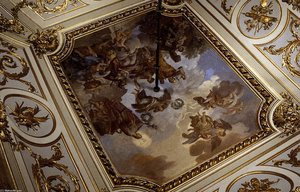
As his reputation grew, so did the scale of his ambitions. Zacarías became a sought-after figure for the most prestigious commissions in Spain, earning the trust of the monarchy to decorate the opulent interiors of the royal residences. His work within the El Pardo Palace stands as a testament to his ability to transform architectural spaces into theatrical stages of myth and legend. Through his meticulous use of light and color, he breathed life into mythological scenes that demanded both narrative clarity and visual splendor, ensuring that every brushstroke contributed to the overarching atmosphere of royal majesty.
Yet, the artist's vision was never confined solely to the canvas. Zacarías possessed a rare, multidisciplinary intellect that allowed him to perceive art as an integrated part of the built environment. His contributions extended into the realm of architectural design, where he left his mark on sacred landmarks such as the Toledo Cathedral and the Jerónimos Monastery. This ability to harmonize painting with architecture demonstrates a profound understanding of how visual storytelling can inhabit and elevate physical space, making him not just a painter, but a true architect of emotion.
The Zenith of Spanish Baroque Mastery
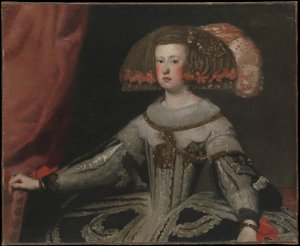
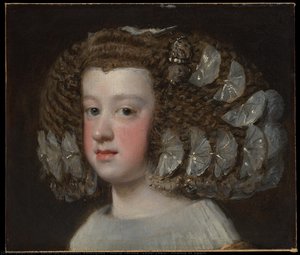
The enduring significance of Zacarías González Velázquez lies in his role as a transitional master. While his works are deeply rooted in the Spanish Baroque tradition—characterized by its dramatic use of chiaroscuro and emotional intensity—there is an unmistakable sense of movement and light in his later developments that hints at the approaching Romantic era. His portraits, ranging from intimate self-portraits to regal depictions of figures like the Infanta María Teresa, reveal a painter capable of capturing the very soul of his subjects through a delicate balance of realism and idealization.
His life's work remains a vital chapter in the history of Spanish art, representing the final, brilliant flourish of a stylistic tradition that had dominated Europe for decades. Through his dedication to the academic excellence of San Fernando and his service to the Spanish Crown, Zacarías ensured that the legacy of the González Velázquez name would be etched forever into the cultural fabric of Spain. His ability to distill complex human emotions and intellectual contemplation into visual form continues to resonate, offering a window into an age of unparalleled artistic grandeur.
zacarías gonzález velázquez
1763 - 1834
Quick Facts
- Artistic Movement Or Style: Baroque
- Artists Or Movements Influenced By This Artist: ['Neoclassicism']
- Artists Who Influenced This Artist: ['Antonio González Velázquez']
- Date Of Birth: 1763
- Date Of Death: 1834
- Full Name: Zacarías González Velázquez
- Nationality: Spanish
- Notable Artworks:
- Columbus
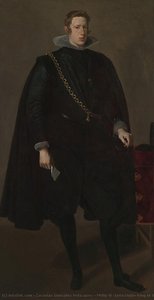
- Portrait of Ferdinand VII
- Portrait of Maria Luisa of Parma
- The Miracle of Saint Casimir
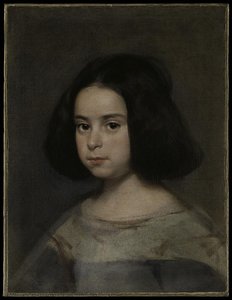
- Young Girl
- Place Of Birth: Madrid, Spain
Related Articles
The Golden Age Reforged: Dramatic Realism & Religious Zeal in Spanish Baroque Art
Explore the dramatic world of Spanish Baroque art! Discover masters like Zurbarán & the powerful influence of religious zeal on painting techniques – a guide for collectors and enthusiasts.

Baroque Masterpieces: 10 Paintings That Defined an Era |
Journey through the drama & grandeur of Baroque art! Explore 10 masterpieces by Caravaggio, Rembrandt, Rubens & more. Discover stunning oil paintings, rich colors & timeless stories. Find museum-quality reproductions at .

The Visceral Stage: Exploring Dramatic Narratives & Emotional Intensity in Baroque Art
Explore the dramatic world of Baroque art! Discover iconic masters like Caravaggio & Rembrandt, their techniques, and the movement's lasting impact. Expert insights for collectors & enthusiasts at ArtsDot.

The Dramatic Flourish: Exploring the Baroque Movement's Enduring Legacy in Art History
Explore the dramatic world of Baroque art! Discover iconic artists like Caravaggio & Rubens, defining techniques, and its lasting impact on art history. Expert insights for collectors & enthusiasts at ArtsDot.
Prado Masterpieces: Explore 25 Iconic Artworks & Bring Spanish Beauty Home
Journey through 25 Prado Museum masterpieces! Explore Velázquez, Goya & El Greco's iconic Spanish art. Discover the stories behind these timeless paintings and find museum-quality reproductions for your home at ArtsDot.com.