
The Rise of the Collector: Renaissance Patronage and Artistic Flourishing
Patronage is the support, encouragement, privilege, or financial aid that an organization or individual bestows on another. In the history of art, art patronage refers to the support that princes, popes, and other wealthy and influential people have ...
Before the concept of ‘art for art’s sake’ took hold, the very creation of masterpieces was inextricably linked to the desires, ambitions, and often, the conspicuous consumption of patrons. The Renaissance witnessed an unprecedented flourishing of artistic talent, but this wasn't a spontaneous eruption of creativity; it was meticulously cultivated by princes, popes, and wealthy merchant families who understood that commissioning art was not merely about acquiring beautiful objects, but about solidifying power, demonstrating piety, and achieving a form of immortality. Patronage, derived from the Latin patronus – one who bestows benefits – wasn’t simply financial support; it was a complex system of social exchange, religious obligation, and shrewd self-promotion. Think of the Medici family in Florence, whose influence permeated every aspect of Renaissance life, and whose name became synonymous with artistic innovation. Their commissions weren't just about filling palaces with splendor; they were strategic investments in their own legacy, ensuring that future generations would remember their names alongside those of Botticelli, Michelangelo, and Leonardo da Vinci.
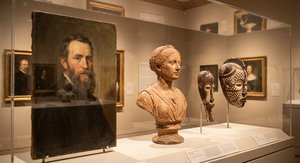
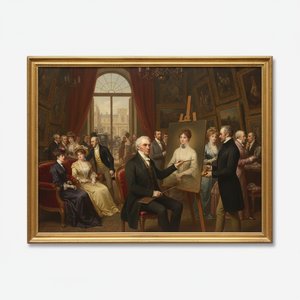
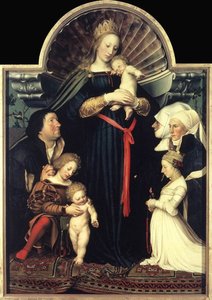
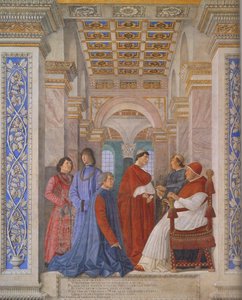
The shift from medieval devotional art to the humanist ideals of the Renaissance profoundly altered the relationship between artist and patron. Artists moved beyond being anonymous craftsmen fulfilling religious dictates; they became celebrated individuals, sought after for their unique skills and vision. This newfound status is reflected in the increasing frequency of self-portraiture – a practice that allowed artists to assert their own identity and agency within a system still largely defined by external demands. The very act of depicting oneself alongside one’s patron, as seen in some Renaissance workshop portraits, subtly renegotiated the power dynamic, hinting at a growing sense of artistic independence.
Status Symbols & Self-Representation: Portraits as Collectors' Declarations
Self-portraiture, or Autoportraiture is the field of art theory and history that studies the history, means of production, circulation, reception, forms, and meanings of self-portraits. Emerging in Antiquity and becoming popular from the Renaissance ...
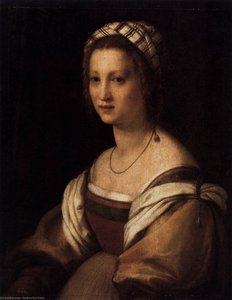
Portraits emerged as a particularly potent medium for expressing both the sitter’s status and the patron’s discerning taste. These weren’t simply likenesses; they were carefully constructed narratives designed to convey wealth, power, education, and moral virtue. Jan van Eyck’s ‘Portrait of Margaret van Eyck,’ for example, is far more than a depiction of a woman; it's a testament to her husband’s prosperity and social standing. The meticulous detail – the luxurious fabrics, the intricate jewelry, the serene expression – all speak volumes about their refined lifestyle and position within society. The inclusion of symbolic objects, often referencing religious or classical themes, further enhanced the portrait’s meaning, transforming it into a visual declaration of the patron's intellectual and spiritual sophistication.
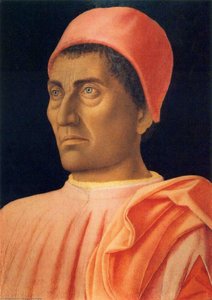
Consider also the portraits commissioned by Andrea Mantegna. His ‘Rising Mantegna,’ though perhaps less overtly opulent than some other Renaissance examples, demonstrates a similar emphasis on conveying status through artistic skill and careful composition. The detail in his 'Ducal Palace,' even as a fragment, speaks to the grandeur of the patron’s world. These portraits weren't just about *who* was being depicted; they were about *how* they were depicted – the artist’s ability to capture their essence, their social standing, and their aspirations.
Beyond Commissioning: The Collector as Connoisseur and Curator (17th-19th Centuries)
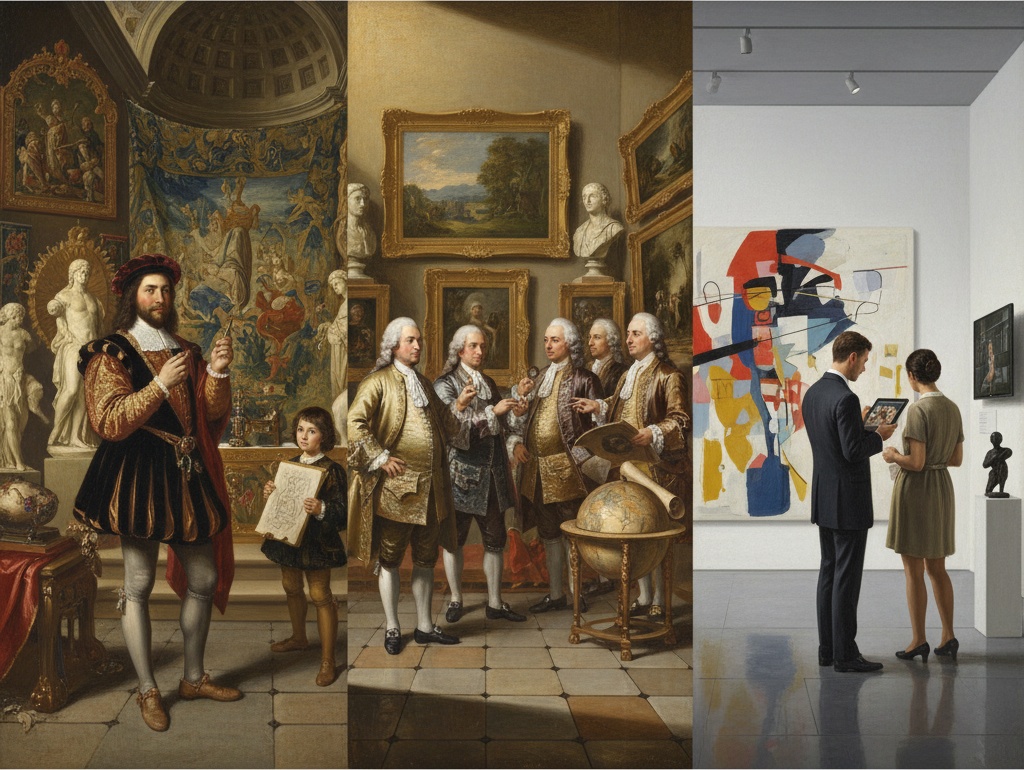
As art markets developed in the 17th and 18th centuries, the role of the collector evolved beyond simply commissioning works. The emphasis shifted from direct patronage to acquiring existing masterpieces, building collections that reflected a refined aesthetic sensibility and scholarly knowledge. The grand ducal palaces and aristocratic salons of Europe became veritable museums, showcasing carefully curated displays of paintings, sculptures, and antiquities. This period saw the rise of the ‘connoisseur’ – an individual with a discerning eye for quality and a deep understanding of art history.
The act of collecting itself became a form of social capital, demonstrating wealth, education, and cultural authority. Collectors weren't just acquiring objects; they were constructing narratives about themselves, positioning themselves as arbiters of taste and guardians of artistic heritage. This trend continued into the 19th century, with collectors like Sigmund Morgenroth amassing impressive collections that reflected their personal passions and intellectual pursuits.
The Modern Collector: From Private Salons to Public Museums
The 20th century witnessed a further transformation in the role of the collector. The rise of modern art – with its emphasis on experimentation, abstraction, and challenging conventional norms – led to new forms of collecting and patronage. Collectors became increasingly involved in supporting avant-garde artists, championing radical new ideas and shaping the course of artistic development. Simultaneously, a growing movement advocated for the democratization of art, leading to the establishment of public museums that made masterpieces accessible to a wider audience.
This shift from private salons to public institutions fundamentally altered the relationship between collector, artist, and society. While collectors continued to play a vital role in supporting artists and building collections, their influence was increasingly tempered by the demands of public accountability and scholarly rigor. The modern museum became a space for preserving artistic heritage, educating the public, and fostering critical dialogue about art’s meaning and significance.
Collecting as Narrative: Depictions of the Patron’s World & Legacy
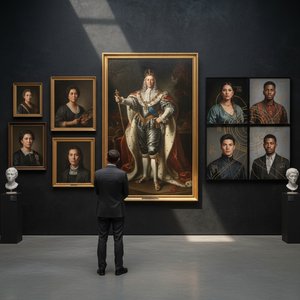
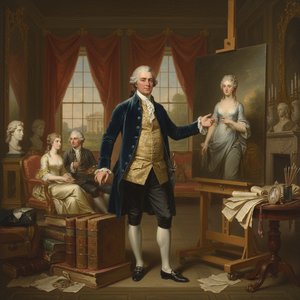
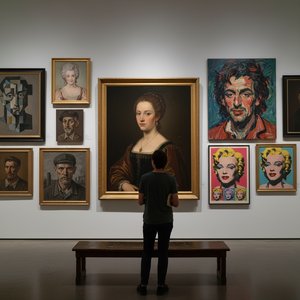
Throughout history, representations of collectors – whether in portraits, genre scenes, or literary accounts – have served as powerful symbols of wealth, power, and cultural authority. These depictions often reveal not only the collector's taste but also their social aspirations, intellectual pursuits, and personal values. The very act of surrounding oneself with art became a form of self-representation, transforming the collector’s home into a carefully curated stage for projecting an idealized image to the world.
Even today, the allure of collecting remains strong, driven by a desire to connect with artistic heritage, express personal identity, and build lasting legacies. At ArtsDot, we understand this enduring passion. We offer meticulously handcrafted oil paintings – reproductions of masterpieces that allow you to bring the beauty and sophistication of art history into your own home. Whether you’re seeking a classic portrait to honor a loved one or a stunning landscape to transform your living space, our team of skilled artists can create a bespoke artwork that reflects your unique taste and aspirations. From custom reproductions to photo-to-painting services, we provide unparalleled quality, personalized service, and the opportunity to own a piece of art history.