 Preview
 Send
Send Share
Share
 Details

 Download
 Similars
 X-Ray
X-Ray Diaporama
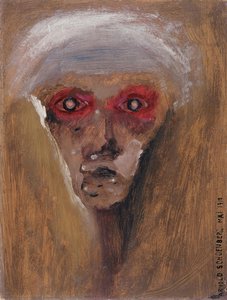
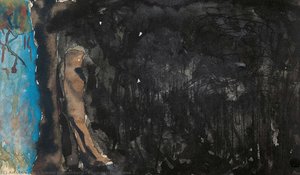
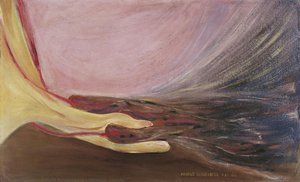
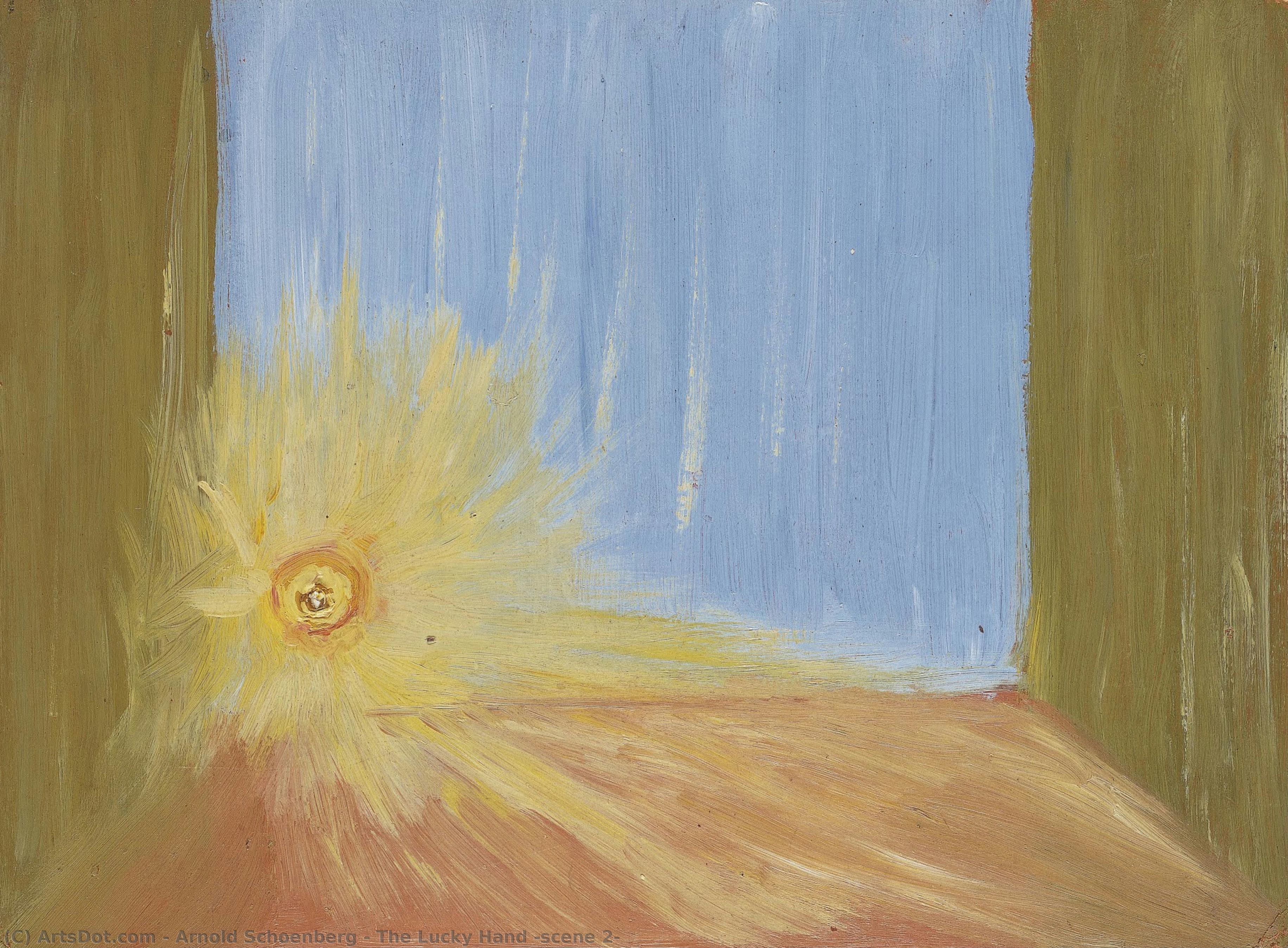
The Lucky Hand (scene 2)
 Acrylic On Canvas
- WallArt
- Expressionist Modernism
 1910
1910- 19th Century
 30.0 x 22.0 cm
 Arnold Schönberg Center
 Read More
Hand Made Oil Reproduction
Hand-painted oil on canvas in your size and frame, made to order by our artists. ( Buy Print Buy Image)




P118B $10

P118H $10

P118W $10

P438Z $10

P508JH $12

P508YH $12

P805H $10

P805Z $10

P919BZ $10

P919G $10

P919XJ $10

P959ZH $10

P968JZ $12

W106C $8

W218G $10

W218JH $8

W218Y $10

W307PJ $10

W316G $10

W316PJ $8

W316Y $10

W398PJ $8

W4111J $10

W500HY $15

W500JH $15

W692G $12

W849H $8

W940BG $15

W953PJ $8




Pick from our preset sizes that match the artwork's original proportions.

You may enter your own dimensions to fit a specific frame or space. If your selected size does not match the original image's proportions, we will either crop the artwork or extend the painting with additional hand-painted elements. A digital mockup will be sent for your approval before production begins.
Please note that the on-screen preview does not reflect the actual cropping or extension. Only the mockup will accurately show the final composition.
While custom sizes are available, we recommend selecting a dimension from the predefined list to preserve the original proportions.
After order, ArtsDot.com team will email client for instructions and provide a mockup preview
Worldwide Delivery () in 3/4 weeks instead of standard 5 weeks. (16 August). No compromise on quality.

Free Worldwide Express Shipping

High-Quality Linen Canvas

Full Shipping Insurance

Customs Tax Refund Guarantee

True Color Matching Guarantee

60-Day Return Policy (Defects Only)

100% Money-Back Guarantee

Bulk Discount Offer
 Glass option is only available in size under 110 CM

The Lucky Hand (scene 2)
Reproduction Medium
Reproduction Size
-


Total Price
$ 263
Artwork Description
The Enigmatic Radiance of "The Lucky Hand" (Scene 2)
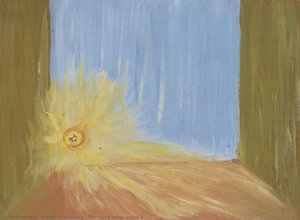
Arnold Schönberg’s “Die glückliche Hand” (“The Lucky Hand”) is more than just an opera scene; it's a meticulously crafted exploration of light, shadow, and the human condition. Painted in 1910, this intimate artwork – measuring 30 x 22 cm – captures the pivotal second scene of Schönberg’s dramatic work, first performed in 1924. The painting immediately draws the viewer into a world dominated by intense, almost unbearable, sunlight, a deliberate choice reflecting Schönberg's innovative approach to musical atonality and his desire to disrupt traditional harmonic expectations.
- A Stage of Light: The composition centers around a circular aperture – five feet in diameter – that floods the stage with a searing yellow light. This isn’t merely a backdrop; it's an active force, shaping the entire scene and demanding attention.
- Color Palette: The artist employs a restrained yet powerful palette of blues, yellows, and greens. The deep blue sky contrasts dramatically with the warm brown earth and the intense yellow of the sun, creating a visual tension that mirrors the drama unfolding within the opera’s narrative.
- Figure in Silhouette: A solitary figure stands on a beach, rendered as a dark silhouette against this radiant backdrop. This figure embodies contemplation and perhaps even despair, dwarfed by the overwhelming power of nature and the relentless pursuit of fortune – a central theme of the opera.
Historical Context & Schönberg’s Vision
Schönberg's “The Lucky Hand” emerged from a period of profound artistic experimentation in Vienna at the beginning of the 20th century. He was pushing boundaries, rejecting traditional tonal harmony and exploring new ways to represent emotion and experience through music and visual art. The stage direction for this scene – "A somewhat larger stage area; deeper and wider than the first. In the background a soft, blue, skylike backdrop. Below, left, close to the bright brown earth, a circular cut-out five feet in diameter through which glaring, yellow sunlight spreads over the stage" – reveals Schönberg’s meticulous attention to detail and his desire to create an immersive theatrical experience. This scene is a key element of his broader project to challenge conventional artistic norms.
Born in Vienna in 1874, Arnold Schönberg was a pivotal figure in musical history. His work, particularly during this period, foreshadowed the development of serialism and other avant-garde compositional techniques that would profoundly influence 20th-century music. The painting’s creation aligns perfectly with Schönberg's artistic trajectory – a bold statement against established traditions.
Symbolic Resonance & Emotional Impact
The intense sunlight in “The Lucky Hand” is laden with symbolic weight. It represents both opportunity and danger, fortune and ruin. The figure on the beach could be interpreted as humanity itself, exposed to the overwhelming forces of fate. The circular aperture acts as a portal, inviting the viewer into Schönberg’s world of musical and visual innovation. The painting evokes a sense of isolation, vulnerability, and perhaps even awe in the face of nature's power.
Schönberg’s deliberate use of light and shadow creates a powerful emotional impact, drawing the viewer into the heart of the drama. The stark contrast between the bright sun and the dark silhouette generates a feeling of unease and suspense, reflecting the opera’s themes of greed, deception, and ultimately, the illusion of happiness.
Perfect for Collection & Interior Design
"The Lucky Hand" (Scene 2) is a captivating artwork that would be a stunning addition to any art collection or interior design scheme. This hand-painted reproduction offers an authentic representation of Schönberg’s vision, capturing the drama and intensity of this pivotal scene. Its size – 30 x 22 cm – makes it ideal for display on shelves, desks, or as part of a larger gallery wall arrangement. The artwork's rich color palette and evocative imagery will undoubtedly spark conversation and add a touch of artistic sophistication to any space.
Related Artworks
Artist Biography
early life and musical beginnings
arnold schoenberg, an austrian-american composer, was born on september 13, 1874, in vienna, austria. his early life was marked by a humble beginning, with his father being a shoe-shopkeeper. despite this, schoenberg's innate passion for music led him to largely self-educate himself in the field.- schoenberg explored film music and wrote more tonal music, completing his chamber symphony no. 2 in 1939.
- he satirized fascist tyrants in ode to napoleon (1942), after byron.
- post-war vienna offered him honorary citizenship, but he was ill, as depicted in his string trio (1946).
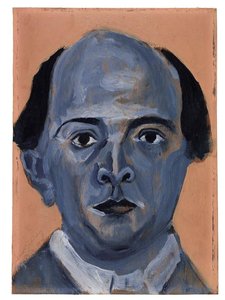
arnold schoenberg
1874 - 1951 , Austria
Quick Facts
- Artistic Movement Or Style: Twelve-tone technique; Expressionism
- Artists Or Movements Influenced By This Artist:
- Anton Webern
- Alban Berg
- Artists Who Influenced This Artist:
- Johannes Brahms
- Richard Wagner
- Date Of Birth: September 13, 1874
- Date Of Death: 1951
- Full Name: Arnold Schoenberg
- Nationality: Austrian-American
- Notable Artworks:
- Suite, op. 29
- Music Typewriter
- Staffliner
- Place Of Birth: Vienna, Austria
Related Articles

Giclée Prints: Archival Quality & Aesthetic Nuances for the Discerning Collector
Explore the world of giclée prints with ArtsDot. Learn about archival quality, aesthetic nuances & investment potential. Expert guidance for discerning art collectors seeking museum-quality reproductions and lasting value.

Echoes of Time: Exploring the Enduring Appeal & Historical Context of Vintage Art Prints
Explore the captivating world of vintage art prints! Discover their history, collecting tips & enduring appeal. Expert insights on chromolithography and building a legacy collection with ArtsDot.
Elevate Every Space: One Global Listing for Original Masterpieces, Digital Prints, and Hand‑Painted Reproductions
Discover ArtsDot’s unrivaled mastery in hand‑painted reproductions, digital downloads and museum‑quality prints—crafted by seasoned artists, shipped worldwide free of charge. Trust our 100% satisfaction guarantee to turn any wall into a timeless legacy.
Transforming Spaces: A Comprehensive Exploration of Wall Decor Through Art History & Contemporary Practice
Explore the art of transforming spaces with our comprehensive guide to wall decor. From historical movements to contemporary trends, discover how to curate impactful interiors and commission bespoke artwork for a truly personalized aesthetic.
The Return of the Fresco: Why Wall Murals Are the New Luxury Statement
Elevate your space with bespoke wall murals & frescoes. Explore the resurgence of this luxury art form. Expert design guidance & seamless installation – .