 Preview
 Send
Send Share
Share
 Details

 Download
 Similars
 X-Ray
X-Ray Diaporama
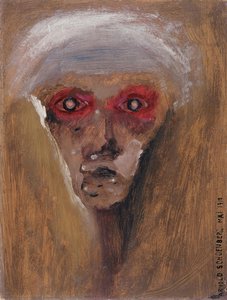
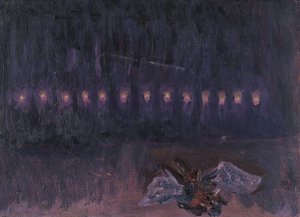
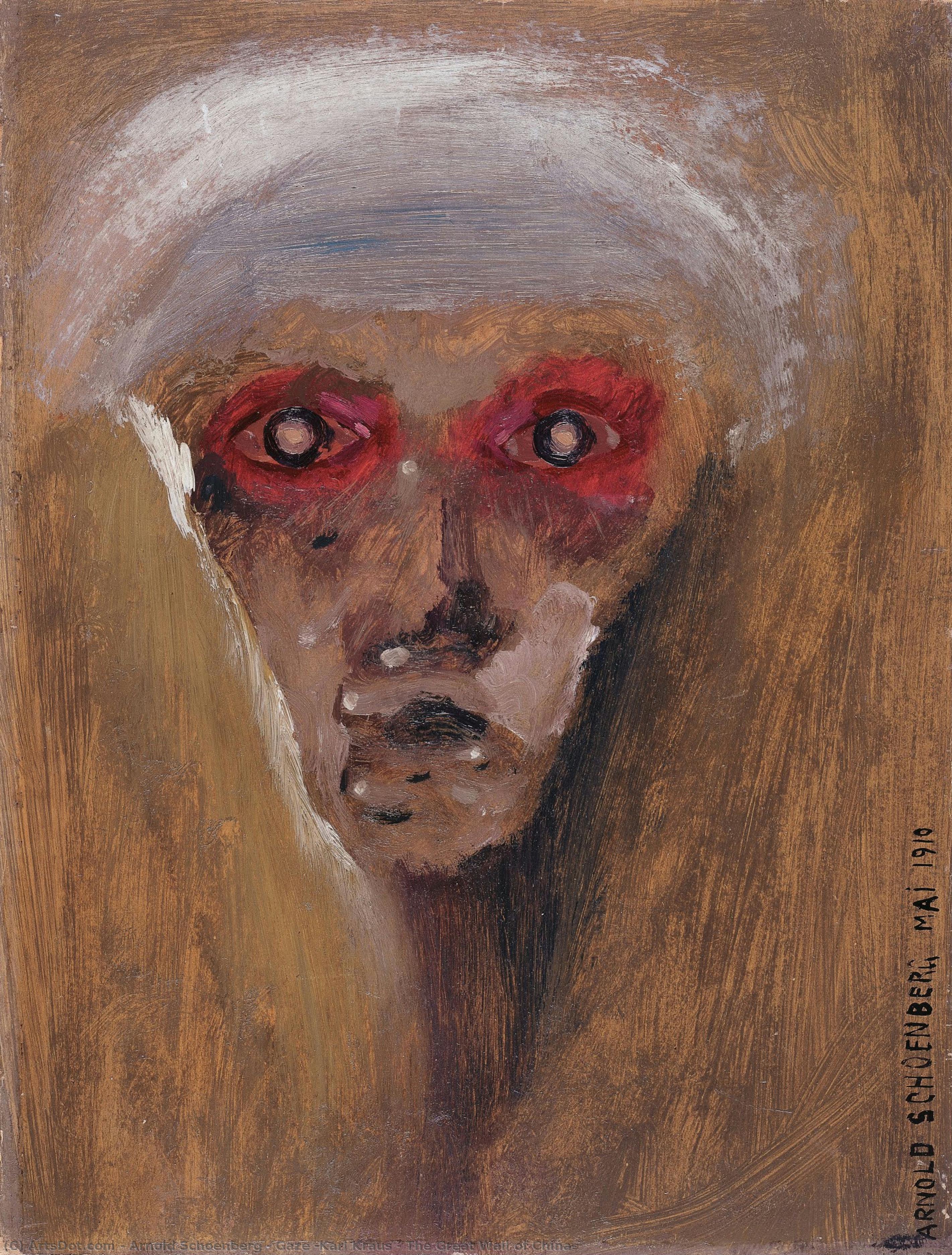
Gaze (Karl Kraus – The Great Wall of China)
 Oil On Board
- Expressionist Abstraction
 1910
1910- 19th Century
 24.0 x 32.0 cm
 Arnold Schönberg Center
 Read More
Hand Made Oil Reproduction
Hand-painted oil on canvas in your size and frame, made to order by our artists. ( Buy Print Buy Image)




P118B $10

P118H $10

P118W $10

P438Z $10

P508JH $12

P508YH $12

P805H $10

P805Z $10

P919BZ $10

P919G $10

P919XJ $10

P959ZH $10

P968JZ $12

W106C $8

W218G $10

W218JH $8

W218Y $10

W307PJ $10

W316G $10

W316PJ $8

W316Y $10

W398PJ $8

W4111J $10

W500HY $15

W500JH $15

W692G $12

W849H $8

W940BG $15

W953PJ $8




Pick from our preset sizes that match the artwork's original proportions.

You may enter your own dimensions to fit a specific frame or space. If your selected size does not match the original image's proportions, we will either crop the artwork or extend the painting with additional hand-painted elements. A digital mockup will be sent for your approval before production begins.
Please note that the on-screen preview does not reflect the actual cropping or extension. Only the mockup will accurately show the final composition.
While custom sizes are available, we recommend selecting a dimension from the predefined list to preserve the original proportions.
After order, ArtsDot.com team will email client for instructions and provide a mockup preview
Worldwide Delivery () in 3/4 weeks instead of standard 5 weeks. (16 August). No compromise on quality.

Free Worldwide Express Shipping

High-Quality Linen Canvas

Full Shipping Insurance

Customs Tax Refund Guarantee

True Color Matching Guarantee

60-Day Return Policy (Defects Only)

100% Money-Back Guarantee

Bulk Discount Offer
 Glass option is only available in size under 110 CM

Gaze (Karl Kraus – The Great Wall of China)
Reproduction Medium
Reproduction Size
-


Total Price
$ 263
Artwork Description
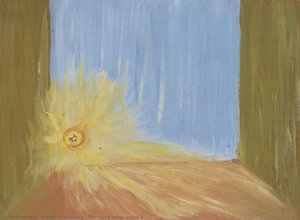
Gaze: A Portrait of Anxiety in Schoenberg's 'The Great Wall of China'
Arnold Schoenberg’s “Gaze,” painted in 1910, is more than just a striking visual; it’s a haunting echo of the anxieties simmering beneath the surface of early 20th-century Vienna. This small oil on board – measuring a mere 24 x 32 cm – captures a moment of profound unease, born from Karl Kraus's controversial lecture, “Die chinesische Mauer” (The Great Wall of China). The lecture itself, delivered in 1910 and inspired by the brutal murder of Elsie Sigel in Chinatown, New York, exposed the dark undercurrents of societal anxieties surrounding immigration, violence, and the perceived ‘other.’ Schoenberg, deeply embedded within Vienna’s artistic circle – a key figure alongside Alban Berg and Anton Webern – responded to this unsettling narrative with an image that refuses easy interpretation.
- Subject & Composition: The painting centers on a distorted face, rendered in jarring hues of red and blue. The subject's gaze is intensely focused, almost predatory, immediately drawing the viewer into its unsettling presence.
- Color Palette: The deliberate use of vibrant red and blue creates an immediate sense of discordance. Red, traditionally associated with passion and danger, amplifies the feeling of threat, while blue evokes a chilling emptiness or perhaps a melancholic reflection on loss.
- Background Detail: A stark yellow wall serves as a backdrop, further isolating the figure and intensifying the overall atmosphere of alienation and confinement.
Historical Context & The Influence of Kraus
Understanding “Gaze” requires acknowledging its genesis within Vienna’s intellectual ferment. Schoenberg was deeply influenced by Karl Kraus's lecture, which interrogated the complexities of race relations and social justice in a rapidly changing world. Kraus’s work challenged prevailing notions of European superiority and exposed the vulnerability of marginalized communities. The murder of Elsie Sigel, a case that captivated the press, became a potent symbol of these anxieties. Schoenberg wasn’t simply depicting a face; he was visually translating the unsettling questions raised by Kraus's words – questions about identity, power, and the potential for violence.
The painting’s creation coincided with Schönberg’s involvement in organizing concerts for the Academic Association for Literature and Music, further cementing his position within Vienna’s artistic elite. This context highlights the work’s engagement with contemporary social and political debates, making it a valuable document of its time.
Technique & Artistic Style
"Gaze" exemplifies Schoenberg's evolving style in the early 20th century. While rooted in his earlier expressionist tendencies – particularly evident in the distorted features and unsettling color palette – the painting demonstrates a growing interest in abstraction. The deliberate manipulation of form and color, rather than a realistic representation, suggests a move towards exploring emotional states through purely visual means. Schoenberg’s use of oil on board allows for rich textures and subtle gradations of tone, contributing to the painting's overall sense of depth and complexity.
The technique employed is characterized by bold brushstrokes and a deliberate lack of blending, creating a fragmented and unsettling effect that mirrors the anxieties conveyed in the subject matter. The surface texture itself adds another layer of visual interest, inviting closer inspection and encouraging viewers to confront the painting’s disturbing imagery.
Symbolism & Emotional Impact
Ultimately, “Gaze” is a powerfully evocative work that transcends its historical context. The distorted face can be interpreted as representing not just an individual but also the anxieties of a society grappling with rapid change and unsettling truths. The intense gaze itself suggests a sense of judgment, accusation, or perhaps even madness. It’s a portrait of psychological distress, rendered in a visually arresting manner. This reproduction offers a unique opportunity to own a piece of art that continues to provoke thought and emotion over a century later.
Related Artworks
Artist Biography
early life and musical beginnings
arnold schoenberg, an austrian-american composer, was born on september 13, 1874, in vienna, austria. his early life was marked by a humble beginning, with his father being a shoe-shopkeeper. despite this, schoenberg's innate passion for music led him to largely self-educate himself in the field.- schoenberg explored film music and wrote more tonal music, completing his chamber symphony no. 2 in 1939.
- he satirized fascist tyrants in ode to napoleon (1942), after byron.
- post-war vienna offered him honorary citizenship, but he was ill, as depicted in his string trio (1946).
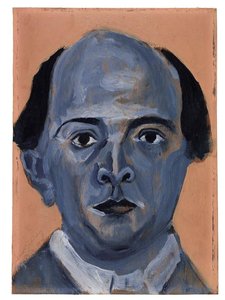
arnold schoenberg
1874 - 1951 , Austria
Quick Facts
- Artistic Movement Or Style: Twelve-tone technique; Expressionism
- Artists Or Movements Influenced By This Artist:
- Anton Webern
- Alban Berg
- Artists Who Influenced This Artist:
- Johannes Brahms
- Richard Wagner
- Date Of Birth: September 13, 1874
- Date Of Death: 1951
- Full Name: Arnold Schoenberg
- Nationality: Austrian-American
- Notable Artworks:
- Suite, op. 29
- Music Typewriter
- Staffliner
- Place Of Birth: Vienna, Austria
Related Articles

Giclée Prints: Archival Quality & Aesthetic Nuances for the Discerning Collector
Explore the world of giclée prints with ArtsDot. Learn about archival quality, aesthetic nuances & investment potential. Expert guidance for discerning art collectors seeking museum-quality reproductions and lasting value.
Transforming Spaces: A Comprehensive Exploration of Wall Decor Through Art History & Contemporary Practice
Explore the art of transforming spaces with our comprehensive guide to wall decor. From historical movements to contemporary trends, discover how to curate impactful interiors and commission bespoke artwork for a truly personalized aesthetic.
Marianne North's Masterpieces: 25 Botanical Paintings That Bloom With Adventure | ArtsDot
Journey through the vibrant world of Marianne North’s botanical paintings! Explore 25 iconic artworks from this Victorian artist, celebrating exotic flora & travel. Find museum-quality reproductions and curated decor ideas at ArtsDot.com.

Echoes of Time: Exploring the Enduring Appeal & Historical Context of Vintage Art Prints
Explore the captivating world of vintage art prints! Discover their history, collecting tips & enduring appeal. Expert insights on chromolithography and building a legacy collection with ArtsDot.
Andy Warhol's Masterpieces: Explore 25 Iconic Artworks for Your Home | ArtsDot
Dive into the vibrant world of Andy Warhol! Explore 25 iconic Pop Art masterpieces – from Marilyn Monroe to Campbell's Soup Cans. Discover the stories behind these timeless paintings & find museum-quality art reproductions for your home at ArtsDot.com.